Subscribe


 Subscribe
Ten Years In, Hamlet Is Still Changing Hospitality
Ten years after opening on Hobart’s Molle Street, this remarkable social enterprise is asking a bigger question of hospitality: what happens when the workplace learns to meet people where they are?

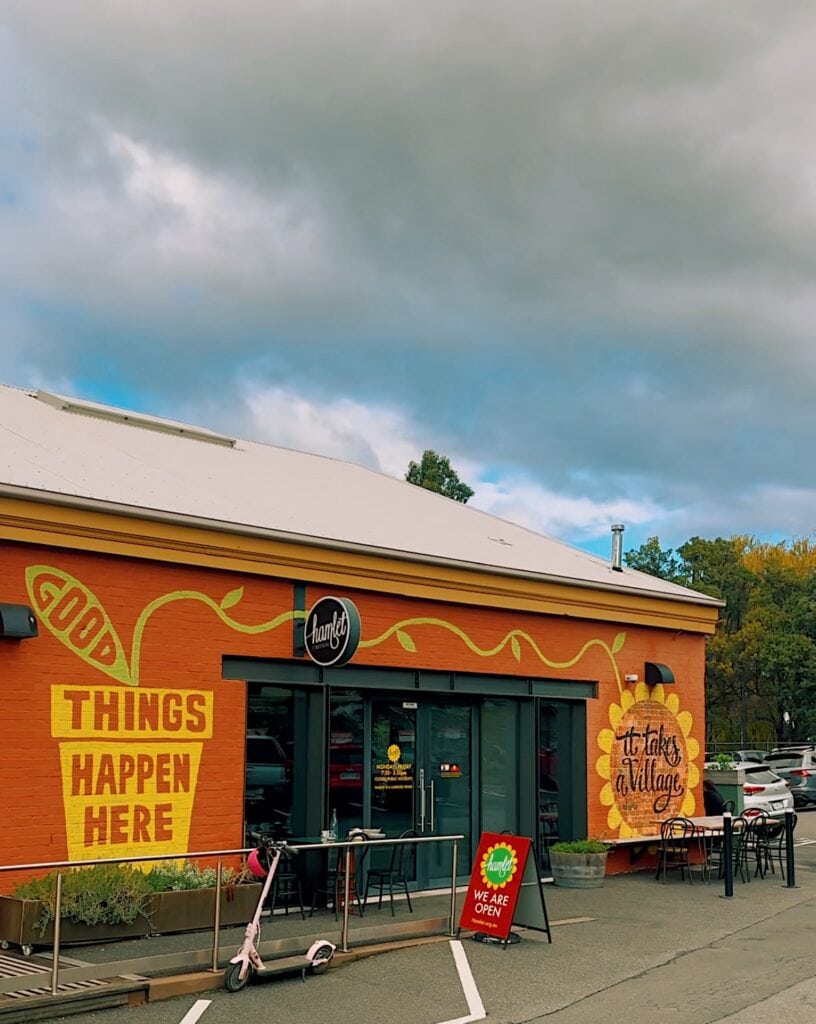
At Hamlet, learning happens in public. There is a till to master, coffee to make, plates to carry and customers to greet. Eventually, somebody has to walk three coffees across a busy room without spilling them, remember an order, ask a stranger a question, recover from getting something wrong and come back the next morning to try again.
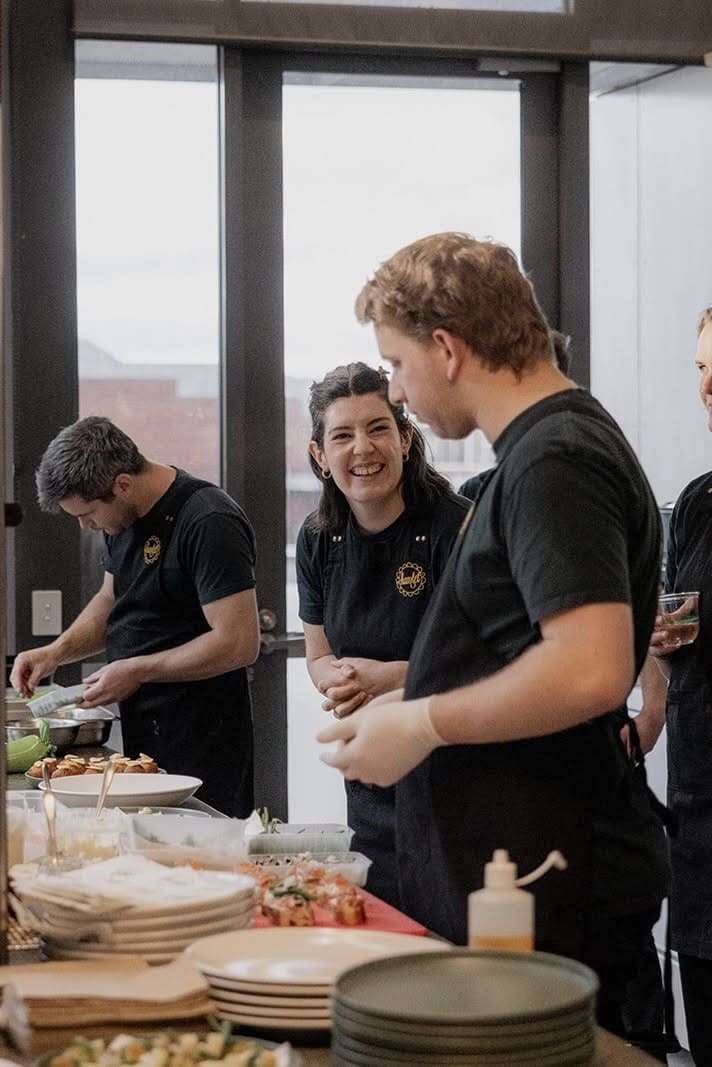
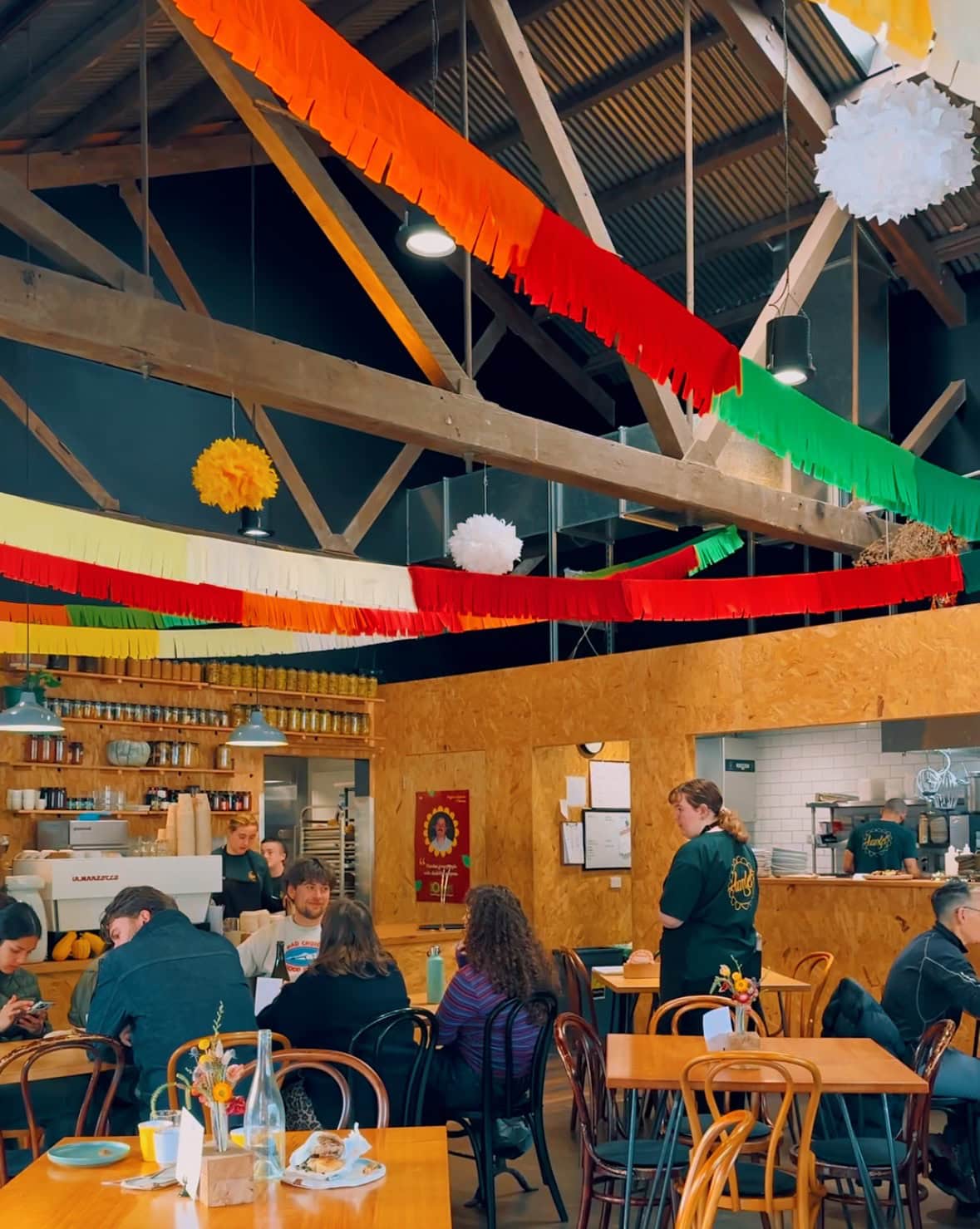
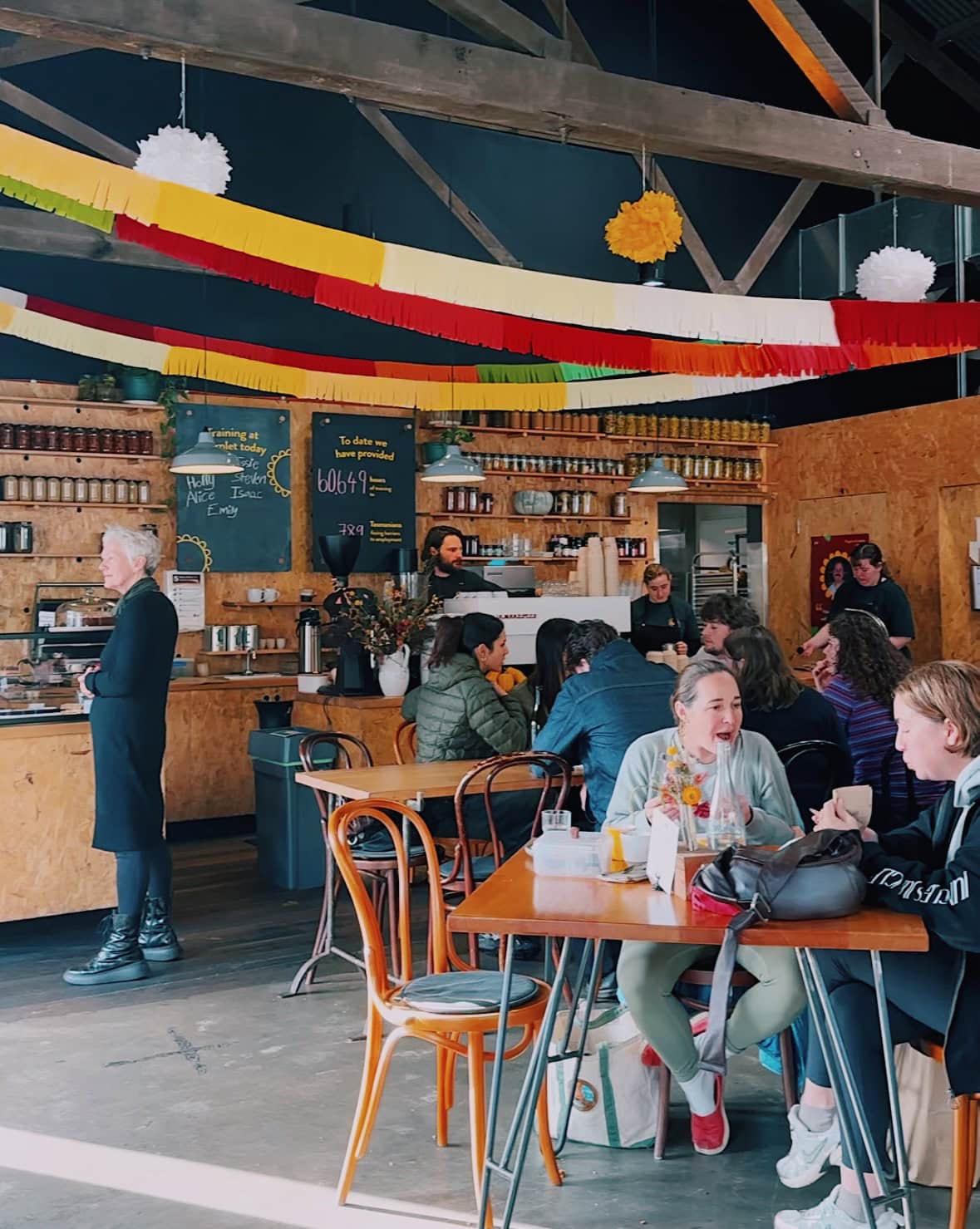
Around them, Hobart is having breakfast. The eggs are soft, the focaccia made in-house; there might be anchovy dip and pickles on the plate, potato salad under tuna and tonnato, or a chickpea pancake carrying roast pork belly, sambal and herbs. Coffee orders move steadily across the counter while, in the same room, somebody is learning how to make one.
For ten years, this cafe beside the Hobart Rivulet has been teaching hospitality in the middle of service. Customers still need looking after, lunch still needs to taste good and the catering order still has to leave the kitchen on time. What Hamlet has changed is the assumption that everybody should arrive already knowing how to work, or learn to do it in exactly the same way.

Founder Emily Briffa came to Tasmania as a chef, recruited by David Moyle to work at Franklin after the pair met through Melbourne social-enterprise cafe Kinfolk, founded by Briffa’s brother. She imagined Hobart as a six-month adventure and stayed. Tasmania appealed to the cook in her: growers and makers felt within reach, ingredients were connected to the people who produced them and the landscape never seemed far away. Yet after a year in fine dining, Briffa found herself thinking less about what she wanted to cook and more about what she wanted work to mean.
A contradiction was becoming difficult to ignore. Tasmanians were struggling to find employment while hospitality businesses were struggling to find workers. Briffa began calling organisations supporting people shut out of work and kept hearing the same impossible loop: you needed experience and a reference to get a job, but somebody first had to give you the chance to earn both. In her twenties, with her own savings behind the idea, she decided to build that missing middle herself.
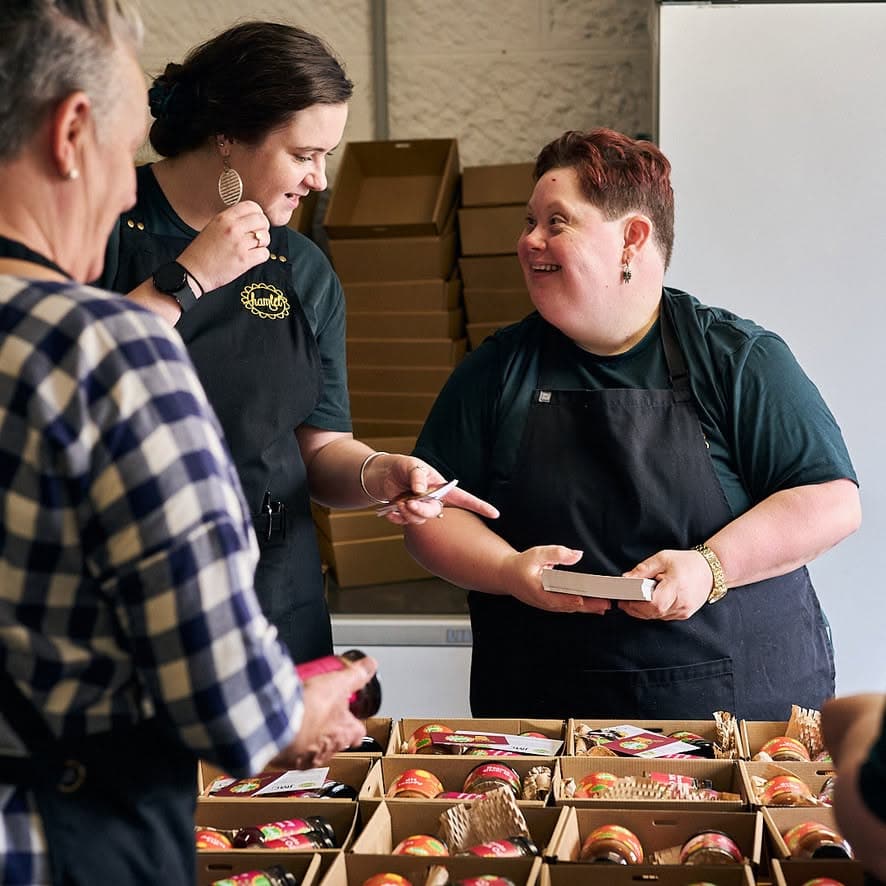
Hamlet opened in 2016. Four months later came Alex, a young woman with Down syndrome who wanted greater independence. She learnt to work with customers, grew in confidence and later moved into paid employment, including several years at Mona. For Briffa, the significance of that first success revealed itself in details no employment statistic could capture: eye contact, conversation, posture, the confidence with which somebody entered a room.
Alex was one of the first. Hundreds have followed.

Across a decade, Hamlet has delivered more than 60,000 hours of training to 789 Tasmanians, with 68 per cent of graduates last financial year moving into employment or further education. More than a quarter of Hamlet’s own staff are former participants, while graduates clocked more than 4,800 paid hours across the organisation in 2024/25. The figures establish the scale, but they cannot quite capture how much can sit behind something as ordinary as a first shift.
Jim Mackey came to Hamlet after a stroke at 29 affected his memory and movement. At first, an hour and a half in the kitchen was enough. Then came longer shifts, front-of-house work and, eventually, the coffee machine. Years later, he could describe himself with some pride as the only one-armed barista he knew in Hobart.
Sophie Kluver arrived after social anxiety had kept her largely at home and out of work for years. A busy cafe full of strangers might seem an unlikely place to rebuild a working life; for Kluver, it became somewhere to begin.
That word matters.

Workplaces tend to reward the person who arrives ready: confident, quick, experienced, fluent in the peculiar language of interviews, rosters and workplace small talk. Hamlet pays attention to everything that comes before. Sometimes somebody needs help learning the till. Sometimes the barrier is literacy, transport, digital access, mental health or simply time. Support might mean explaining a payslip, practising an interview, working through a bus route or staying alongside someone after they move into paid employment.
The standard does not change. The route towards it can.
Making room for that difference has a real cost. Research undertaken with Melbourne Business School and Social Enterprise Australia found that delivering Hamlet’s social purpose costs around 42.8 per cent more than running a comparable commercial business, or roughly $610,000 a year. On paper, that is an expense. Inside the cafe, it looks like another person on shift, extra supervision, one-on-one employment coaching, or somebody taking twenty minutes to explain what another workplace might expect to be understood in two.
It is, in other words, the price of time.
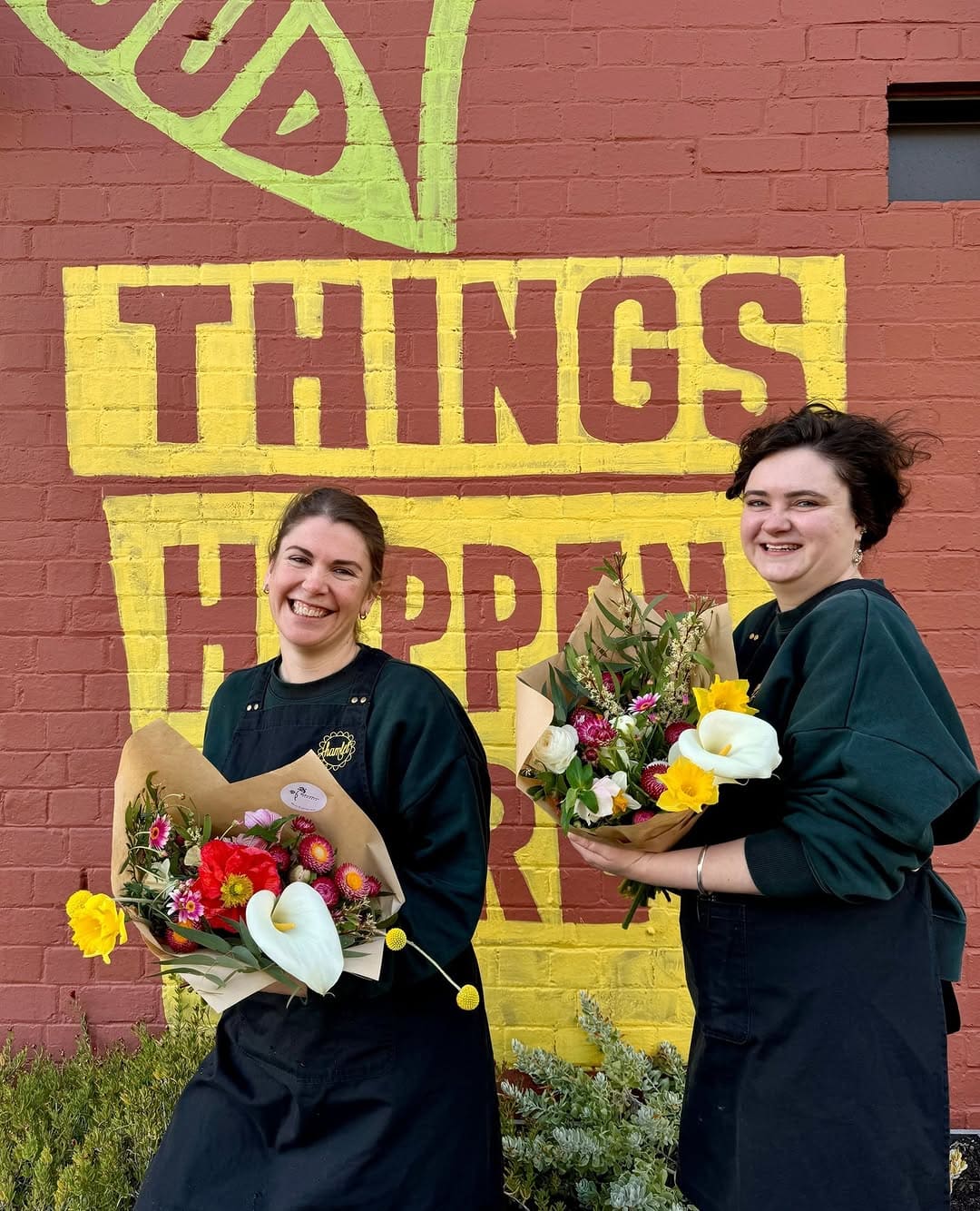
Hamlet’s next chapter takes that philosophy beyond its own doors. Launched in its tenth-anniversary year, Next Shift connects graduates with tourism and hospitality employers while helping those businesses rethink how they recruit, support and retain people.
“We’ve seen what happens when you design work around people, not the other way around,” Briffa says.
Through the program, Hamlet matches graduates with roles, works with employers on recruitment and workplace practices, then stays involved once employment begins. The interview is only one moment in the process. What happens in the weeks and months afterwards, when somebody is learning the rhythms of a new kitchen, a new roster or a new team, matters just as much.

For years, people struggling to find employment have been asked to become more job-ready: build confidence, learn the system, improve the CV, fit the workplace. Next Shift turns some of that scrutiny around. Could recruitment operate differently? Could a roster accommodate another rhythm? Could communication change? What might become possible if removing a barrier became a shared responsibility rather than another test for the person already facing it?
There is something fitting about hospitality becoming the place to ask these questions. This is an industry built around noticing what another person needs and adjusting the room accordingly: a table shifted into the shade, a dietary requirement remembered, a chair found, a glass refilled, a pace read correctly. Hospitality, at its best, has always depended upon attention.
Why should that instinct stop with the customer?
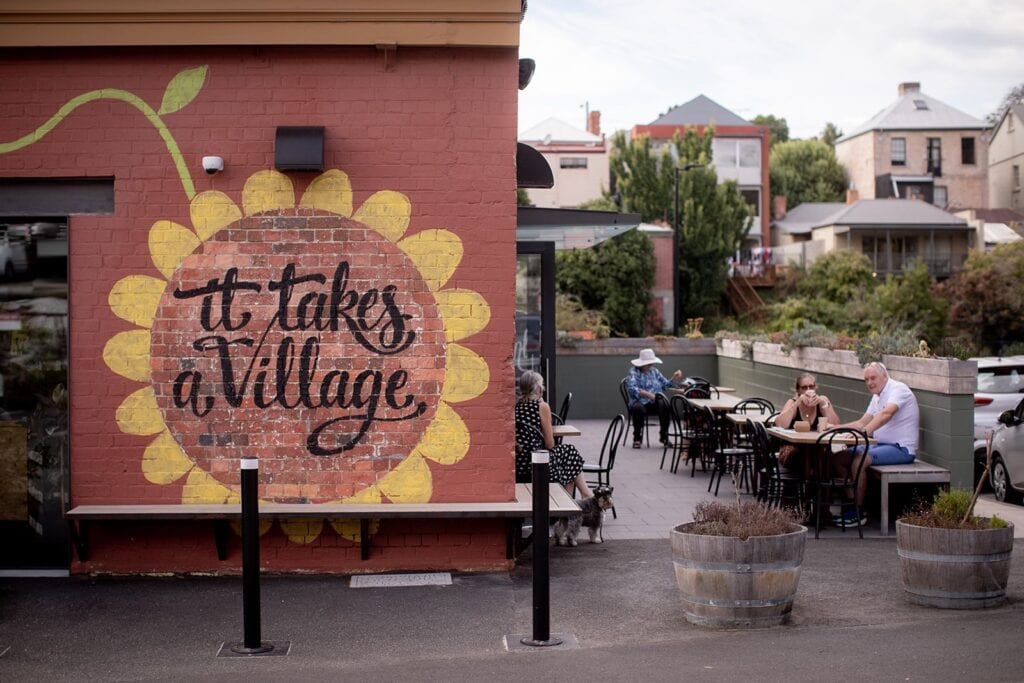
You do not need to arrive at 40 Molle Street thinking about any of this. You can come for breakfast, order a coffee, pick something up from the cabinet, take home a jar or book the catering and get on with your day. That ordinariness is central to what Hamlet has built. The learning happens within the daily business of feeding people, among plates being cleared, milk steaming, orders called and somebody discovering they can do something today that felt impossible six months ago.
There is dignity in being allowed to be a beginner, in having somebody take the time to explain and then trust you to try. From your table, you might see only a coffee arriving across the room. For the person carrying it, that short walk may hold months of work.
Ten years after Hamlet opened its doors, that may be its most enduring lesson. A good workplace can teach somebody how to do the job; a great one is willing to change so they have a fair chance to do it. Hamlet has spent a decade preparing people for work while asking something harder of work in return: to pay attention, to adapt and, when somebody finally reaches the other side of the room with all three coffees still standing, to recognise everything it took to get there.
Loved our feature on Hamlet? Keep exploring with our guides to the best cafes and restaurants in Hobart.