Subscribe


 Subscribe
Why Learning How to Truly Switch Off Matters More Than Ever
Somewhere between constant notifications and endless to-do lists, we forgot how to truly rest. As burnout reshapes modern life, switching off has become essential rather than indulgent.


Somewhere between the relentless ping of notifications and the quiet guilt of another unfinished to-do list, many of us lost the ability to truly rest. Not just to sleep, scroll or collapse at the end of the week, but to rest in a way that steadies the breath, clears the mind and lets the world soften around us.
Burnout has become an accepted backdrop to modern life. Mental Health UK’s 2025 Burnout Report shows that more than a third of adults experience high or extreme stress regularly, while further research suggests close to 85 per cent of employees show signs of work-related burnout. We recognise it. We name it. We share it. What remains far less clear is how we actually recover from it.
As we move toward 2026, the question is no longer whether we need to slow down, but how to do it without feeling uneasy, unproductive or restless in the process.
Why rest feels so difficult now
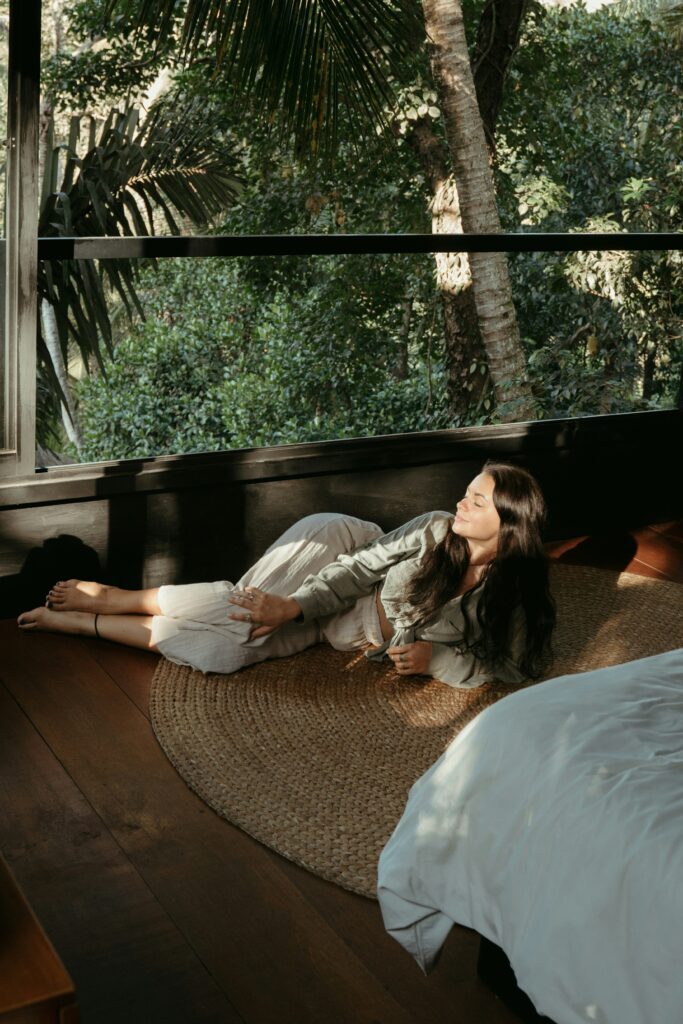
We live in a culture that quietly mistrusts stillness. Productivity is praised, busyness rewarded, and silence rarely left alone. Doing nothing can feel uncomfortable now, even faintly rebellious, as though we are failing at something invisible. Yet stillness is not empty. It is where attention returns. Where the nervous system settles. Where thought loosens its grip.
Switching off is rarely a single decision. It is a practice that asks us to unlearn habits we have spent years refining. Even our downtime is crowded. We scroll to relax, queue podcasts to unwind, and fill the smallest pockets of quiet with noise. The mind is rarely left on its own.
This is why genuine rest can feel unsettling at first. Without stimulation, restlessness surfaces. Boredom appears. The urge to reach for a device becomes almost physical. This discomfort is not failure. It is the threshold.
Rest as a practice, not an escape
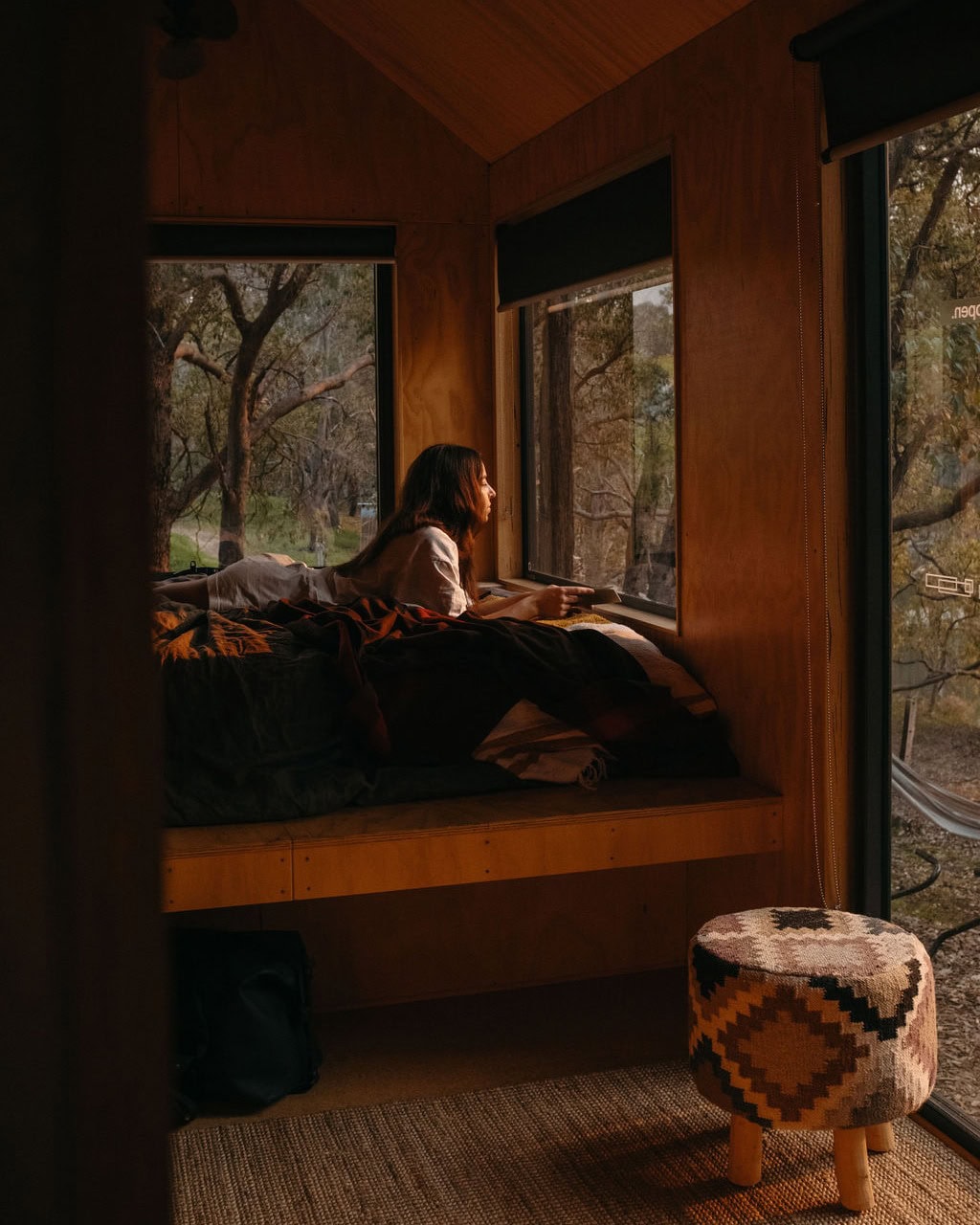
The idea that rest should be effortless has quietly worked against us. Getting away is easy enough. Knowing how to slow down once we arrive is not. This has led to a growing interest in rest as something that requires conditions, not indulgence. Spaces designed with restraint rather than excess are gaining traction, particularly those that reduce choice, stimulation and constant input.
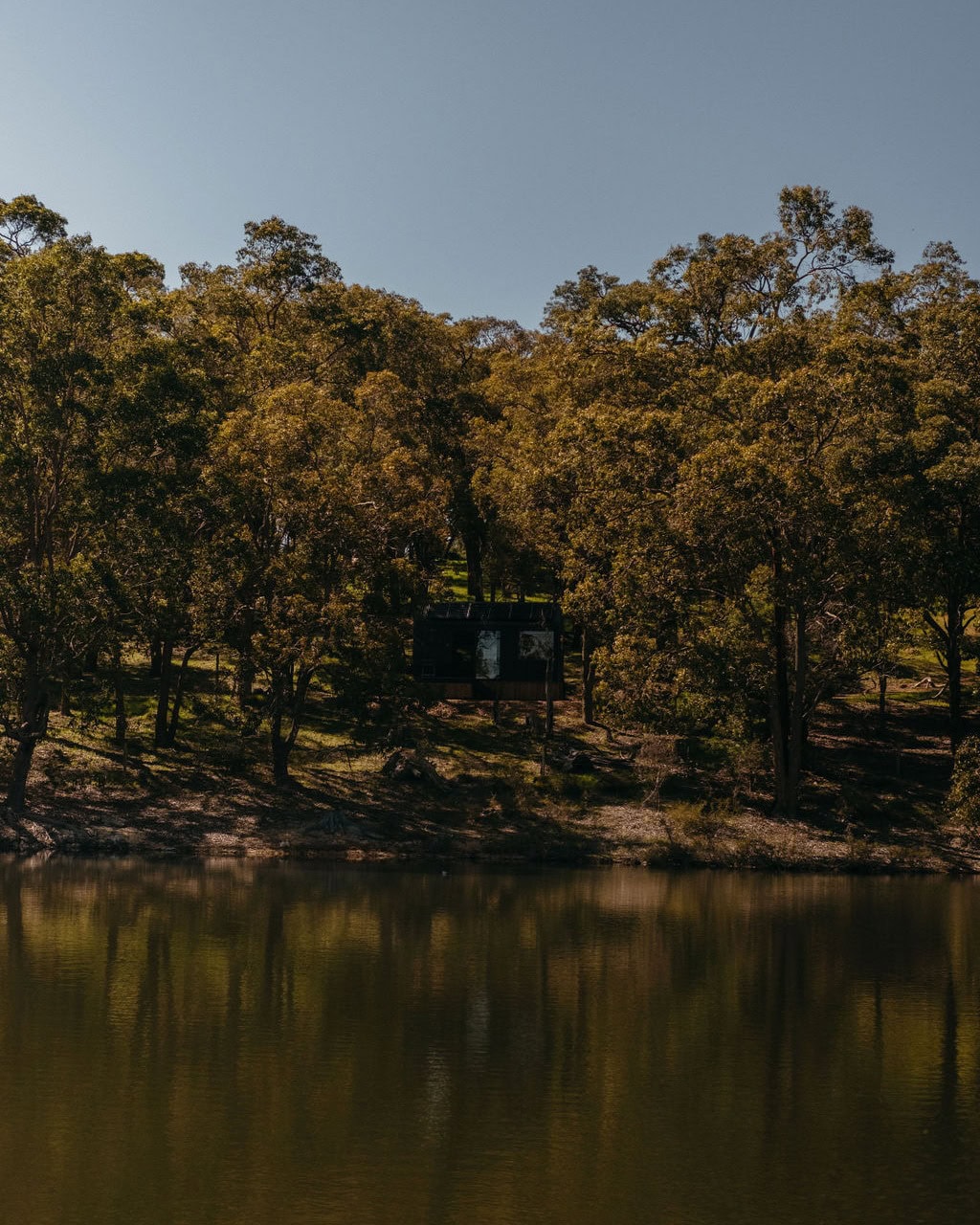
Off-grid cabins are one example. Without Wi-Fi or screens, and with fewer decisions to make, attention has nowhere else to go. The body responds before the mind has time to argue. Unyoked’s cabins across Australia are built around this principle. Small, remote and deliberately uncomplicated, they do not promise transformation. They simply reduce interference. You arrive carrying everything. Over time, you set some of it down.
Burnout statistics continue to rise, but the more revealing question is what happens once we stop. What remains when there is no distraction to reach for and no urgency to respond to.
That question has prompted a renewed focus on rest as a skill rather than an outcome. A recent collaboration between Unyoked and The School of Life explores this idea through prompts and reflections that resist optimisation — walking without a destination, sitting in silence, or writing without intention. Exercises that feel unproductive, and are therefore effective.
These are not tasks to complete or goals to achieve. They are invitations to slow down in ways that feel human rather than prescriptive.
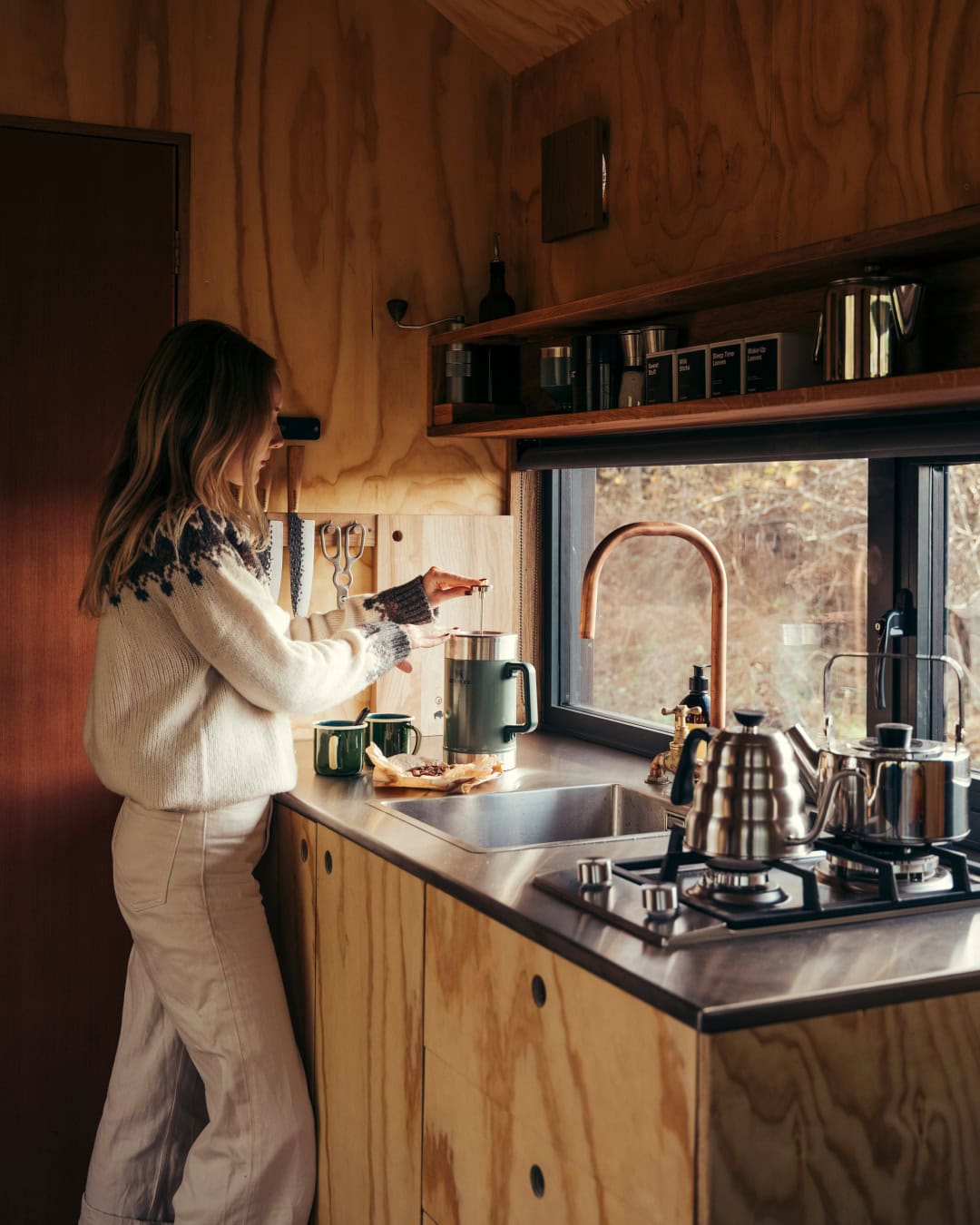
Small changes that create space
Switching off does not require dramatic change. It begins with small, deliberate choices:
- Spend time somewhere pared back. A place without screens or schedules, where urgency isn’t felt in the background. Nature helps, but so do environments that reduce excess and narrow focus.
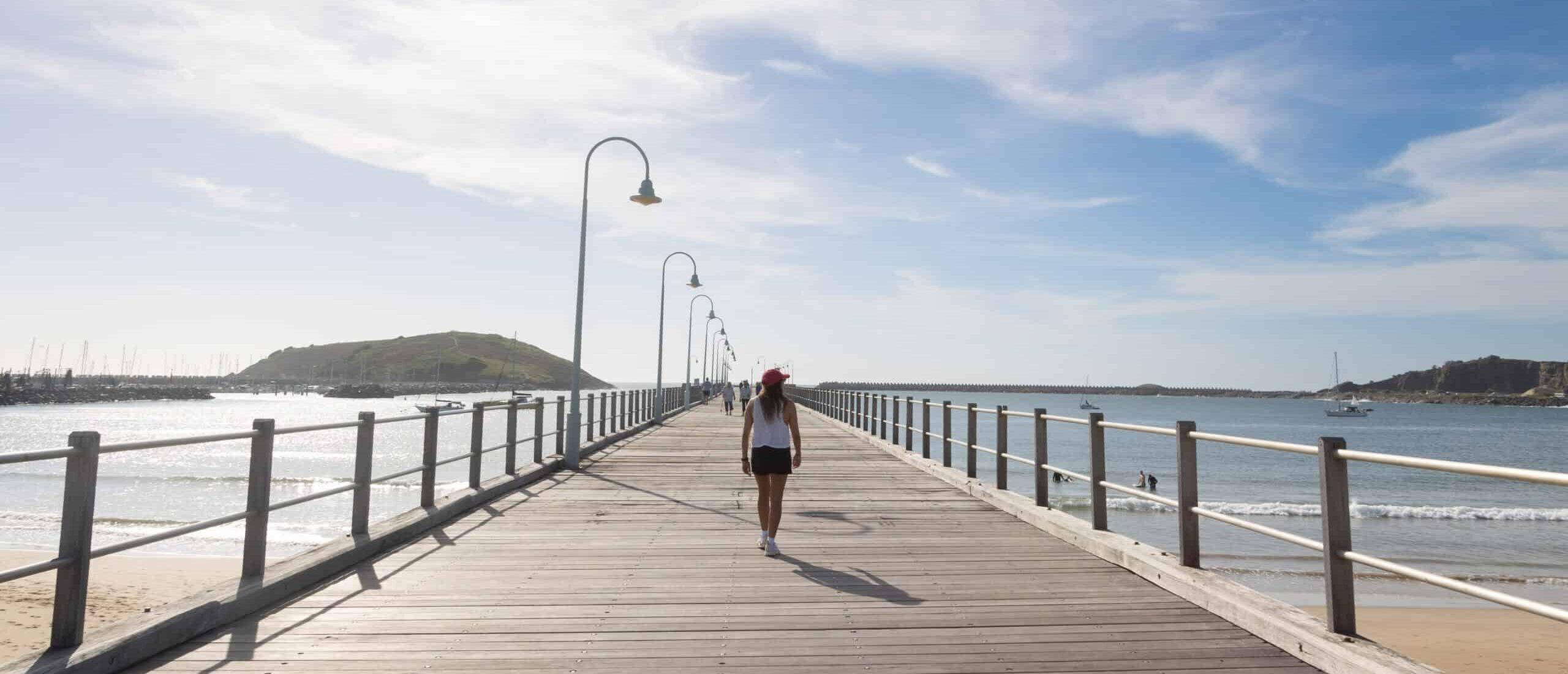
- Allow boredom to pass without solving it. Walk without a fixed destination in mind. Sit without an agenda. Watch the light shift. Let attention settle where it will.
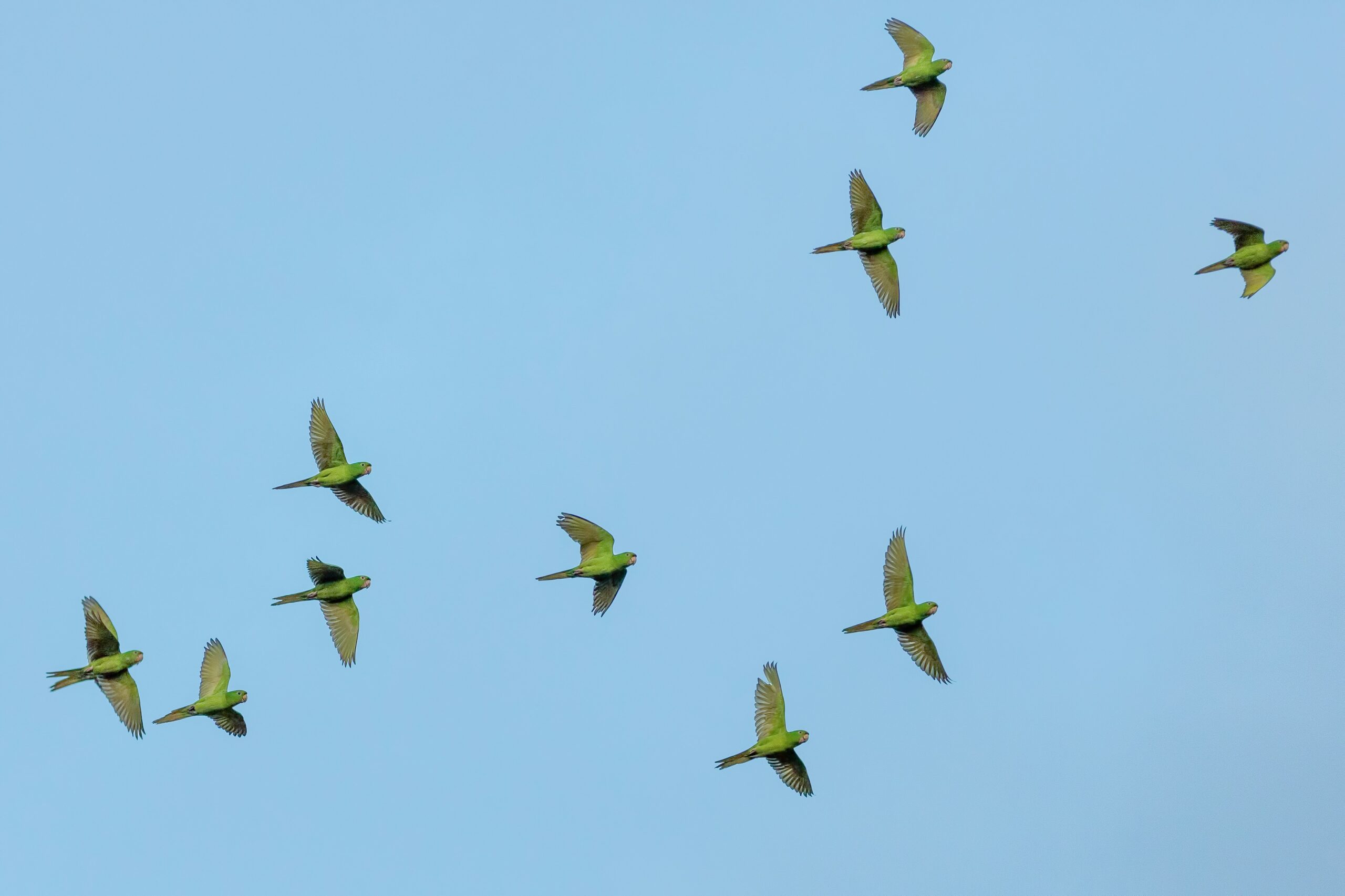
- Notice instead of consuming. Early morning light. Distant birds. The texture of quiet. This is mindfulness without instruction or an interface, grounded in the physical world.
- Write without outcome. A few lines. A thought. A fragment. Not for sharing or saving, but simply to empty the mind.
Approached this way, rest becomes active rather than passive. Something we practise, not something we earn.
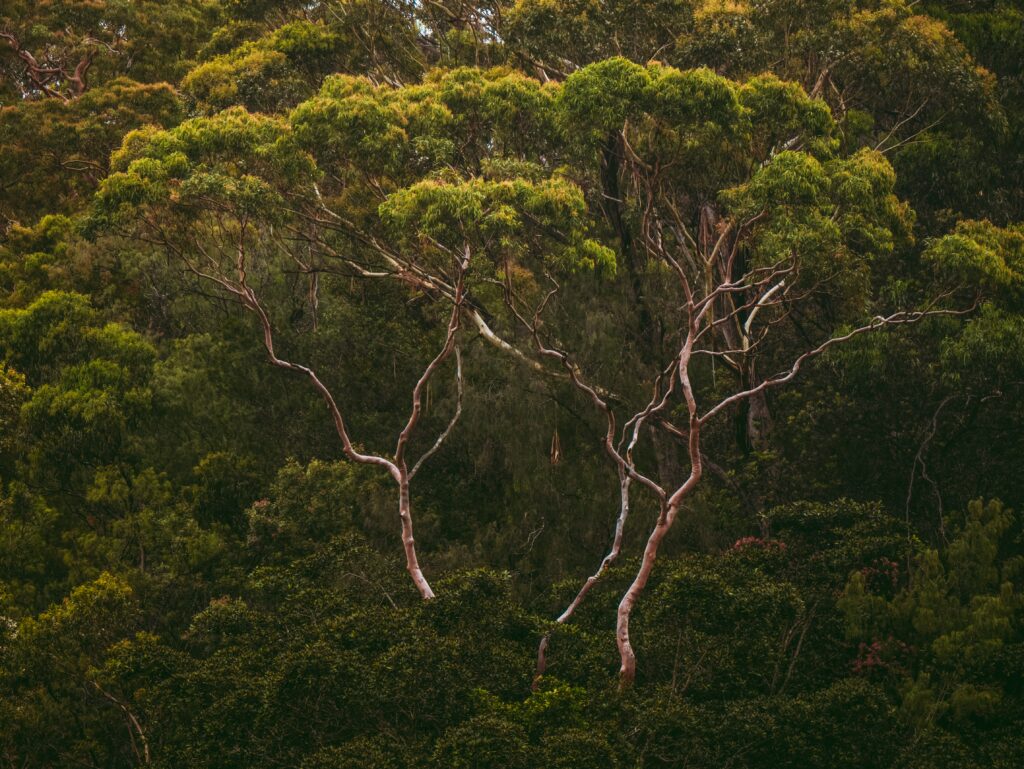
A quieter definition of luxury
As burnout becomes a strange badge of honour, our idea of luxury is shifting. It is no longer tied to accumulation or achievement, but to absence. Fewer demands. Fewer interruptions. Fewer reasons to rush.
Luxury now looks like waking without an alarm. Having nowhere to be. Hearing your own thoughts without competition. Choosing stillness in a culture shaped by constant motion is not self-indulgent. It is necessary.
Perhaps the most meaningful intention we can set for 2026 is not to do more, but to do less. To create space. To allow rest back in. And when the world grows too loud, to remember something we once knew instinctively how to do.
Nothing at all.
For more thoughtful ways to slow down and take care of yourself in 2025, explore our review of the narrative therapy tool, the Plotline Journal, along with our guide to solo travel destinations designed for space, clarity and reset.