Subscribe


 Subscribe
Fluffy Skin’s Taylor Marx Explains Melbourne’s Post-Winter Skin Problem
Shiny by lunchtime, tight after cleansing and somehow both congested and thirsty? Melbourne skin therapist Taylor Marx explains the post-winter skin problem many of us are completely misreading.

If your skin is anything like mine, by the end of a Melbourne winter, it had become an optical illusion. Shiny but somehow flaky through the T-zone, rough in places, occasionally congested, yet weirdly tight the second I washed my face. Naturally, I had diagnosed the problem myself: too much oil. Surely the answer was more exfoliation, fewer rich products and a general campaign to make my face behave.
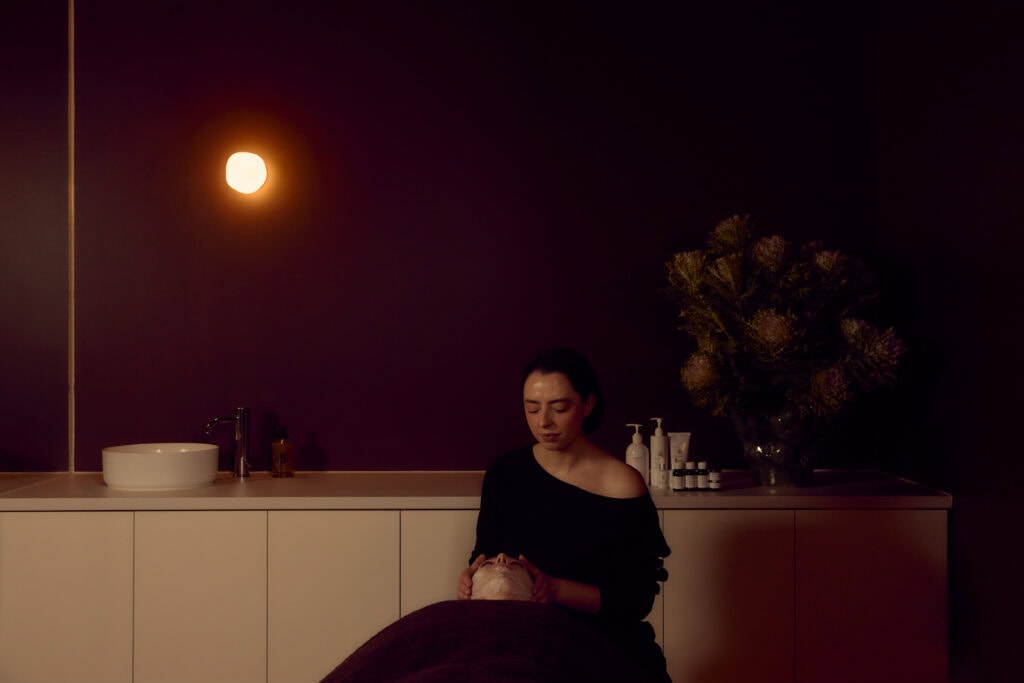
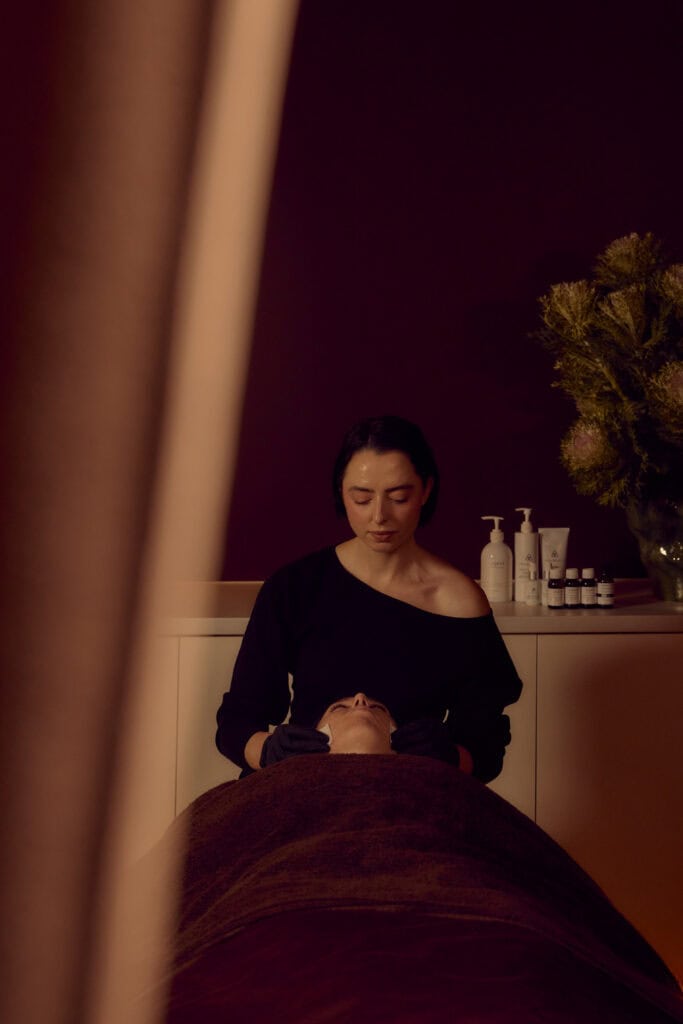
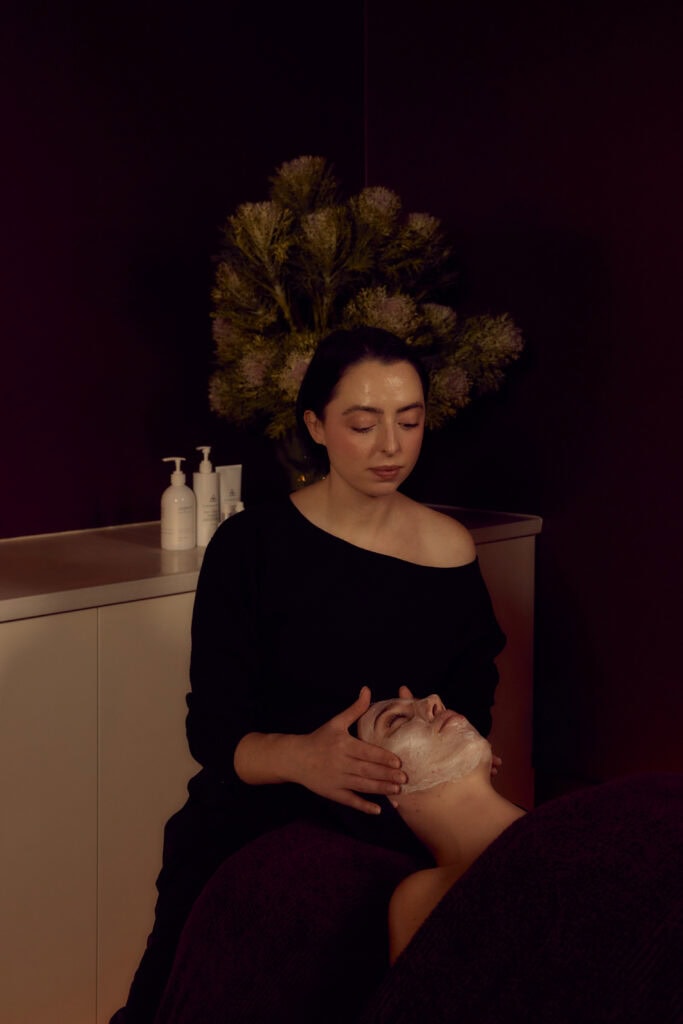
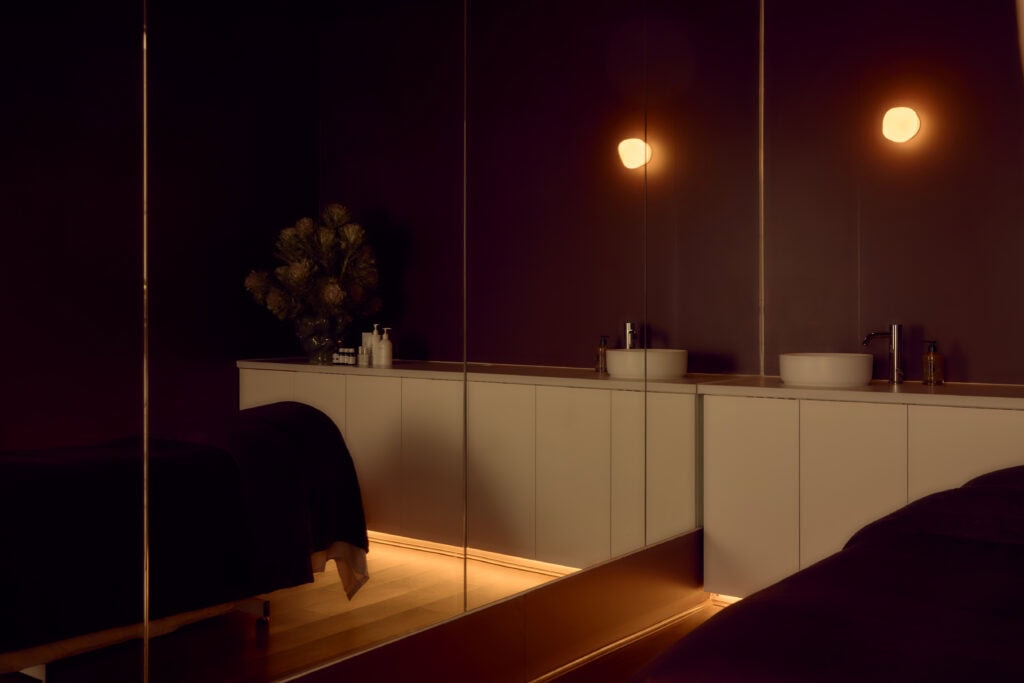
Then I found myself lying back for a facial at Fluffy Skin in Cremorne, where founder Abbie Lawley has created a deep-burgundy, softly lit treatment space among the warehouses and industrial streets of the neighbourhood. It was here that skin specialist Taylor Marx told me something I genuinely wasn’t expecting: my skin was producing plenty of sebum, but underneath all that oil, it was dehydrated.
Excuse me?
It turns out oily and dehydrated are not opposites, and the cold-wind-heater-hot-shower marathon we call a Melbourne winter can leave skin in a far stranger state than simply “dry”. Worse, some of the things we do to tackle the shine can push it even further in the wrong direction.
So, with spring officially here and Melbourne emerging from winter wondering why our makeup suddenly sits strangely, our pores look enormous and our skin can’t seem to decide what it wants, I went back to Taylor, as warm and calming as she is frighteningly good at reading skin, with questions.
A lot of them.

First things first: how can skin possibly be oily and dehydrated at the same time?
Taylor: We see this every day. Dehydration is a lack of water in the skin, while oily skin is a skin type, so the two can absolutely exist at the same time.
When skin is dehydrated, oily and combination skin types can respond by producing more sebum. That oil can feel thicker and stickier, which can contribute to texture, congestion, breakouts and inflammation.
People often assume shine automatically means their skin has enough moisture, but that isn’t necessarily the case.
What are the signs if your skin doesn’t actually look “dry”?
Taylor: Tightness after cleansing or a hot shower is a big one. Increased sensitivity, redness or heat, dullness, enlarged pores, rough texture and excess shine throughout the day can all point us in that direction.
Another one people don’t always connect with dehydration is makeup. You might notice it looking like it’s lifting away from the skin rather than sitting nicely.
So how much damage does a Melbourne winter actually do?
Taylor: Melbourne winter is a pretty brutal combination of cold, dry and windy weather. Then we move between those conditions and heated indoor spaces, have hotter showers and baths and often aren’t drinking as much water as we might in summer.
Our environment has a huge impact on how skin behaves.
In an oily skin, we might see increased sebum production, enlarged pores and breakouts. In a dry skin, irritation and redness can become more obvious and fine lines can look deeper.
Are oily-skinned people making the problem worse by attacking the oil?
Taylor: Generally, yes. Most of us have probably fallen into the trap of scrubbing our face with strong exfoliants or using harsh, soapy cleansers because we want to get rid of excess oil.
But if that shine is happening alongside dehydration, stripping the skin further can make things harder.
People with oily skin can also be frightened of moisturiser. They cleanse, see the shine and decide the skin doesn’t need anything else, but oily skin still needs moisture.
Which means my “if it’s shiny, dry it out” philosophy was… not ideal.
Taylor: Not quite.
Noted. So what should we actually be looking for in hydrating skincare?
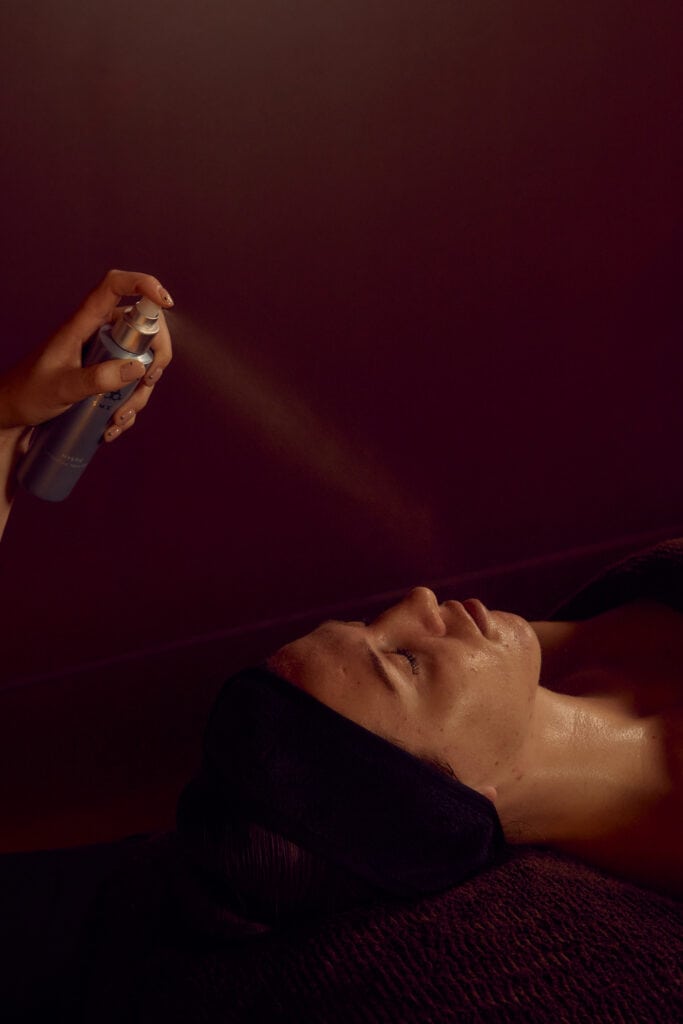
Taylor: Niacinamide, or vitamin B3, is one I really like for oily and dehydrated skin. It can help support moisture while also helping manage excess shine.
Glycerin and panthenol are lightweight humectants that attract and hold moisture. Ceramides and squalene can also be useful, although I’d be more cautious with those in someone who has genuinely acne-prone oily skin.
Should our routines change with Melbourne’s seasons?
Taylor: It really depends on the individual skin, but coming into warmer months, combination and oily skin types may feel more comfortable with a lighter moisturiser as natural oil flow increases.
SPF matters all year, and I’m always cautious with strong actives and exfoliating acids in people who aren’t diligent with sun protection. If your skin is already stressed and dehydrated, pushing it harder isn’t the answer.
When I came in, what gave away that my skin was dehydrated?
Taylor: Enlarged pores, dullness and dead skin build-up, so there was that roughness to the texture.
We also do a pinch test to see how quickly the skin bounces back. With dehydration, that response can be a little more sluggish and fine lines can look more obvious.
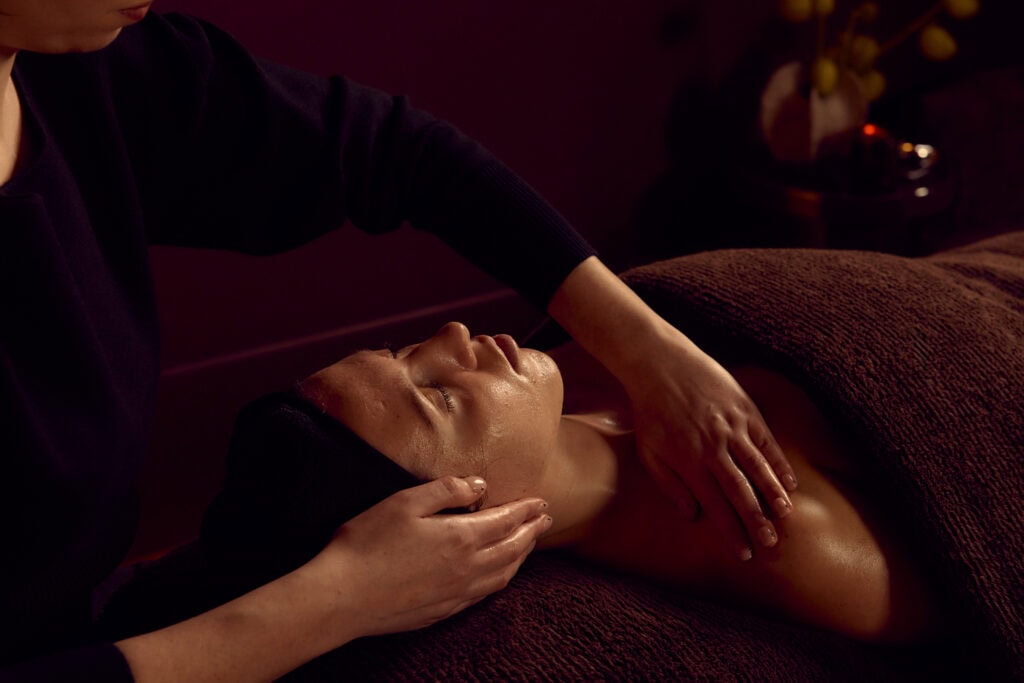
You didn’t have signs of inflammation or barrier impairment, so I chose an oxygenating treatment with a lactic peel. The aim was to support circulation and hydration while lifting away some of the dead skin and excess oil sitting on the surface.
And how much can one facial really change?
Taylor: Consistency is everything.
Daily cleansing, moisturising and SPF, along with looking after yourself generally, will do more long term than one professional treatment.
Facials are great, but not everybody can or wants to come in every month. I see our treatment room as somewhere we can give skin a clear-out or reset, help during seasonal changes, after illness, before an event or simply when it needs a bit of care.
The goal isn’t for you to leave feeling dependent on another appointment. I want you to understand what your skin needs when you go home.
Which brings us to Fluffy. You’re so well known for brows. Why move into skin?
Taylor: We wanted Fluffy Skin to feel accessible and like an extension of you.
When you come in for a treatment, we want it to happen on your terms. We don’t want people believing that facials every two to four weeks are the only way to have healthy, happy skin.
We wanted to give people the tools to understand their own skin and feel confident caring for it at home.
That’s also why we kept the menu small. Other than needling, our treatments can be customised and changed depending on what your skin needs at that point in time. Skin is always changing, so the treatment should be able to change with it.
Finally: I’ve survived winter, my skin is oily, congested and tight, and I’ve completely lost the plot. What are the first three things you want me to do?
Taylor: First, stop cleansing your face in the shower, especially if your showers are really hot.
Second, switch to a simple, gentle cleanser.
Third, use a moisturiser that actually suits your skin.
If somebody is already doing those things, the next place I look is their actives. What are they using, and how often are they exfoliating? That’s usually where we start finding clues.
And there it is. After an entire winter spent trying to decode why my skin couldn’t make up its mind, the answer was almost disappointingly simple: ease up on the exfoliation, turn down the shower temperature and use a moisturiser that actually suits my skin. No elaborate ten-step intervention required. I’d been making the whole thing much more complicated than it needed to be.
If winter has left the rest of you feeling equally in need of some attention, Melbourne is very good at the reset. We’ve rounded up the city’s best day spas, massage spots and this all-time favourite lymphatic drainage treatment for when your face isn’t the only thing asking for help.