Subscribe


 Subscribe
Why Intimacy Feels Harder in 2026, According to Margo’s Founder Bec Patterson
Desire fatigue isn’t brokenness. It’s overload, and the body knows it.

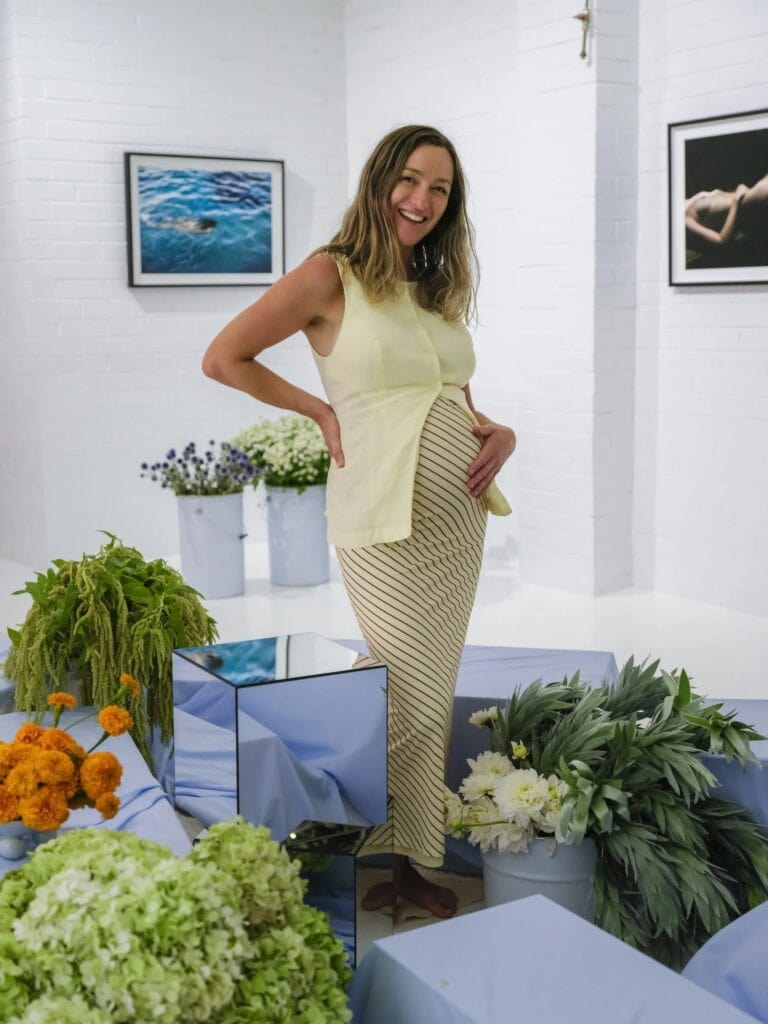
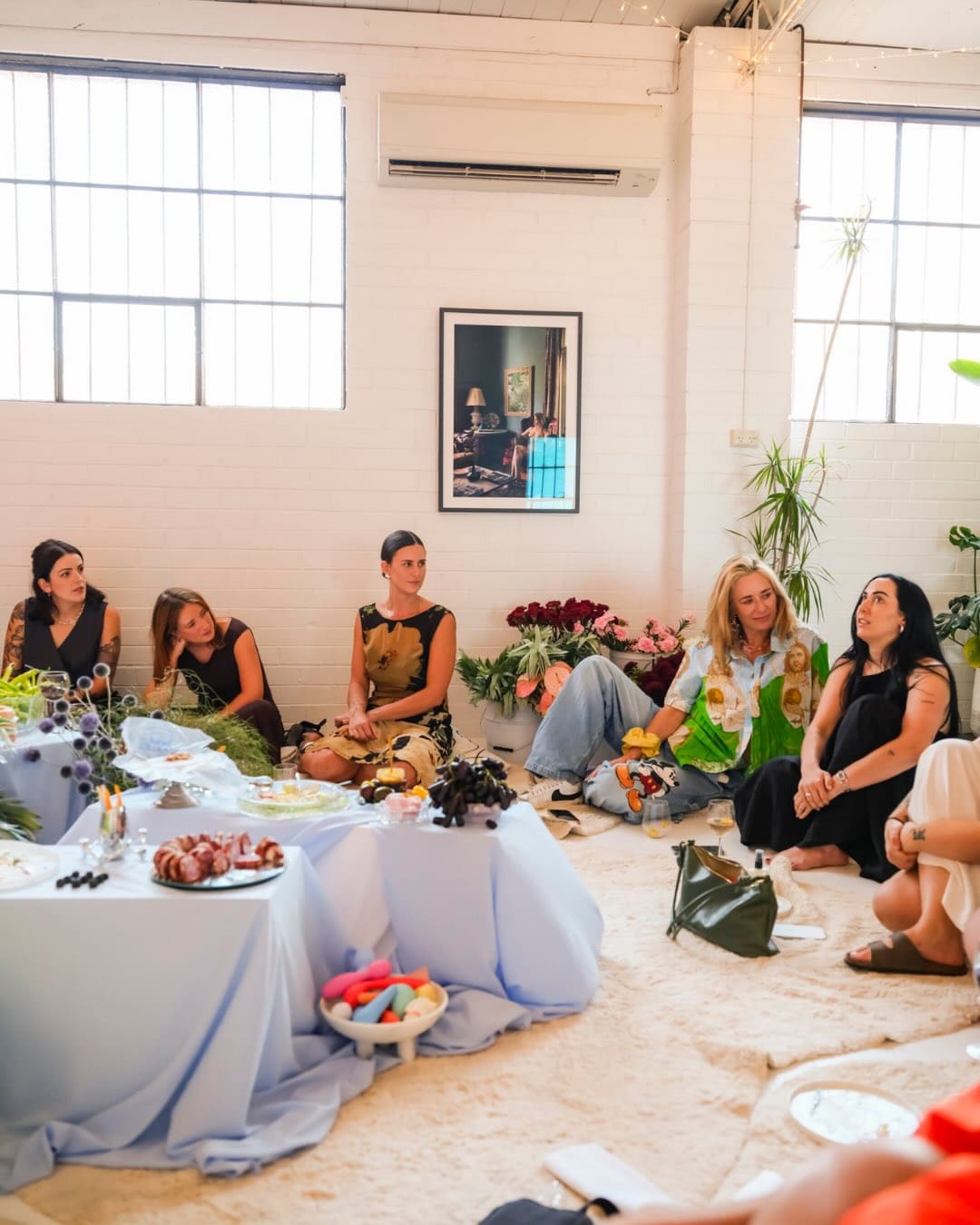
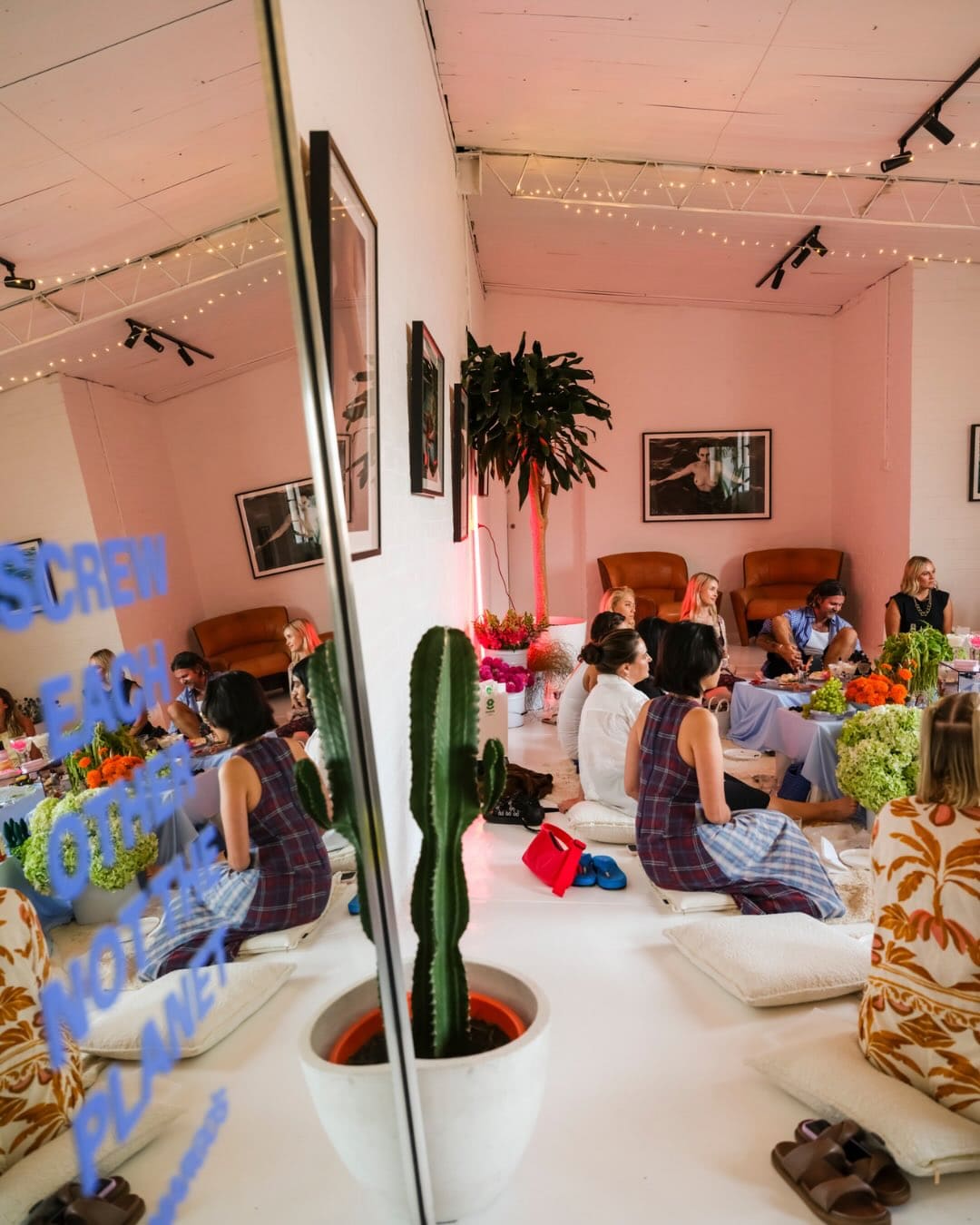
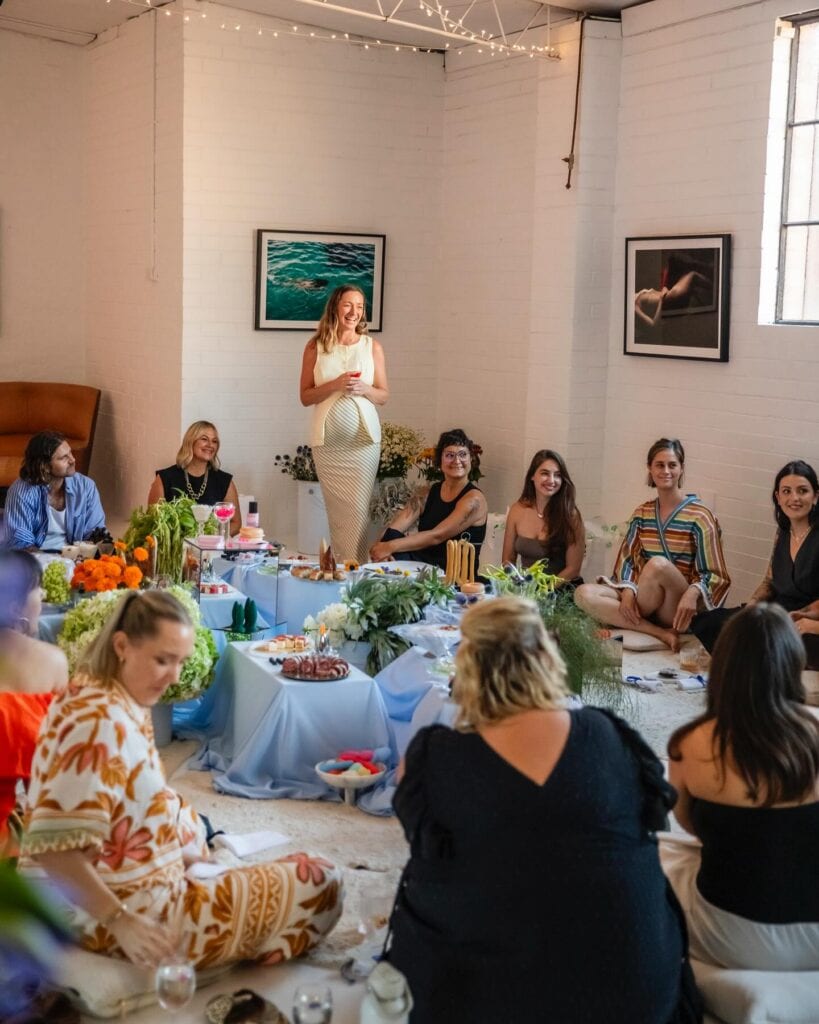
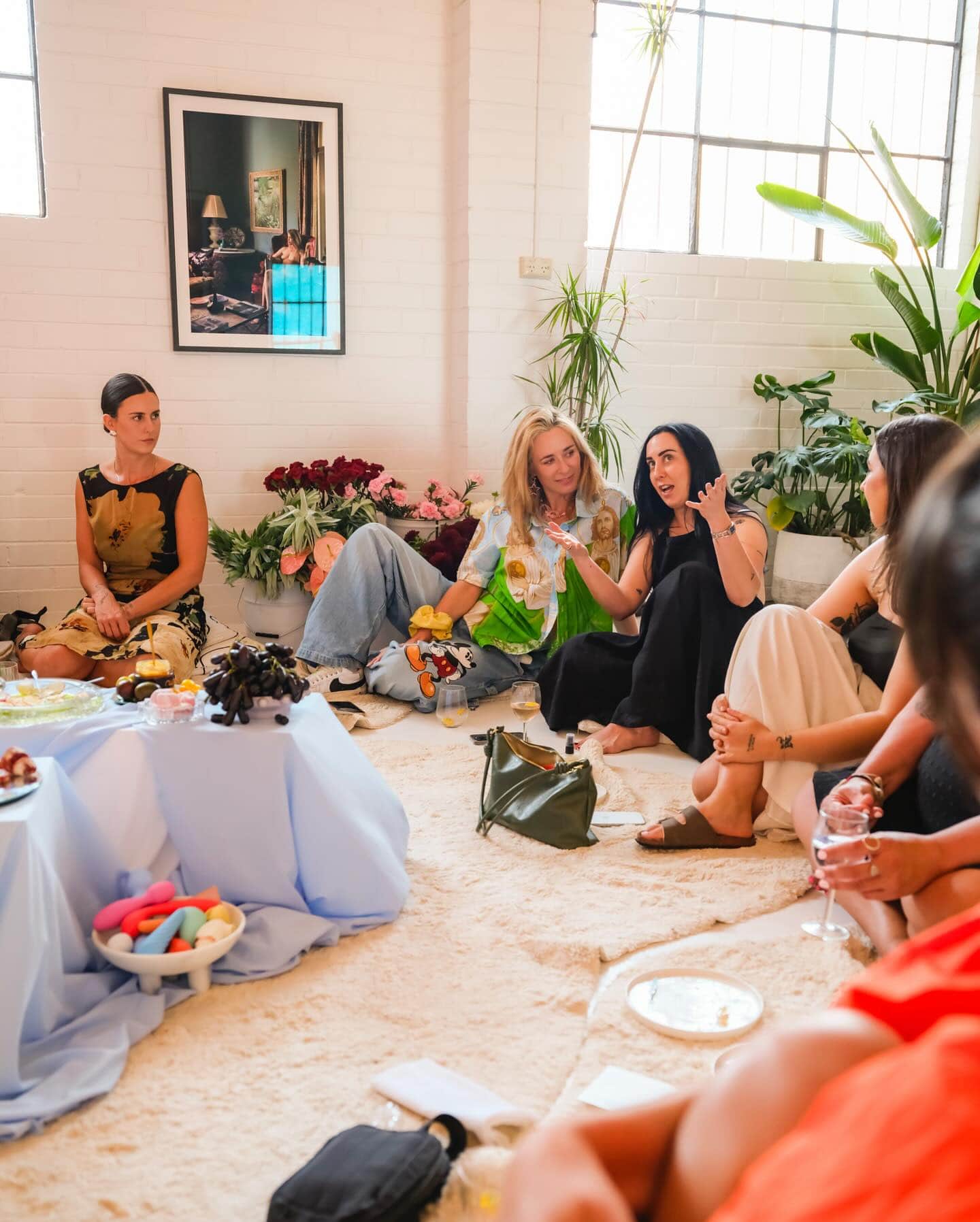
Shoes off. Phones face down. A long, low table strewn with late-summer florals stretches across the concrete floor of a Fitzroy warehouse. Plates move slowly between hands. Someone laughs, sharp and unfiltered. Someone else exhales, not dramatic, just relief.
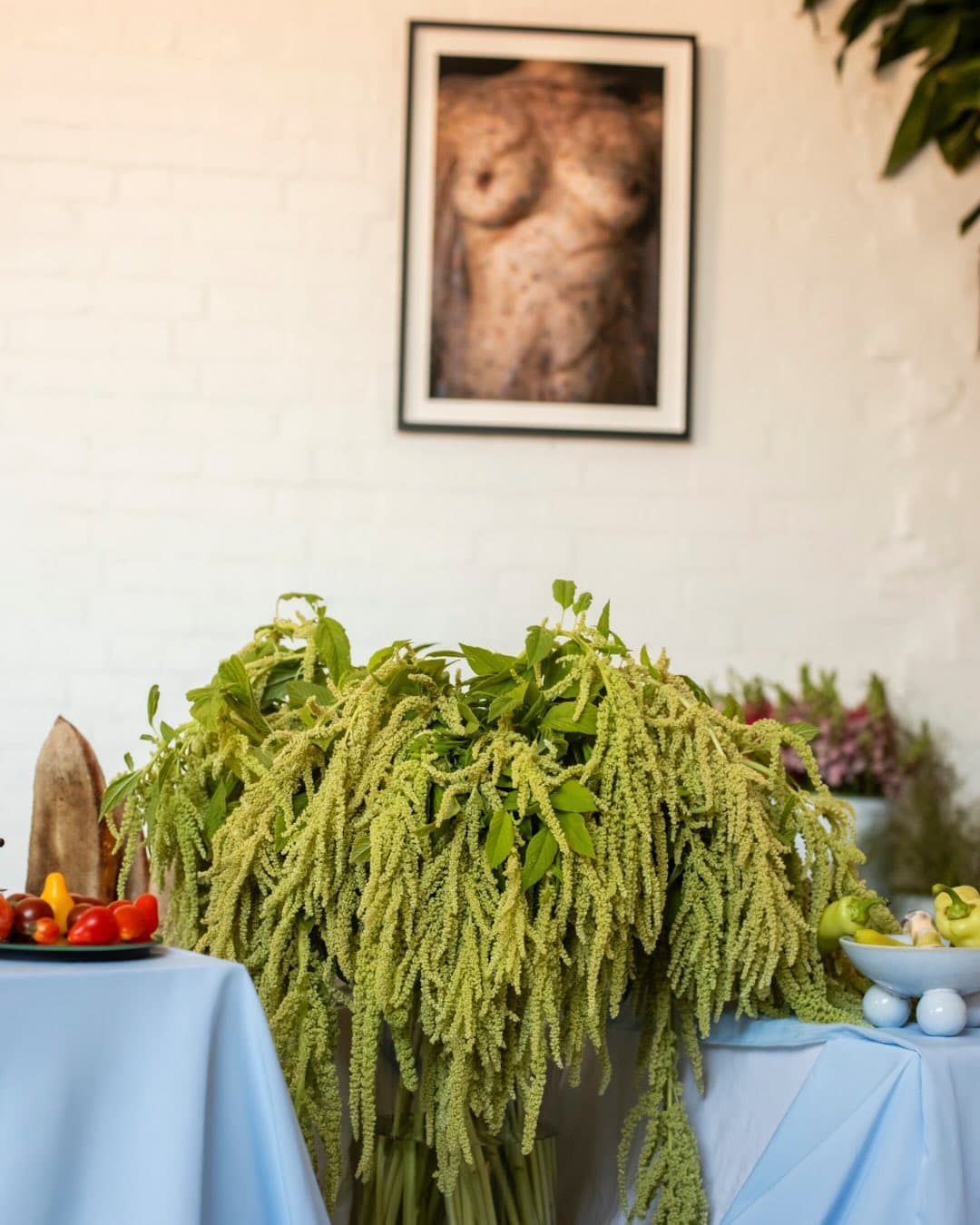
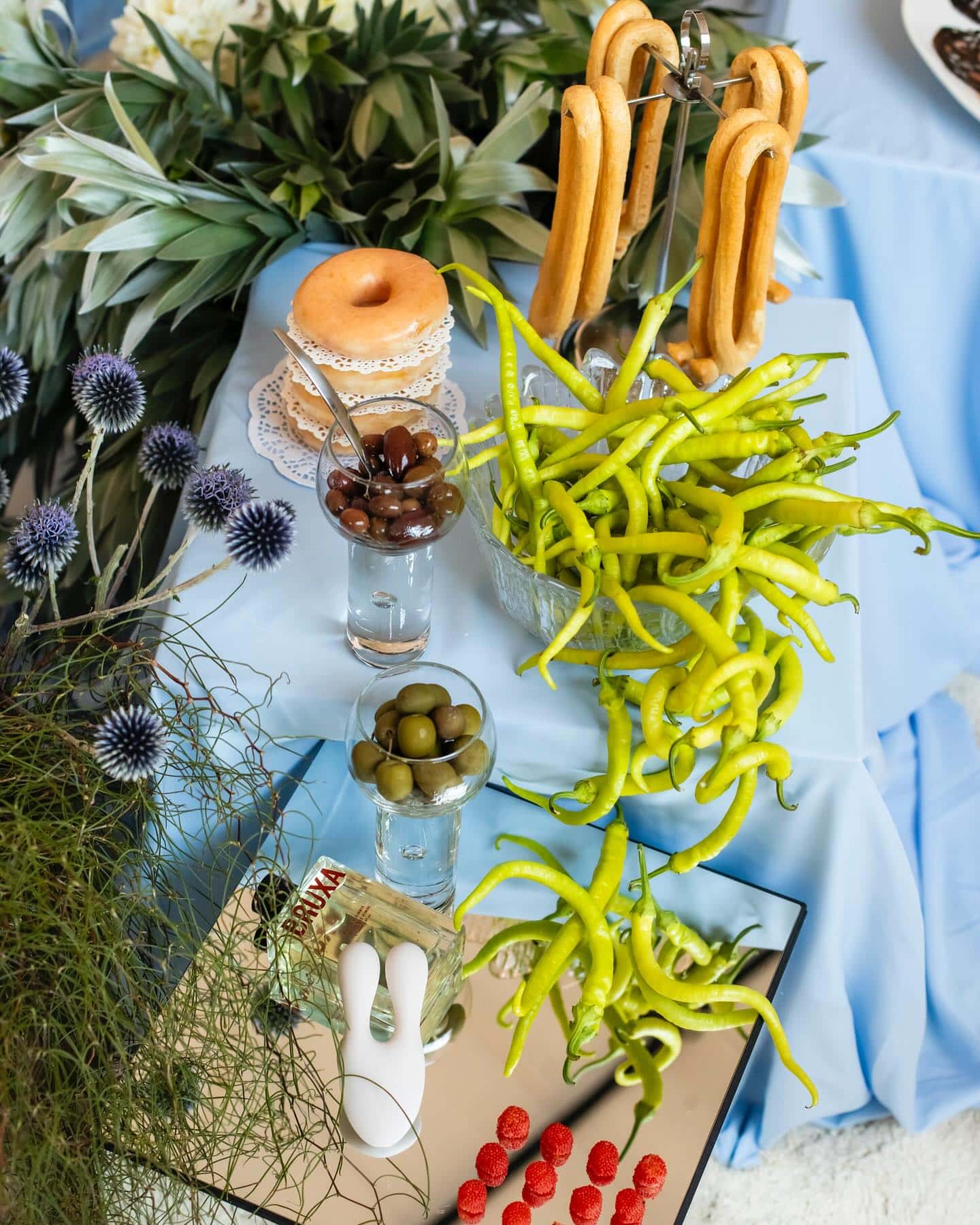
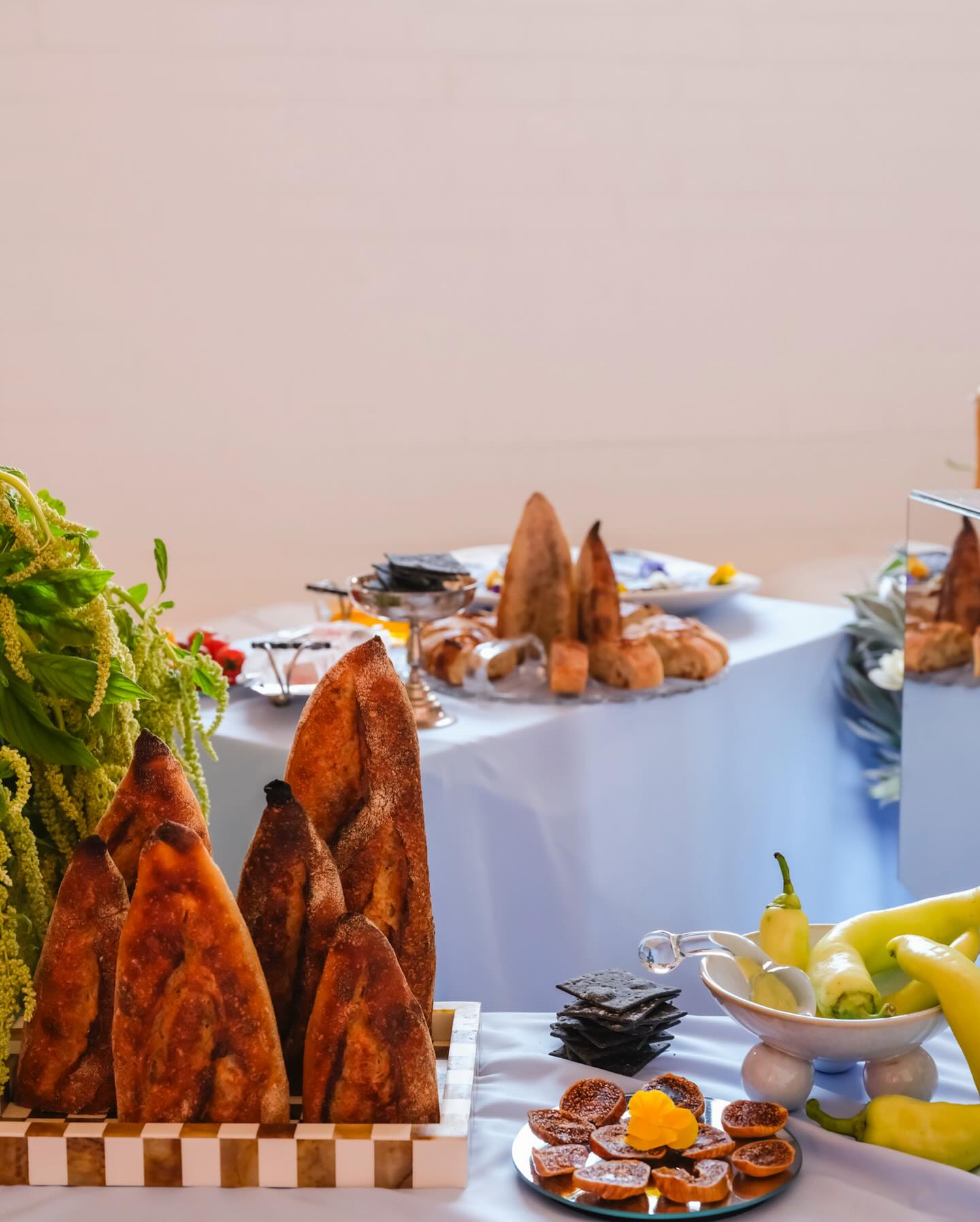
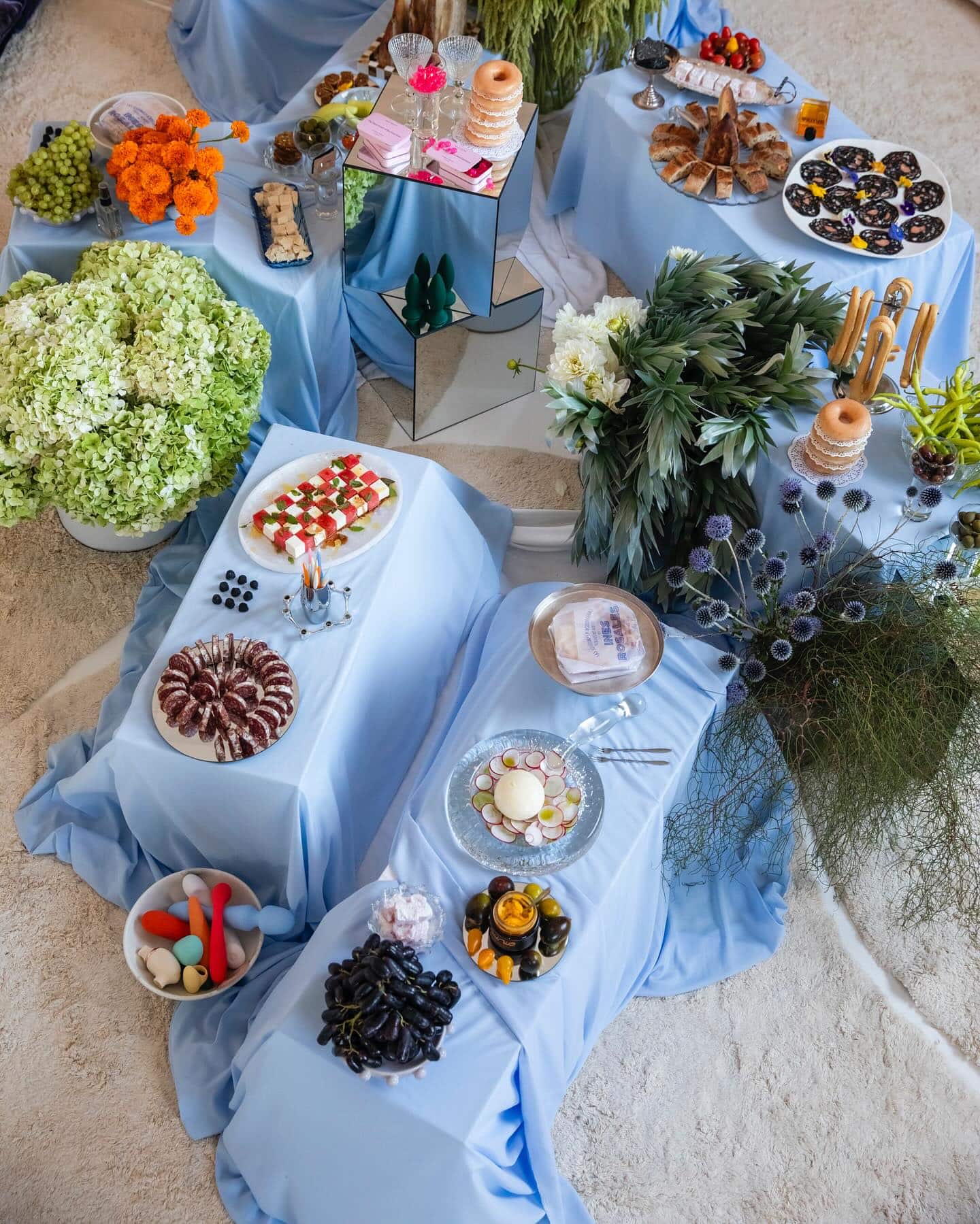
There’s no stage. No name tags. No expert speaking from a raised platform. Everyone sits level, knees almost touching. The food, described by its creator as “a conversation pit in edible form”, is generous without spectacle, built for grazing, for proximity, for attention.
This is a Pleasure Picnic, created by Bec Patterson of Margo’s. In 2026, it reads as more than a gathering. It feels like a response to the way we live now. Always reachable. Rarely met.
“We’re hyper-connected but emotionally undernourished,” Patterson tells me. “We can access anyone at any time, yet genuine closeness feels harder than ever.”
What feels urgent now isn’t more. It’s depth. But depth struggles to survive in noise.
Unread messages. Back-to-back weeks. The endless scroll that leaves you overstimulated and oddly untouched. The creeping sense that connection should not feel like another task to complete.
In 2026, Intimacy Is a Capacity Question
“In 2026 the conversation feels different because we aren’t just asking ‘How do I get more?’, we’re asking ‘Why am I exhausted?’”
The appetite for more matches, more choice, more novelty has started to taste like fatigue. In its place is something steadier: connection that doesn’t require curation.
“I feel like there’s a collective honesty emerging,” she says. “Less performance and more truth. We’re craving safer, more meaningful connections, and I feel like we’re finally realising that starts with ourselves first.”
She isn’t anti-pleasure, or prudish about sex. “We’re not chasing hotter sex,” she adds, smiling. “Nothing wrong with that.” It’s just that what sits beneath desire is now impossible to ignore: the nervous system, the need for safety, the labour of being legible all day.

Desire Fatigue Isn’t Brokenness — It’s Overload
Patterson uses the phrase “desire fatigue” often, and she’s careful with it. This isn’t low libido, and it isn’t a neat diagnosis you fix with a new toy and a playlist.
“Desire fatigue isn’t low libido,” she says. “It looks more like nervous system overload.”
She speaks from the inside of it: newborn and toddler life, work, the mental weight of being needed on every front. Spontaneous desire, she admits, is simply not top of mind.
“I may be slightly biased,” she adds, laughing. “Desire feels very low on my priority list right now. Spontaneous desire at least.” Then: “Ironic for someone peddling pleasure products, I know.”
There’s tenderness in the way she describes her relationship, not as an ideal, but as shared understanding.
“I have a very supportive partner, so it feels good to acknowledge together that this is a time of our lives that won’t feel this heavy forever.”
Zoom out and the pattern holds.
“Too much content. Too much choice. Too much comparison,” she says. “Social media feels transactional now, everyone yelling and selling. Algorithms decide what we see, what we like, even what we want.” Then the sharper truth: “We’re spoon-fed trends instead of feeling for ourselves.”
Add the mental load and exhaustion makes sense. Work. Care. Identity. Ageing. The constant recalibration of self.
“I feel like this fatigue is not dysfunction, it’s intelligence,” she says. “The body pulling back is often protective. If you don’t feel safe, spacious or regulated, desire won’t show up. That’s not broken. That’s biology.”
Grace is the method. Not a platitude. A practice.
“That’s where we need to give ourselves, and our partners, some grace,” she says. “Find ways to regulate our nervous system before looking at ways we can get it on.”
Connection Has Started to Feel Like Admin
When the subject turns to dating apps and digital identity, Patterson doesn’t take the easy route of blaming technology. She gives it its due, then names the cost.
“It’s both. Apps have expanded possibilities, but for many, it now feels like work. A chore. Very performative. Highly curated.” She’s blunt about the built-in escape hatches. “Anonymity means it’s easy to ghost. Easy to avoid accountability.”
Digital life makes avoidance effortless. Even your own self can start to feel like a profile you maintain.
“Connection requires awkwardness and effort,” she says. “Digital spaces can remove both. Making mistakes, feeling things out, is literally what makes us human.”
Lately, the refrain is consistent.
“I’m hearing more women say they want to meet people offline again,” she continues. “Something less optimised. Less polished. More human. More spontaneous.”
A return to breath, eye contact, unedited presence.
Loving This Piece on Intimacy and Desire Fatigue So Far? Be Sure to Check Out…
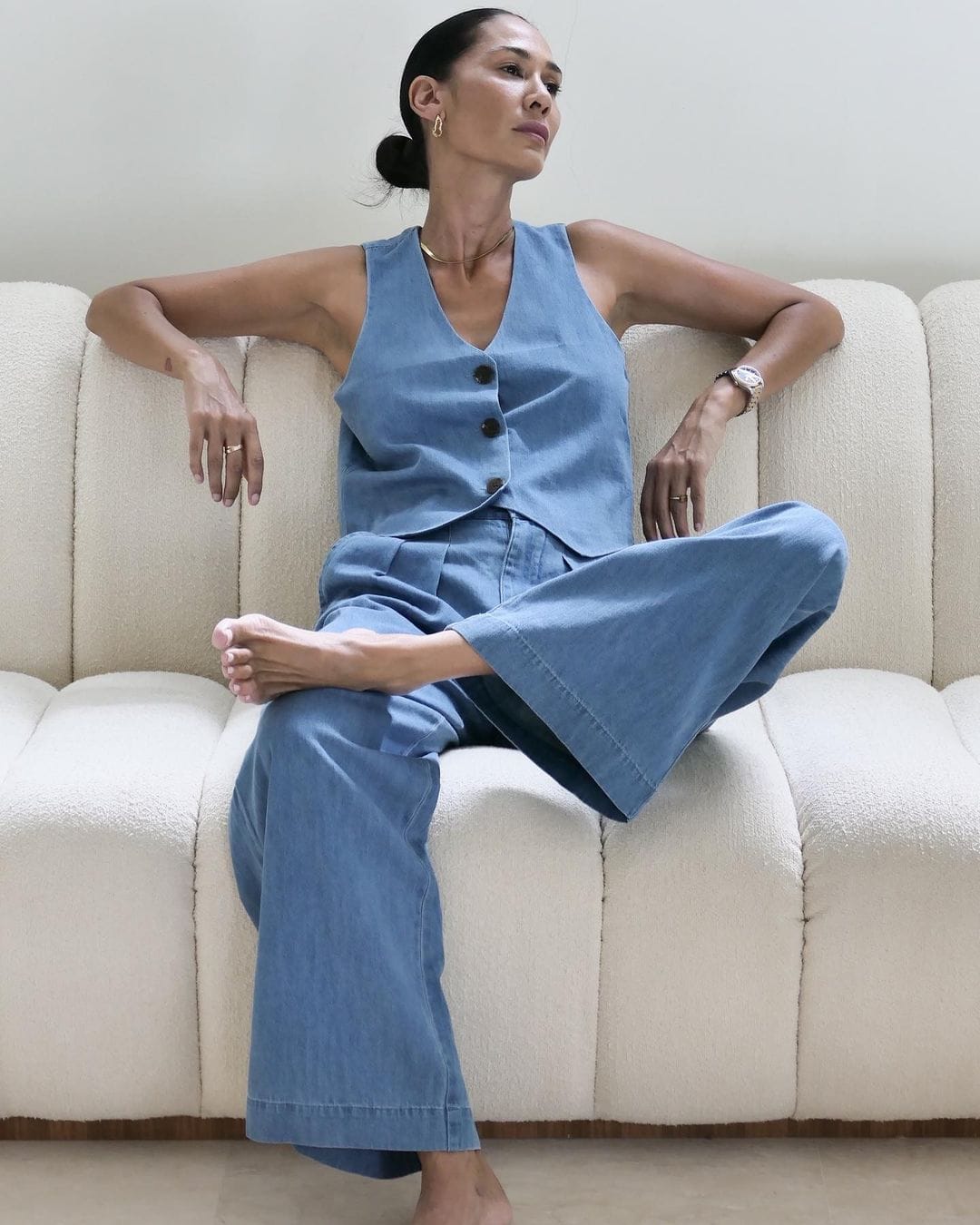
Lindy Klim on Why It’s Time to Start Taking Care of Our Whole Selves

Opting Out Isn’t Disappearance — It’s Regulation
There is a popular narrative that people are “opting out” of sex, dating, intimacy. Patterson reframes it. For her, opting out is often a boundary, and sometimes the first honest one many women have ever set.
“I think we’ve hit a tipping point with accessibility,” she says. “Ten years ago, especially in business, being constantly available was expected. Emails at 2am. Weekends on. Always responsive. We’ve done that experiment.”
Now the pendulum has swung towards protection.
“Now opting out often looks like boundaries,” she says. “It can absolutely be healthy regulation, choosing what serves you and what drains you.” She’s careful not to romanticise disappearance. “But it swings on a pendulum. Total withdrawal isn’t the goal either.”
She admits to a constant low-grade guilt about messages that pile up. Texts. Emails. DMs. The small, incessant demands of being reachable.
“It’s just a lot, especially when my babies and my business demand so much from me at the moment,” she explains. “This doesn’t feel like avoidance, it feels more like preservation.”
Pleasure Is Safety, Not Spectacle
Patterson’s work sits in sexual wellness, but her definition of pleasure refuses to be boxed in.
“Pleasure isn’t a siloed, sexual-only concept,” she says. “It’s essential to living well.”
For her, pleasure is an embodied signal.
“Pleasure is how your body tells you you’re safe. It’s ritual. It’s intentionality. It’s trusting your own cues instead of overriding them.”
Beauty matters. Surroundings matter. The people around you matter. Feeling safe in your space matters. All of it feeds into desire.
“Pleasure isn’t a performance,” she continues. “It’s a practice.”
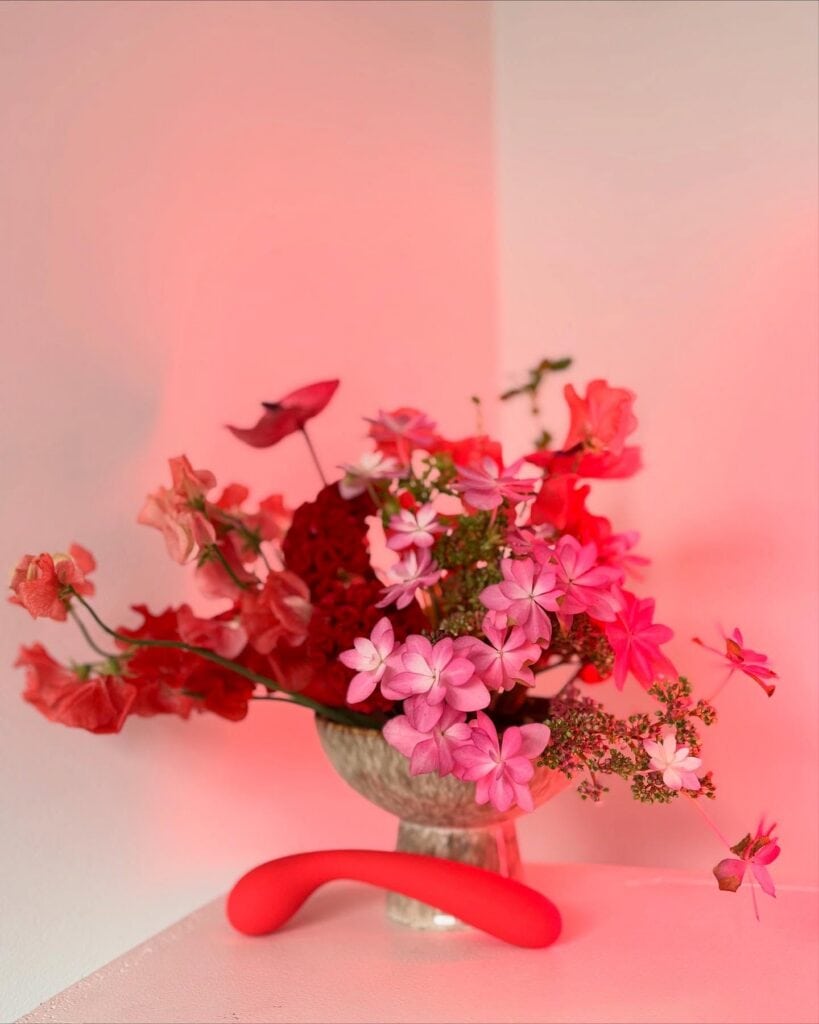
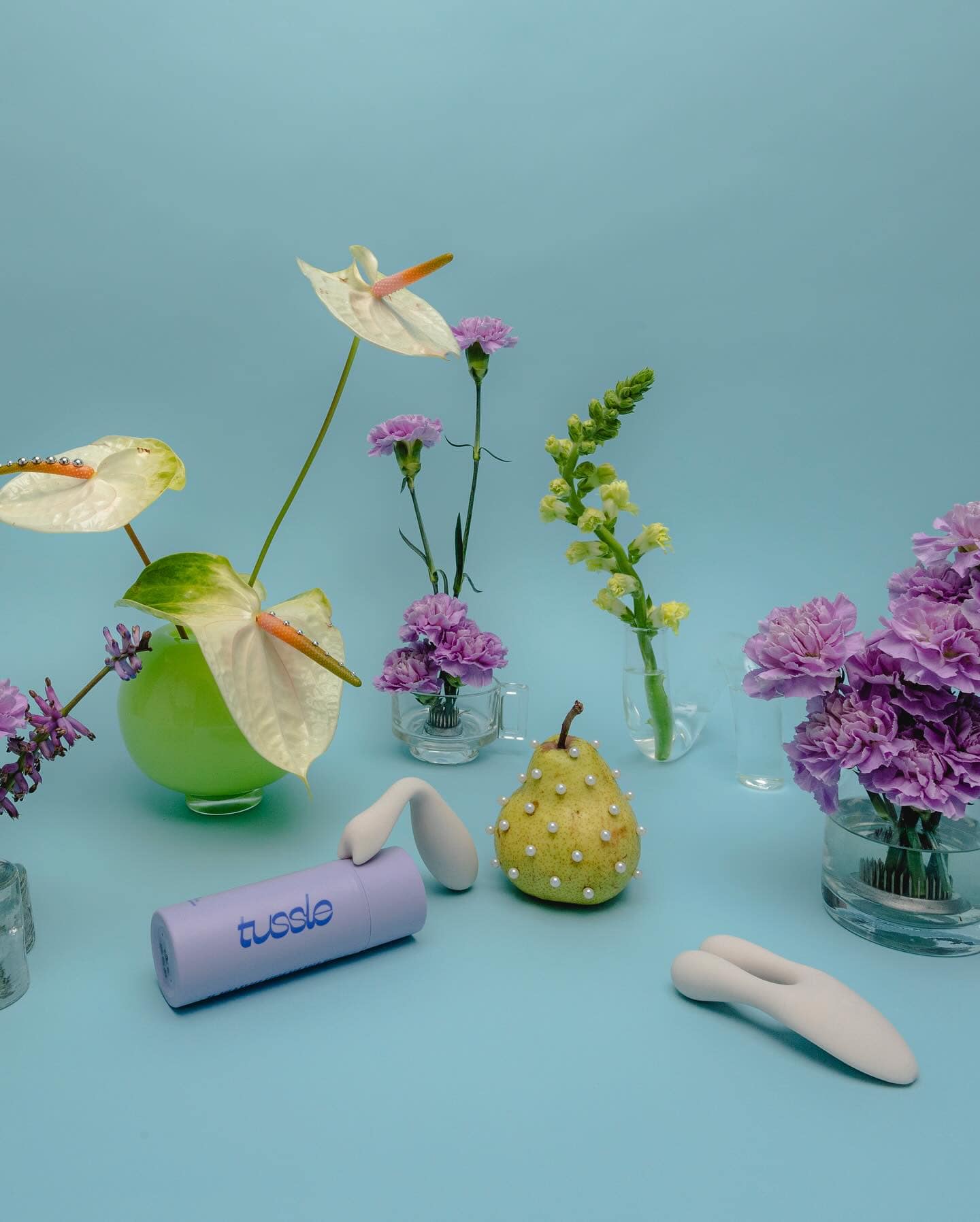
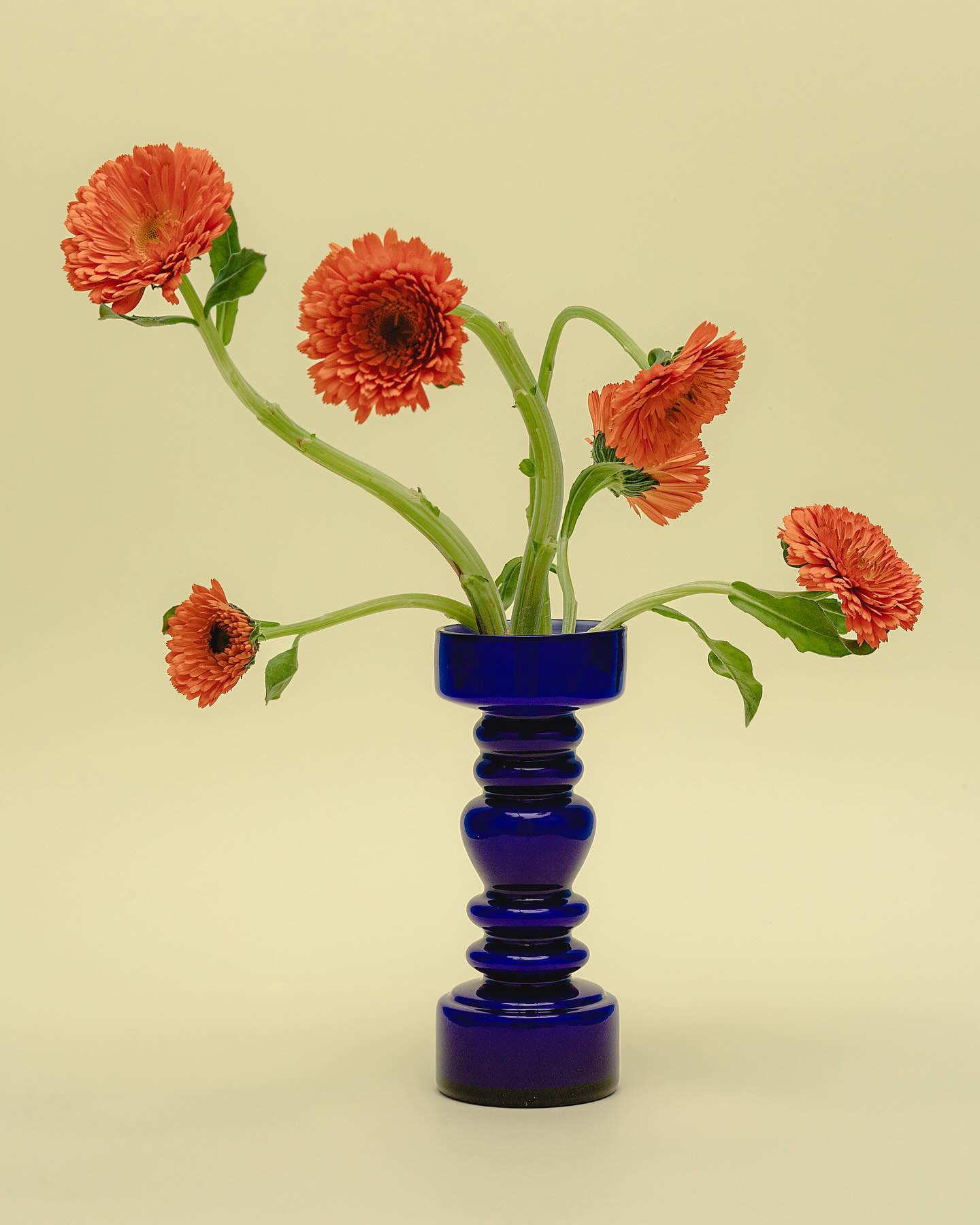
At Margo’s, she talks about pleasure the way she talks about flowers.
“Seasonal,” she says. “Cyclical. Not always in bloom, and that’s okay.”
She recalls a line that stayed with her, from a conversation between Richard Christiansen and Martha Stewart for Flamingo Estate: “It’s okay not to bloom for a while.”

A Floral Studio That Makes Room for Truth
Margo’s began with a simple question, one that reveals Patterson’s instinct for design as emotional language.
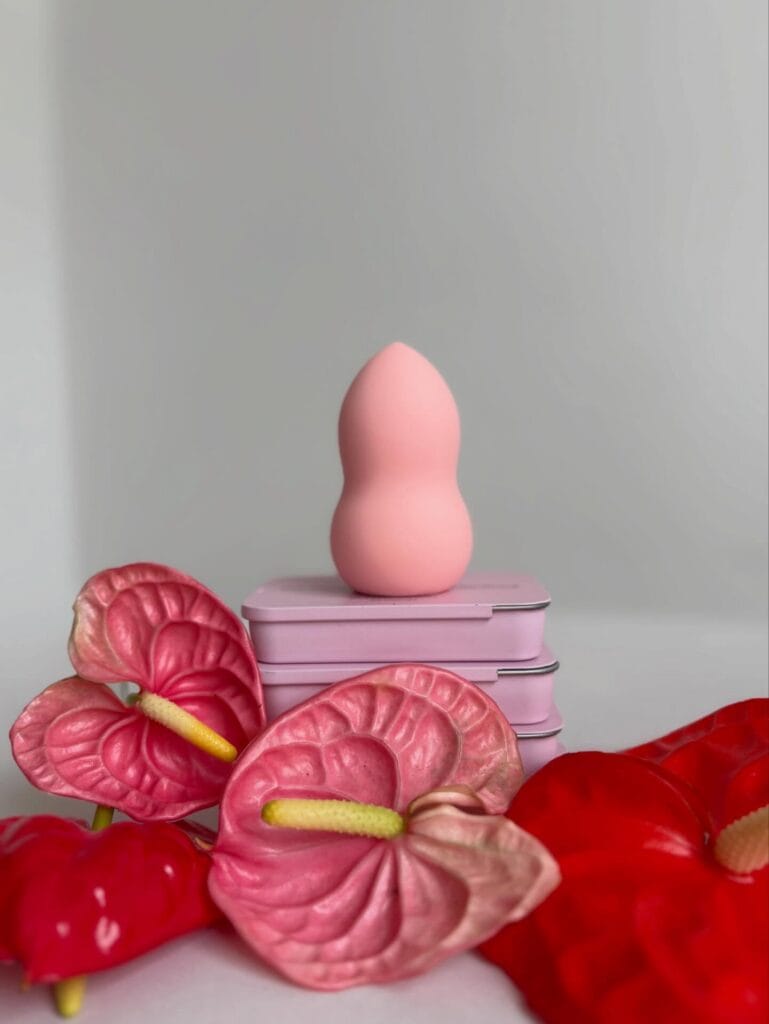
“What if buying lube felt more like buying flowers?”
Sexual wellness, she says, has often lived in two extremes: clinical or sleazy. She wanted something that could hold beauty and honesty in the same room.
“Flowers are one of the oldest symbols of connection,” she says. “We give them when we’re in love, when we’re grieving, when we’re celebrating. They mark moments. Pleasure should feel just as natural.”
When you place pleasure beside flowers, she says, something shifts.
“The shame drops. The conversation opens. It feels safe to explore.”
Walking into a Margo’s space should feel welcoming, sensory, slightly unexpected — lush florals, layered textures, floor seating, a small, curated pleasure edit beside a sculptural bouquet. Clean. Considered. Never overwhelming. The name, too, is intentional: Margo’s rearranged becomes orgasm — pleasure woven into the foundation rather than added for effect.
Sex Is Visible. Intimacy Is Scarce.
Ask Patterson if culture is over-sexualised and under-intimate, and she doesn’t hesitate.
“Absolutely,” she says. “Sex is everywhere. Intimacy is rare.”
“A lot of people still define sex narrowly,” she adds, “even when what they’re craving is broader: touch, closeness, emotional connection.”
“We’re saturated with imagery, but poorly educated in emotional attunement,” she says. “Porn has shaped expectations more than proper sex education ever did.” Then the personal cost: “We’re used to putting our best version online. I do wonder how much of it is really real.”
In that context, her Pleasure Picnics are not escape. They are practice.
Technology Is Accelerating. Bodies Are Cyclical.
“Because they’re already intersecting,” she explains. “Technology is accelerating. Our bodies are cyclical. There’s burnout there.”
AI, she believes, is already reshaping how we relate, from synthetic intimacy to emotional outsourcing, while women navigate hormonal shifts, motherhood, menopause, and reinvention. “With AI on top of that, there’s a lot of identity shedding going on. Finding what serves us and what no longer fits.”
“What excites me is access,” she says. “Education. Reducing shame. The ability for people to explore safely and privately.”
Her concern is not replacement. It is convenience.
“What concerns me isn’t necessarily substitution, it’s convenience. Anything that prioritises convenience risks eroding our humanness.”
Intimacy, she insists, requires imperfection. It requires repair. It requires miscommunication and the willingness to stay.
“If everything becomes polished, optimised and emotionally frictionless, we lose something essential,” she insists. “Imperfection is human. We need to protect that.”
Then the line that sticks.
“Convenience is the antithesis of pleasure.”

An Analogue Room, By Design
Ask what she wants guests to feel in that room and she doesn’t overcomplicate it.
“Perhaps an exhale. A gasp of delight. Both.”
The Pleasure Picnic is Patterson’s answer to overload — not a retreat from culture, but an experiment in presence.
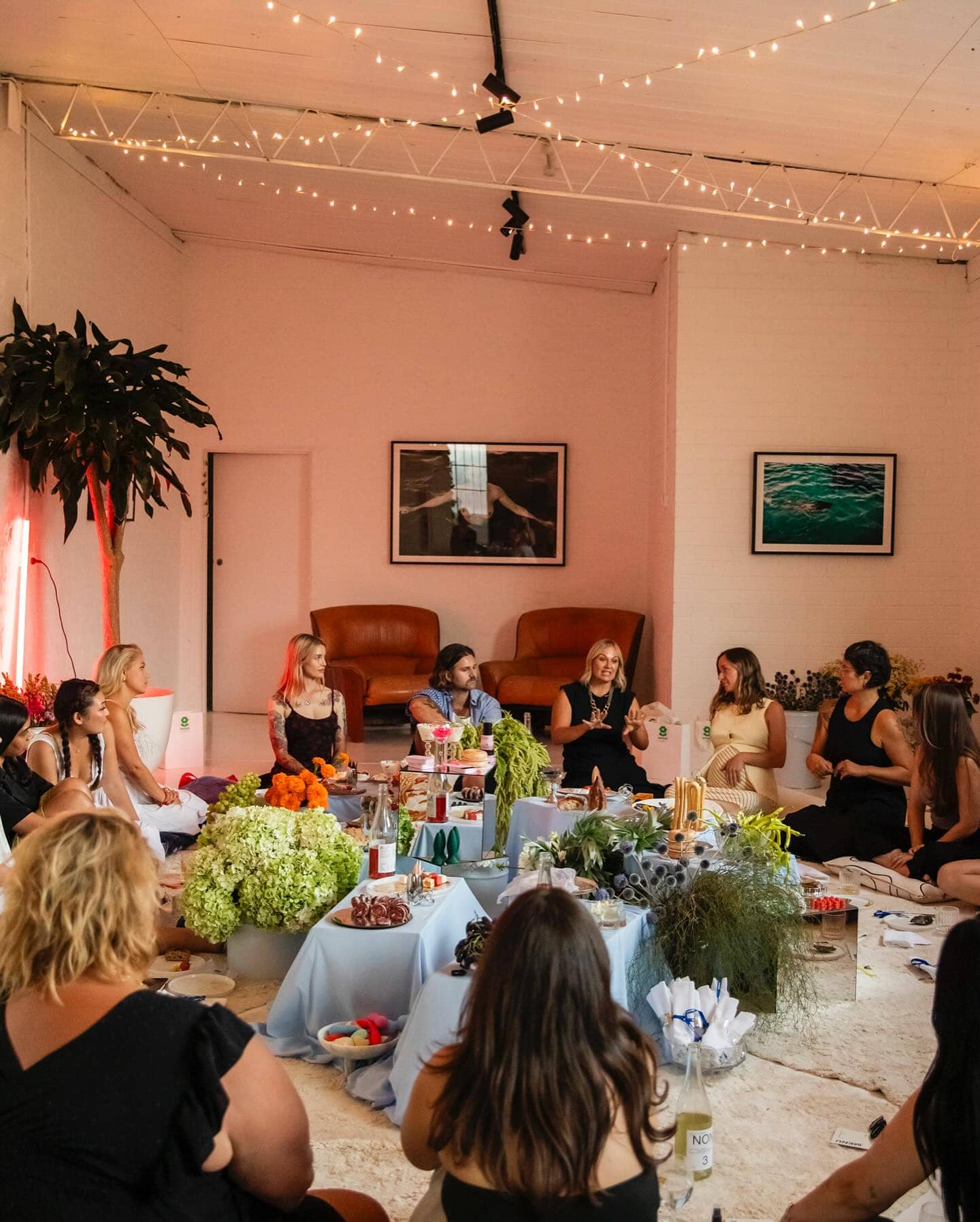
“Shoes off. Phones down. Sitting on the floor together,” she says. “No hierarchy.”
She wants people to remember what happens when gathering isn’t mediated. Less alone. Less behind. More connected.
“The shift is from consumption to participation,” she explains. “You’re not watching the conversation, you’re inside it.”
Much of the sensory layer comes from the creatives she brings into the room. Léonie Bouchet of Racine described her concept for one edition as “soft indulgence, shared desire” — a table abundant but unfussy, inviting hands and closeness. “Nothing performative or heavy. Just enough pleasure to awaken the senses without overstimulation.” The aim, she says, is something that feels like “a conversation pit in edible form.”
The setting follows the same philosophy. Soft Focus House lends light and ease. Patterson describes it simply: it “evokes desire and possibility the moment you walk in.”
She traces the format back to the 1970s conversation pit — architectural intimacy designed to collapse distance. No head of the table. Just proximity.
It isn’t about sitting in a circle sharing trauma. “It’s intelligent, curious, sometimes cheeky conversation in a space designed for closeness. And honestly, it feels cooler.”
What Women Are Asking For Now
Patterson has watched the temperature change.
“There’s less giggling at the mere mention of sex now. More depth. More nuance and maturity to conversations.”
What women are asking for has shifted too. Perimenopause. Long-term desire. Identity changes. Opting out. Boundaries. Confidence beyond youth.
Less, “How do I spice things up?”
More, “How do I feel like myself again?”
Her first Pleasure Picnic, she says, began as an experiment, something she felt more than planned. She wasn’t entirely sure what she wanted it to be. “It just sort of became.”
What surprised her wasn’t the optics, but what happened afterwards.
“The biggest surprise was the friendships that came from that gathering. Real, genuine friendships. I didn’t expect that to be the magic, but it was.”
What she learned is that women don’t only want panels now. Expert opinions can be powerful, but there’s hunger for something else: the chance to contribute, to shape the room, to feel the shift because you are in it.
Having kids has sharpened her nostalgia for analogue life. A sense of mourning that her children won’t get the same unedited childhood she did. “No edits or filters,” she says. “More tactility. More being present in the moment.” A rawness that’s hard to replicate digitally. That, she adds, is the spirit she keeps building into the Picnics.
Not Fixed. Just Less Alone.
If someone leaves still single, still confused, still unsure, Patterson isn’t trying to hand them a transformation narrative.
“That they feel normal,” she says. “Not fixed. Not solved. Just less alone.”
Ideally, she says, they leave more self-aware. More compassionate with themselves. Maybe with a new real-life friend, too.
In a culture that sells certainty, she offers companionship. In a culture that rewards performance, she offers depth.
In 2026, that doesn’t feel soft. It feels necessary.
Back in the warehouse, florals soften at the edges. Glasses half-empty. Shoulders closer than before. No grand revelations. Just women talking, imperfectly, without an audience. No algorithm. No hierarchy. Just depth — and for now, that feels radical. If that kind of room feels necessary right now, there are places across Melbourne and Victoria built on the same principle — wellness hubs and hot springs that favour restoration over spectacle.