Subscribe


 Subscribe
The Best Things to Do in Kyoto: Where to Eat, Drink, Stay & Play
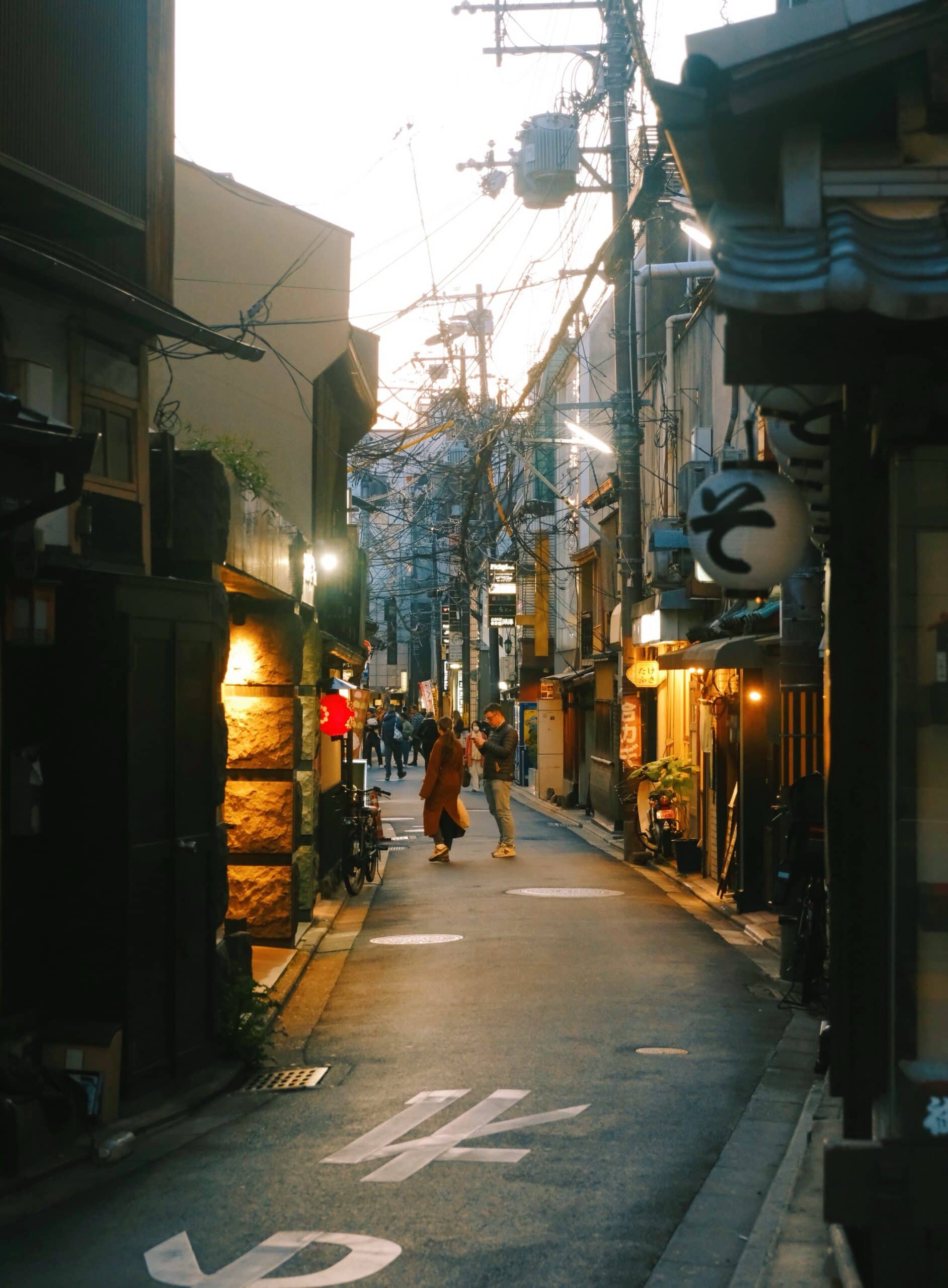
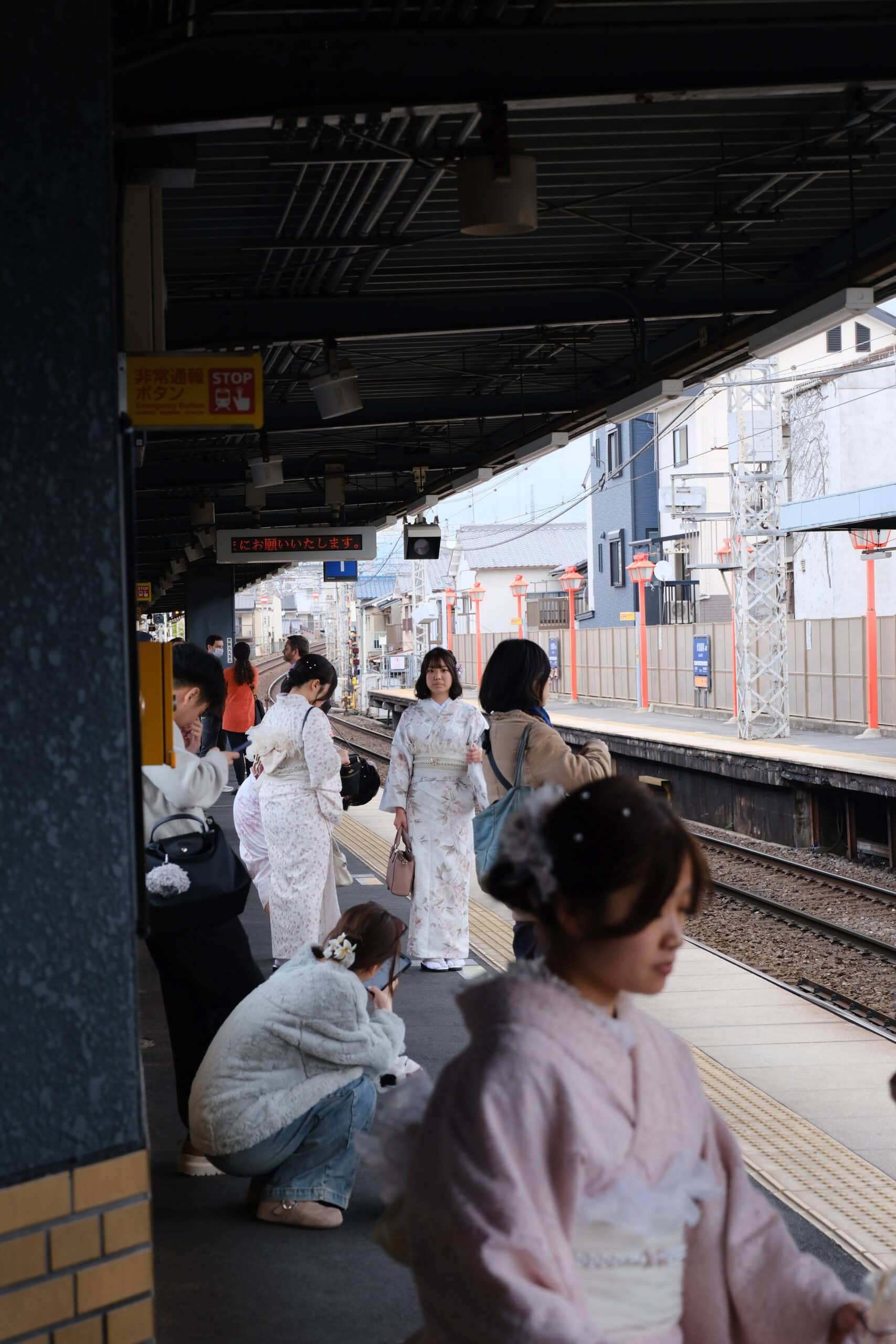
The best things to do in Kyoto include walking the lanes below Kiyomizu-dera, grazing through Nishiki Market, following the Kamo River at dusk and making time for the city’s smaller rewards: matcha sweets, temple gardens, cocktail bars, bakeries and Kyoto rayu furikake, the chilli-oil seasoning you will start plotting ways to bring home.
In This Guide
Kyoto does not introduce itself all at once. It arrives in small, beautiful increments: buskers setting the evening loose, picnickers unpacking dinner by the water, lovers and families shoulder to shoulder, solo readers turning pages as cyclists roll past. By day, the city gathers pace around temple gates, market lanes and the steady ceremonial business of eating well, from skewers and pickles to rice crackers, sweets, spice and the long, delicious business of deciding what to eat next.
Of all the places I visited in Japan on a recent trip with my family, Kyoto was the one I kept thinking about afterwards. Not just for the temples, although finding moments of calm inside the city’s busiest sights is part of its strange magic, but for the discoveries around them: the particular blue of Arashiyama, the bakery we queued for before the day had fully begun, the shio ramen that made every other bowl feel faintly beside the point, the izakaya with sake and whole-fish sashimi, the listening bar that seemed to suspend the room in music, as if the century had slipped slightly out of frame.
I loved it so much that I left a little devastated by everything I could not fit in, which is usually the mark of a city worth returning to. Three nights will give you a beautiful introduction, but Kyoto also feels like a place that could absorb a month of wandering, eating, reading, looking and doubling back.
Consider this your choose-your-own-adventure guide to Kyoto, built for first visits, longer returns and the city’s enduring trick: making every missed turn feel like a reason to come back.
The Best Accommodation in Kyoto
Capella Kyoto
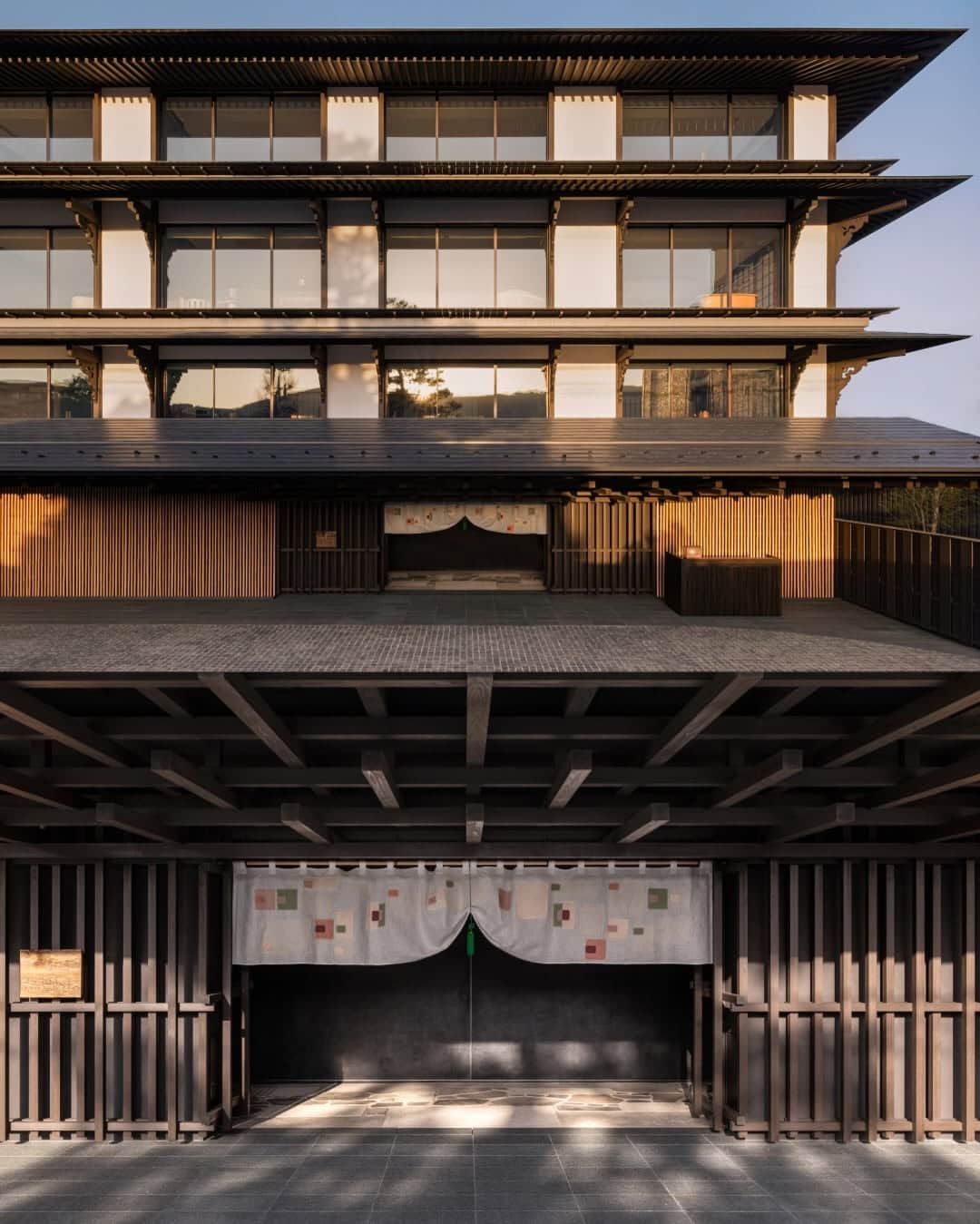
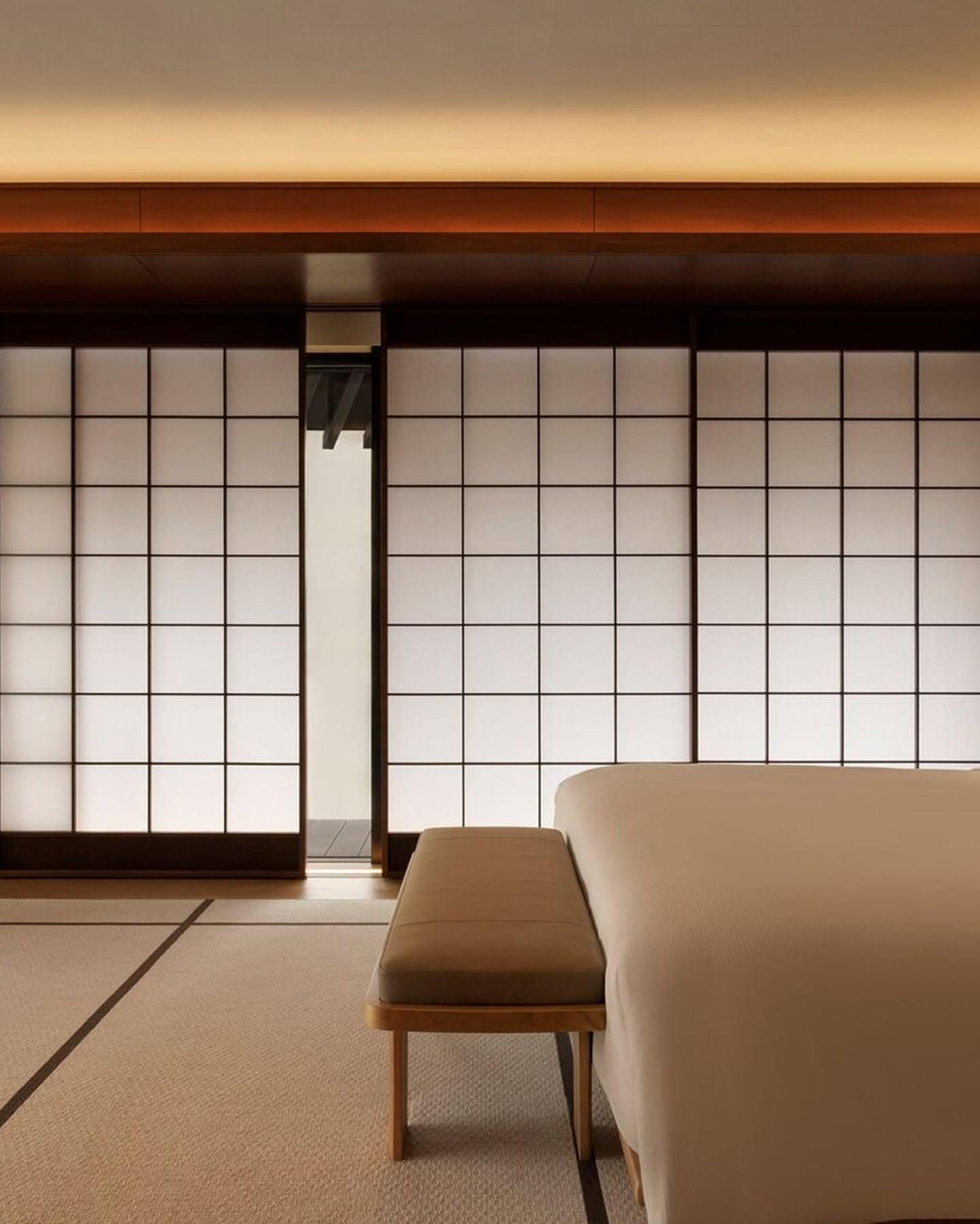
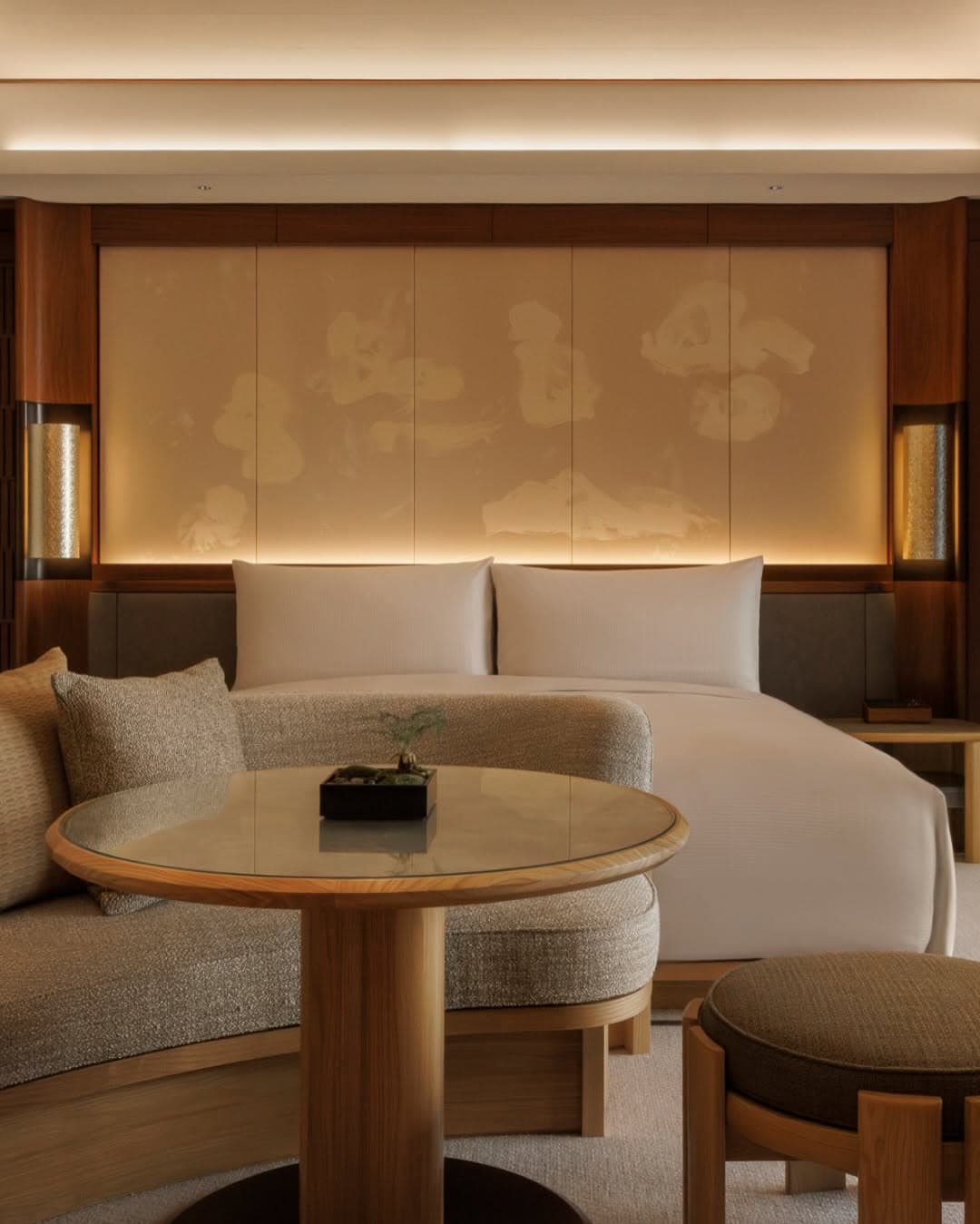
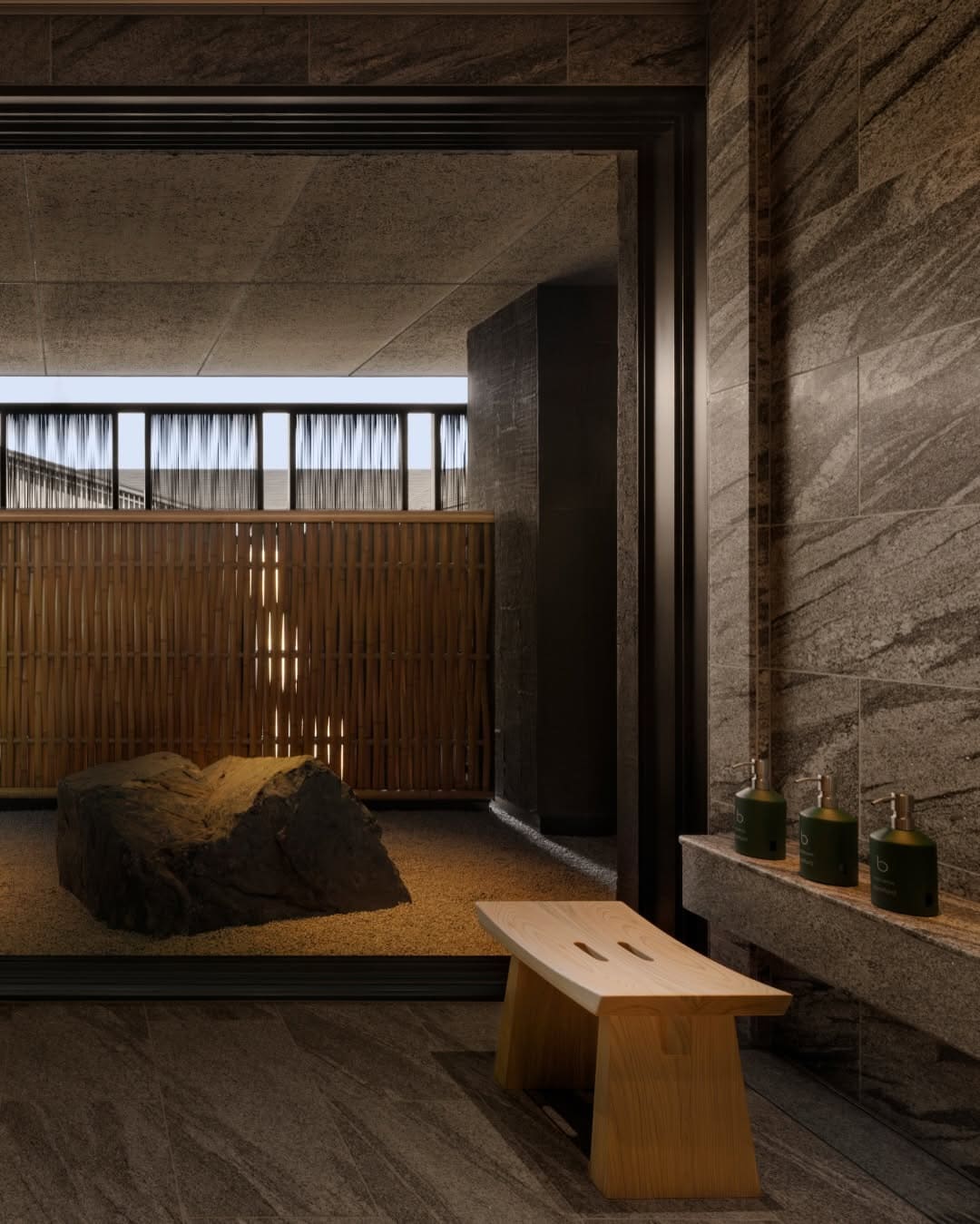
Capella Kyoto is already inside the Kyoto fantasy: newly opened in Miyagawa-chō, the city’s geiko quarter, and carrying itself like a secret passed between lanterns. Designed by Kengo Kuma, the former schoolhouse site becomes 89 rooms of machiya roofs, bamboo lattice, washi screens and cypress baths. Mornings gather in garden light; evenings move from SoNoMa’s seasonal cooking to Auriga Spa rituals, then out into Gion with the city feeling closer, older and entirely yours.
Location: Miyagawa-chō, Higashiyama Ward, Kyoto
Price Guide : $$$
Best For: Couples, Luxury, Design, Food, Special occasion, Honeymoon
Need to Know: Capella Kyoto opened in 2026 in Miyagawa-chō on a former elementary school site, with 89 rooms, architecture by Kengo Kuma & Associates and interiors by Brewin Design Office. SoNoMa, Auriga Spa and the private ofuro suites are all confirmed. Book early for cherry blossom and autumn stays.
MUJI BASE KYOTO kiyomizu
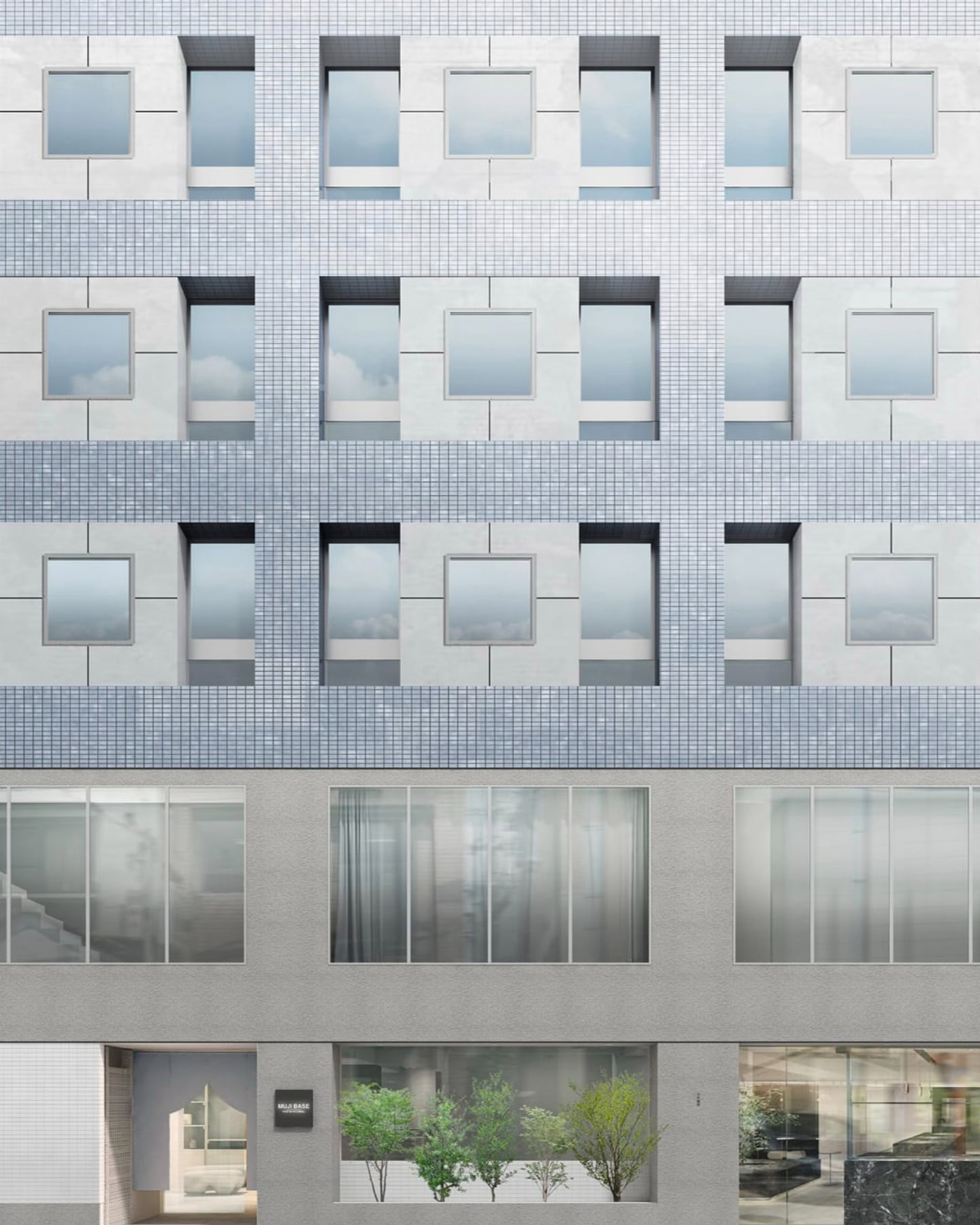
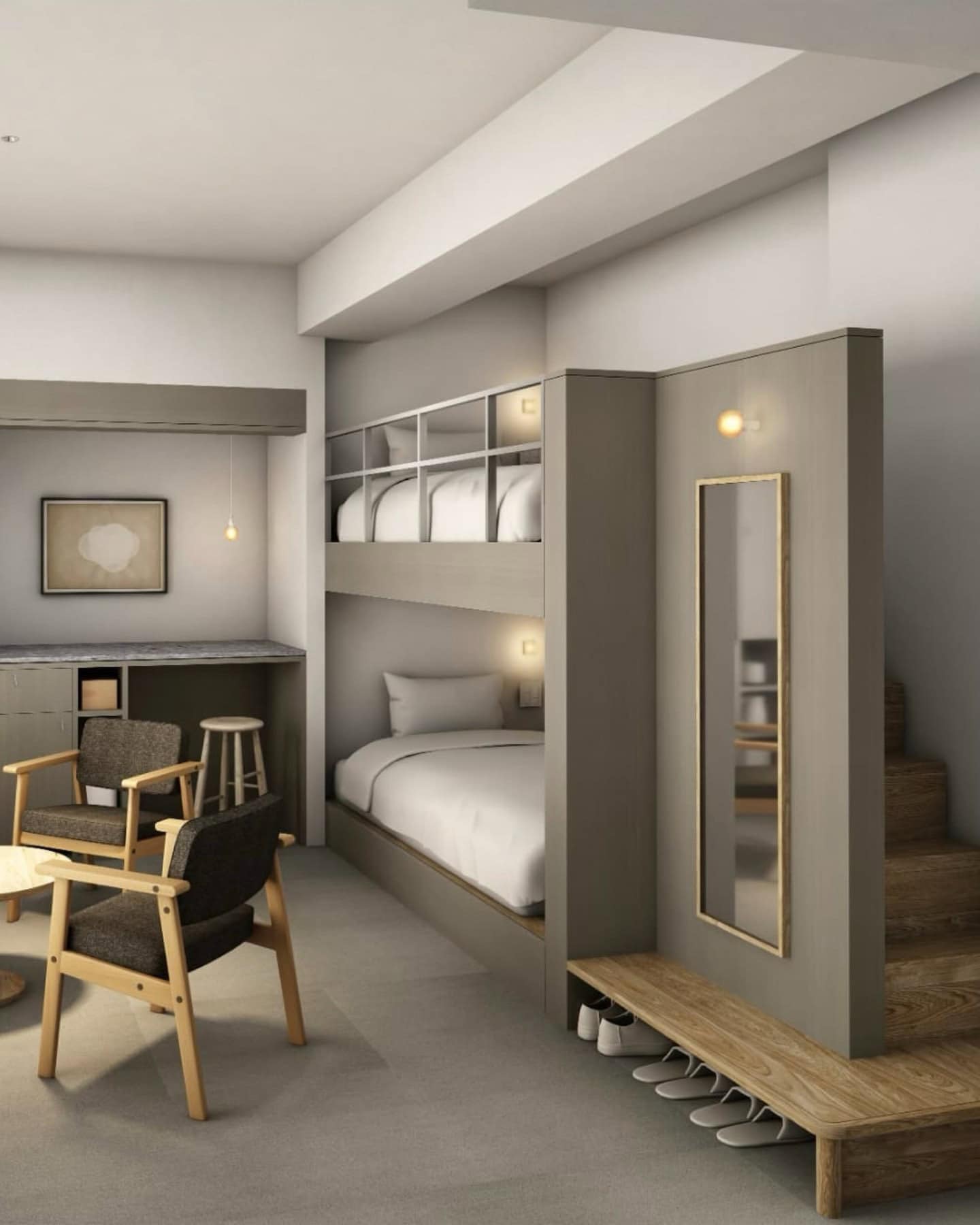
MUJI BASE KYOTO kiyomizu is the rare affordable Kyoto stay with a point of view, and the point of view is: edit your life, then go to the temple. Near the Kiyomizu-dera approach, the 18-room hotel turns a former local inn into a small shrine to pale timber, neat lines, useful objects and MUJI-level calm. Rooms are compact but thoughtful, Ogawa Coffee handles breakfast downstairs, and guest experiences span early temple walks, kintsugi, tofu and tea. Minimalist, practical and far more charming than its price tag suggests.
Location: Kiyomizu, Higashiyama Ward, Kyoto
Price Guide : $-$$
Best For: Design lovers, Couples, Solo travellers, First-timers, Affordable Kyoto
Need to Know: Rooms range from compact doubles to a 53-square-metre family room, with self check-in, MUJI amenities, shared laundry, a guest lounge and Ogawa Coffee breakfast available at an extra cost. The guest-only early morning Kiyomizu walk costs an additional ¥1,500, and there is no parking or shuttle service.
Roku Kyoto
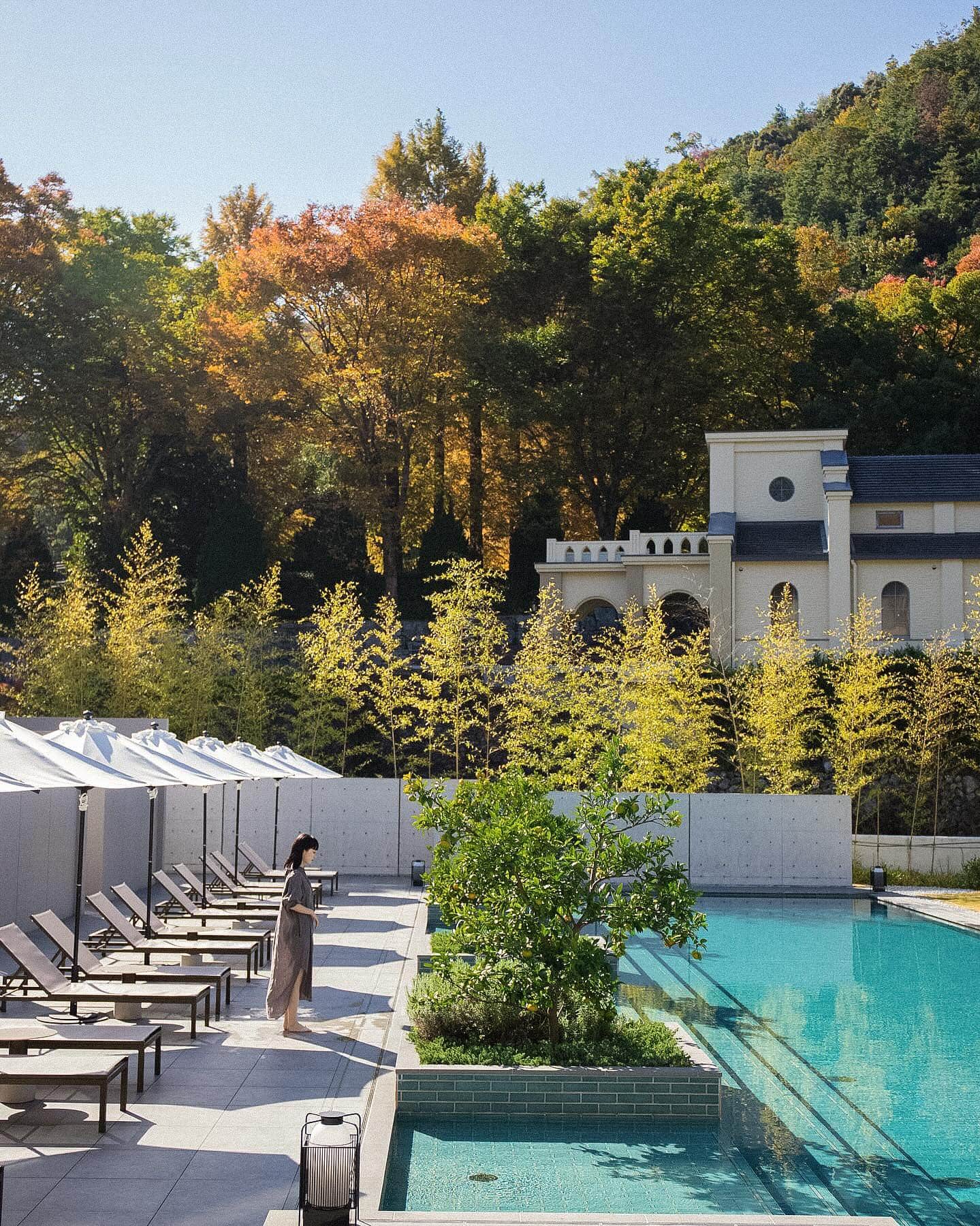
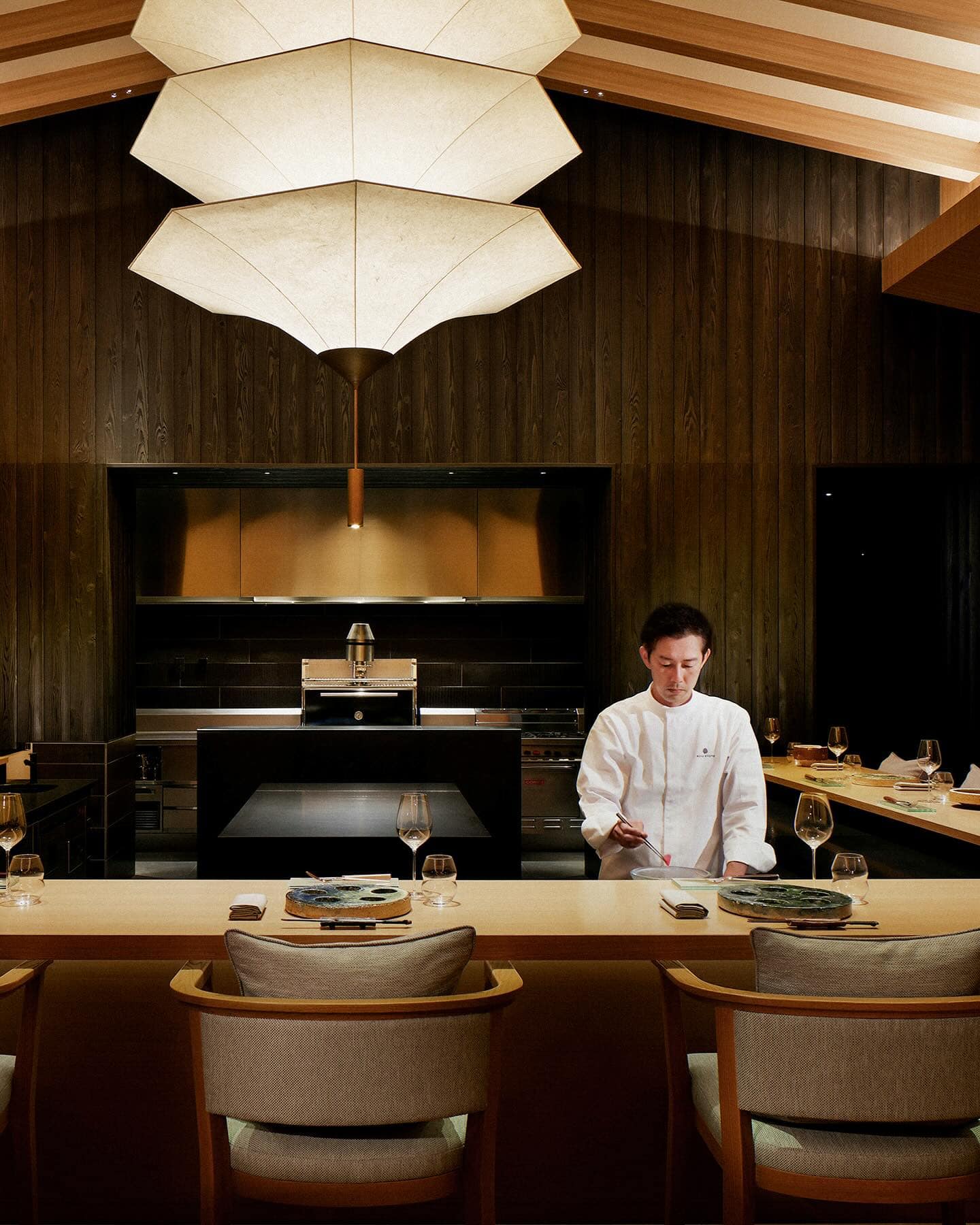
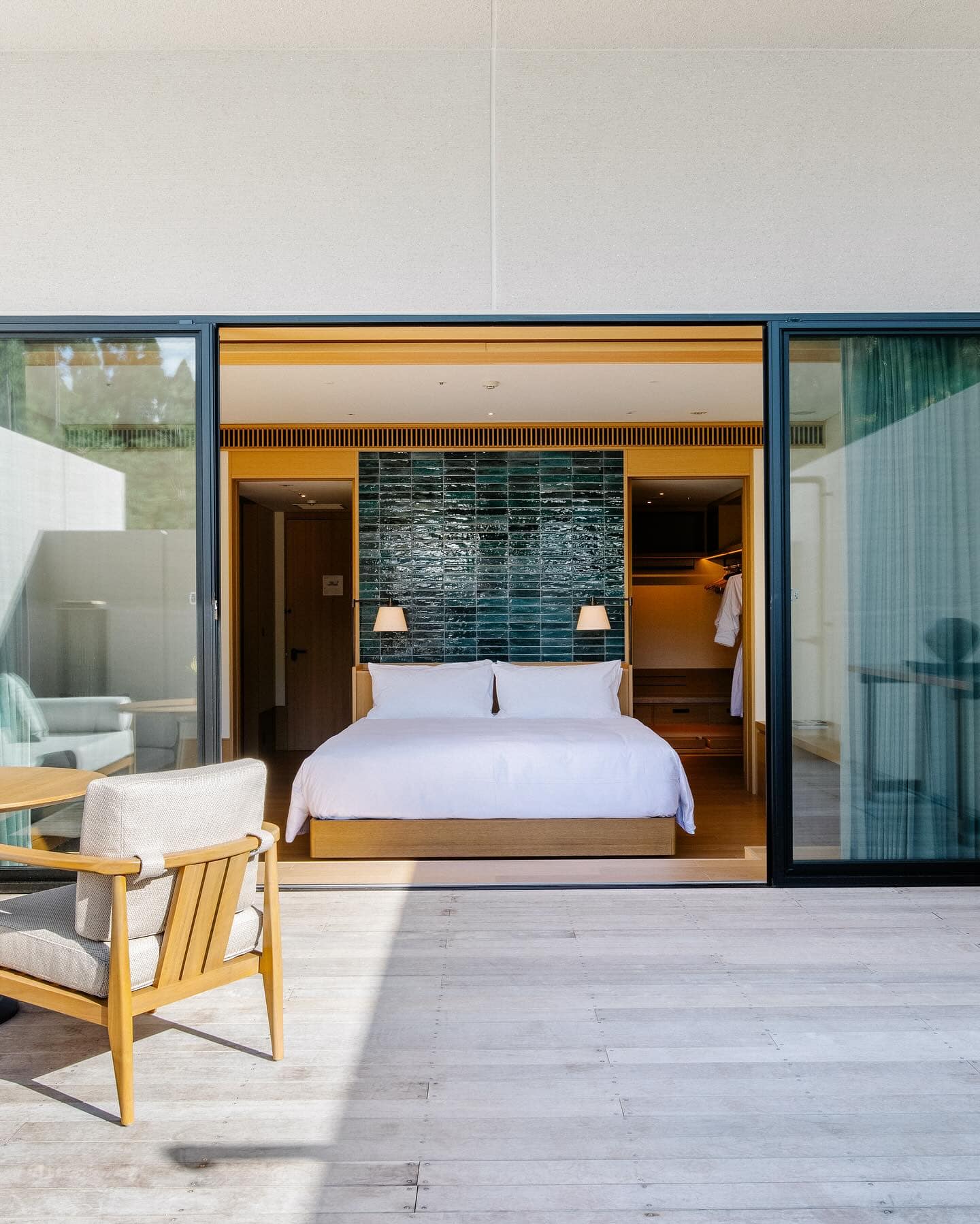
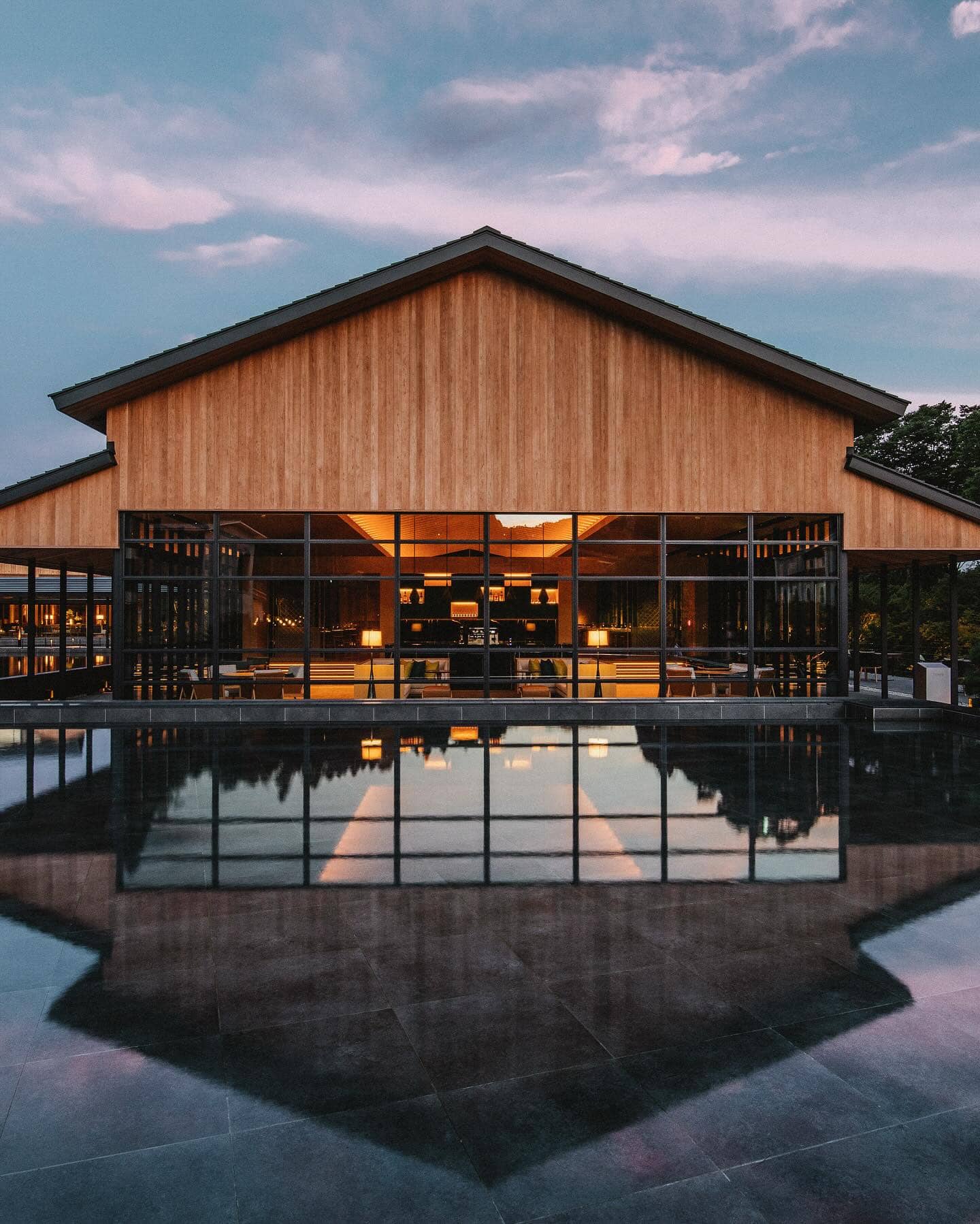
ROKU Kyoto sits in the northern foothills, far enough from the usual temple circuit to make the city feel newly spacious. In Takagamine, near Kinkaku-ji, the LXR hotel turns towards water, timber and mountain air rather than Kyoto’s more crowded rituals. Rooms open to tall windows and careful craft; on-site restaurant TENJIN moves between French technique and local seasonality; The Roku Spa sends guests into an outdoor onsen pool drawn from natural hot spring water. It is Kyoto with space around it, and all the better for the distance.
Location: Takagamine / Kinugasa Kagamiishicho, Kita Ward, Kyoto
Price Guide : $$$
Best For: Couples, Luxury, Wellness, Design, Special occasion, Kinkaku-ji access
Need to Know: The outdoor natural onsen thermal pool is the major draw, using hot spring water from the adjacent Shozan Resort Kyoto grounds and open year-round with 60-minute reservations. Kinkaku-ji is 1.2km away, but Kyoto Station is about 30 minutes by taxi, so this is better for a resort-style north Kyoto stay than a walk-everywhere city base.
Six Senses Kyoto
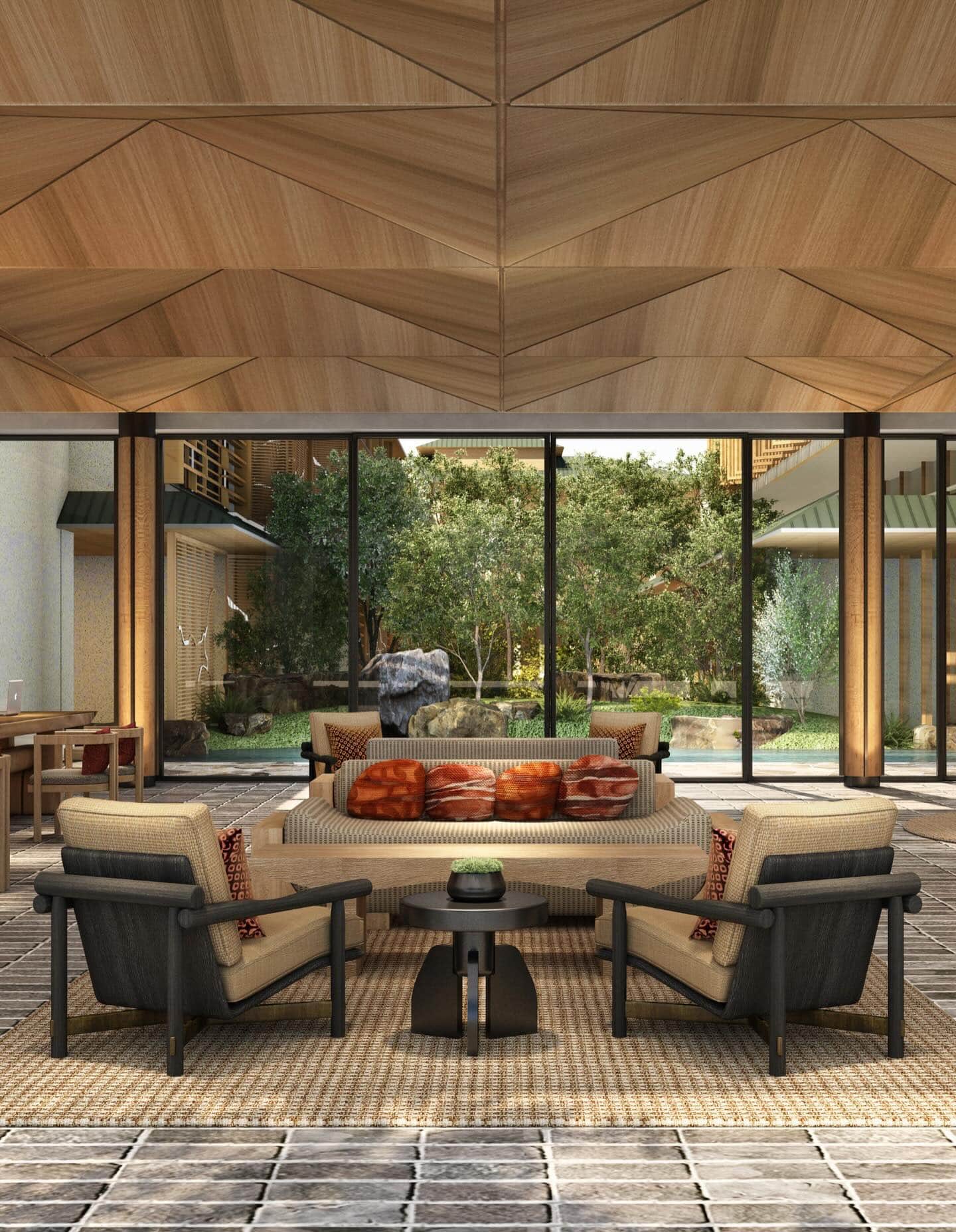
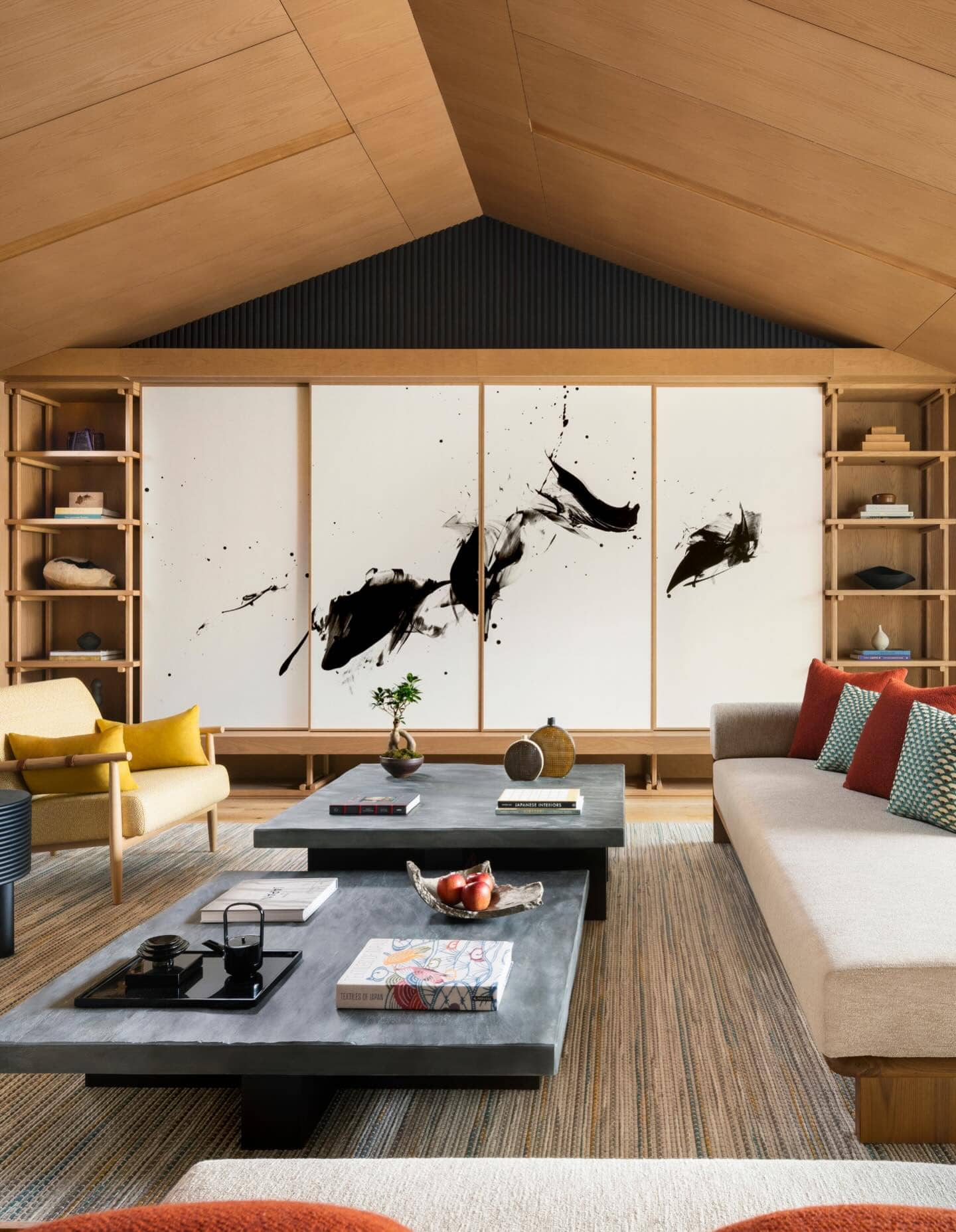
Six Senses Kyoto slips into Higashiyama with the hush of moss after rain, a sensorial retreat shaped by temple gardens, old myths and the slow intelligence of the seasons. Its 81 rooms borrow from the Heian period, all pale timber, washi, bamboo and playful Kyoto folklore, while the courtyard slows the city to water and stone. Sekki follows the microseasons, Nine Tails pours deep into the night, and the spa turns jet lag into something close to rebirth.
Book your stay with Booking.com
Location: Higashiyama Ward, Kyoto
Price Guide : $$$
Best For: Wellness, Couples, Luxury, Design, Food, Special occasion
Need to Know: Six Senses Kyoto has 81 rooms and suites in Higashiyama, with interiors by Blink Design Group, all-day dining at Sekki, cocktails at Nine Tails and a serious wellness offering across its spa, pool, Biohack Recovery Lounge, Tea Lounge and daily movement program.
Ace Hotel Kyoto
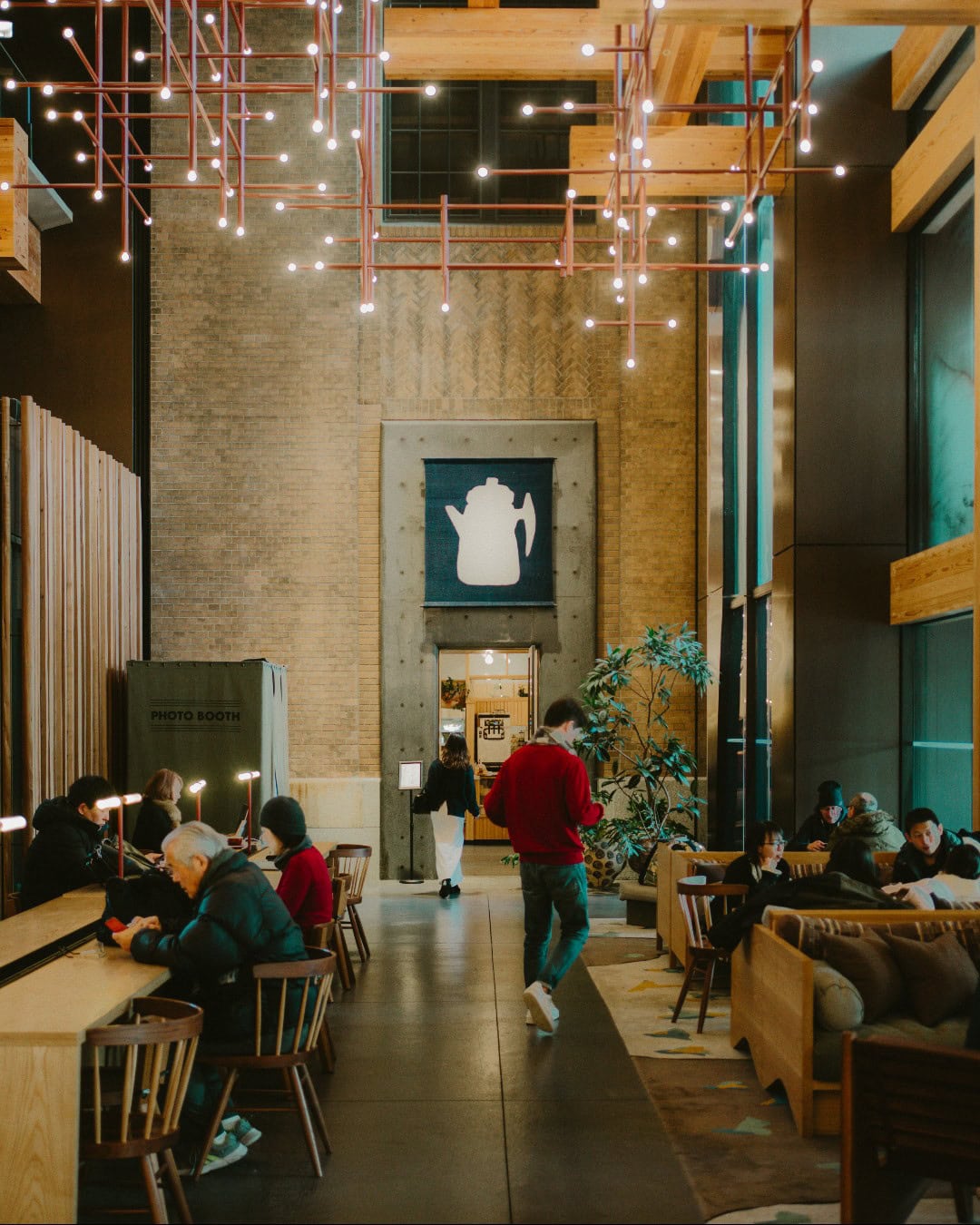
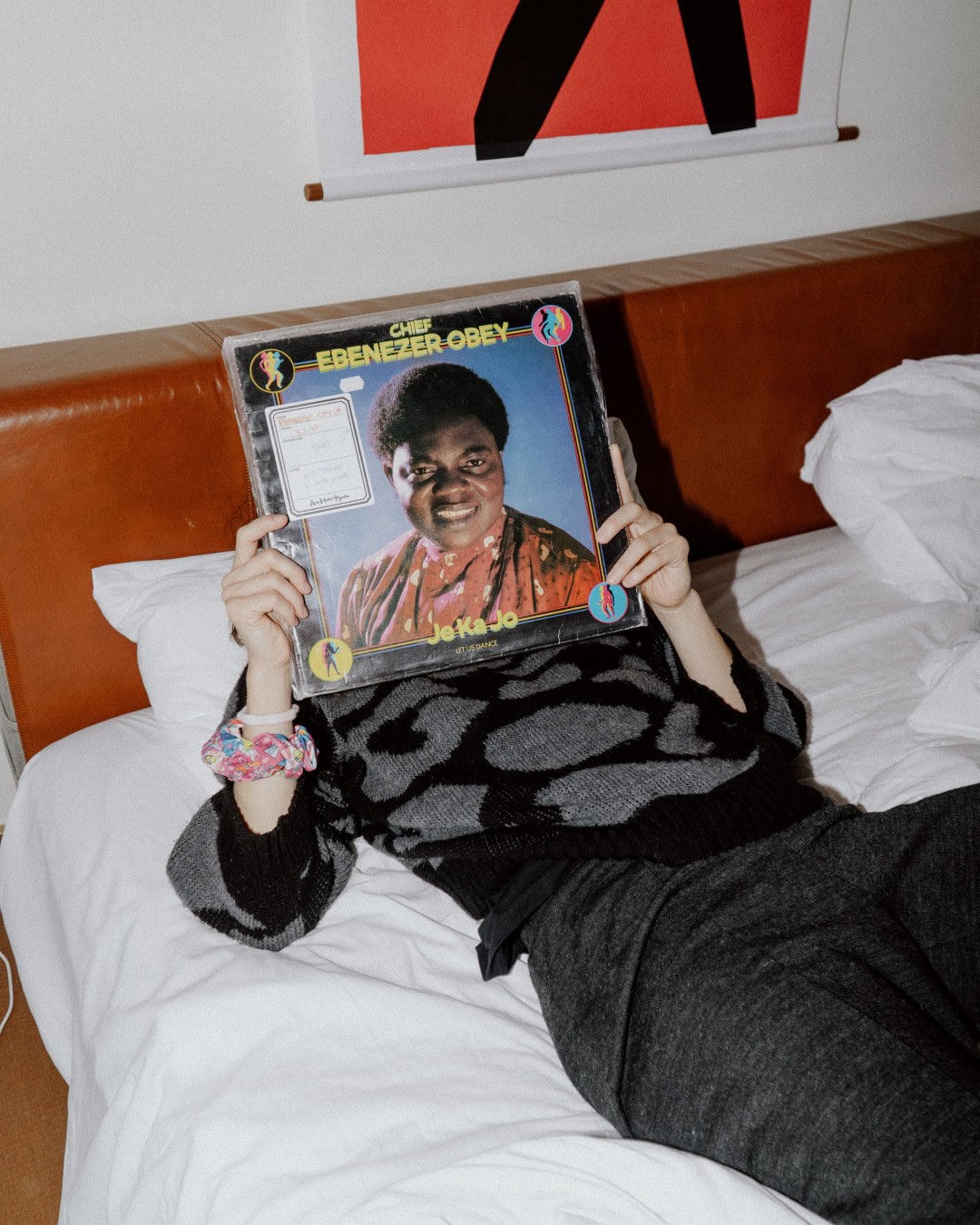
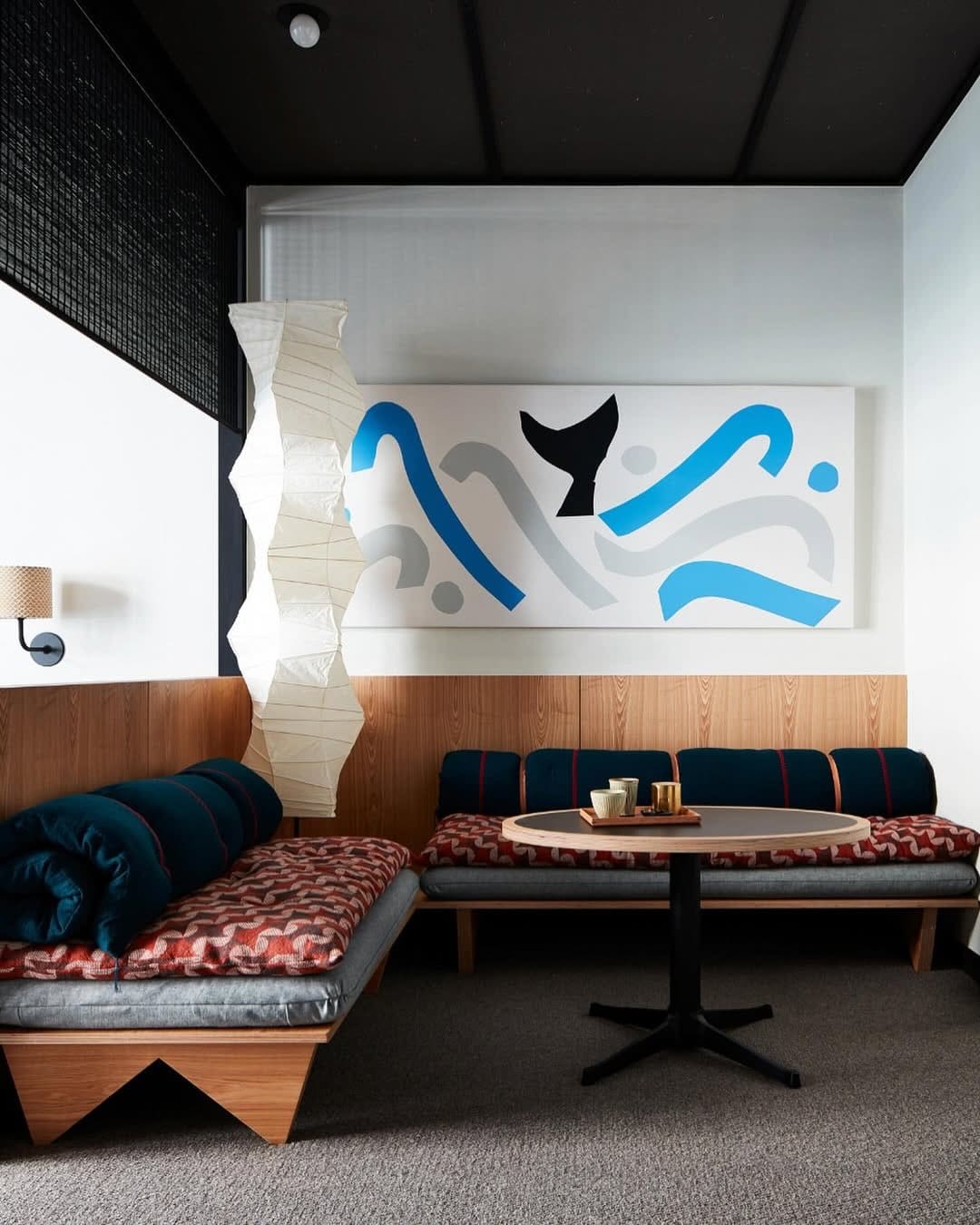
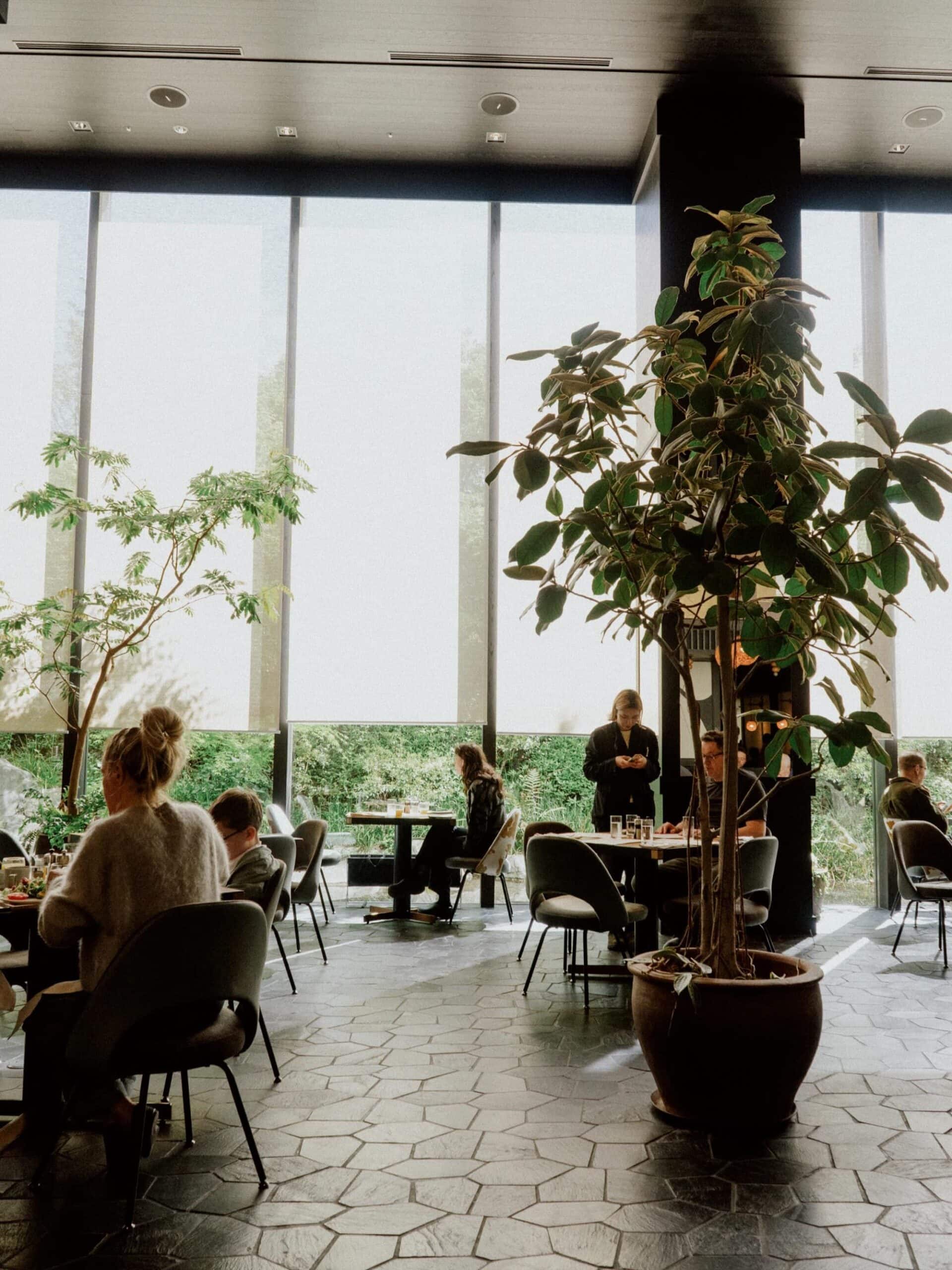
Ace Hotel Kyoto is the city with its sleeves rolled up: design-literate, art-struck and awake past temple hours. Set inside the former 1926 Kyoto Central Telephone Office, reimagined by Kengo Kuma and Commune Design, it turns brick, timber, washi lanterns, turntables and Samiro Yunoki artworks into a stay with real cultural voltage. By day, you can chase shrines, markets and matcha; by night, return to Stumptown, PIOPIKO, the courtyard and a room that feels less like a hotel than a very good reason to keep exploring downtown Kyoto.
Book your stay with Booking.com
Location: Nakagyo Ward, Kyoto
Price Guide : $$–$$$
Best For: Design lovers, Solo travellers, Couples, City stays, Food, Coffee
Need to Know: Ace Hotel Kyoto sits inside the Shin-Puh-Kan complex on Karasuma Street, incorporating the former 1926 Kyoto Central Telephone Office. It has 213 rooms, architecture by Kengo Kuma, interiors by Commune Design and a food-and-drink line-up that includes PIOPIKO and Mr. Maurice’s Italian.
Hoshinoya Kyoto
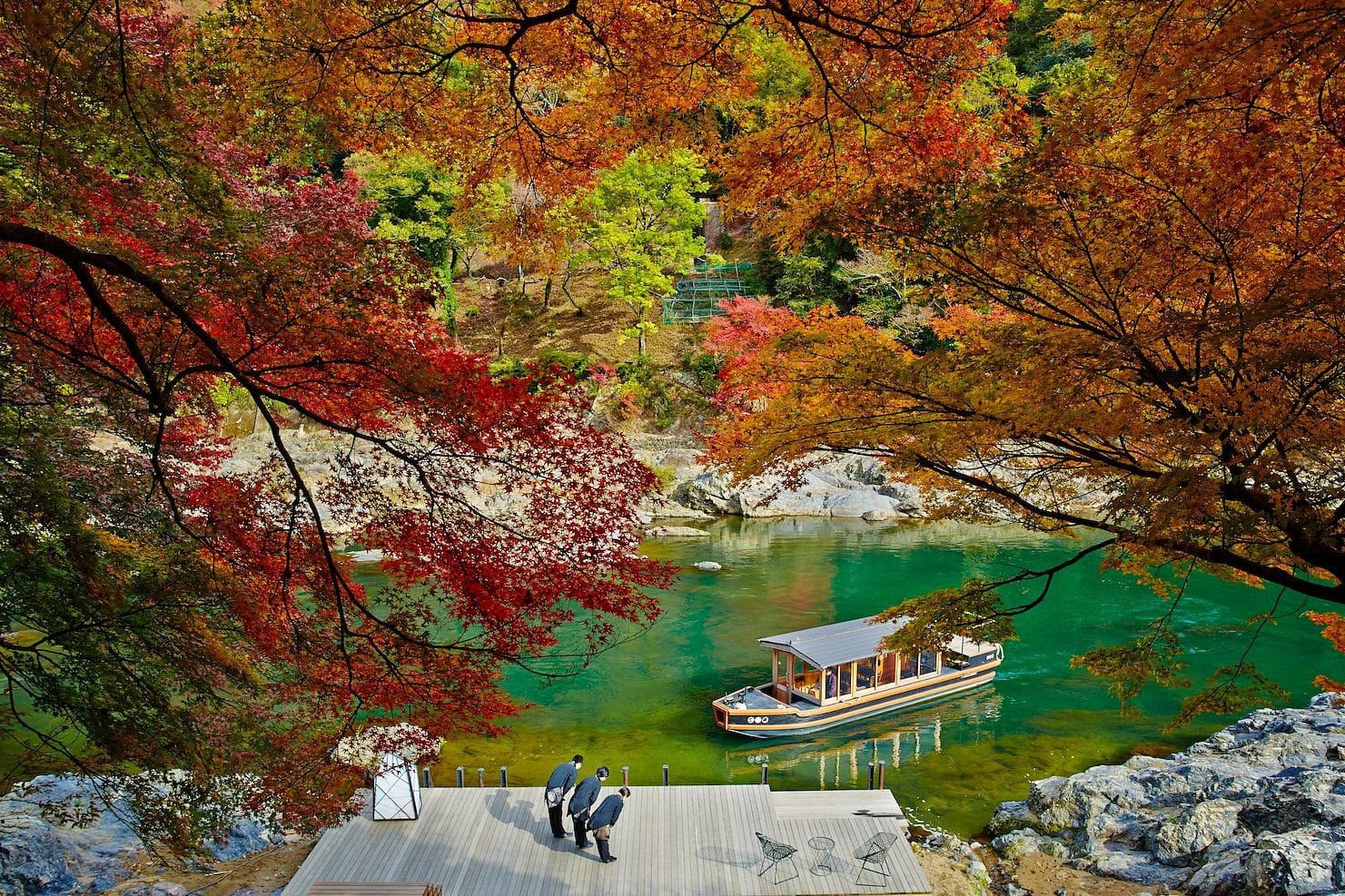
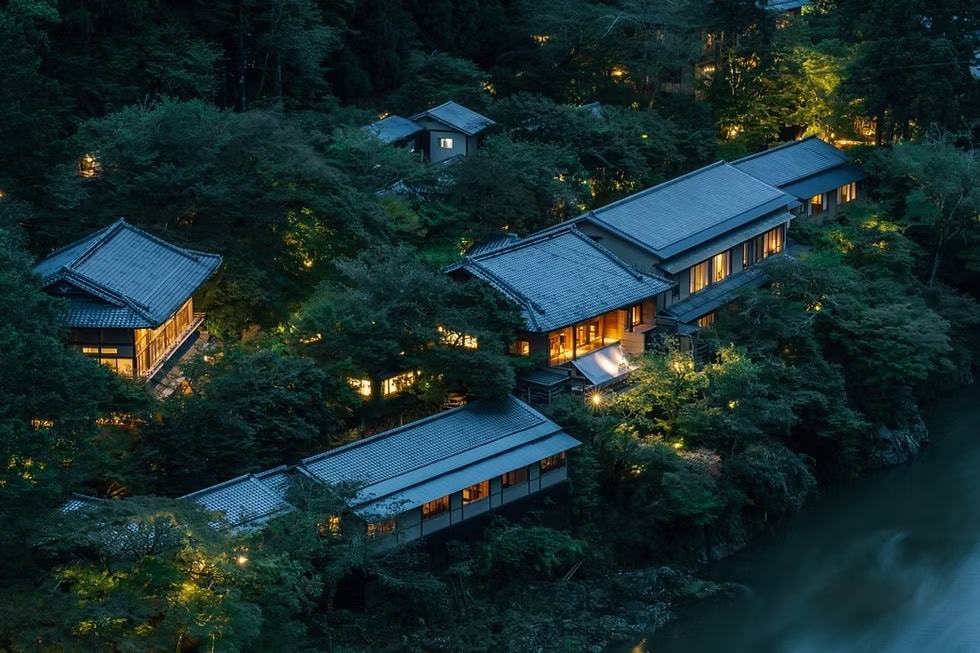
Hoshinoya Kyoto begins before check-in, with a private boat carrying you upriver along the Oi River, past Arashiyama’s trees and temple-world distance. The 25-room ryokan sits on the bank like a secret you have been allowed into: tatami underfoot, lantern-lit paths, handcrafted details, cypress baths and windows filled with maple, water and mountain. Seasonal kaiseki gives the stay its pulse; mornings ask for bare feet and slower speech. Kyoto feels far away, then deeper than ever.
Location: Arashiyama, Nishikyo Ward, Kyoto
Price Guide : $$$
Best For: Couples, Luxury, Ryokan, Nature, Special occasion, Honeymoon
Need to Know: Hoshinoya Kyoto is reached by scenic boat and sits along the Oi River in Arashiyama. It has 25 pavilions/rooms facing the river, with tatami, shoji screens, heated floors and a more flexible dining model than many ryokan, where meals can be purchased separately.
The Best Restaurants in Kyoto
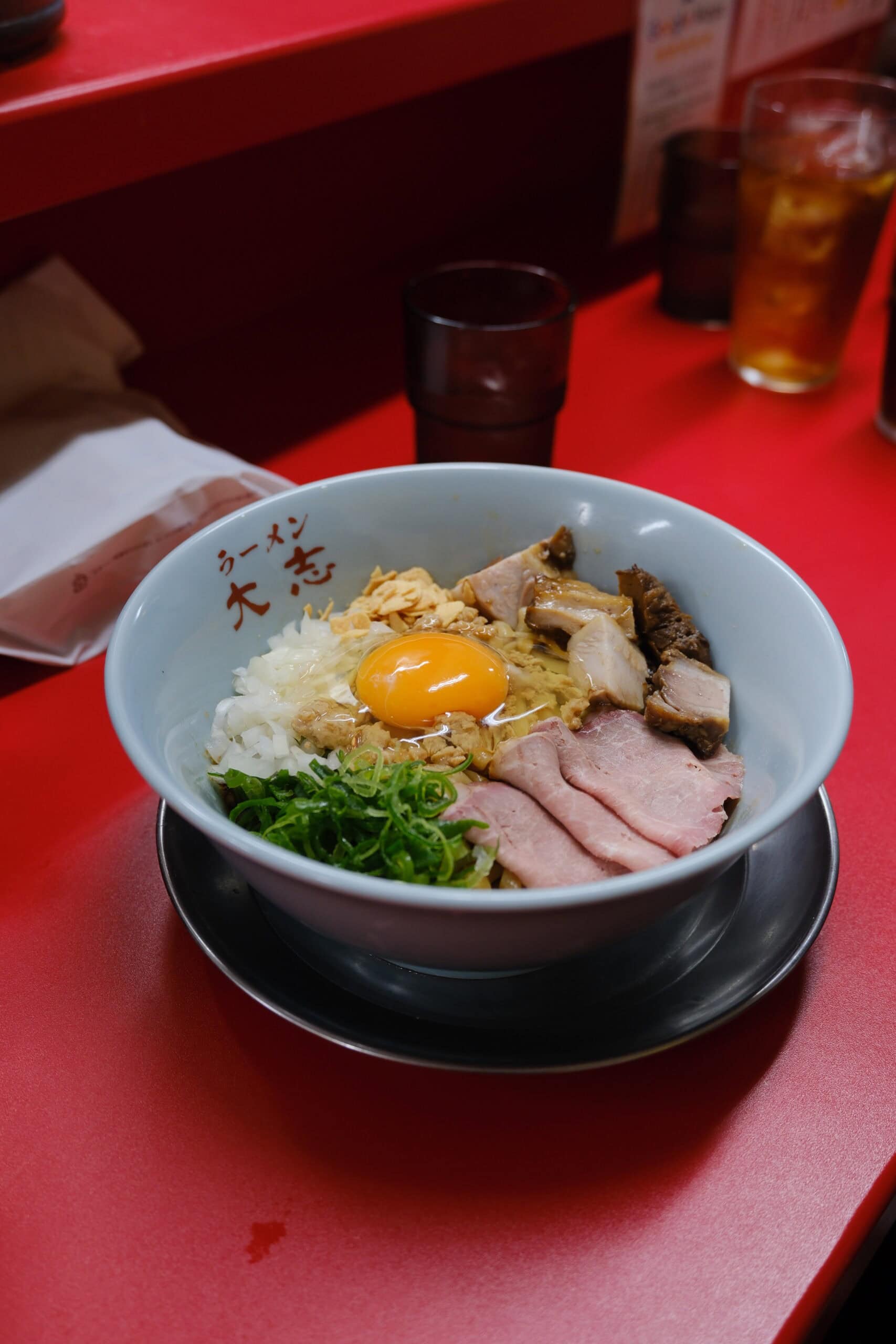
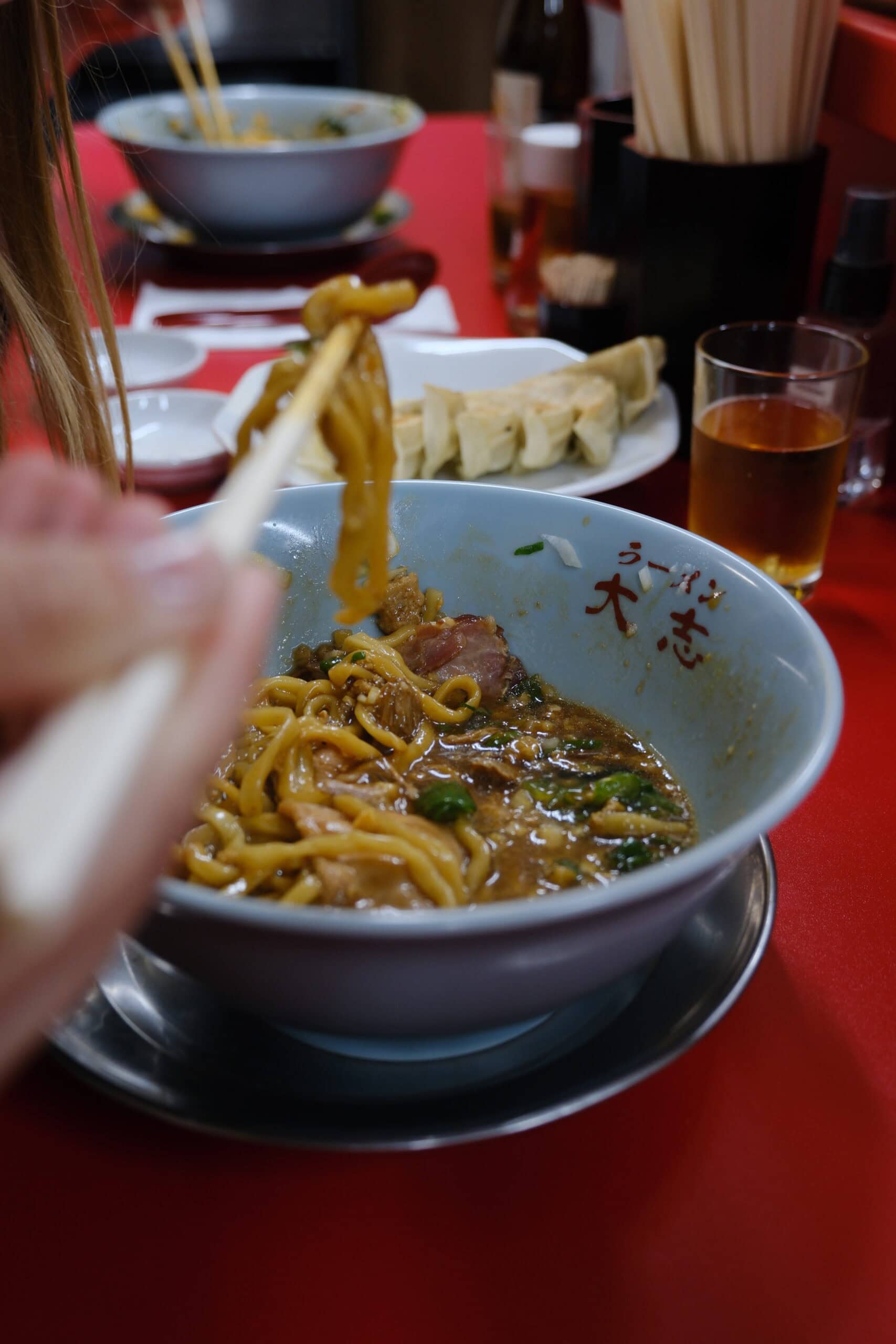
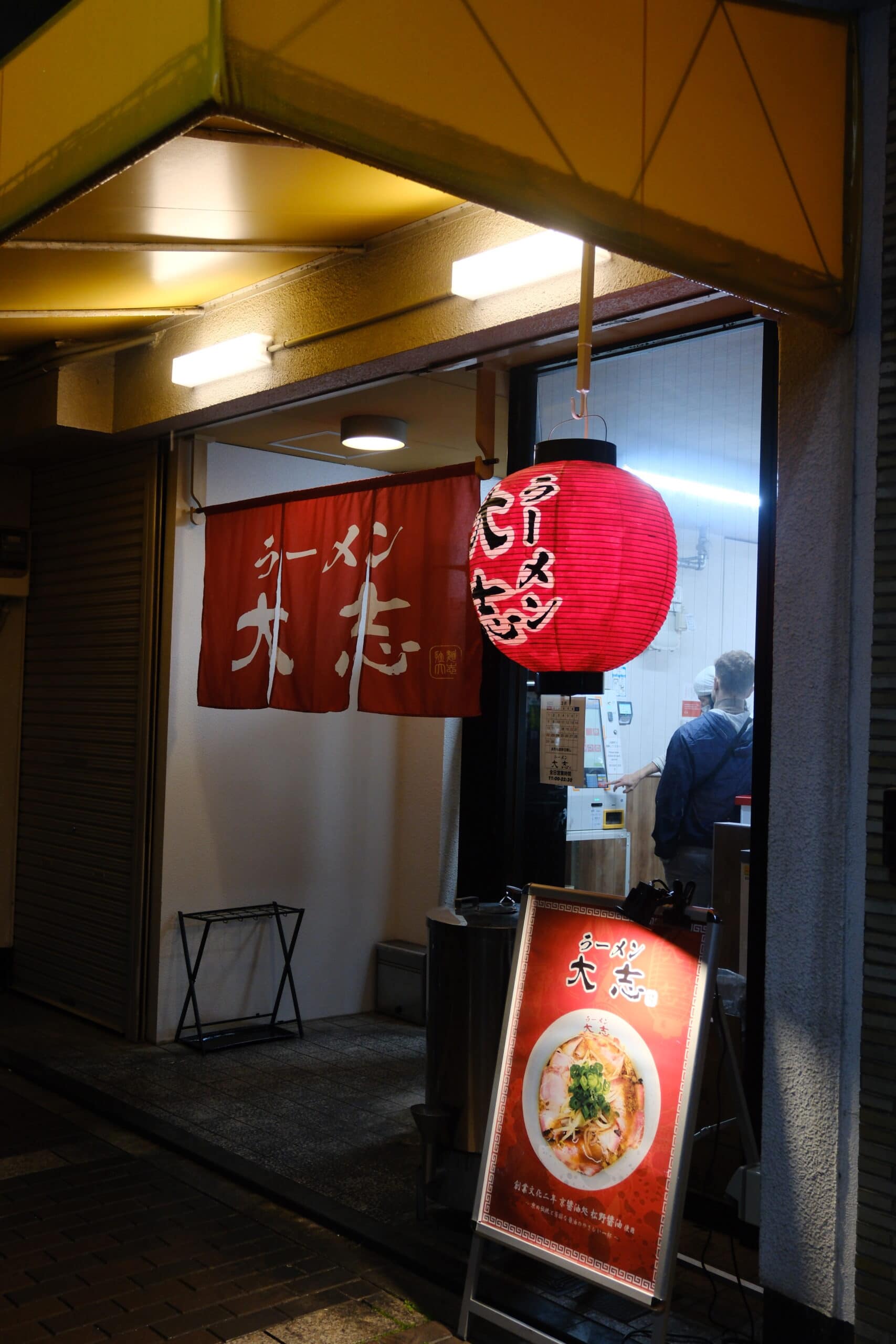
ラーメン大志 / Ramen Taishi
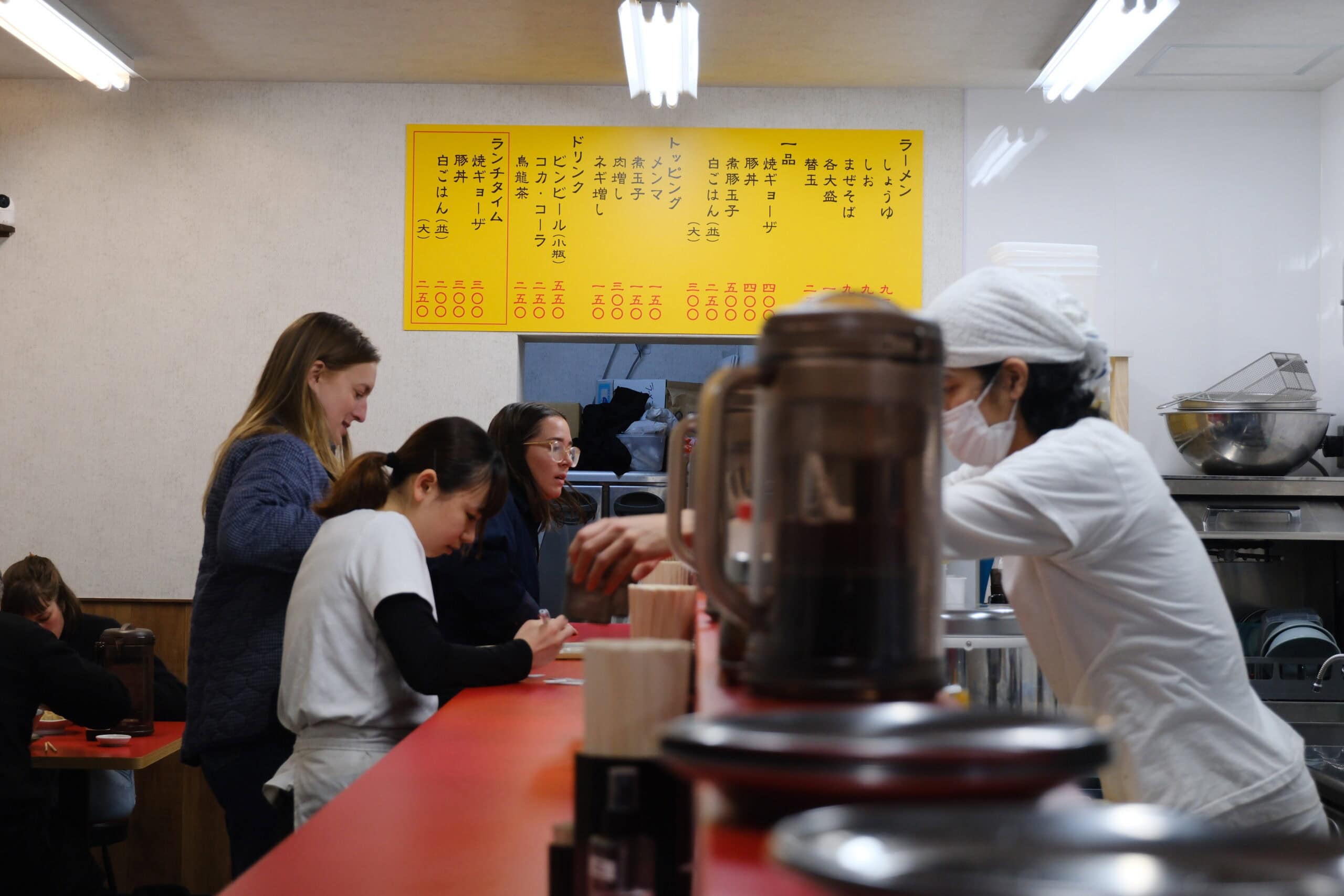
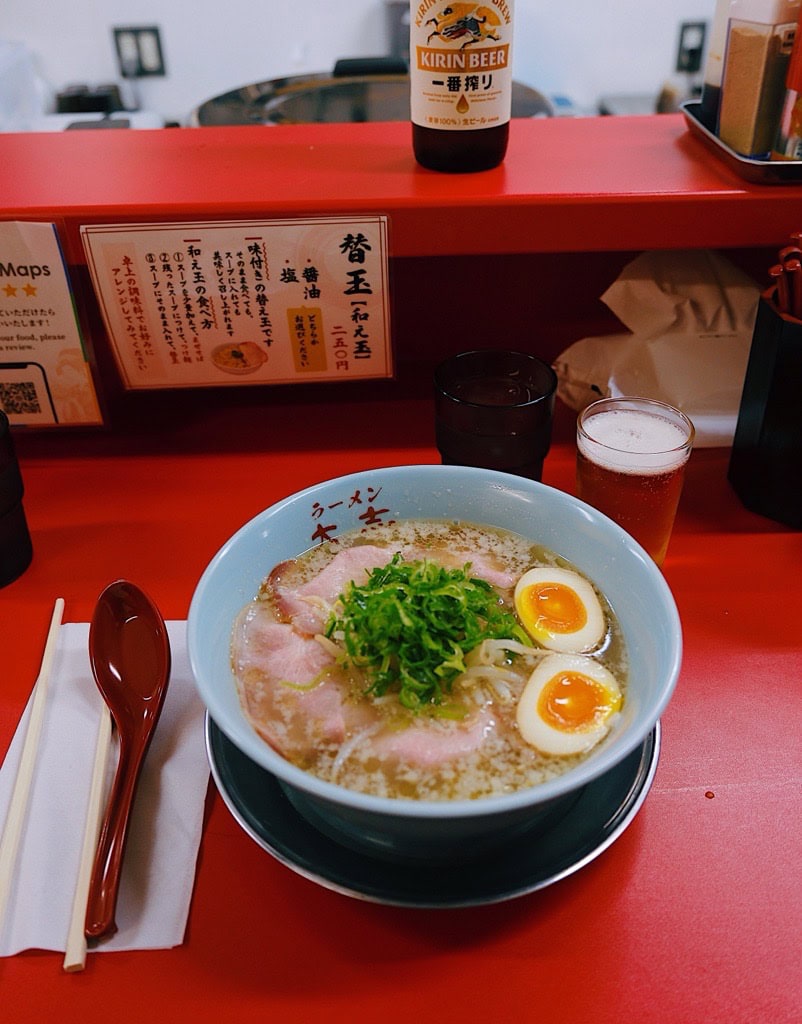
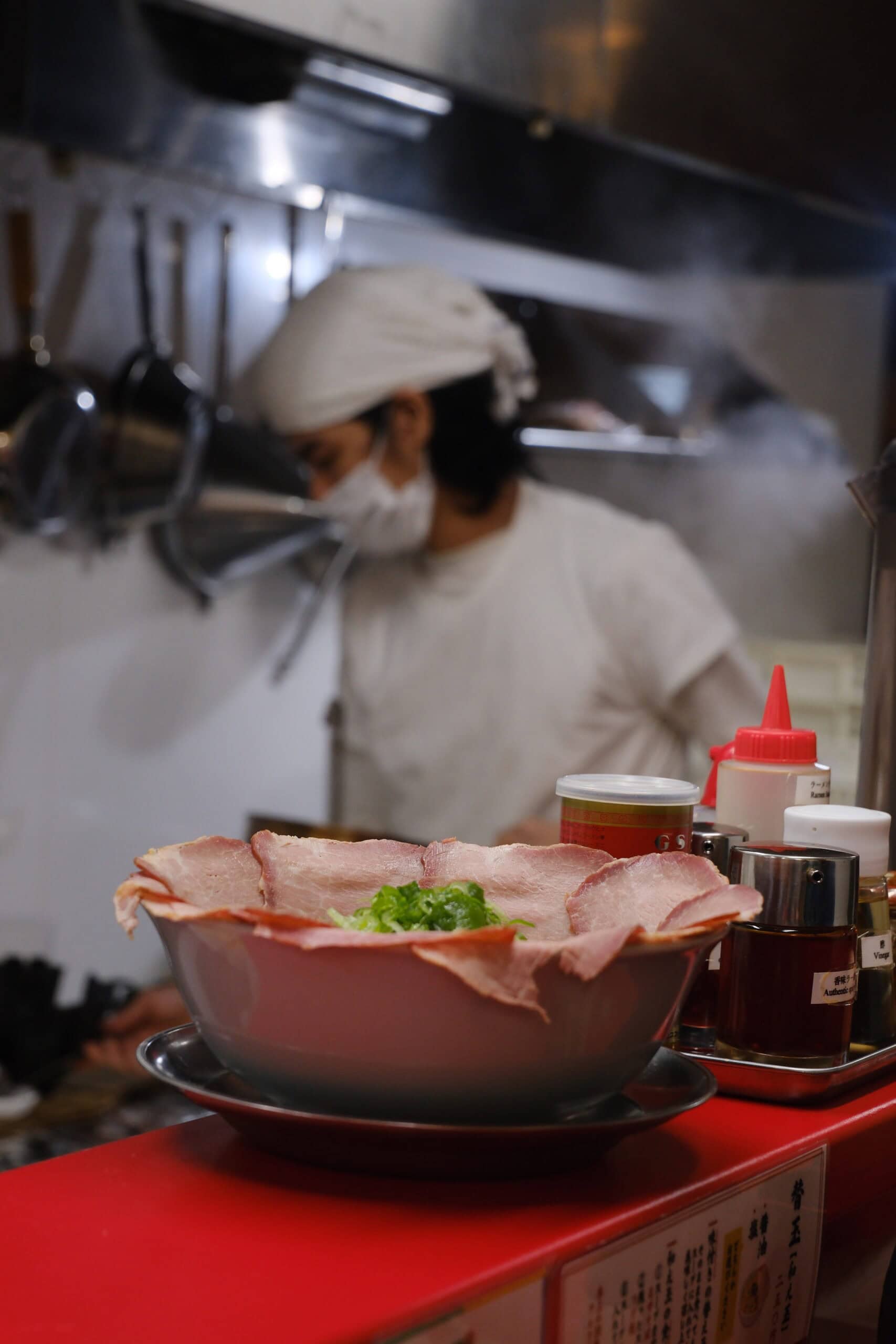
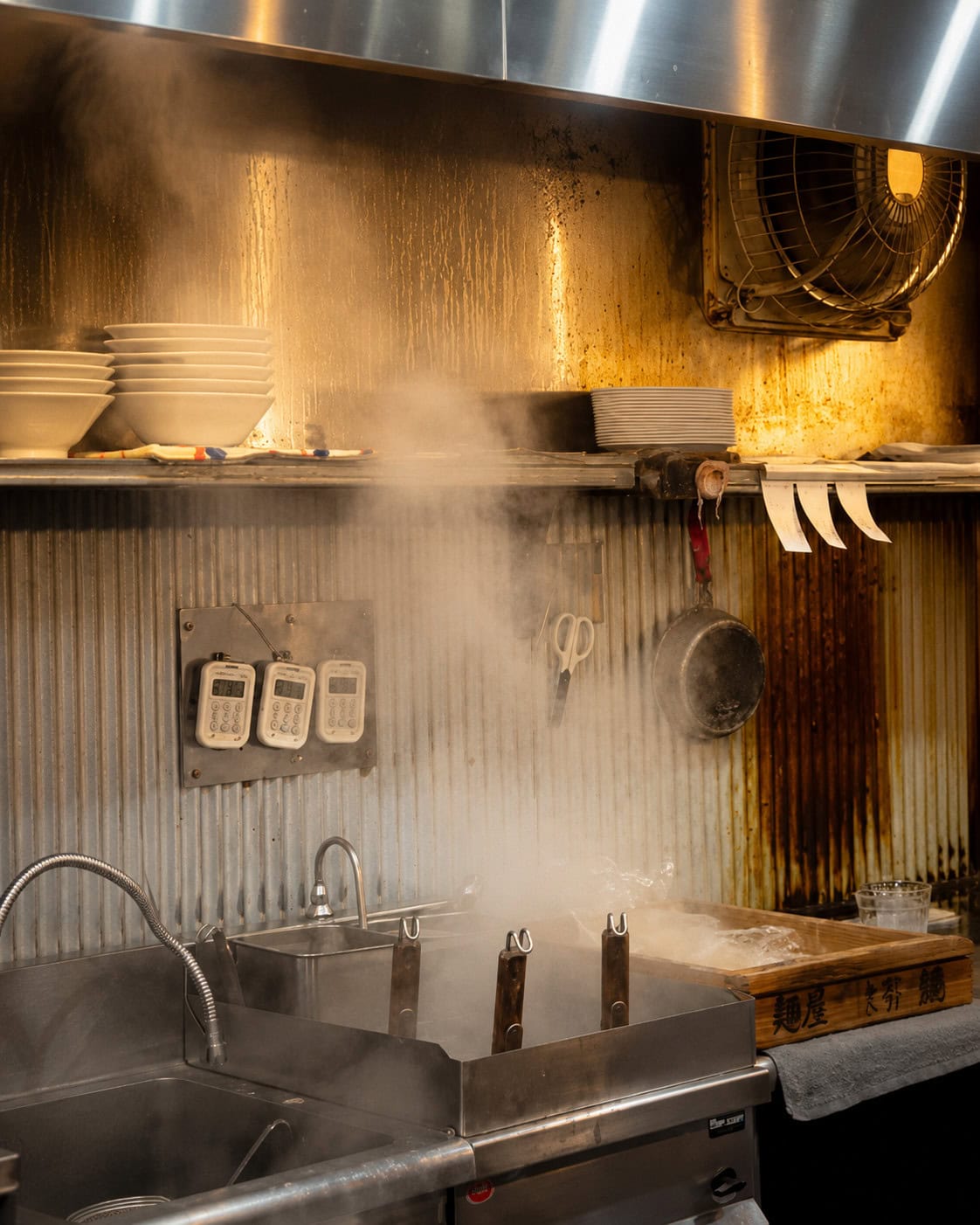
Ramen Taishi was so good we went twice, which is probably the only review that matters. The shio ramen rearranged me: pale broth, clean seasoning, springy noodles and a restraint that makes louder ramen feel like it is shouting for attention. The shoyu, its soy-sauce sibling, is the house signature, while the mazesoba is the hands-on order my sister Lily couldn’t get enough of: brothless noodles tossed through sauce until rich, savoury and gloriously messy. The room is tiny and relaxed: order at the machine, take a seat at the bright red benchtop, then watch the three-person team work behind the counter. So fun.
Location: Shimogyo Ward
Price Guide: $
Cuisine: Ramen; Japanese
Best For: Shio and shoyu ramen, solo lunches and dinners, repeat visits
Need to Know: This is a tiny, order-at-the-machine ramen shop where you’ll need to bring cash.
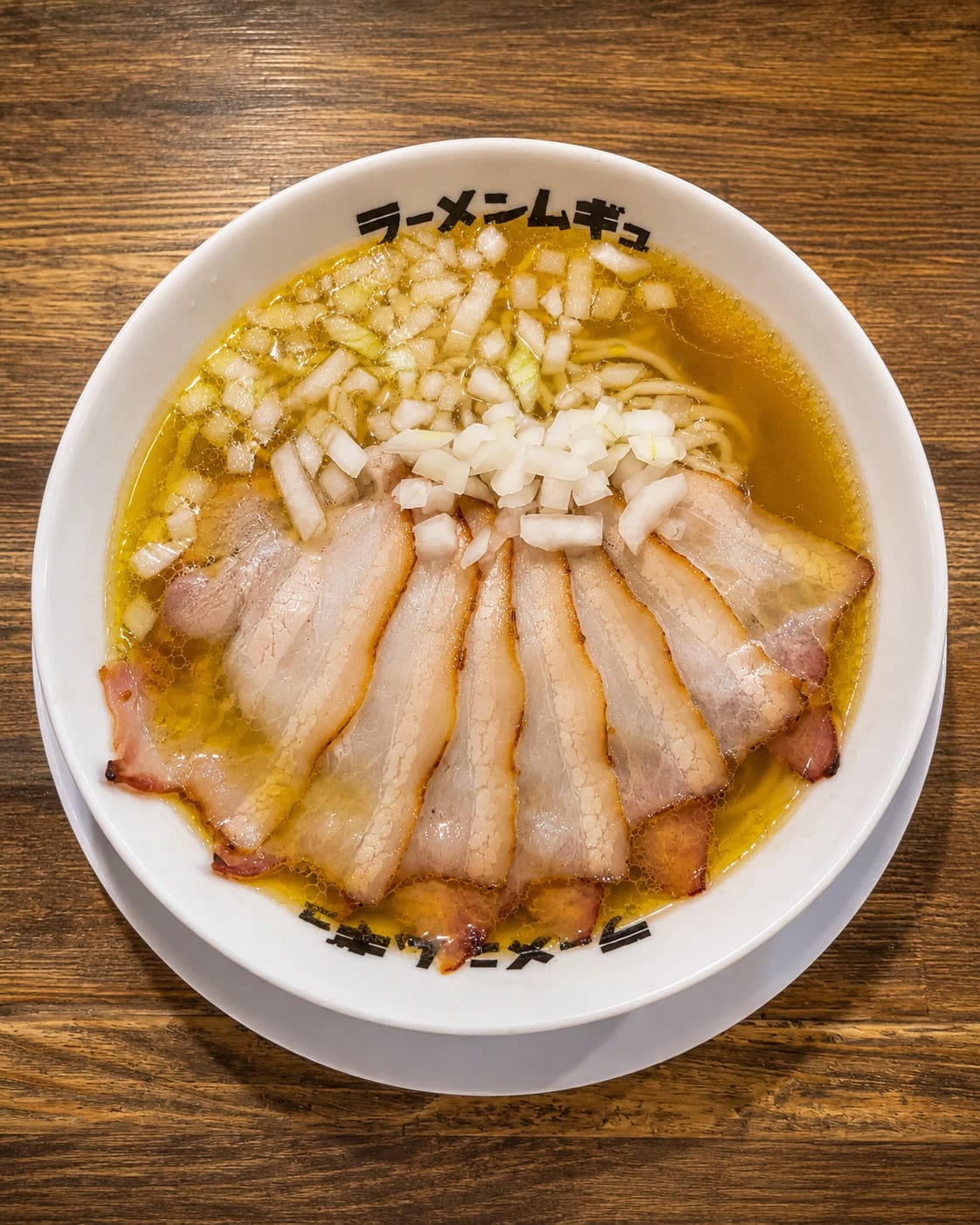
Ramen Mugyu Vol. 2
Ramen Mugyu Vol.2 hides down a narrow Karasuma alley and repays anyone willing to follow the lantern. The order is Onibara Shiro: a golden Nagoya Cochin chicken broth, flat hand-kneaded noodles, diced onion and chashu fanned across the bowl with almost comic generosity. It looks delicate, then lands with far more depth than expected, all chicken oil, salt, smoke and springy noodle satisfaction. I went on my own and had a lovely time at the counter, watching the team build each bowl and carve great hulking slices of chashu while mine was still too hot to tackle.
Location: Nakagyo Ward
Price Guide: $
Cuisine: Ramen; Japanese
Best For: Nagoya Cochin chicken broth, chashu, counter seats, solo lunches, ramen obsessives
Need to Know: It’s tucked down an alley, so keep your map open and your eyes peeled.
Hikiniku to Come
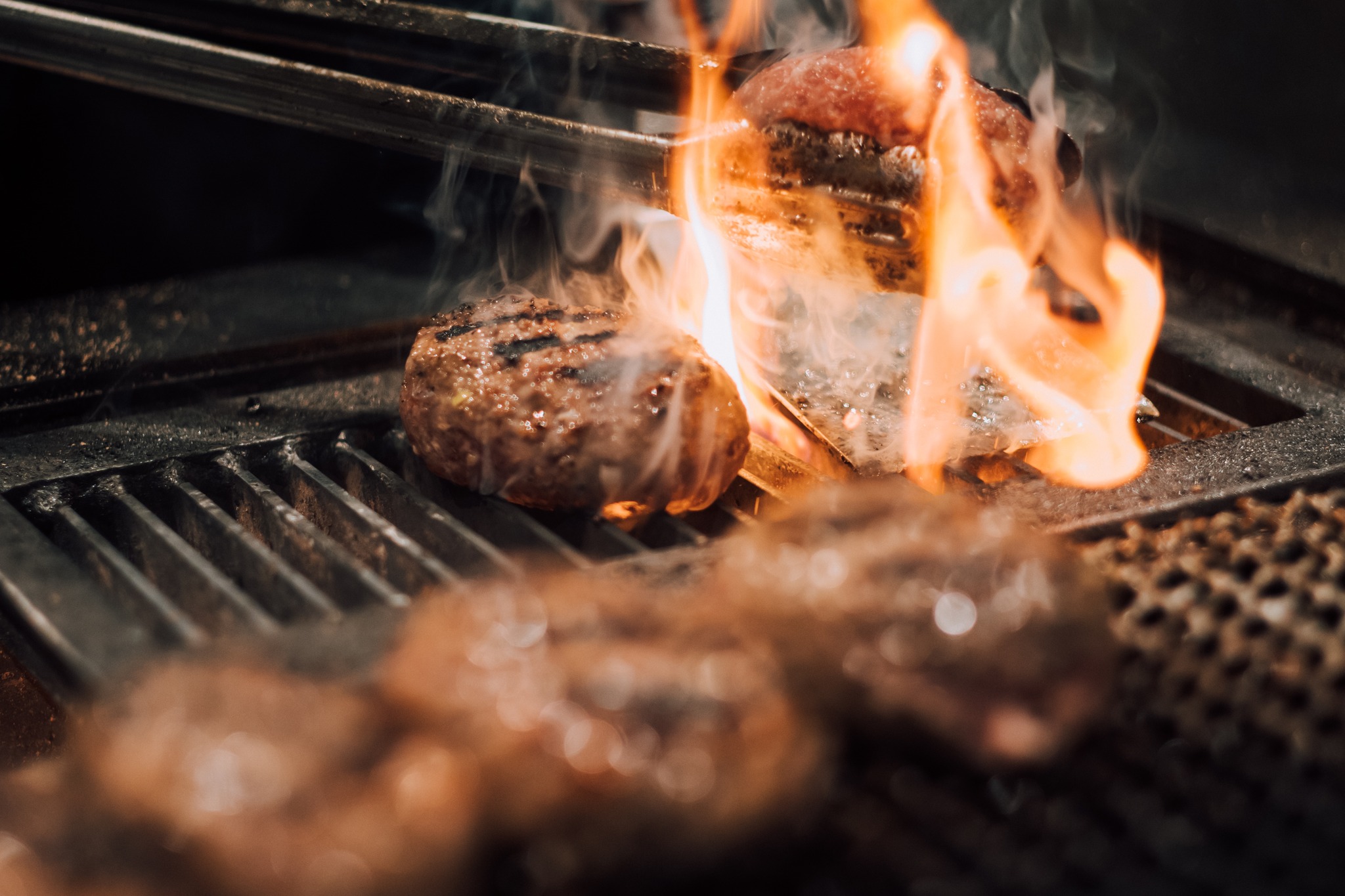
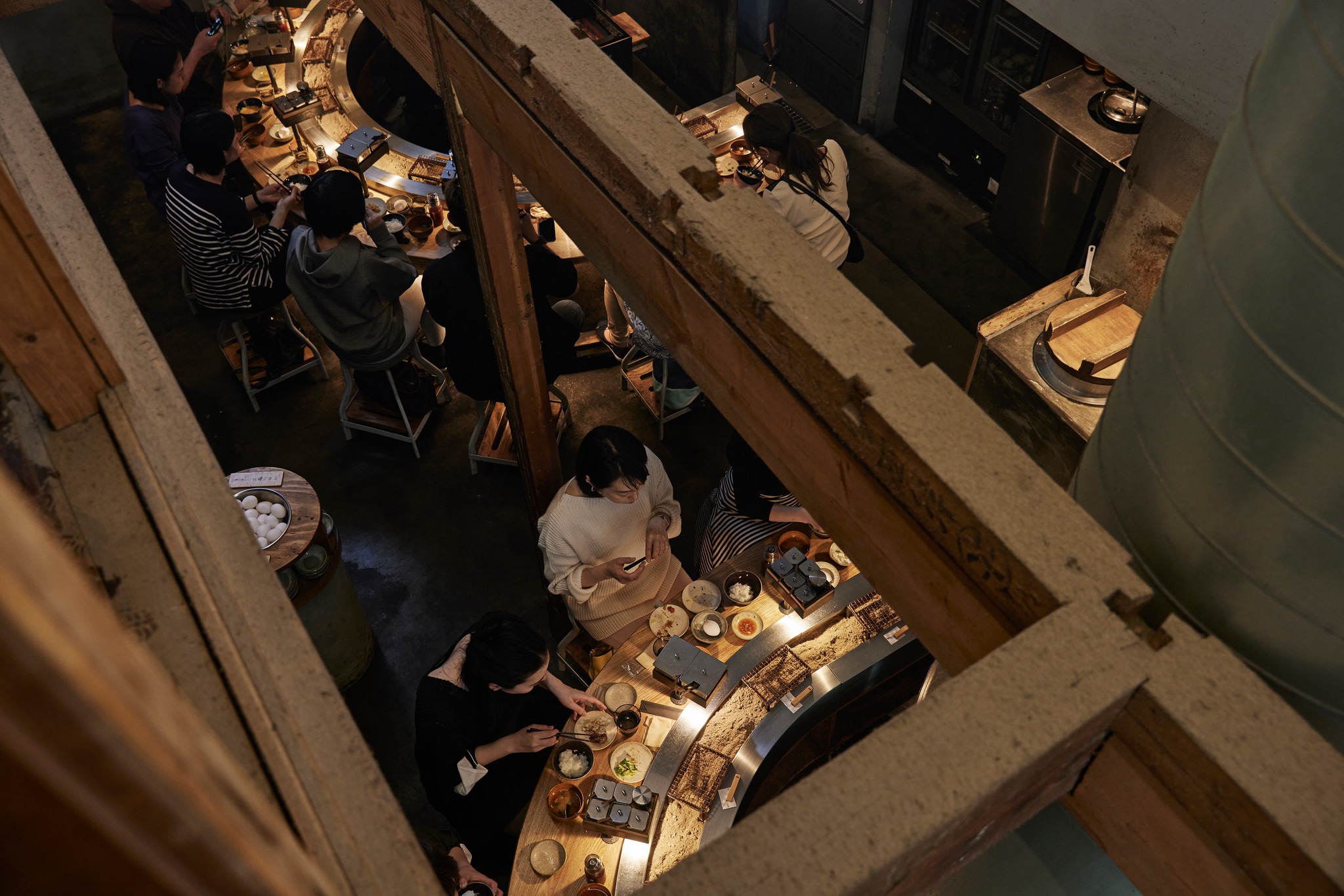
At Hikiniku to Come, the meal begins before you eat. You sign up, wait your turn, then sit inside a restored Gion machiya while the grill does its slow, smoky persuasion. There is no menu theatre to decode: three freshly ground 90g hamburg steaks arrive one by one, each lifted from charcoal to rice while still hissing. Miso, ponzu, grated daikon, pickles, condiments and a raw egg sharpen the edges, but the genius is in the sequence. First hunger, then smoke, then rapt silence.
Location: Gion, Higashiyama Ward, Kyoto
Price Guide: $
Cuisine: Japanese, Hamburg Steak
Best For: Counter dining, solo lunches, beef lovers, theatre-of-the-grill, casual Kyoto meals, rainy-day comfort
Need to Know: The set meal is ¥1,980 and includes three 90g charcoal-grilled hamburg steaks, rice with free refills, miso soup, ponzu with grated daikon, condiments, pickles and a raw egg. Bookings are handled by web or in-store sign-up rather than normal reservations, and Kyoto’s branch is cashless.
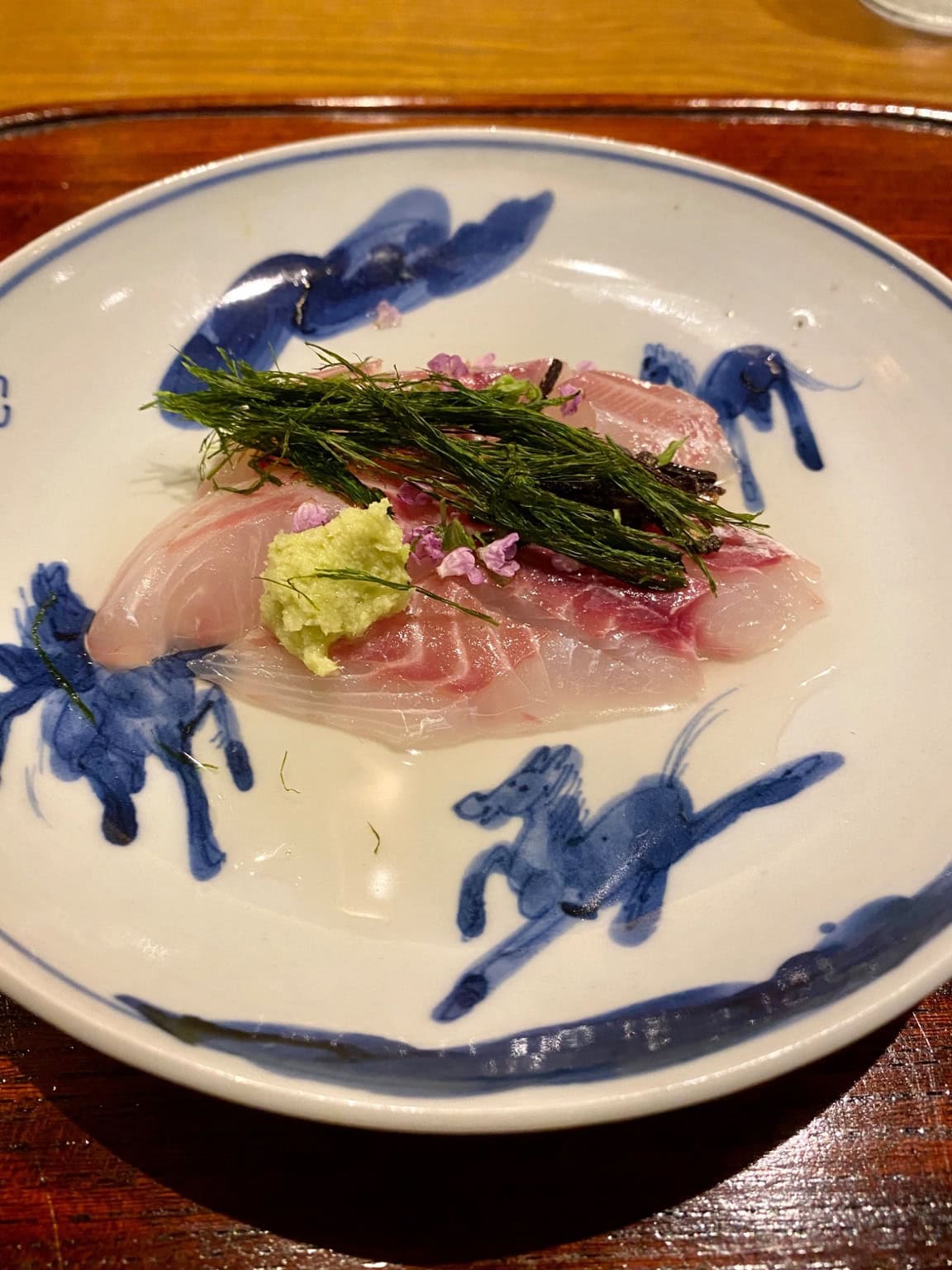
Godan Miyazawa
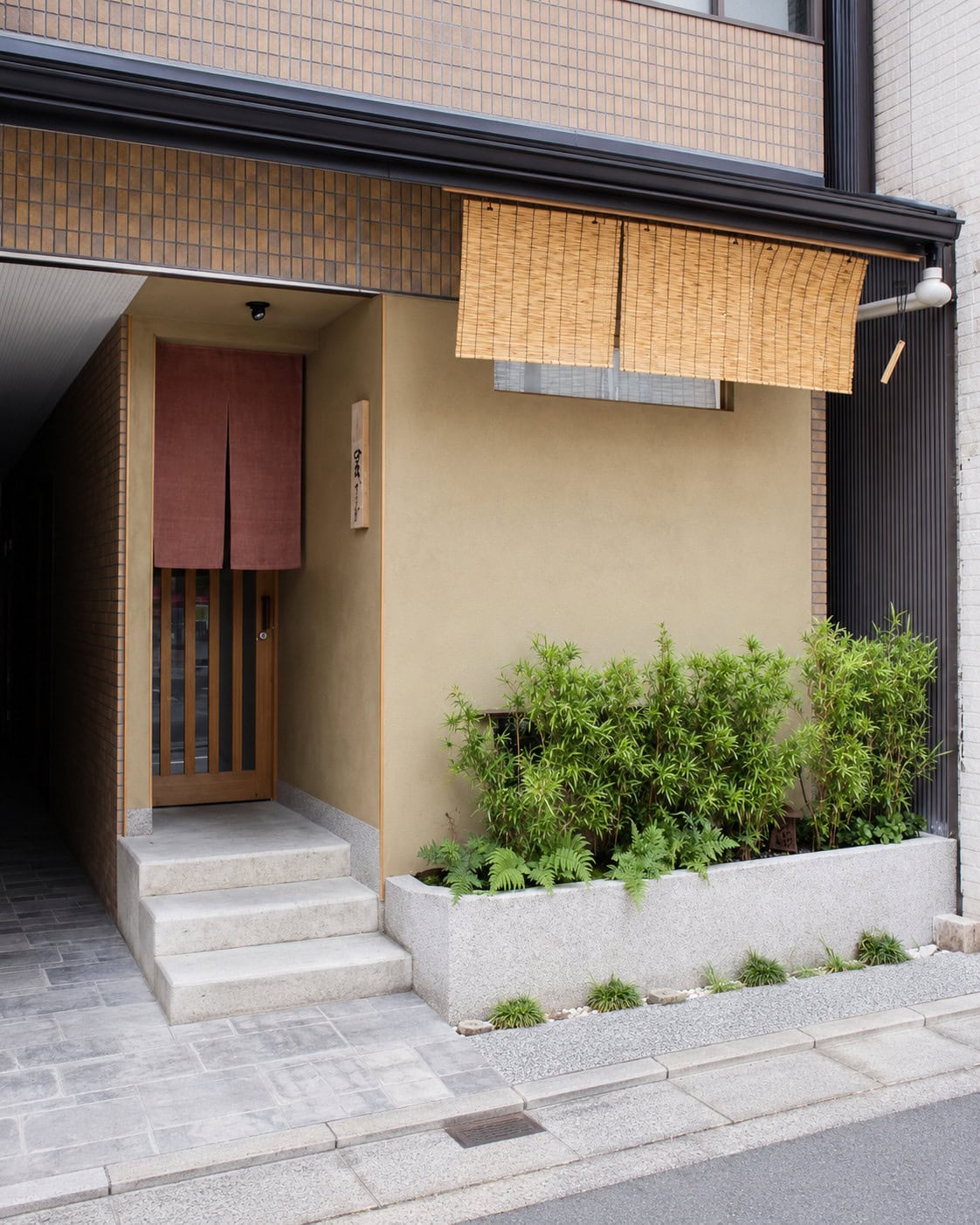
There is a point in Kyoto when you need to stop grazing and sit still. Godan Miyazawa is that point. This Michelin-starred tea kaiseki restaurant in Shimogyo is all season, sequence and restraint: antique tableware, counter dining, rice treated with reverence and flavour that lands without spectacle. After days of matcha, markets and backstreet bars, this is the meal that reminds you Kyoto’s real flex has always been control.
Location: Shimogyo-ku, Kyoto
Price Guide: $$$
Cuisine: Japanese tea kaiseki
Best For: Solo dining, couples and anyone wanting the city’s more ceremonial side
Need to Know: Lunch from around ¥8,000, dinner from around ¥20,000 before tax and service. Reservation platforms may show higher all-in pricing. Reservations only.
The Best Bars in Kyoto
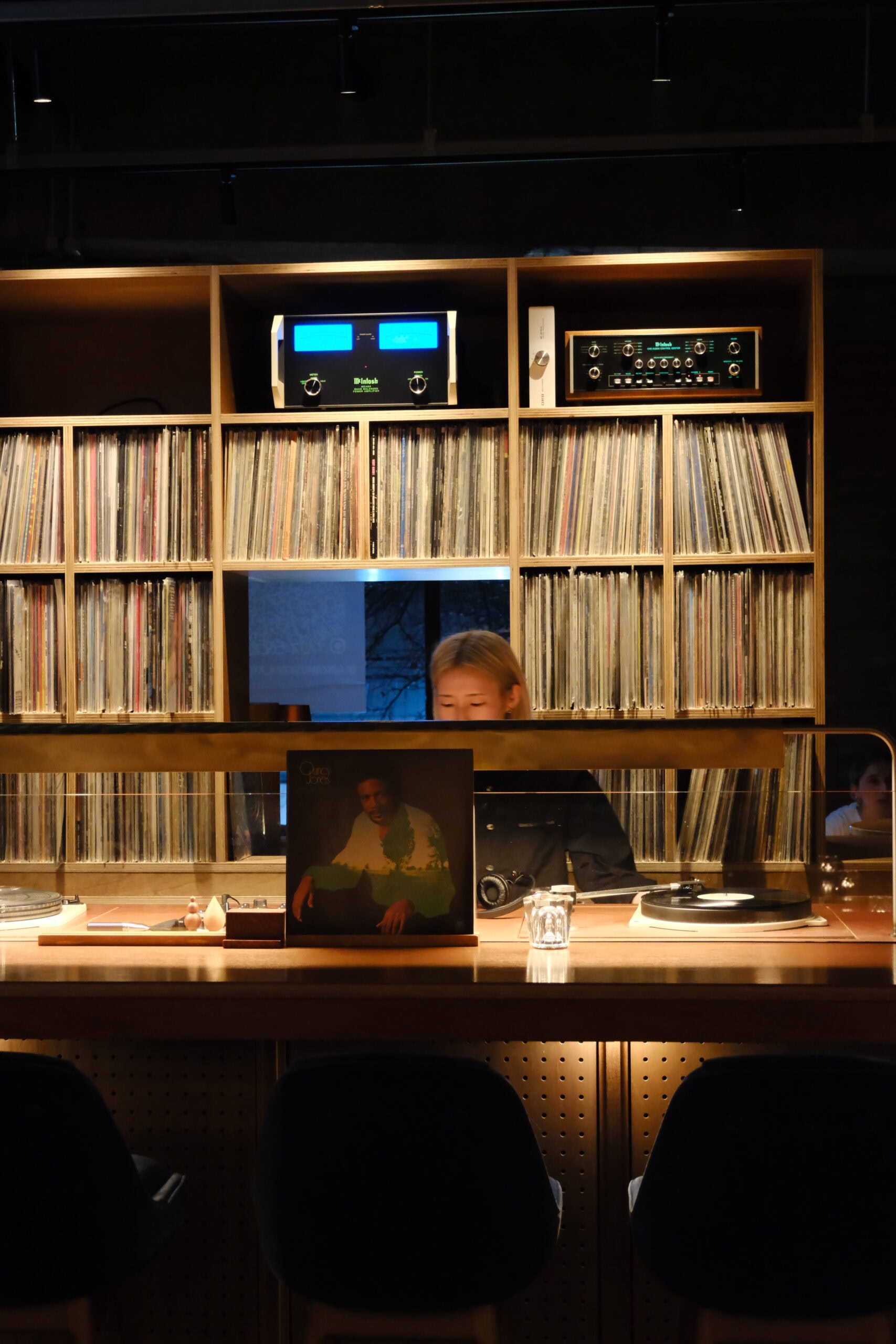
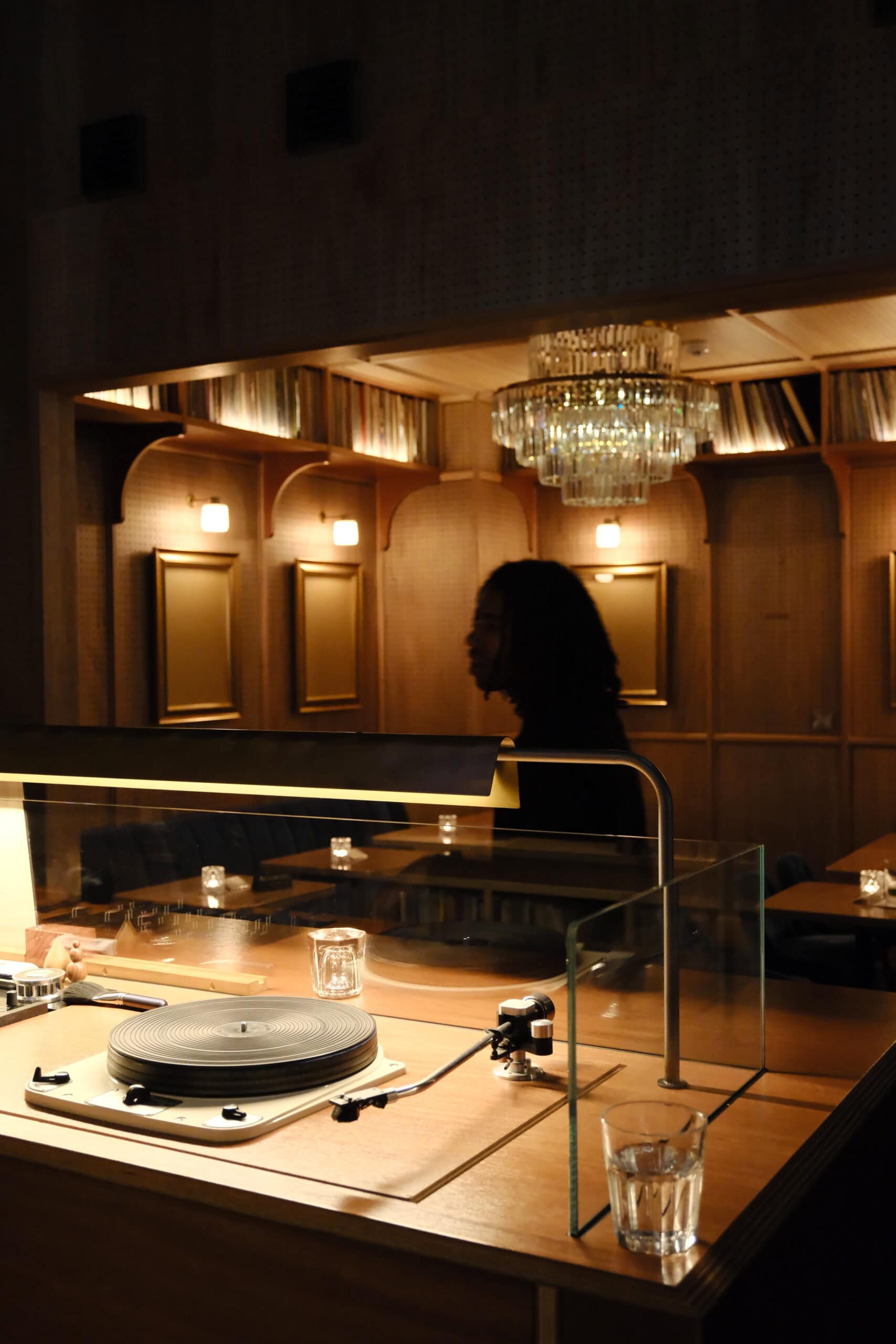
Ginza Music Bar Kyoto
Kyoto gets its own spin on Tokyo’s listening-bar mood at Ginza Music Bar Kyoto, a vinyl-led room of custom speakers, Japanese whisky, cocktails and the temptation to stay for one more record. The setting is smart without going stiff: polished wood, low light, counter seats, sofas and a soundtrack that can move from jazz to techno before your second drink lands. Come for a martini, stay for the record collection, then let the night find its own pace.
Location: Shimogyo-ku, Kyoto
Price Guide: $$
Cuisine: Listening bar, cocktails, Japanese whisky and bistro dining
Best For: Vinyl lovers, mood lighting, date-night drinks, late-night Kyoto and anyone who likes their cocktails with a soundtrack
Need to Know: Open noon to 11pm Tuesday to Sunday, with Monday and holiday service listed from 5pm to 11pm. Reservations are available for the bar and bistro.
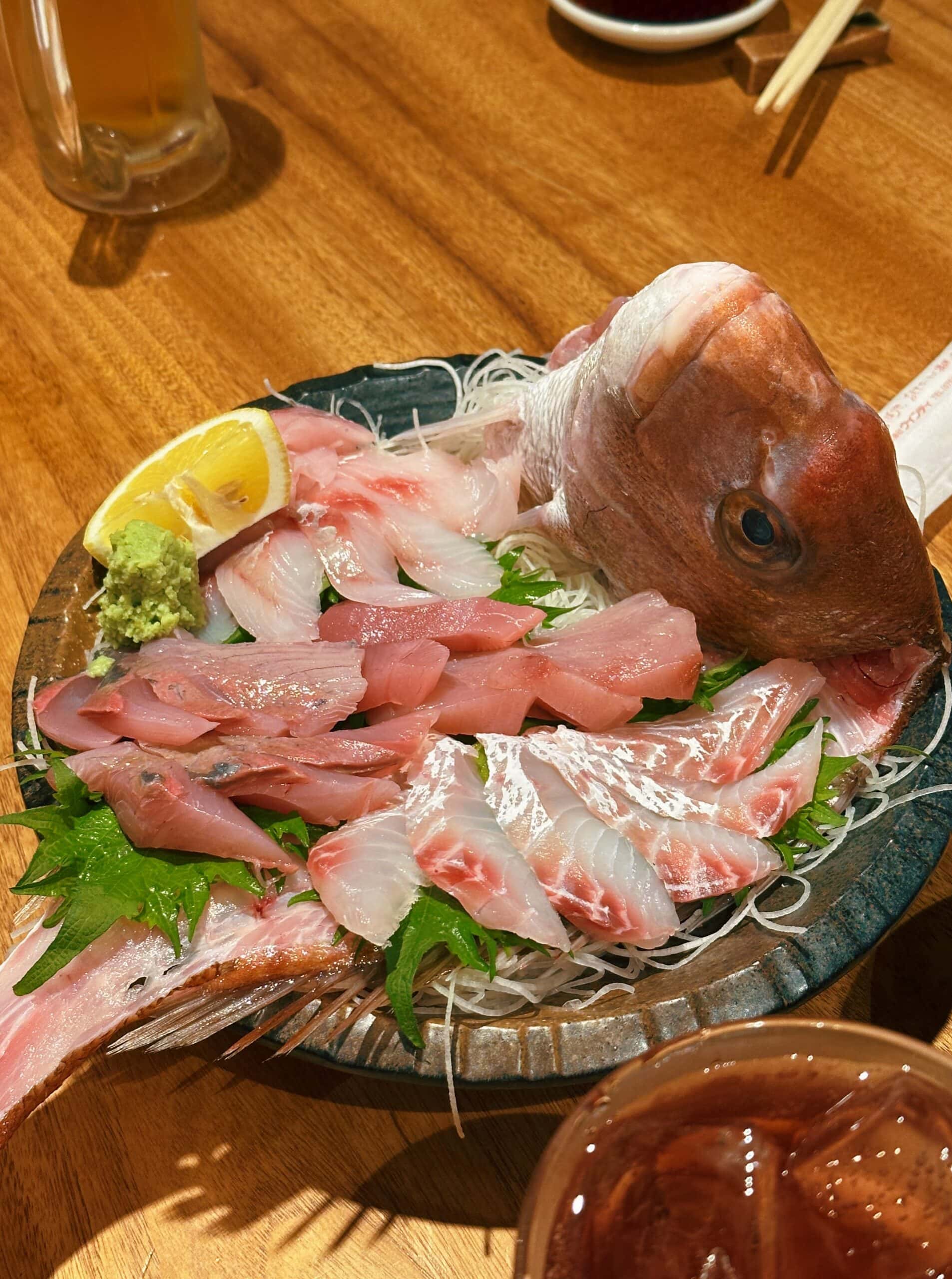
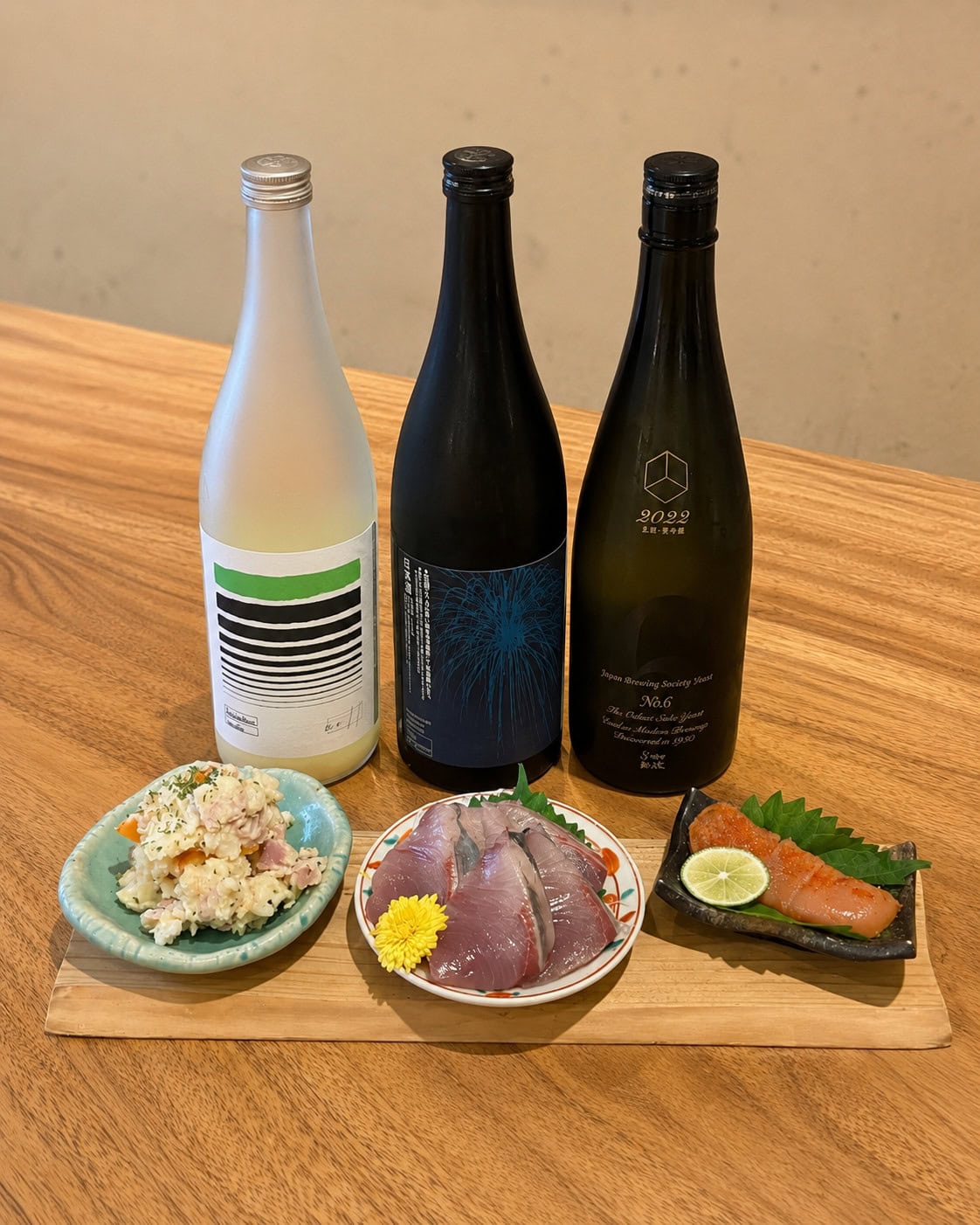
Nishikawa Kawaramachi Gojō
Shuten Nishikawa was only meant to be a nightcap, which is how many excellent Kyoto decisions begin. This relaxed Kawaramachi Gojō sake spot pours more than 100 bottles, including rare labels and excellent tasting sets, without making the whole thing feel like homework. Owner Naoki Nishikawa’s mission is simple: get more people excited about sake, and the room has that easy generosity. Order the three-kind sake appetiser assortment, then ask which fish is best that day. Ours arrived head and all, clean, gleaming and cut with such care that it became the sashimi I kept thinking about for the rest of the trip.
Location: Shimogyo-ku, Kyoto
Price Guide: $
Cuisine: Sake bar, Japanese small plates, sashimi and seasonal Kyoto dishes
Best For: Sake newcomers, late-night grazing, solo drinkers and anyone who wants the izakaya experience with more care
Need to Know: Open from 5pm to 1am, with last orders around 12.30am. Sake tasting sets from ¥980, courses from ¥6,600, à la carte varies.

Chrome Natural Wine Life
Chrome Natural Wine Life does not need much convincing. Tell the staff what you like, fruity, mineral, strange, bright, mildly feral, and they will steer you towards something you probably would not have found alone. The Nakagyo wine bar specialises in natural wines from small producers, with a serious cellar, plenty by the glass and small plates that make it feel like a destination rather than a final stop.
Location: Nakagyo-ku, Kyoto
Price Guide: $$
Cuisine: Natural wine bar, small plates, charcuterie and wine-friendly Japanese-European dishes
Best For: Natural wine people, low-intervention newcomers, late-night bottles and anyone who wants staff to choose well for them
Need to Know: Open 6pm to 1am, closed Mondays and occasional irregular days. The cellar is the star, with roughly 20 wines by the glass and thousands of bottles in stock.
The Best Matcha & Bakeries in Kyoto
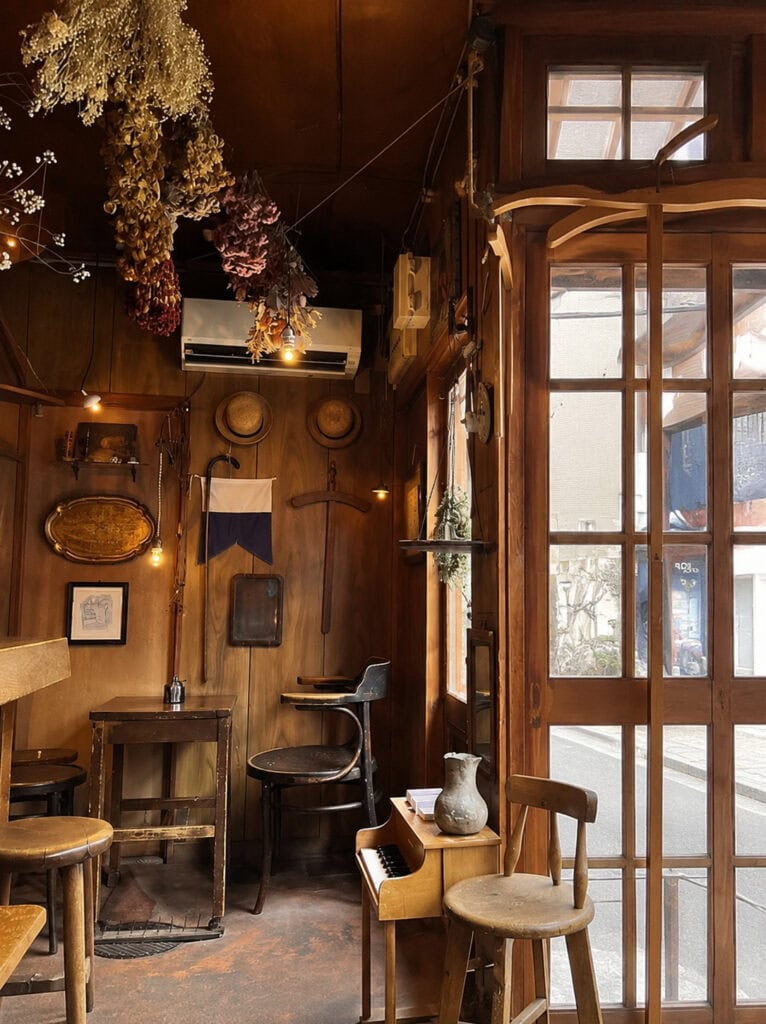
Wife & Husband Coffee
Wife & Husband Coffee feels like someone bottled the fantasy of a Kyoto morning and handed it to you with toast. The tiny antique-filled cafe near the Kamo River is beloved for in-house roasted coffee, honey-cheese milk bread toast and picnic sets you can take down to the water. It is sweet, yes, but not twee. Book a cafe seat for the full wooden-room charm, or reserve a picnic basket and let the river do half the work.
Sitchu Tip: Order the toast, get a hand-drip coffee, and leave enough time for the Kamo River version of doing absolutely nothing.
Location: Kita-ku, Kyoto
Price Guide: $
Cuisine: Coffee, toast, sweets and picnic sets
Best For: Kyoto mornings, riverside picnics, slow coffee and antique-shop charm
Need to Know: Reservations are recommended. Cafe slots run for 80 minutes, while picnic rentals run for 90 minutes and are cancelled in bad weather. Tabelog lists opening hours as 10am to 5pm on Monday, Tuesday, Wednesday, Friday and Saturday, closed Thursday and Sunday, but check the shop schedule before visiting.
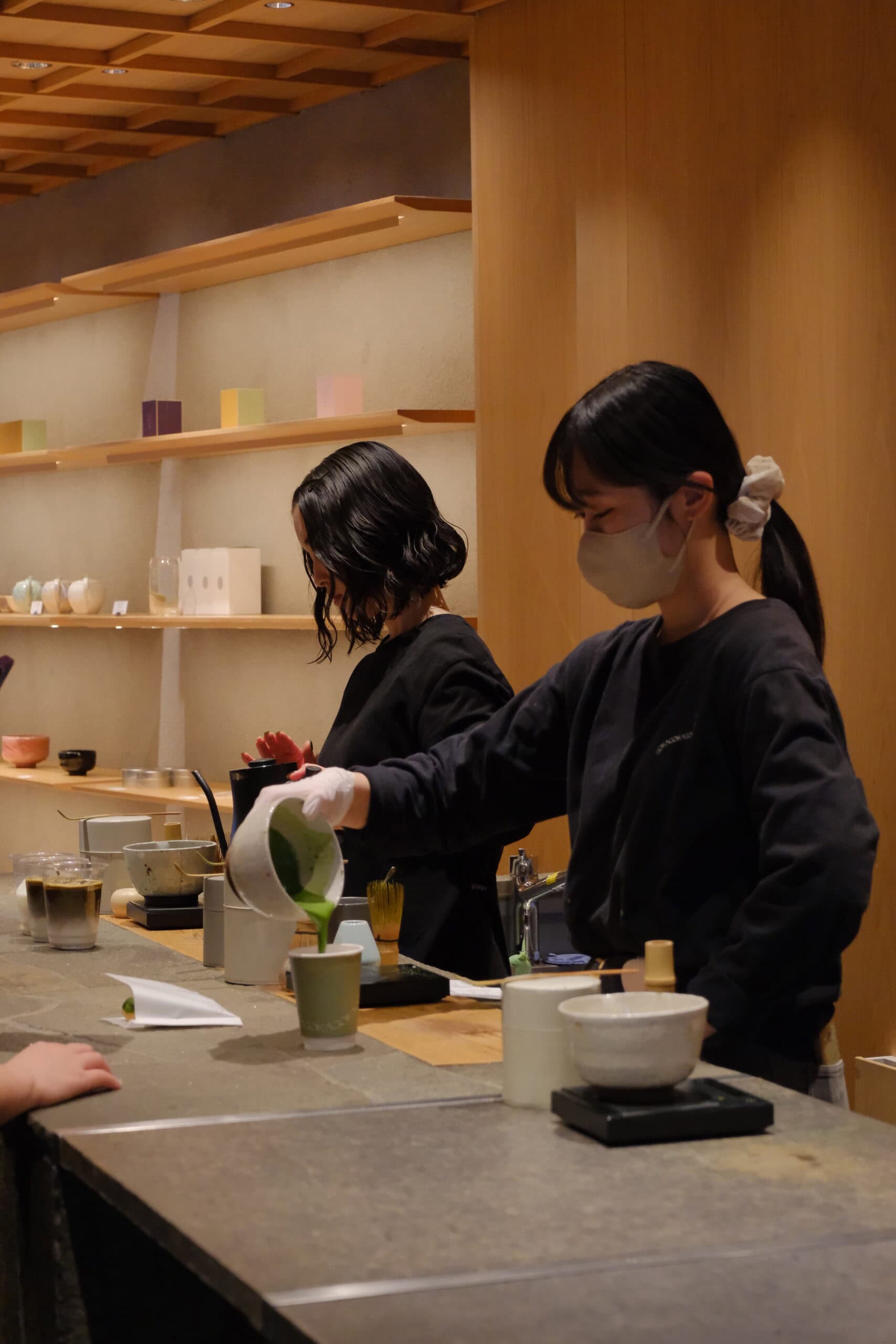
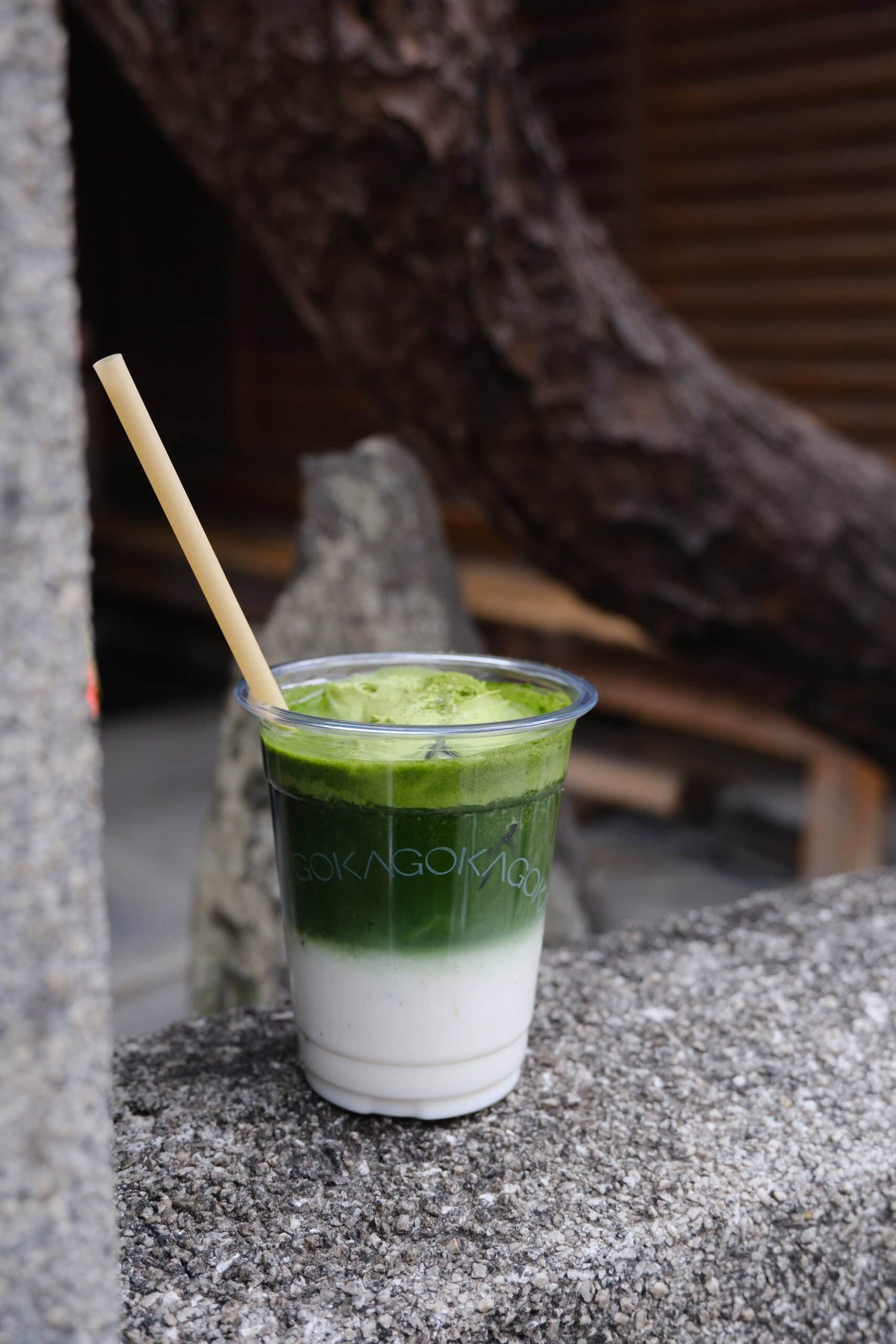
GOKAGO
The matcha at GOKAGO has that deep, mineral green of Kyoto in summer: cool, dense, faintly bitter, more grown-up than sweet. The little Higashiyama tea stand sits on the approach to Kiyomizu-dera, exactly when the climb starts asking for something cold, green and restorative. Go for the rich matcha latte, whisked to order, then consider the soft serve, matcha affogato or Uji matcha doughnut if you are leaning fully into it.
Sitchu Tip: Order the rich matcha latte and take a minute outside if there is space. It is over quickly, but the flavour hangs around.
Location: Higashiyama-ku, Kyoto
Price Guide: $$
Cuisine: Matcha, Japanese tea, soft serve, doughnuts and tea desserts
Best For: Post-Kiyomizu-dera recovery, matcha obsessives and a quick Kyoto sweets stop
Need to Know: Open 10.30am to 6pm, with irregular closures. Reservations are not accepted, and hours can shift, so check before making a trip.
Panraku
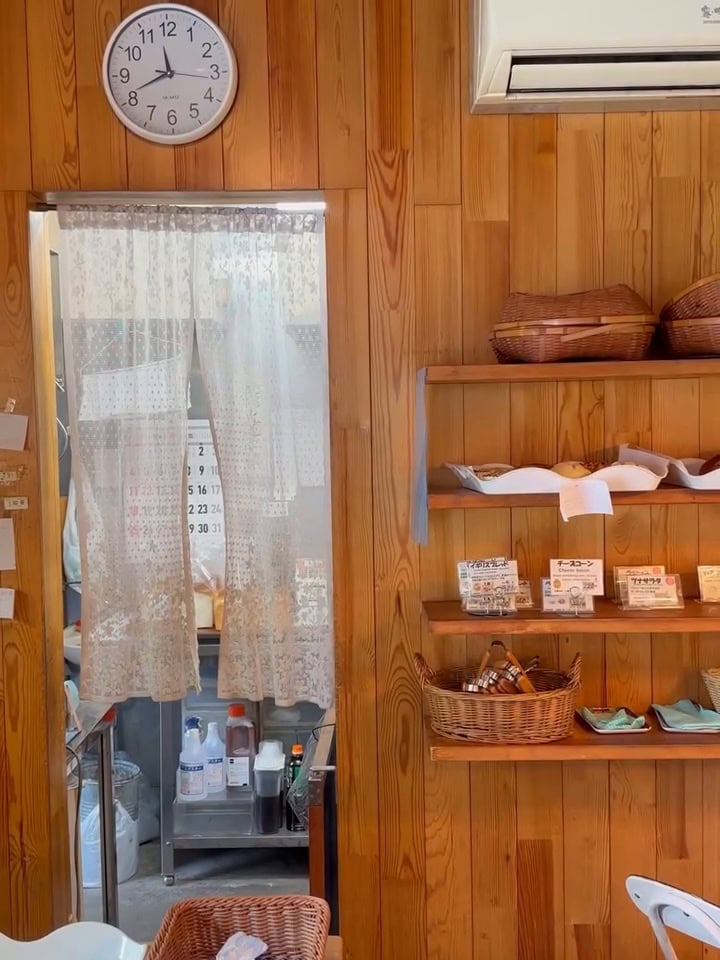
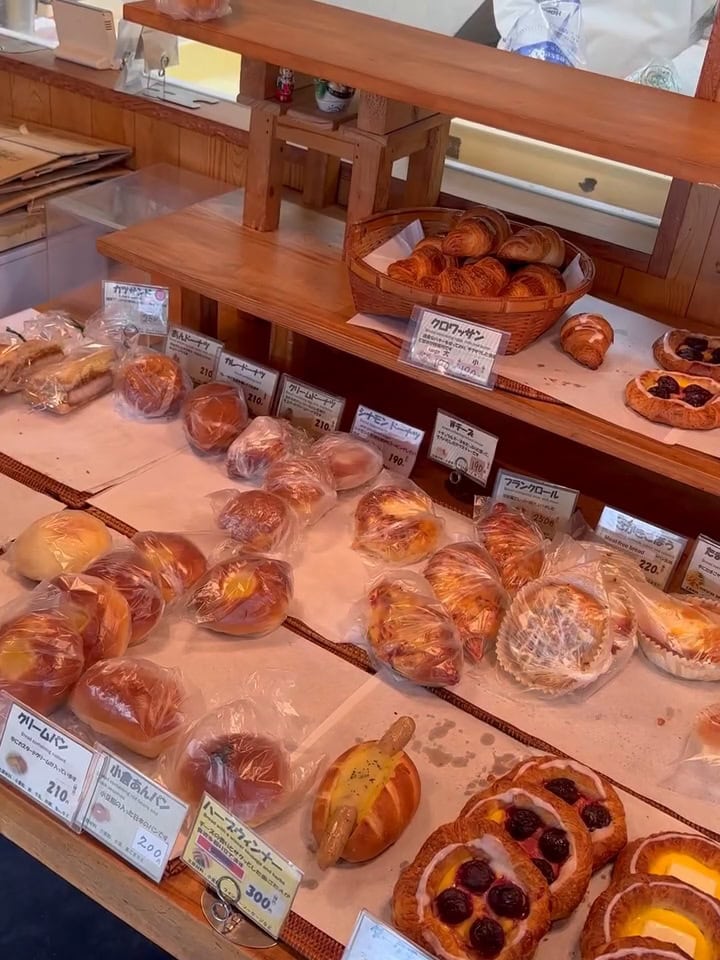
Panraku is the Kyoto bakery with the giraffe mural, but the bread is the reason to cross the street. This downtown neighbourhood favourite near Kyoto Kawaramachi is all warm trays, fast-moving locals and the happy panic of having too many good options. It bakes in a lava-stone oven and keeps things classic rather than showy: mini croissants, curry pan, melonpan, cream bread, fruit-topped pastries and whatever looks best from the morning rush. There is no seating, so take your haul somewhere scenic and bask in the private satisfaction of a very good find.
Sitchu Tip: My family and I returned two mornings in a row, and the curry pan was the star for me.
Location: Shimogyo-ku, Kyoto
Price Guide: $
Cuisine: Japanese bakery, sweet and savoury bread, pastries
Best For: Cheap breakfast, takeaway pastries, Kyoto bakery hunting and anyone travelling with snack-prone family
Need to Know: Open Monday to Saturday, 8am to 6:30pm, closed Sundays and public holidays. Reservations are not accepted, and it is cashless-friendly via QR code but does not accept cards or e-money.
Slō
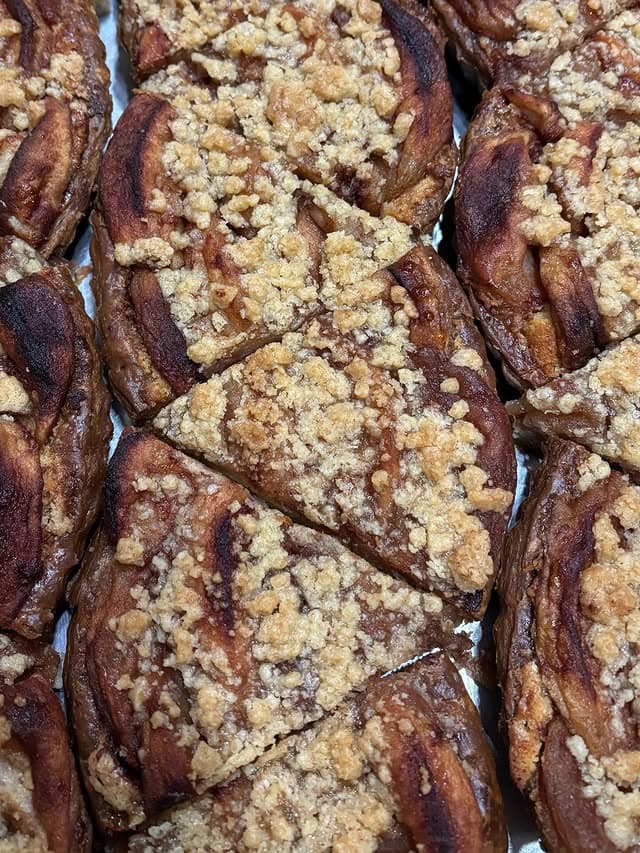
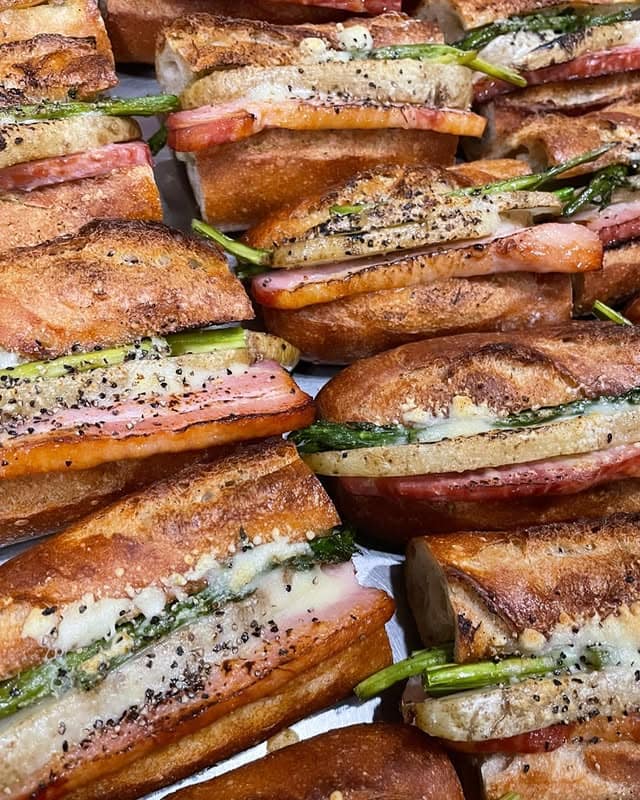
Slō rewards an early start, with a tiny Kawaramachi Matsubara shopfront and shelves that can empty before the day has really begun.
It’s a bakery opens with shelves of breads that look simple until you bite into them: chewy crusts, deep wheat flavour, clever fillings and real care in the dough. It is very popular and often queued, so arrive early and choose with intent. The keema curry bread is the move, followed by melonpan, milk cream bread or anything seasonal still warm from the trays.
Location: Shimogyo-ku, Kyoto
Price Guide: $
Cuisine: Japanese bakery, sweet and savoury bread, takeaway pastries
Best For: Early starts, Kyoto bakery hunting, curry pan and excellent grab-and-go breakfasts
Need to Know: No eat-in seating. 9am to 1pm, closed Monday, Tuesday and Friday, with the shop closing earlier if sold out.
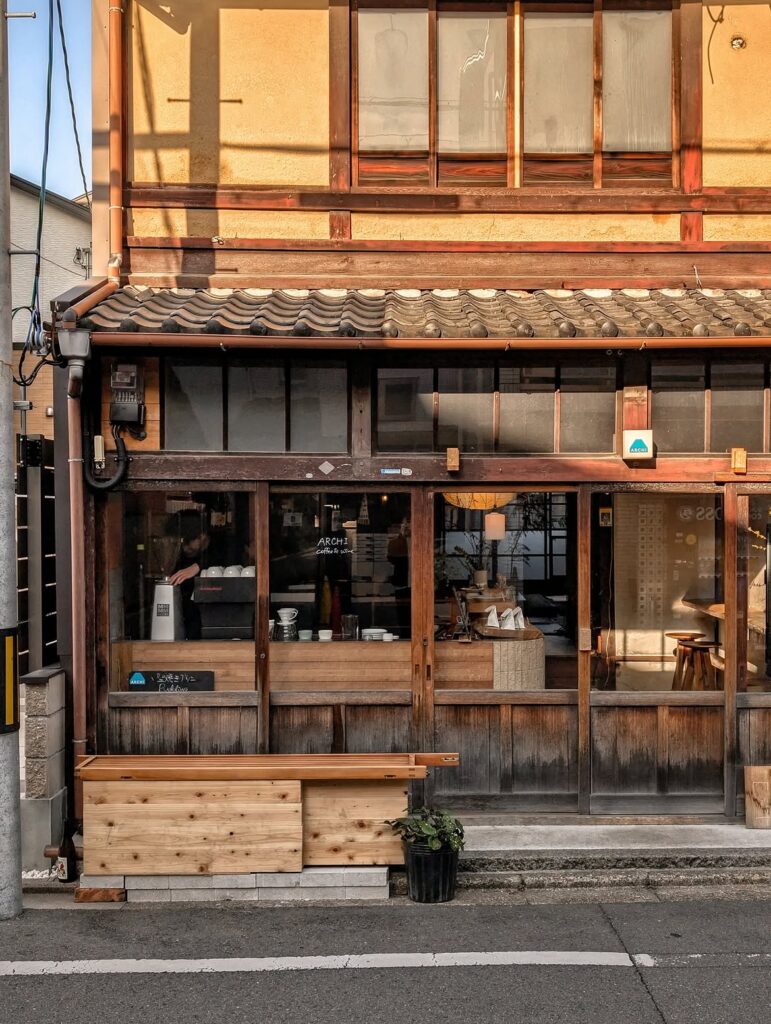
ARCHI coffee&wine
ARCHI is for that dangerous Kyoto hour when coffee becomes wine and lunch starts negotiating with dinner. Set in a renovated old house in Mibu, the cafe has the bones you want: timber, soft daylight, lived-in texture and a pace that encourages poor time management. Order the French toast, rich and savoury with cream and prosciutto, then the firm baked pudding or one of the crepes if the day is heading sweet. Coffee is the opening move; a glass of wine is how you end up staying longer than planned.
Location: Nakagyo-ku, Kyoto
Price Guide: $
Cuisine: Coffee, wine, desserts and cafe plates
Best For: Late breakfast, solo cafe time, coffee-to-wine afternoons and soft Kyoto interiors
Need to Know: Open daily, 8am to 6.30pm, with food last orders at 5.45pm and drinks at 6pm. Reservations are available, and closing days may vary.
The Best Shopping in Kyoto
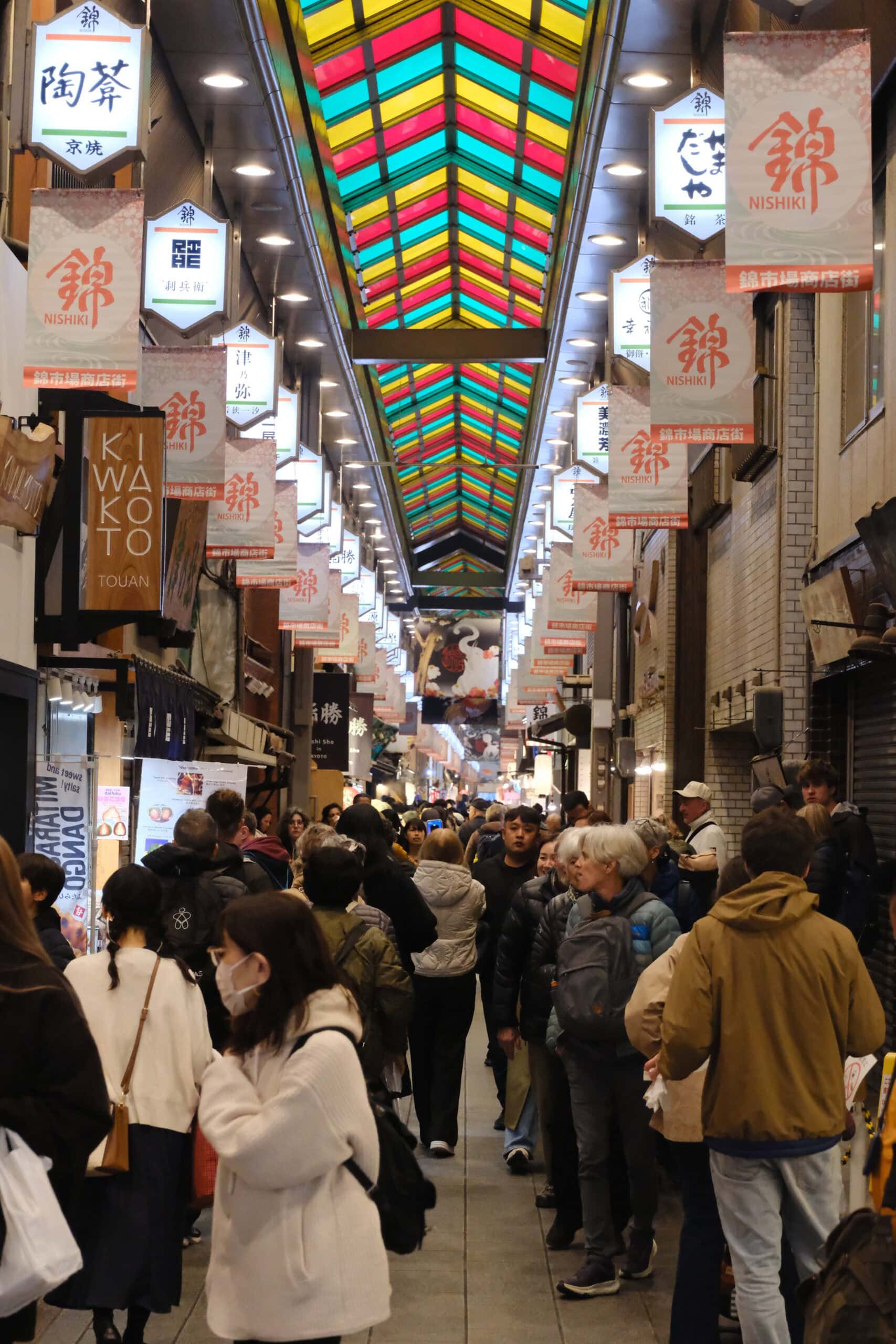
Nishiki Market
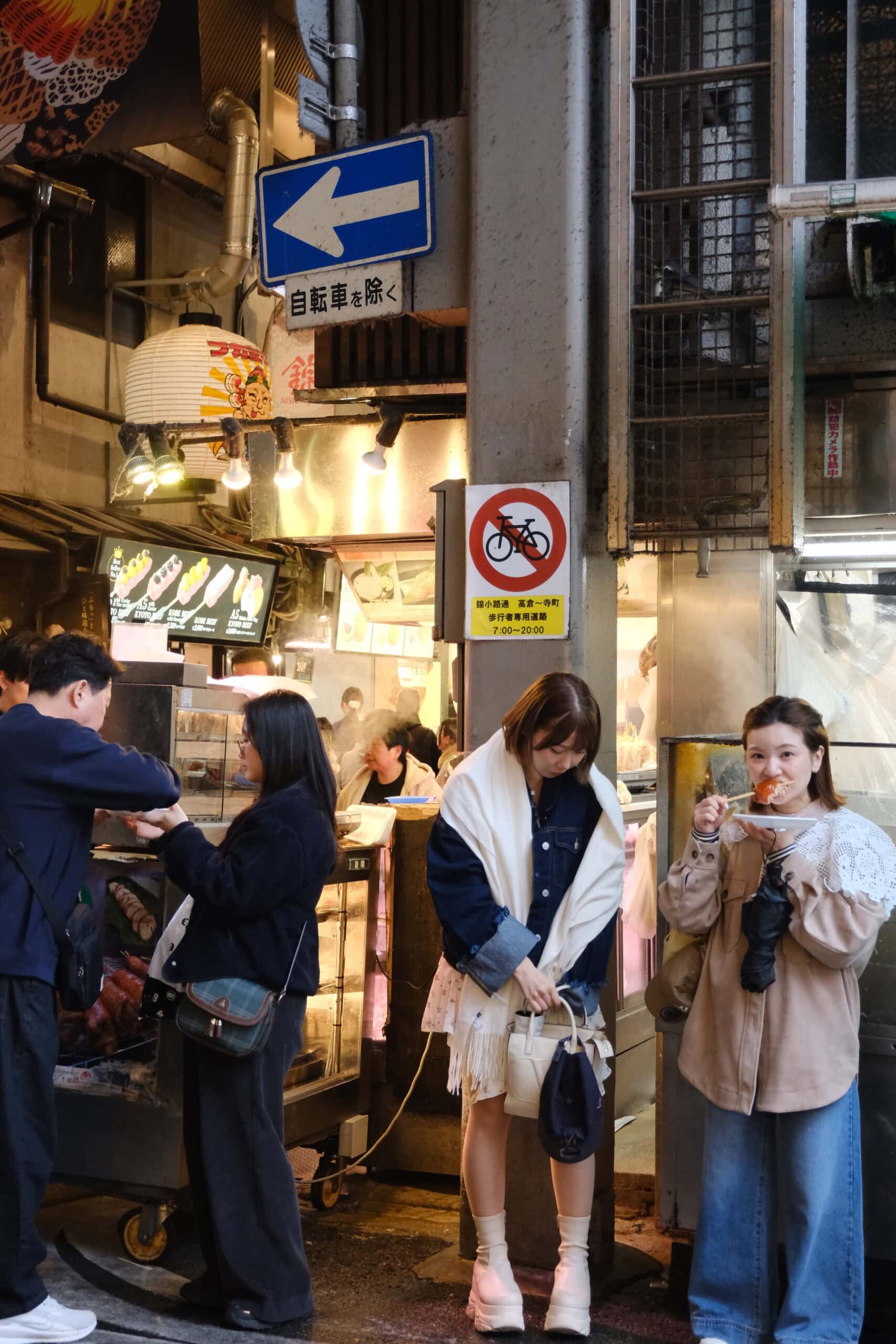
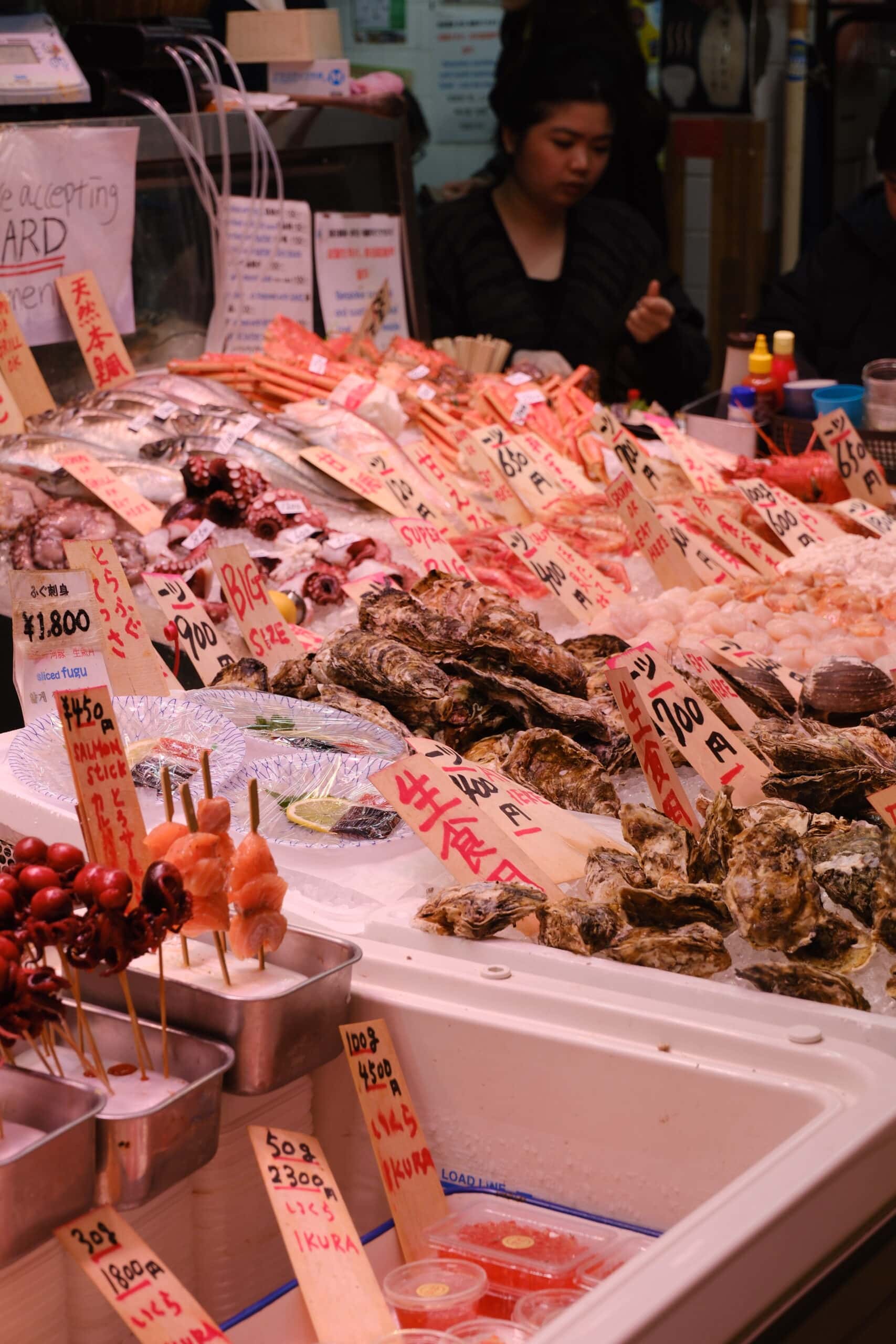
Nishiki Market is Kyoto at the greatest of snack heights: a long covered lane of pickles, sweets, seafood, tea, knives, grilled skewers and small specialities passed down through generations. It can be busy, but there is pleasure in moving slowly, buying one thing at a time and letting lunch become a procession. Try tamagoyaki, yuba, mochi, mitarashi dango, senbei and whatever catches your eye, then stop at Aritsugu if beautiful kitchen knives are your weakness.
For my family, the surprise hit were the rows and rows of tiny chopstick rests, especially the food ones: mushrooms, chillies, wasabi, leeks, fish, fruit and vegetables made small enough to slip into your pocket and strange enough to become non-negotiable. They are useful in theory, but really they are miniature Kyoto souvenirs with dangerous buy-five energy.
Location: Nishikikoji-dori, Nakagyo-ku, Kyoto
Price Guide: Free to enter, snacks and shopping vary
Best For: Snack grazing, edible souvenirs, kitchenware, first-time Kyoto visitors
Need to Know: Most shops open around 10am and close by early evening, though hours vary by store. Go earlier for calmer browsing, bring cash and avoid eating while walking where signs ask you not to.
Shop Kyoto Craft
Forget the souvenir panic-buy. Kyoto is a city for paper, incense, ceramics, silk and clothes cut with restraint. Kyukyodo is the stationery stop, all washi, calligraphy tools and incense; POJ Studio is where craft gets a sharper contemporary edge, where you’ll swoon over ceramics and incense you’ll most definitely find a way to wrap up carefully and bring home; Graphpaper Kyoto sells minimalist Japanese fashion from a restored machiya; and CHISO Gallery turns kimono into art history. Give this a full afternoon, bring a tote, and accept that ‘just browsing’ is not a serious position to hold firm on.
Location: Central Kyoto
Price Guide: Free to browse, purchases vary
Best For: Design, craft, fashion and take-home treasures
Need to Know: Book POJ Studio’s kintsugi workshop ahead if you want something hands-on.
The Best Shrines & Temples in Kyoto
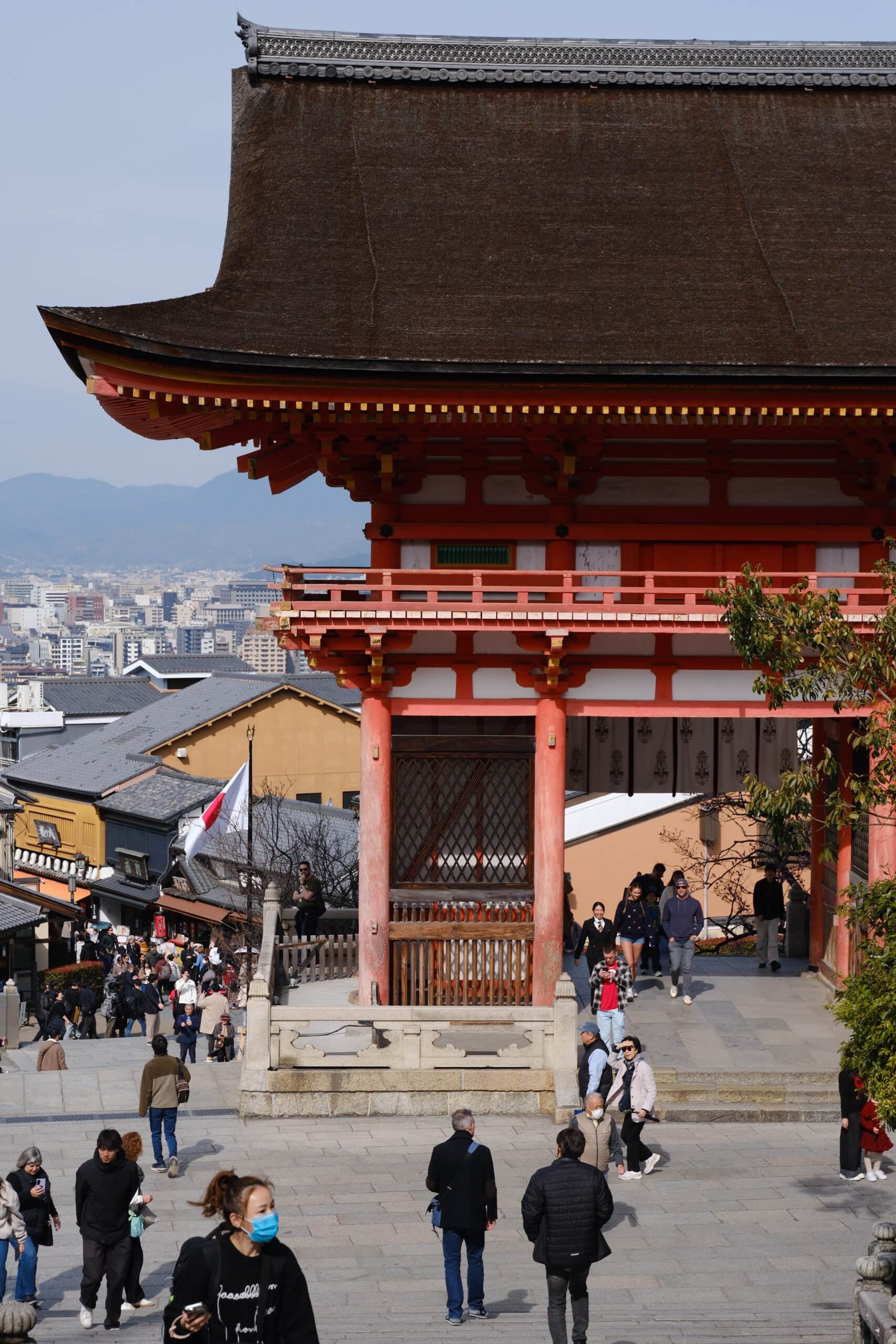
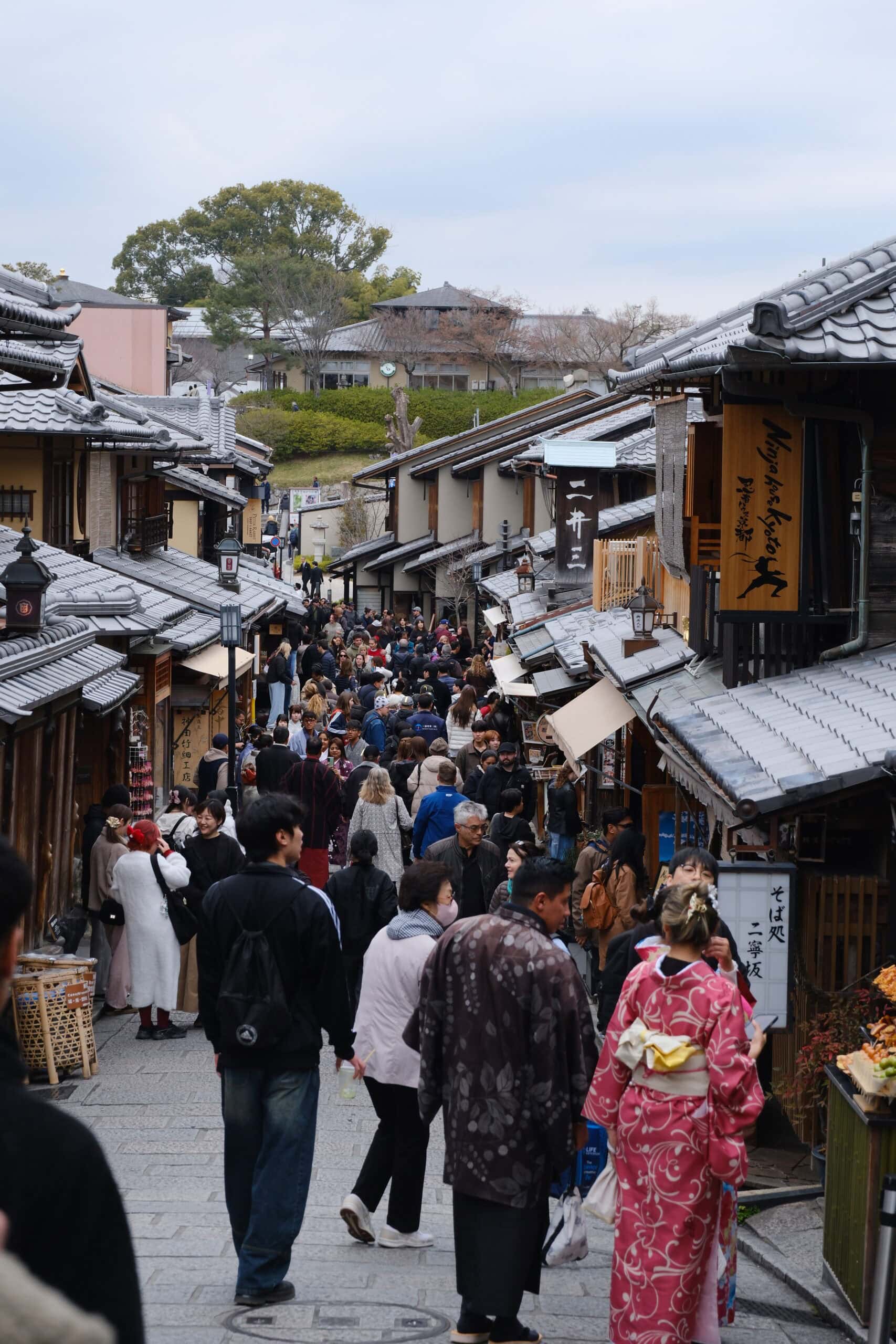
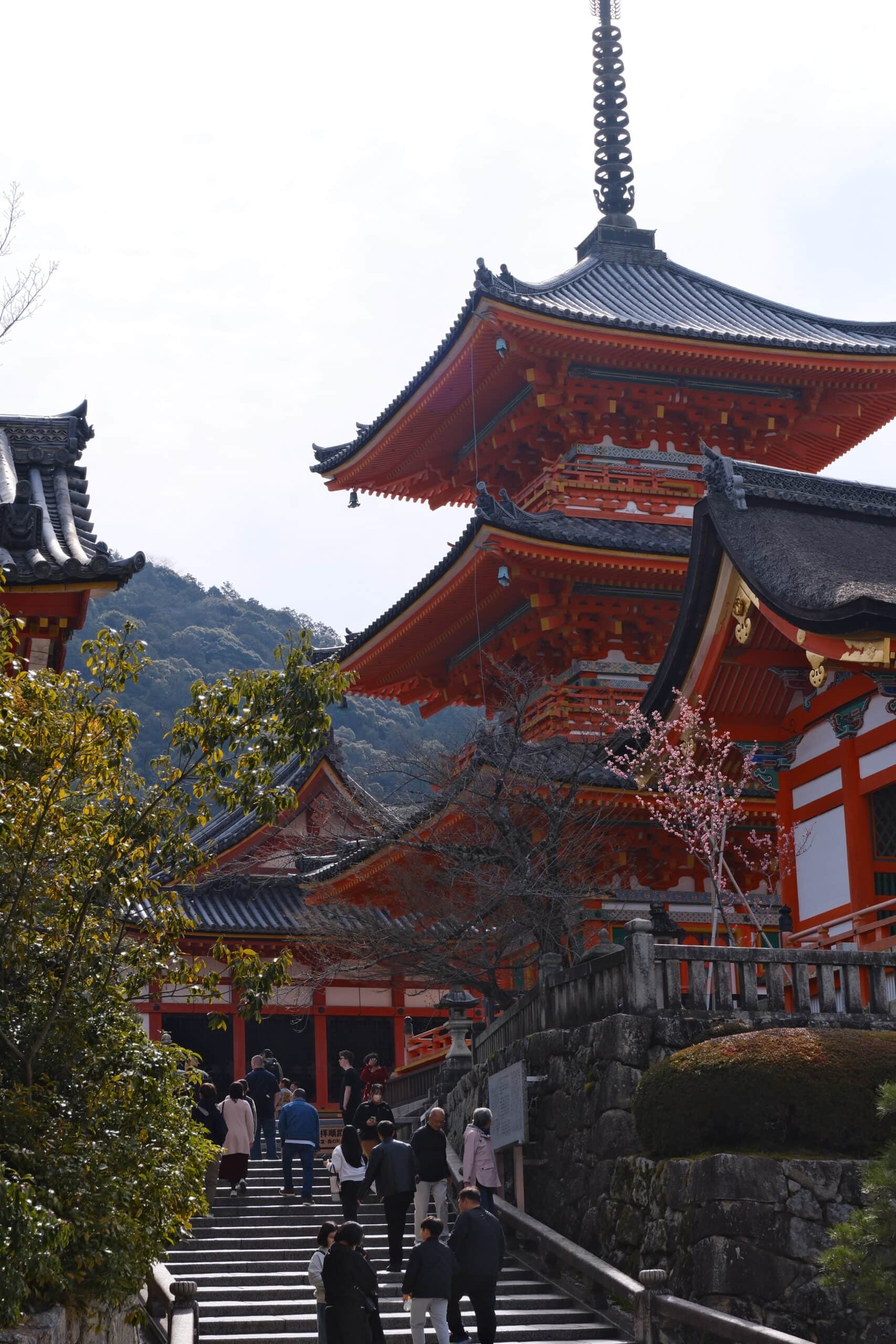
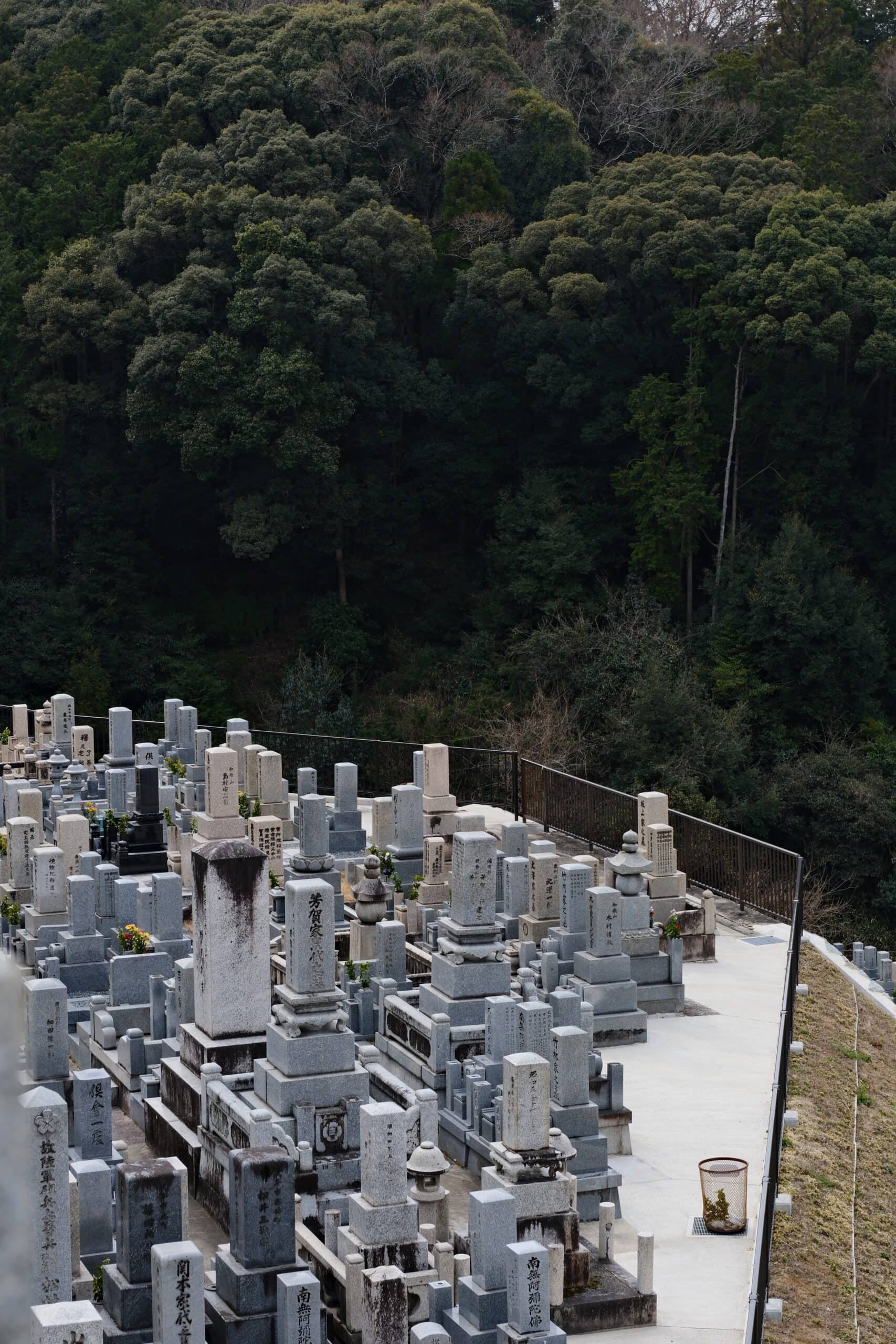
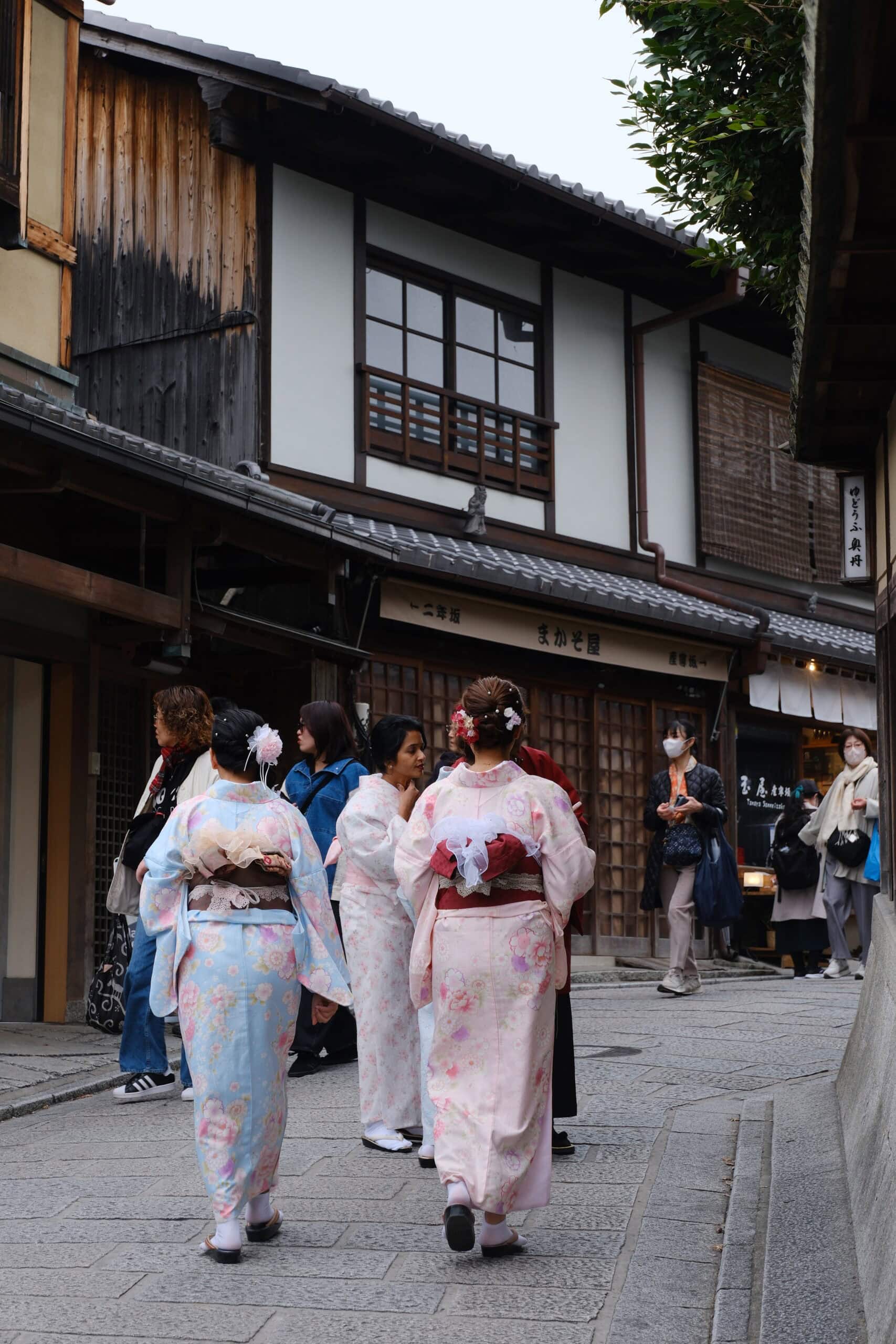
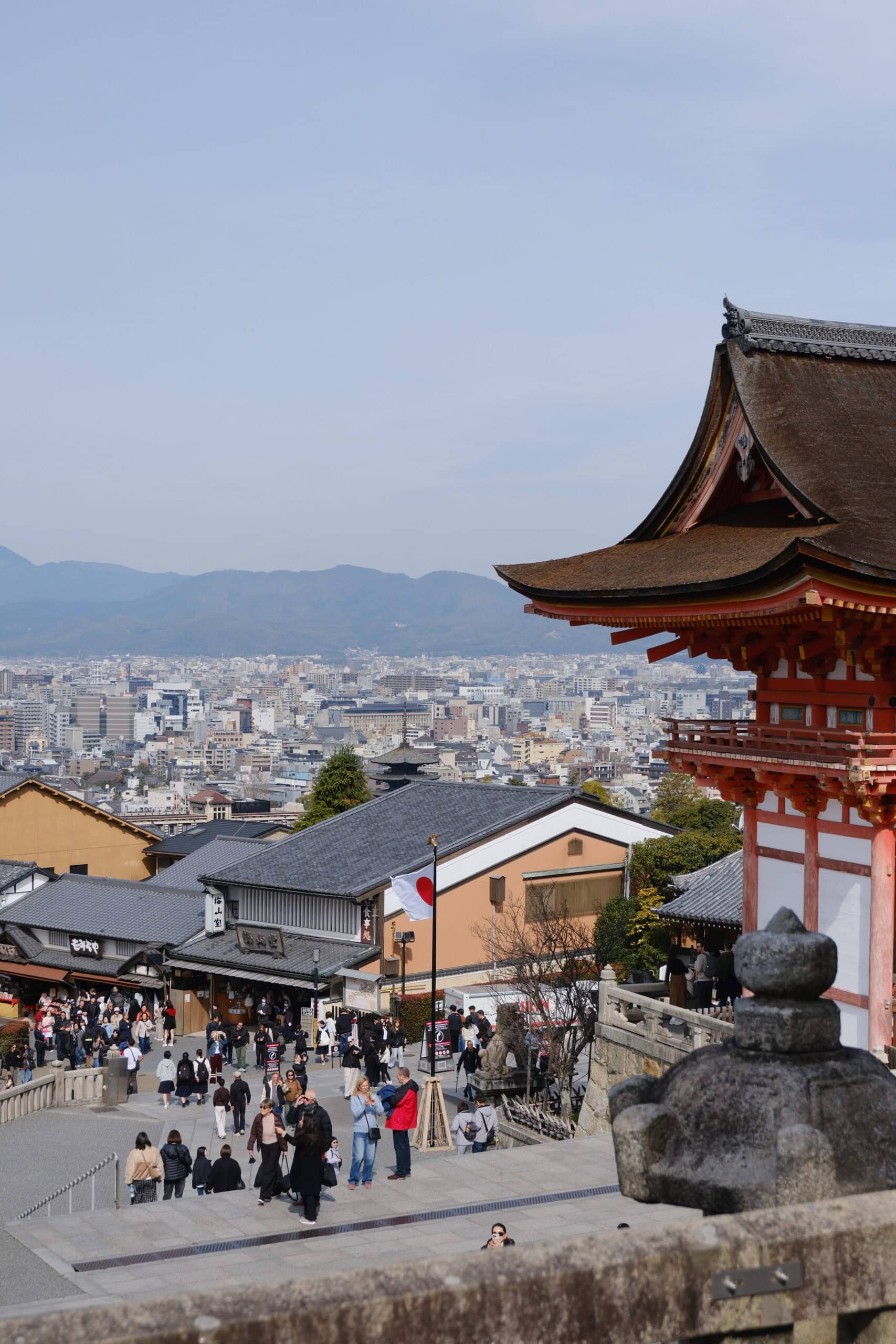
Kiyomizu-dera
Go early, before Kyoto’s most famous temple starts feeling like a school excursion with better hats. Kiyomizu-dera opens from 6:00am, and that first climb through Higashiyama is the difference between atmosphere and gridlock. The reward is the great timber stage, the city spread below, and the satisfying sense that you have done something ancient before breakfast.
Then comes the descent, which is frankly its own sport. Kiyomizuzaka, Sannenzaka and Ninenzaka turn the walk back down into one of Kyoto’s best souvenir hunts, lined with tea, sweets, ceramics, incense, chopsticks, fans and tiny edible packets that make Australian supermarket seasoning look spiritually bankrupt. This is where I lost my mind over a rice seasoning mix and had one of the best matchas of the trip at GOKAGO, a Japanese tea stand near the temple that 100% earns its queue and higher price.
Any promise to “just have a quick look” becomes legally meaningless here. Bring a shop-happy mum or aunty and you will spend the next hour gently herding them downhill like beloved, gift-buying cats. Let them roam. This is the place for take-home treasures: tea you will ration, ceramics wrapped in socks, sweets for people you love, and at least one mystery condiment you will wish you bought in bulk.
Location: Eastern Kyoto (Higashiyama)
Hours: Daily 6:00–18:00 (gates close ~18:30 in summer)
Cost: ¥500 adults; ¥200 elementary and junior high school students
Access: From JR Kyoto Station take Kyoto City Bus No.100 or 206 to “Gojozaka” (10 min walk). Alternatively, take the Keihan Line to Kiyomizu-Gojo Station (then ~25 min walk uphill).
Best For: Dawn or early morning to beat the crowds, panoramic city views, historic ambience
Need to Know: The climb is steep and paths can be slippery, so wear good shoes. Photography inside the main hall is not allowed, and the Sannenzaka and Ninenzaka lanes below are lined with souvenir stalls and tea shops.
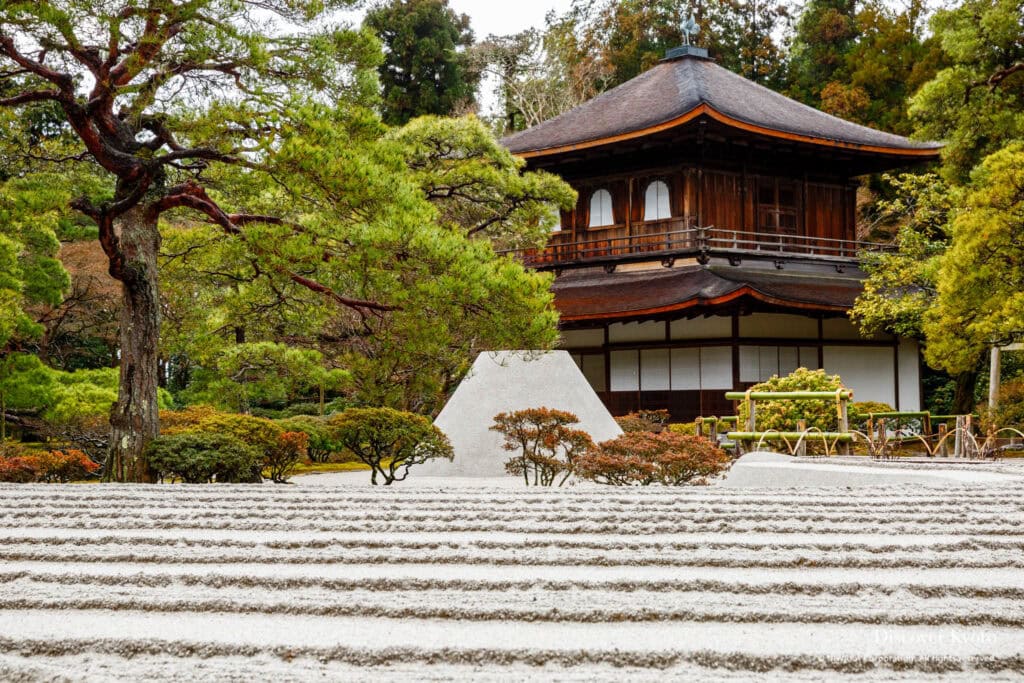
Ginkaku-ji
Ginkaku-ji shows how much Kyoto can do with restraint: dark timber, raked sand, moss, pond reflections and not a trace of silver, despite the name. It was built by Ashikaga Yoshimasa, a 15th-century shogun whose political life was chaotic, but whose retirement villa helped shape the city’s enduring taste for tea, gardens, poetry and carefully arranged beauty. The temple is all dark timber, raked sand, moss, pond reflections and that strange Kyoto trick of making restraint feel more luxurious than gold.
Put it first on the day, before the Philosopher’s Path fills with the slow shuffle of map-checking visitors. After Kiyomizu-dera’s height and bustle, Ginkaku-ji works differently: more precise, more watchful, and incredibly rewarding if you are willing to notice the details.
Sitchu Tip: From here, let the walk continue towards Honen-in, Eikan-do and Nanzen-ji.
Location: Eastern Kyoto, Sakyo, near the northern end of the Philosopher’s Path
Hours: Daily 8:30–17:00 from March to November; 9:00–16:30 from December to February. Opening hours may change for special exhibitions.
Cost: ¥1,000 adults; ¥500 primary and middle school students
Access: From JR Kyoto Station, take the Subway Karasuma Line to Imadegawa Station, then City Bus No. 203 to Ginkakuji-michi; allow around 43 minutes. The official temple access also lists Ginkakuji-michi and Ginkakuji-mae as the main bus stops.
Best For: Early mornings, gardens, raked sand and moss, pond reflections, a slower pace
Need to Know: The garden route includes stone paths and a gentle climb to a viewpoint, so wear comfortable shoes, especially after rain.
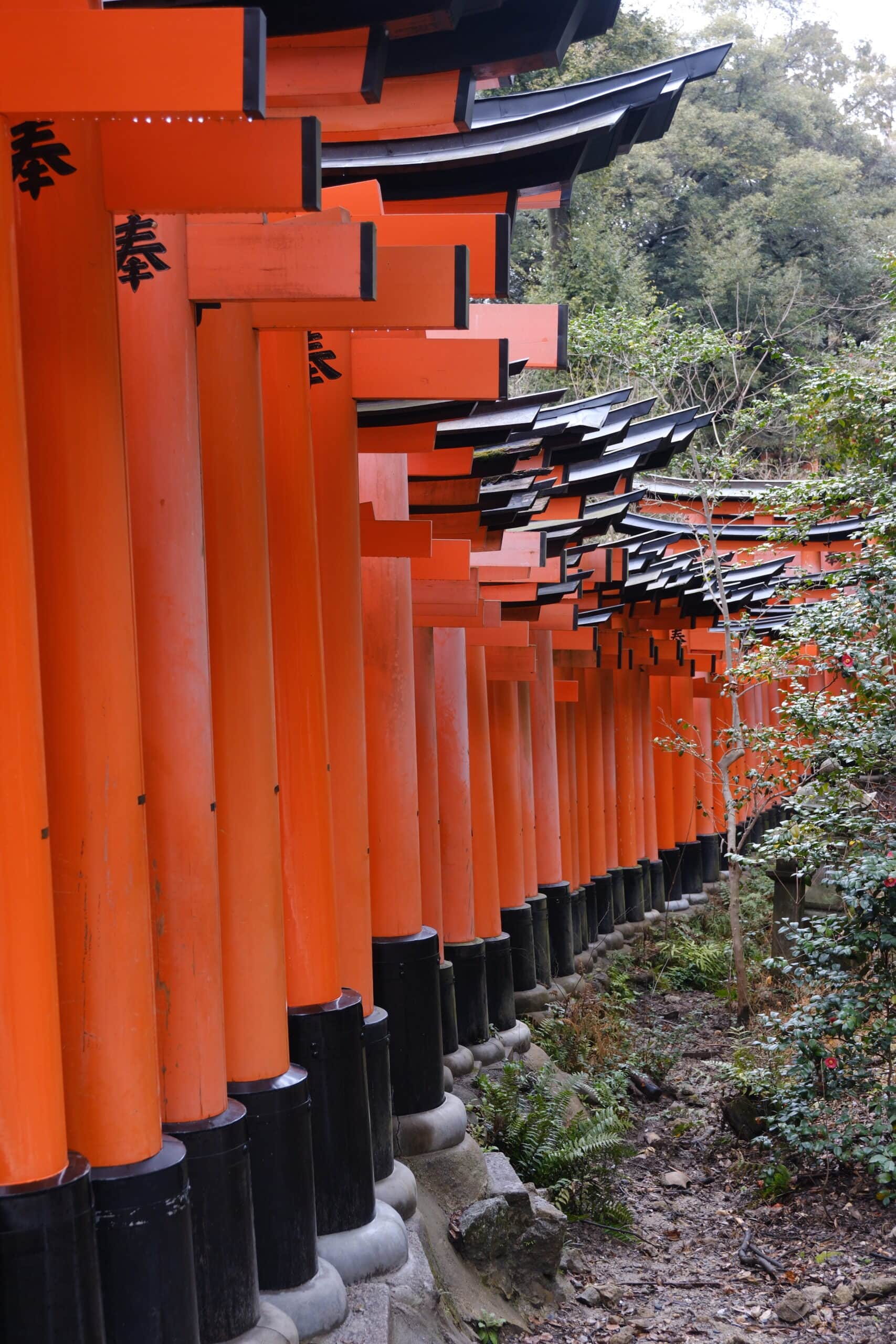
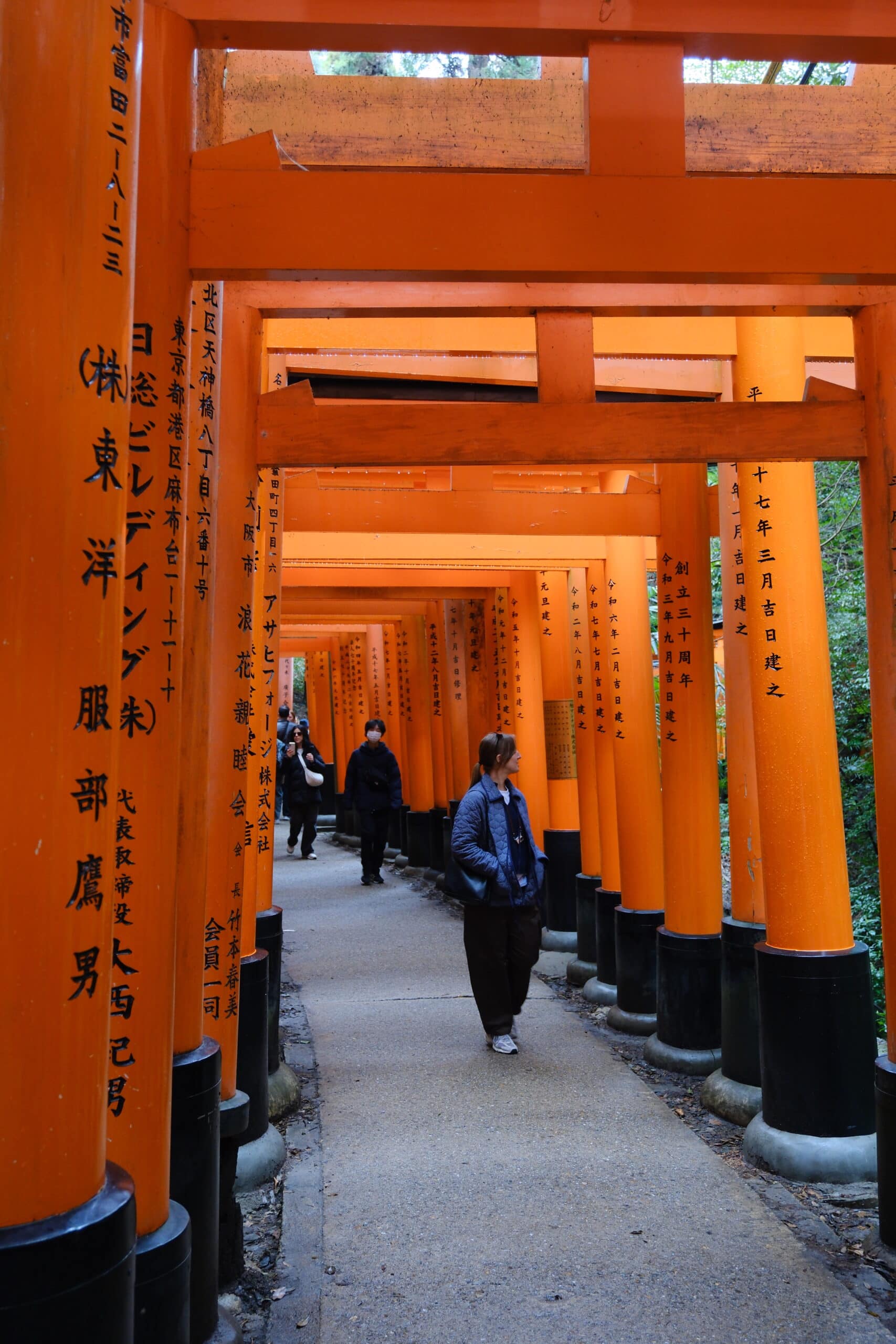
Fushimi Inari Taisha
Fushimi Inari Taisha is a great test of commitment. Most people arrive for the vermilion gates, spend 20 minutes trying to photograph their sister, cousin, or parents without 100 strangers glowing orange behind them, then peel away before the shrine has done its best work. Keep climbing. Founded in 711 and dedicated to Inari, the Shinto deity of rice, harvest and prosperity, the shrine runs up sacred Mt Inari in a blaze of donated torii gates, fox statues and forested stone paths.
Go at dawn if you want the famous lower gates without the crush, or after dark if you like your Kyoto with a little unease. The real reward comes higher up, once the crowd thins and the repetition starts to work on you: gate, step, fox, lantern, moss, shadow. You do not need to complete the full mountain loop, but walk at least to Yotsutsuji viewpoint before deciding. This is where Fushimi Inari stops being a photo mission and becomes something far stranger and more memorable.
Location: Southern Kyoto, Fushimi
Hours: Open 24 hours, daily
Cost: Free
Access: From JR Kyoto Station, take the JR Nara Line two stops to Inari Station, the shrine is right outside. Alternatively, take the Keihan Main Line to Fushimi-inari Station, then walk around five minutes east. Public transport is strongly recommended, as parking around the shrine gets crowded.
Best For: Dawn visits, free entry, adventure, unique experiences, solo exploring
Need to Know: The grounds do not close, but shrine services, charms and nearby food stalls generally operate during daytime hours. The full Mt Inari walk is a real climb, so wear good shoes, bring water and expect stone steps, forest paths and uneven ground.
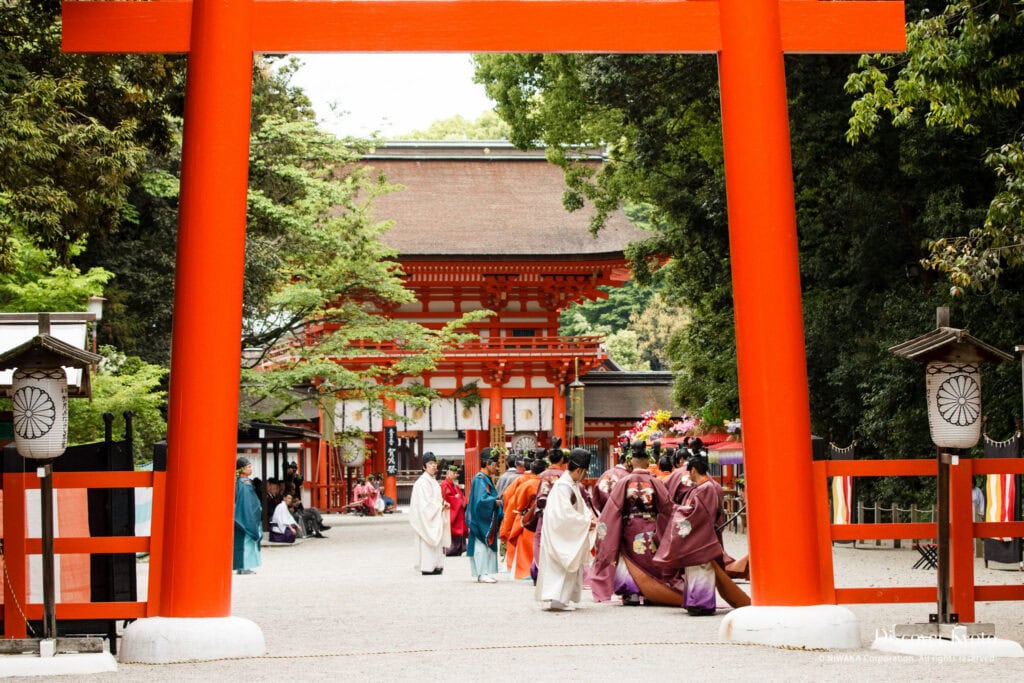
Shimogamo Shrine
Shimogamo Shrine is the Kyoto stop to save for the moment your temple stamina starts to fray. Its official name, Kamomioya-jinja, points to its role as the ancestral shrine of the Kamo clan, and the approach through Tadasu no Mori feels beautifully removed from the city: gravel, streams, old trees, vermilion gates and just enough space to hear yourself think.
It is one of Kyoto’s oldest shrines, long tied to the protection of the capital, but the joy is in the small detours. Stop at Kawai Shrine for mirror-shaped beauty ema, find Mitarashi Pond, whose rising bubbles are said to have inspired mitarashi dango, then wander back towards Demachiyanagi. If there is a line at Demachi Futaba, join it. The mame mochi, eaten by the Kamo River with fingers dusted in rice flour, is the ideal ending: soft, salty, sweet and gone far too quickly.
Location: Northern Kyoto, Sakyo, near Demachiyanagi
Hours: Daily 6:30–17:00 for the inner shrine area; Kawai Shrine is open 6:30–16:30. Hours may change for ceremonies.
Cost: Free
Access: From Kyoto Station, take City Bus No. 4 or 205 to Shimogamo Jinja-mae or Tadasu no Mori-mae. Alternatively, take the JR Nara Line to Tofukuji, transfer to the Keihan Line for Demachiyanagi, then walk around 12 minutes.
Best For: Nature lovers, quieter temples, escaping the crowds
Need to Know: Shimogamo Shrine is one of Japan’s oldest shrines, set where the Takano and Kamo rivers meet, and is part of Kyoto’s World Heritage listing.
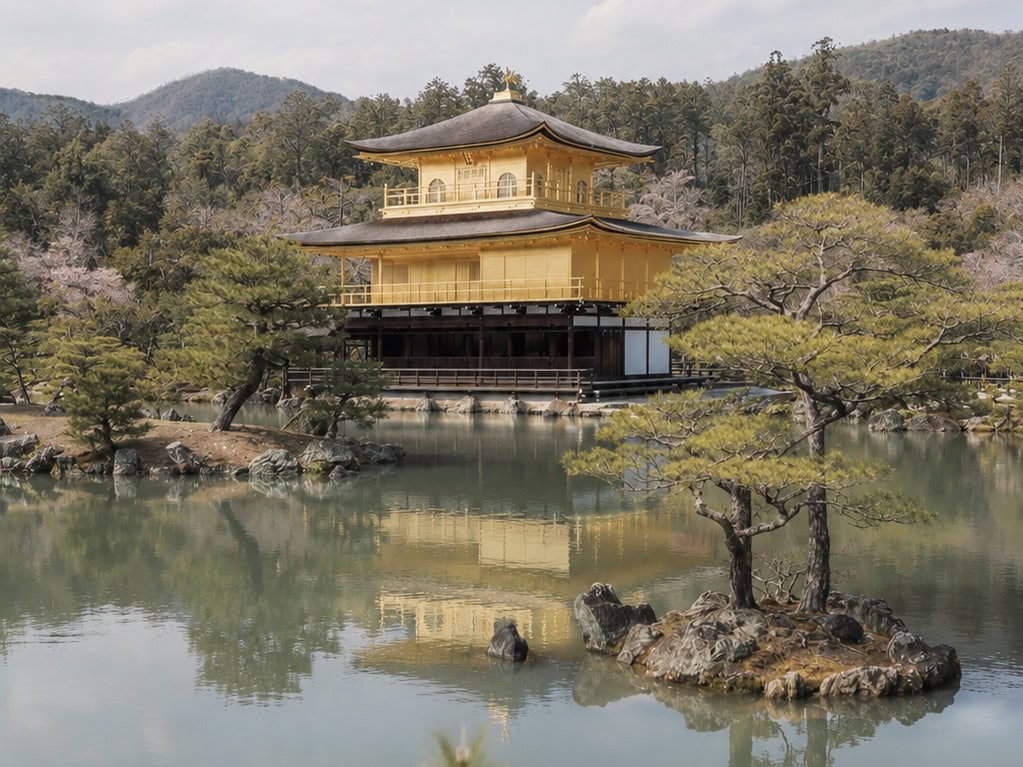
Kinkaku-ji (Golden Pavilion)
Kinkaku-ji does not pretend to be modest. Officially called Rokuon-ji, the Golden Pavilion still behaves like a ruler holding court. It began as the retirement villa of Ashikaga Yoshimitsu, the third Ashikaga shogun, whose taste for power, Chinese culture and lavish design helped shape Kitayama culture. After his death, the villa became a Zen temple, but the Golden Pavilion still behaves like a ruler holding court.
The first view across Kyoko-chi, the Mirror Pond, is the whole reason people forgive the crowds: gold leaf, dark water, clipped pines and a reflection so neat it almost feels staged. The current pavilion is a 1955 reconstruction after the original burned down in 1950, which somehow adds to its magnetism.
Sitchu Tip: This is not a long, wandering visit. Do the garden loop slowly, take the classic photo, then pair it with nearby Ryoan-ji for stone-garden brain space.
Location: Northern Kyoto, Kita ward
Hours: Daily 9:00–17:00, open year round, with possible changes for special exhibitions.
Cost: ¥500 adults; ¥300 primary and middle school students
Access: Take the Kyoto City Bus to Kinkakuji-michi stop. From Ginkaku-ji, buses 102 and 204 connect to Kinkakuji-michi.
Best For: Early morning visits, photography, first-time visitors, iconic views
Need to Know: This is usually a shorter visit, so pair it with nearby Ryoan-ji or Ninna-ji if you are already in the northwest.
Otagi Nenbutsu-ji Temple
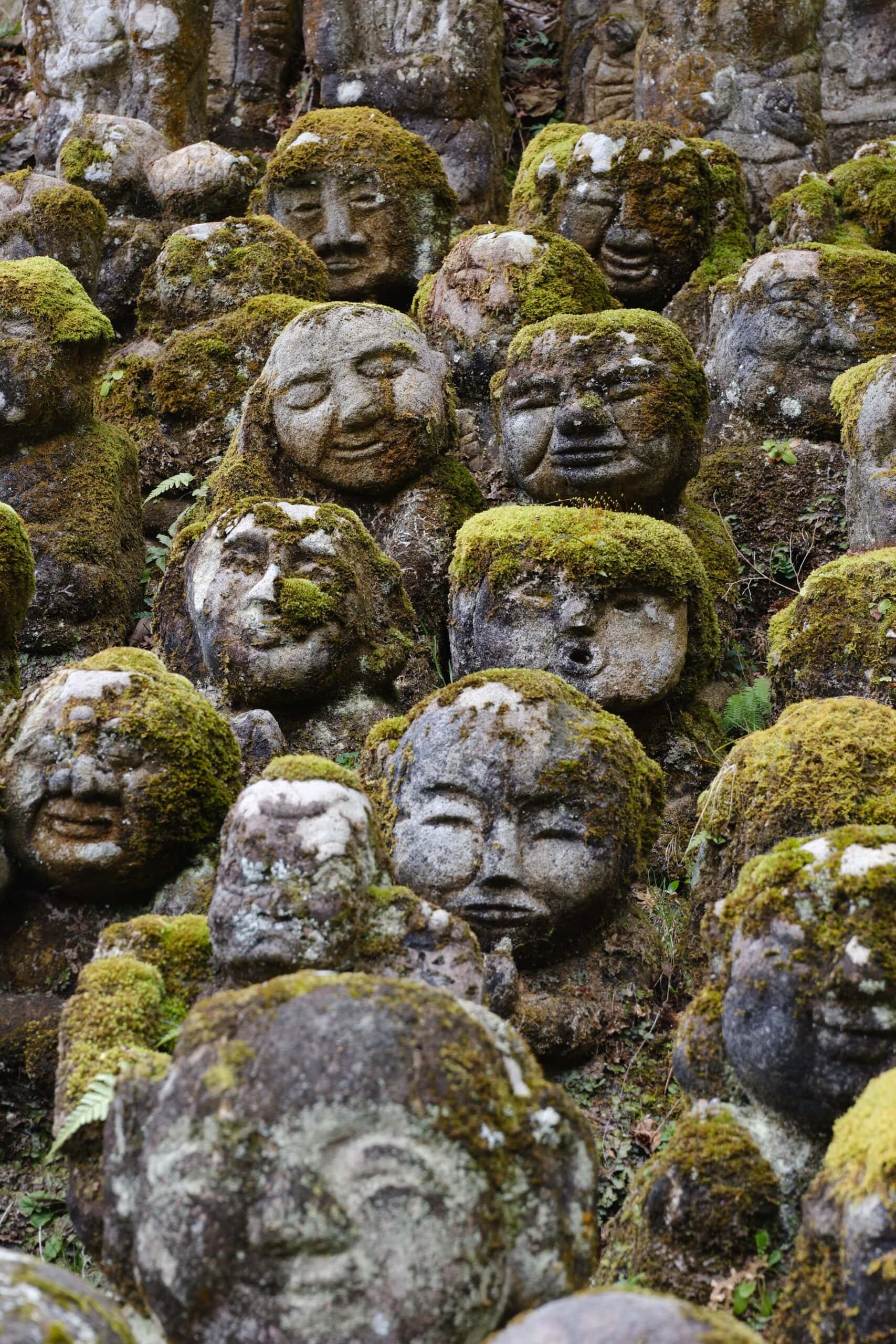
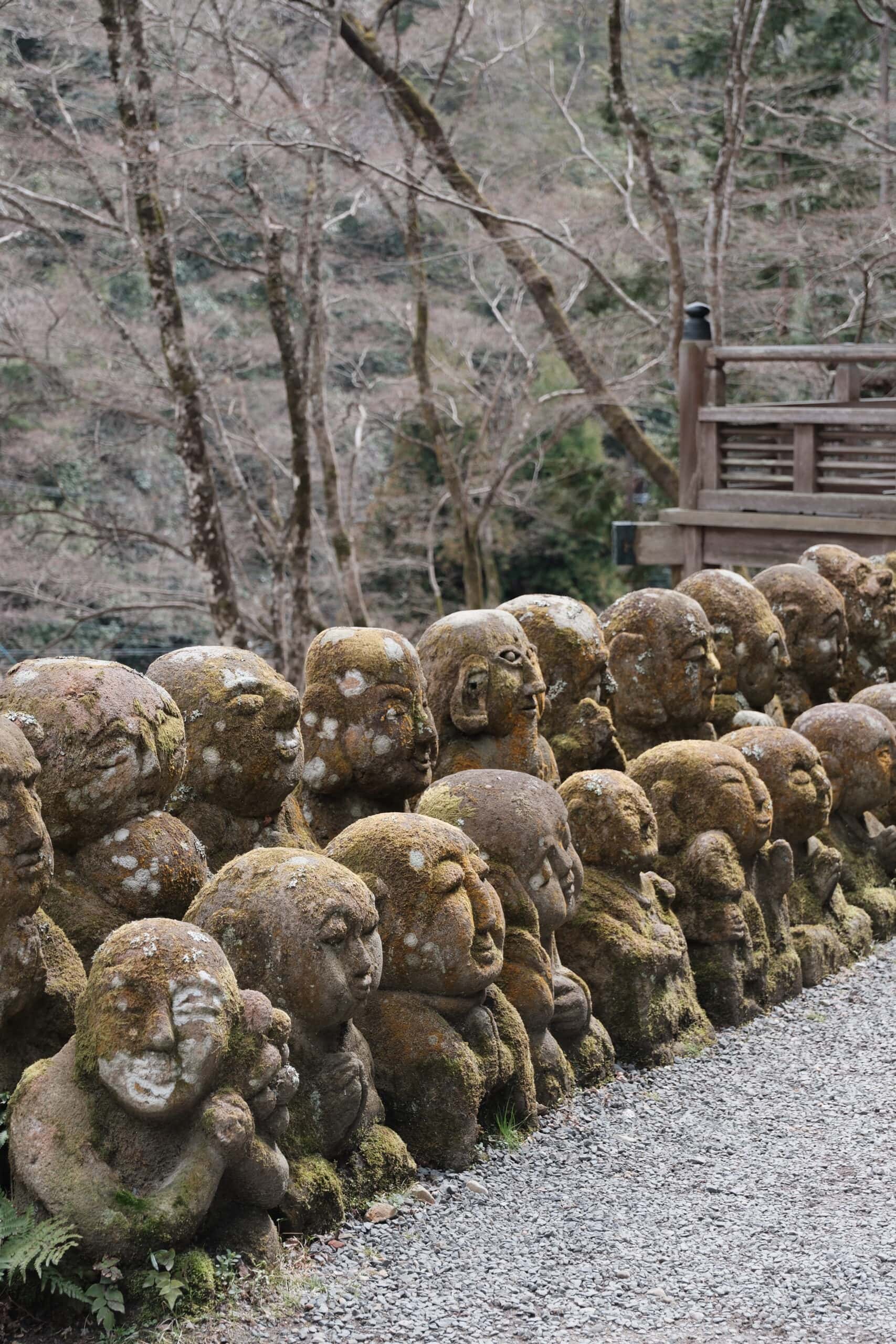
Otagi Nenbutsu-ji is the Arashiyama temple that proves Kyoto has a sense of humour. I visited with my youngest sister and her boyfriend, and we had the most wholesome fun moving from statue to statue, staring into their faces as if waiting for one of them to say something back.
The temple is home to 1,200 rakan, stone figures representing Buddha’s disciples, carved during its modern restoration under Kocho Nishimura, a Buddhist sculptor and restorer who later became the temple’s head priest. Rather than commissioning one uniform army, he invited people to carve their own figures under his guidance, which is why they feel so human. Some grin, some pray, some smirk, some look caught in private jokes.
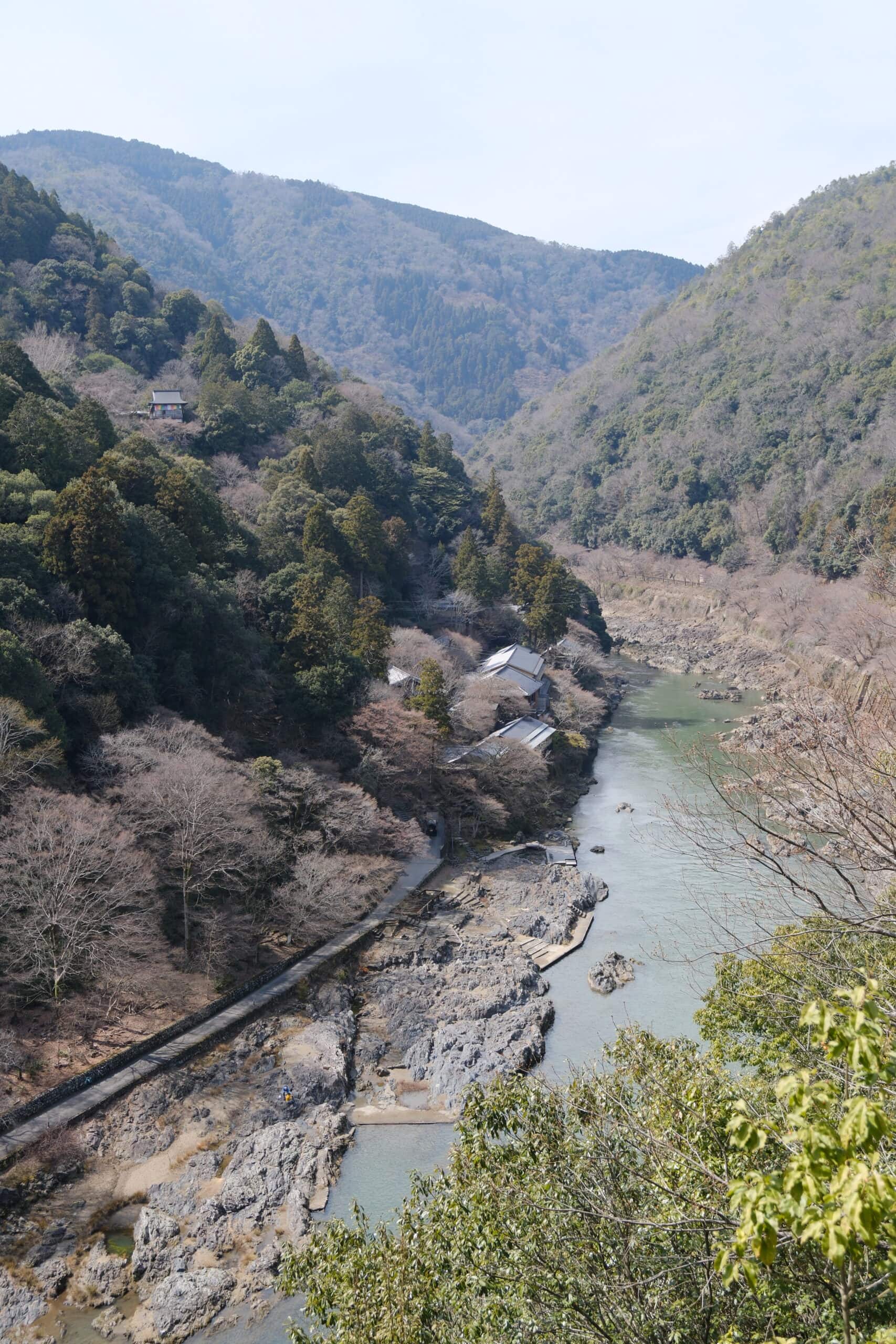
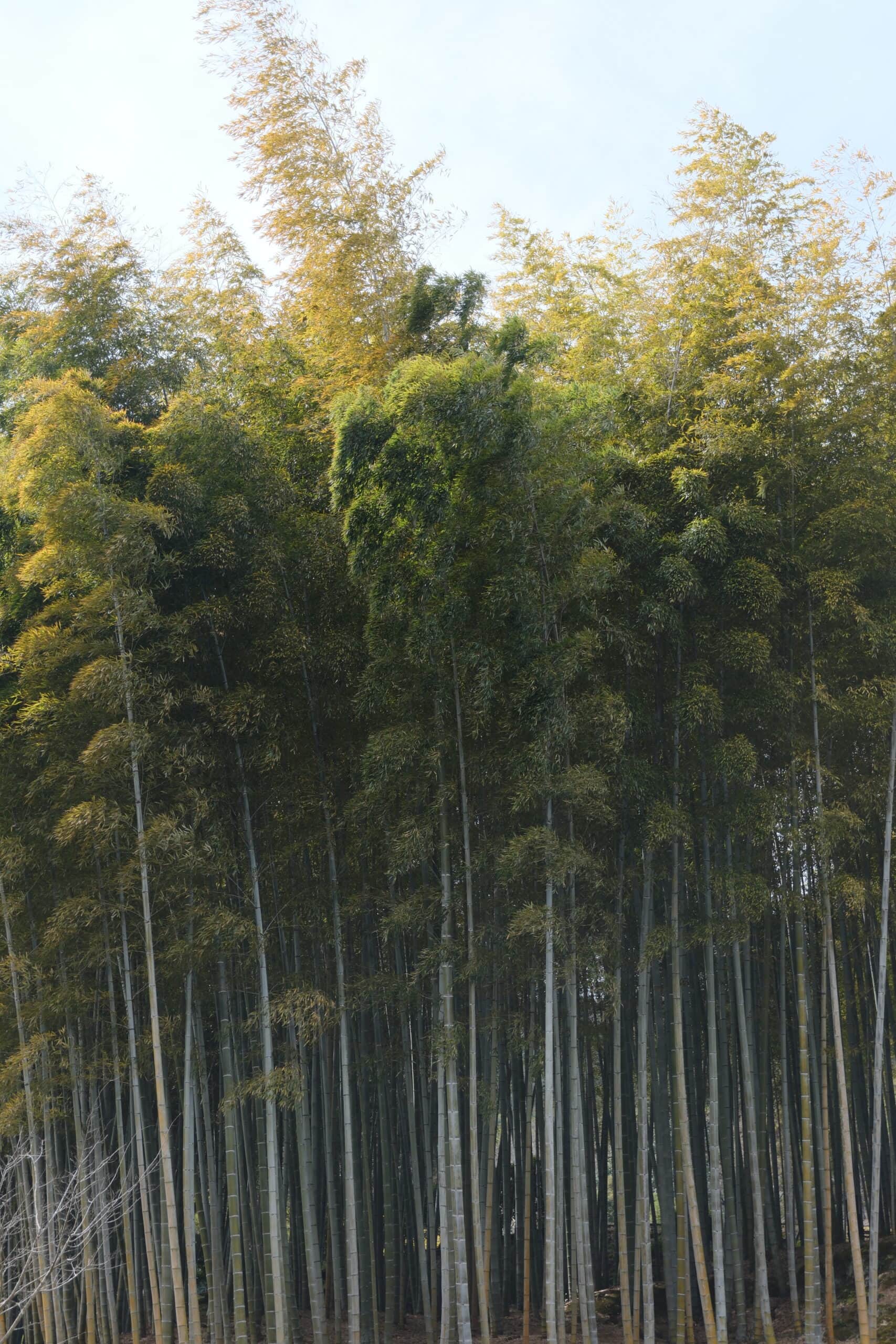
It is odd, wonderful, near mythical and unlike anywhere else I visited in Kyoto. Start here, then make your way downhill through Saga-Toriimoto towards the bamboo forest, Togetsukyo Bridge and Arashiyama’s icy blue waters. It gives the whole day a better shape, beginning with this mossy hillside of personalities before the famous river-and-mountain light takes over.
Location: Saga-Toriimoto, Ukyo-ku, northern Arashiyama
Hours: 9:00–16:00, closed Wednesdays and Saturdays.
Cost: ¥1,000; children under 10 free
Access: From JR Saga-Arashiyama Station, take a taxi for around five minutes, or walk west to Nonomiya bus stop and take Kyoto Bus 94 towards Kiyotaki, getting off at Otagi Dera Mae. Walking from JR Saga-Arashiyama Station takes around an hour and is mostly uphill.
Best For: Unique experiences, free-flowing itineraries, Arashiyama day trips, off-the-beaten-path temples
Need to Know: The temple recommends starting here before walking downhill through Saga-Toriimoto towards the bamboo forest, Togetsukyo Bridge and the riverside area, so it works well as the first stop on an Arashiyama day.
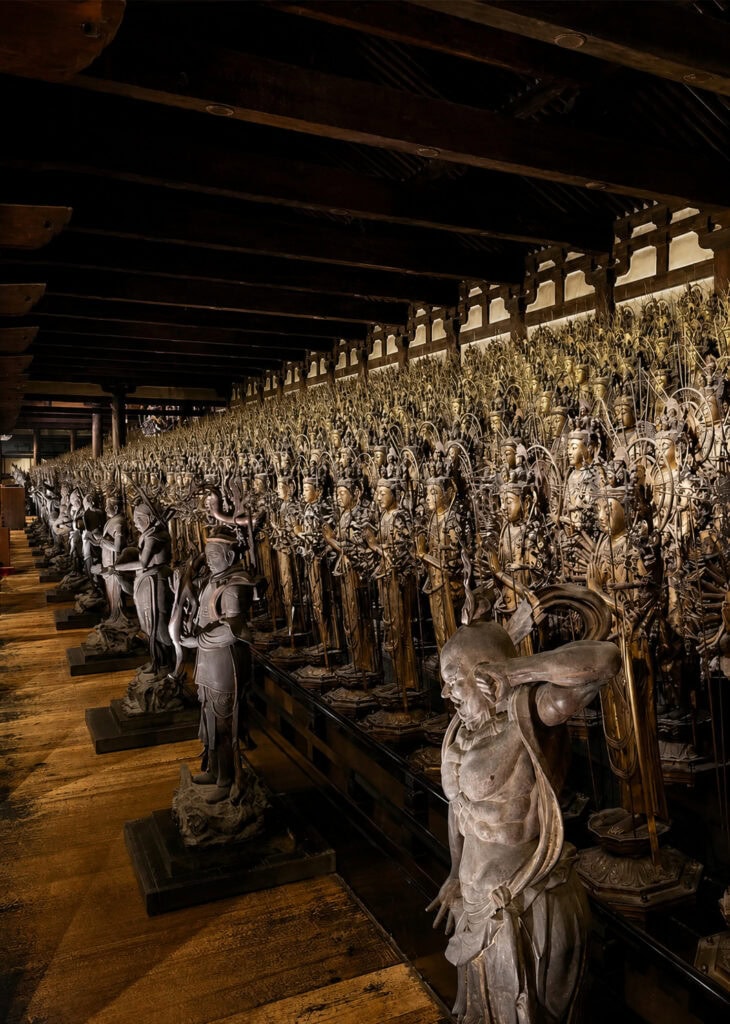
Sanjūsangen-dō
Sanjūsangen-dō asks for no climb, no view and no perfect timing. From outside, it is a long, dark timber hall beside a gravel courtyard, austere enough to almost pass too quickly. Then you step in: shoes off, voices lowered, and 1,001 Thousand-Armed Kannon statues receding in ranks of gold faces and shadow. The longer you look, the more they seem to multiply. Its name refers to the 33 bays between the pillars, a number tied to Kannon, the bodhisattva of compassion, and the hall turns that arithmetic into something unforgettable.
Location: Eastern Kyoto, Higashiyama, near Kyoto National Museum
Hours: Daily 8:30–17:00 from 1 April to 15 November; 9:00–16:00 from 16 November to 31 March. Last entry is usually 30 minutes before closing.
Cost: ¥600 adults
Access: From Kyoto Station, walk around 18 minutes east along Shichijo-dori, or take City Bus 106 towards Higashiyama. From Gion-Shijo, take the Keihan Line to Shichijo Station, then walk around six minutes.
Best For: Free time between stops, indoor temples, low-effort visits, art and culture lovers
Need to Know: Shoes come off before entering the hall, and photography is not allowed inside, so save your camera for the courtyard and timber exterior.
FAQs

Pack an IC card such as Suica, PASMO, ICOCA, Welcome Suica or TOURIST PASMO for trains, buses, vending machines and konbini runs, plus a low-fee debit card, some cash, an eSIM, portable charger, Google Maps and Google Translate. For food, use Tabelog over Google reviews. It is where locals tend to rate seriously, so do not panic at 3.5 stars. In Japan, that can signal a genuinely excellent restaurant.
Kyoto works beautifully for family travel, especially with an adult group, because the days can be as structured or as snack-led as everyone needs. Start early in Arashiyama for Togetsukyo Bridge, Tenryu-ji and the bamboo grove, graze through Nishiki Market, book one special kaiseki or sushi meal, then give everyone breathing room along the Kamo River at dusk. Gion, Higashiyama, Pontocho and Central Kyoto are ideal for wandering, while coffee shops, bakeries, matcha stops and tiny souvenir finds keep the day moving without needing a rigid itinerary.
The best day trips from Kyoto are Nara, Uji, Osaka and Himeji. Nara is the classic first choice, with deer, Todai-ji, Kasuga Taisha and ancient-capital atmosphere. Uji suits matcha lovers, with tea houses, river walks, Byodoin Temple and green-tea sweets. Osaka is the food, shopping and nightlife contrast, close enough for Dotonbori and a late train back, while Himeji has Japan’s most spectacular original castle. For more adventurous escapes, try Ine’s waterfront funaya, Miyama’s thatched-roof village or the Tango Peninsula for coastal scenery, cycling and seafood.
You need at least three days in Kyoto, but four or five is better if you want the city to feel like more than a checklist. Spend one day in Gion, Higashiyama and Kiyomizu-dera, one in Arashiyama and Sagano, one around Nishiki Market, Pontocho, cafes and the Kamo River, then keep extra time for Fushimi Inari, Northern Higashiyama, Okazaki or a slow day built around bakeries, matcha and dinner. Kyoto rewards anyone who resists packing the day too tightly.
Loved our guide to travelling in Kyoto? Keep the passport within reach. Our new international guides are here to help you plan the next escape, from island days in Nusa Lembongan to long lunches, parks, pubs and neighbourhood wandering in North London. Start planning your next trip now.