Subscribe


 Subscribe
Ultimate Melbourne Travel Guide 2027: Where to Stay, Eat, Explore & Plan Your Trip
Planning a trip to Melbourne? This complete Melbourne travel guide covers the best places to stay, eat and drink, top attractions, neighbourhoods to explore, day trips, transport tips and everything you need to plan your visit.


Melbourne rewards curiosity. Victoria’s capital is a city of grand old arcades, independent neighbourhoods and a remarkable appetite for the new. There’s Hugh Allen’s tasting menu at Yiaga in East Melbourne, a glass of Burgundy at Marion in Fitzroy, Leonard French’s stained-glass ceiling at NGV International in Southbank and the collective roar of nearly 100,000 football supporters at the MCG. This Melbourne travel guide covers where to stay, eat, drink and explore, with the neighbourhoods, day trips and insider knowledge to make the city your own.
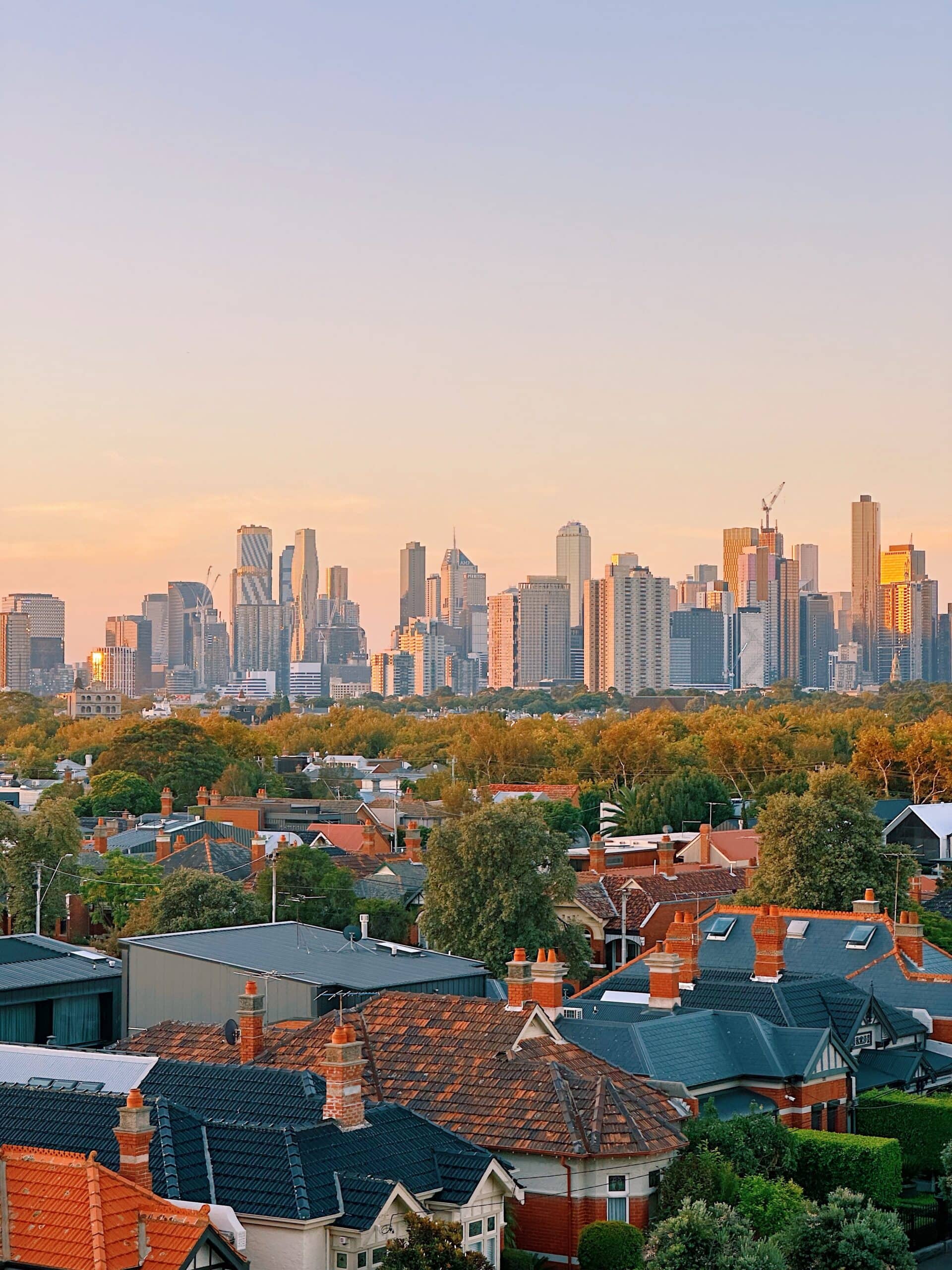
Melbourne rarely hands you its best bits all at once. They reveal themselves down bluestone laneways, up unmarked staircases and several tram stops beyond the CBD. A century-old Italian cafe might share a block with an ambitious new restaurant. Grand galleries coexist with tiny artist-run spaces; an old pub might conceal a basement jazz club. Generations of migration have left their mark on the city’s streets and its appetite, from Carlton’s espresso bars to the Lebanese bakeries of Sydney Road. Food is as good a way as any to begin understanding Melbourne.
Leave room for detours. A market breakfast becomes lunch, and entire afternoons disappear among bookshops, independent boutiques, record stores and the occasional second coffee. Carlton feels nothing like Collingwood; Brunswick marches to its own beat; St Kilda has the sea and a healthy disregard for convention. South Melbourne has its market, where oysters before midday are entirely respectable. A handful of tram stops can change the character of a day.
And then night falls. Theatre marquees illuminate the East End, dining rooms fill, bands take to tiny stages and football crowds stream towards the MCG. Somewhere above the streets, Champagne is being poured beneath the stars. Elsewhere, a neighbourhood wine bar is turning one glass into a bottle. You could plan every hour of a Melbourne visit, but you’d miss half the fun.
In This Guide
Why Visit Melbourne?
Melbourne is a city for travellers who like their days full and their plans flexible. Its great strengths are food, art, independent shopping, live music and sport, with each neighbourhood providing a different introduction. The CBD is compact enough to explore on foot, trams connect the inner suburbs, and some of the country’s finest cultural institutions are free to visit.
It’s equally rewarding for a long weekend or a longer holiday. Spend three days finding your feet in the city, or make a week of it with vineyard lunches in the Yarra Valley, mineral bathing in Daylesford and a coastal drive along the Great Ocean Road.
Who is this guide for? First-time visitors, returning travellers, couples planning a food-focused weekend, families exploring with children and anyone using Melbourne as the starting point for a Victorian holiday.
Key Highlights:
Easy to explore: Walkable CBD, free city trams and an extensive public transport network. World-class dining, renowned coffee culture, laneways, galleries and major sporting events.
Perfect base to explore further afield, including the Yarra Valley’s wineries, the beaches and hot springs of the Mornington Peninsula, the Dandenong Ranges, Daylesford and the spectacular Great Ocean Road.


Melbourne at a Glance
Best Time to Visit: March to May for milder autumn weather, food festivals and changing garden colours. September to November for spring gardens and the AFL finals. December to February for outdoor dining, rooftop bars and the Australian Open. Melbourne is a year-round destination, but bring layers in every season.
Airport: Melbourne Airport (Tullamarine), approximately 25km from the CBD. SkyBus connects the airport to Southern Cross Station, generally taking around 30 minutes depending on traffic.
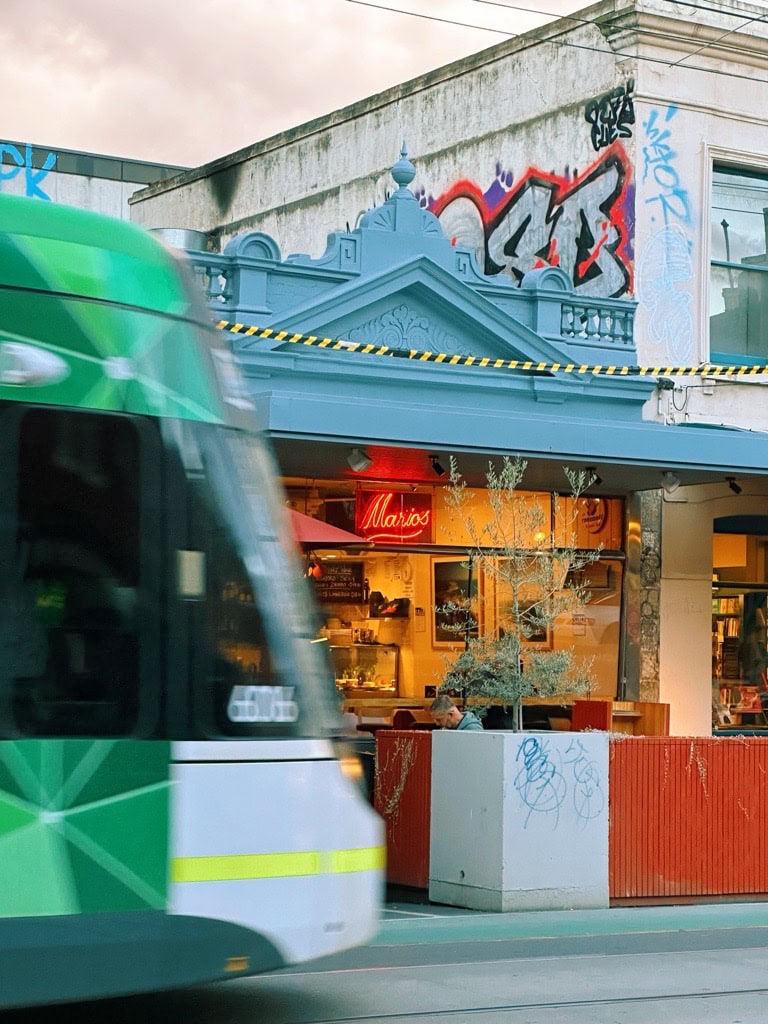
Getting Around: Walk, tram or train. The CBD and Docklands have a Free Tram Zone, while contactless Visa and Mastercard payments work on Melbourne’s metropolitan public transport network. Regional journeys may have different ticketing requirements.
Best Areas to Stay: CBD and Southbank for first-time visitors; Fitzroy and Collingwood for restaurants and nightlife; Carlton for Italian dining and heritage streets; South Yarra and Prahran for shopping; St Kilda for the beach.
Typical Trip Length: Allow 3 to 5 days for the city and its neighbourhoods, or 5 to 7 days to include regional Victoria.
Known For: Coffee culture, independent fashion, ambitious dining, laneway bars, galleries, live music and a devotion to Australian Rules football.
Major Annual Events: Australian Open, Formula 1 Australian Grand Prix, Melbourne Food & Wine Festival, Melbourne International Comedy Festival, RISING, AFL Grand Final, and the Boxing Day Test.
Book Ahead: Destination restaurants, popular exhibitions, major sporting fixtures, St Kilda’s penguin-viewing sessions and accommodation during large events. The Twelve Apostles now require visitor bookings, too.
Good to Know: Melbourne uses Australian dollars, drives on the left and experiences rapid weather changes. The CBD is easy to navigate without a car; regional road trips are generally easier with one.
Where to Stay in Melbourne
Best areas to stay in Melbourne at a glance:
- CBD / Southbank: Best for first-time visitors, landmark hotels, historic laneways, riverfront dining, galleries and easy access to major attractions.
- Fitzroy & Collingwood: Best for food lovers, design-led boutique stays, independent fashion, neighbourhood wine bars and live music.
- Carlton: Best for Italian dining, leafy heritage streets, independent bookshops, beautiful gardens and a village-like atmosphere.
- South Yarra & Prahran: Best for boutique hotels, designer shopping, destination dining, Prahran Market and excellent neighbourhood cafes.
- St Kilda: Best for bayside stays, live music, historic pubs, seaside dining and Melbourne’s more eccentric side.

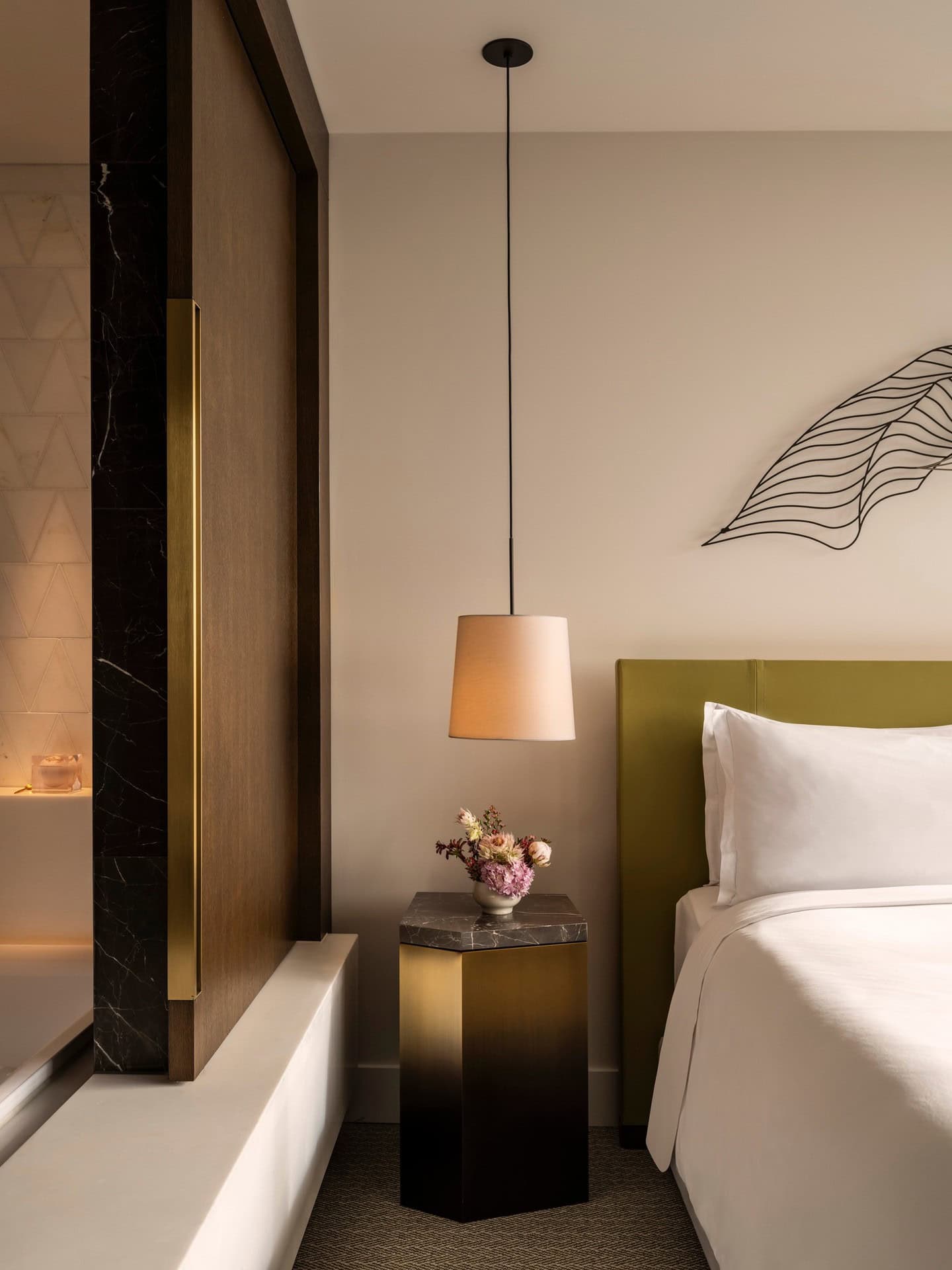

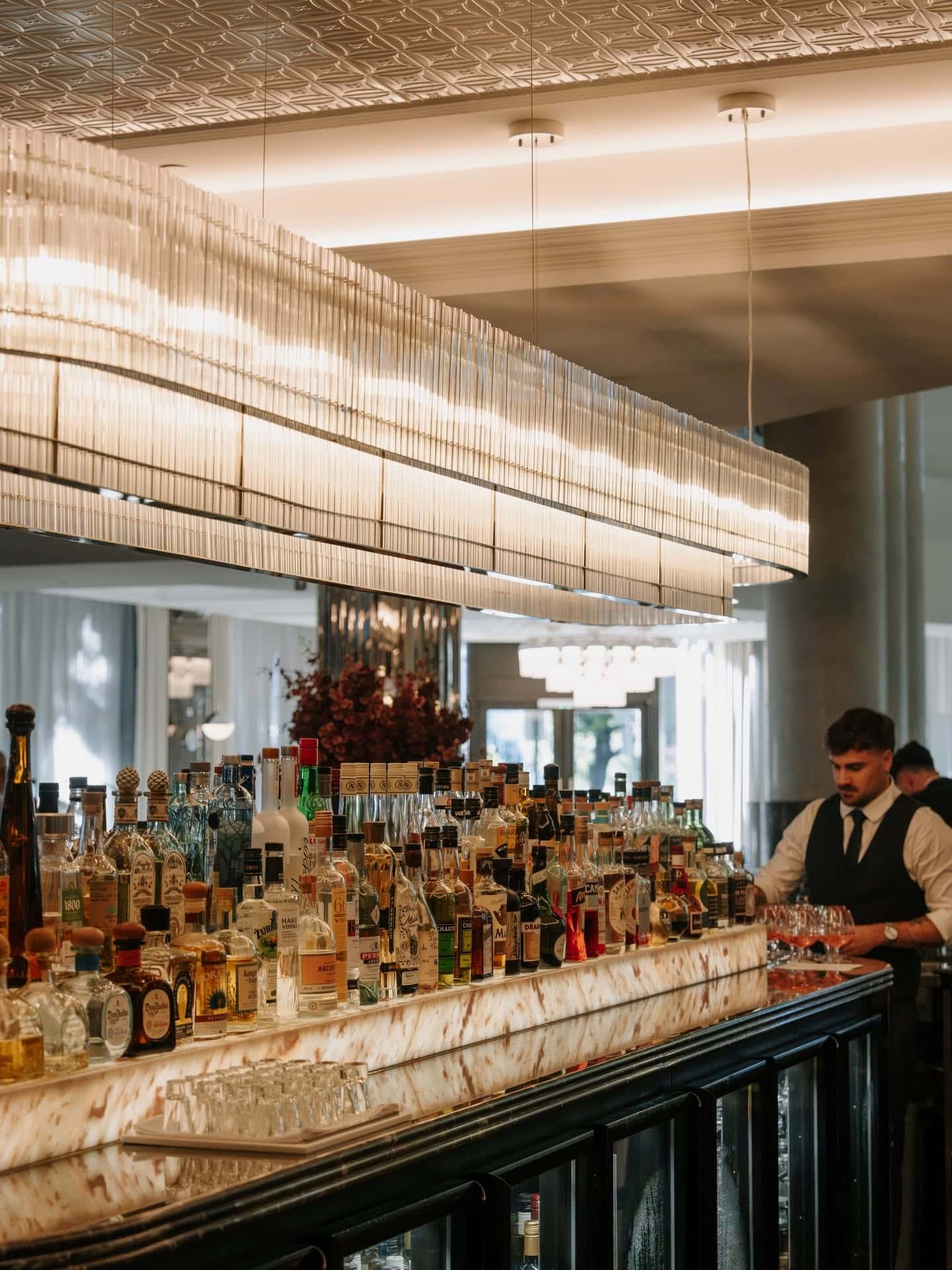
Best Luxury Hotels in Melbourne
The Ritz-Carlton: From the eightieth floor of The Ritz-Carlton, Melbourne seems to extend in every direction. Check-in comes with views across the rooftops to Port Phillip Bay; downstairs, the level-64 infinity pool seems to hover above the city. Atria handles dinner with similar altitude and ambition. Book a window table. This is a hotel for looking out.
1 Hotel Melbourne: The old riverside Goods Shed No. 5 has found a second life. Reclaimed timber, leafy interiors and Yarra views give this Docklands address its character; Bamford Wellness Spa handles the pampering. At From Here by Mike, Victorian produce takes its place at the centre of the table.
The Royce: Once a showroom for Rolls-Royces, The Royce (St Kilda Road) still knows how to make an entrance. Its grand staircase leads to lavish loft suites, while Showroom Bar has a marble fireplace and Friday-night jazz. The Royal Botanic Gardens are a short walk away.
Explore more exceptional stays in our Best Hotels in Melbourne guide.


Best Boutique Hotels in Melbourne
The StandardX: Fitzroy has no shortage of interesting doors, but The StandardX’s lipstick-red revolving one is hard to miss. Inside, local art gives the rooms a distinctly Fitzroy character; Bistro X handles French-leaning dinners, and On Top supplies rooftop drinks. Brunswick Street’s vintage shops and wine bars are moments away.
Hannah St Hotel: At Hannah St Hotel (Southbank), Melbourne’s Flack Studio has had tremendous fun with colour, stone and sculptural furniture. Named Gourmet Traveller’s Best New Hotel for 2026, it pairs art-filled rooms with Coupette’s bistro cooking, an indoor pool and a rooftop lounge.
Hyde Melbourne Place: The curving red-brick façade on Russell Street makes Hyde Melbourne Place (CBD) difficult to pass without looking twice. Kennedy Nolan’s richly coloured interiors carry the drama indoors. Ross Lusted handles dinner at Marmelo, while rooftop Cleo has magnificent circular arches overlooking the city. Mr Mills awaits downstairs for a nightcap.
The Lyall: A little Paris, by way of South Yarra. The Lyall’s 50 rooms and suites come with locally made furniture and beautifully appointed bathrooms, while French balconies lend the building its townhouse appeal. Toorak Road’s boutiques are close enough to tempt a second suitcase.
Discover more exceptional stays in our Best Boutique Hotels in Melbourne guide.

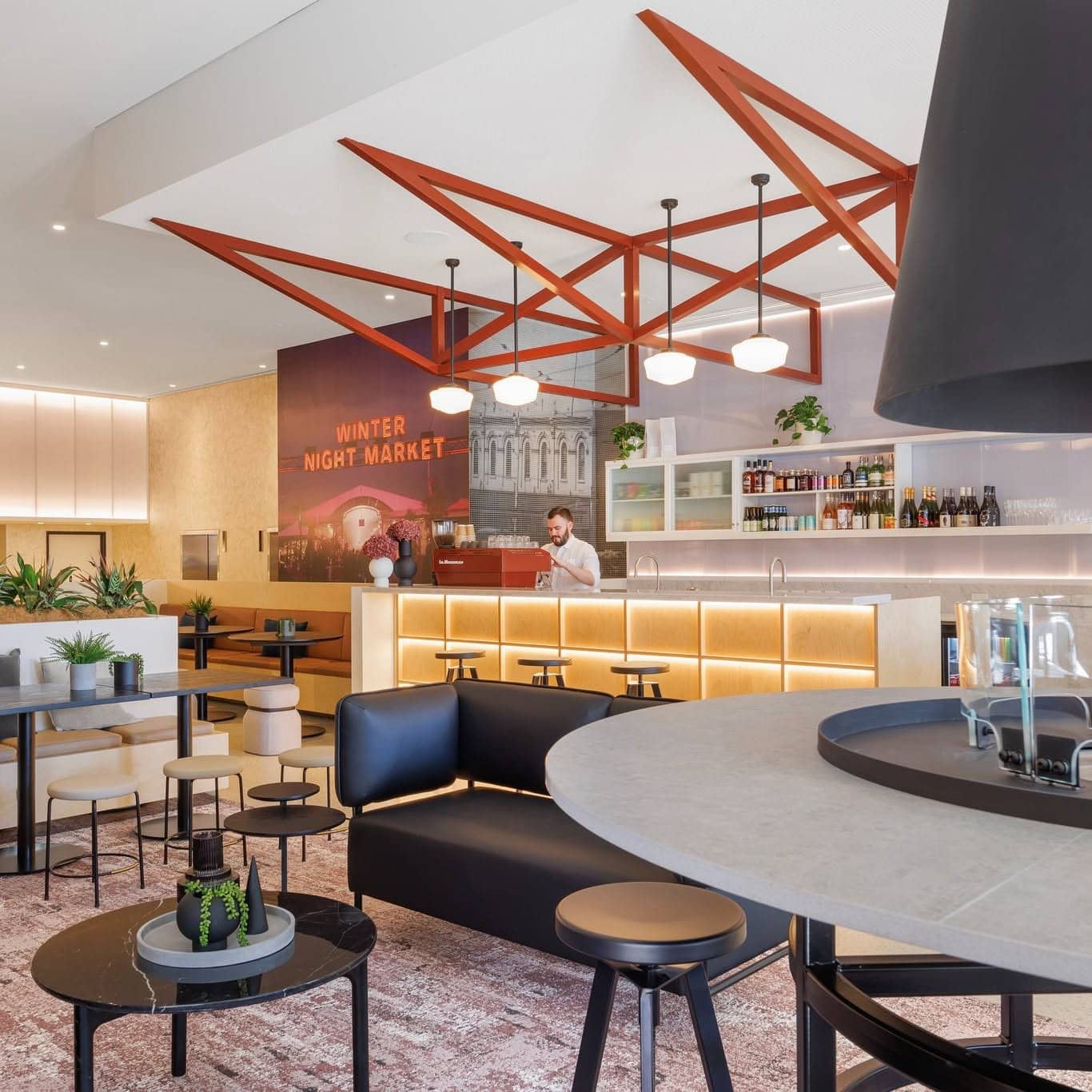
Best Family-Friendly Hotels in Melbourne
Mövenpick Hotel Melbourne on Spencer: Unlimited ice cream for children aged 12 and under is a powerful negotiating tool. Daily Chocolate Hour, family suites and an outdoor heated pool strengthen the case. Opposite Southern Cross Station, Mövenpick (CBD) is also handy for SkyBus transfers and SEA LIFE Melbourne Aquarium. Parents may appreciate the logistics even more than the chocolate.
Veriu Collingwood: The children get their own bedroom; you get Smith Street on the doorstep. Veriu Collingwood’s adjoining two-bedroom suites sleep four, with separate kitchens and laundry facilities to simplify family travel. There’s a rooftop pool overlooking Johnston Street, plus independent shops, galleries and excellent restaurants within walking distance.
Discover more places to stay in our Best Hotels in Melbourne guide.


Best CBD Hotels in Melbourne
Sofitel Melbourne on Collins: Collins Street’s Paris end has always dressed for the occasion. At Sofitel Melbourne on Collins (CBD), No35 serves dinner with spectacular skyline views, while Champagne beneath The Atrium on 35’s soaring mirrored canopy makes a fine prelude to the theatre. Parliament House and the East End’s grand stages are moments away.
Rydges Melbourne: Theatre tickets booked? Rydges Melbourne (CBD) has the enviable position directly opposite Her Majesty’s Theatre, with Chinatown around the corner and Bossley Bar ready for pre-show drinks. Its 2023 makeover introduced contemporary rooms, generous suites and a heated rooftop pool on level 23.
Explore more stays in our Best Hotels in Melbourne guide.


Best Design-Led Airbnbs in Melbourne
La Perle: Carlton has a soft spot for Europe, and La Perle takes the relationship seriously. This one-bedroom apartment pairs a B&B Italia sofa with vintage Italian mirrors, bespoke steelwork and a balcony made for late-afternoon wine. Fresh bread, French butter and Aesop toiletries await. Lygon Street can handle dinner.
My City Hideaway: A century-old workers’ cottage isn’t where you’d normally look for six-metre ceilings. My City Hideaway (South Melbourne) pairs its original frontage with a soaring glass-walled extension, vintage furniture and local art. There’s a wood-burning fireplace, private courtyard and South Melbourne Market across the road. No television, either.
Discover more beautiful places to call home for a few days in our Unique Airbnbs in Melbourne guide.
Best Restaurants in Melbourne
Melbourne dining at a glance: Melburnians cross town for pasta and queue in the rain for croissants. Italian trattorias, Greek tavernas and Chinatown dining rooms helped shape the city’s appetite; today, suburban shopfronts house kitchens that draw diners from across Australia. Coffee inspires fierce loyalties, wine bars turn one glass into dinner, and securing a table at the city’s most sought-after restaurants can require a little forward planning.

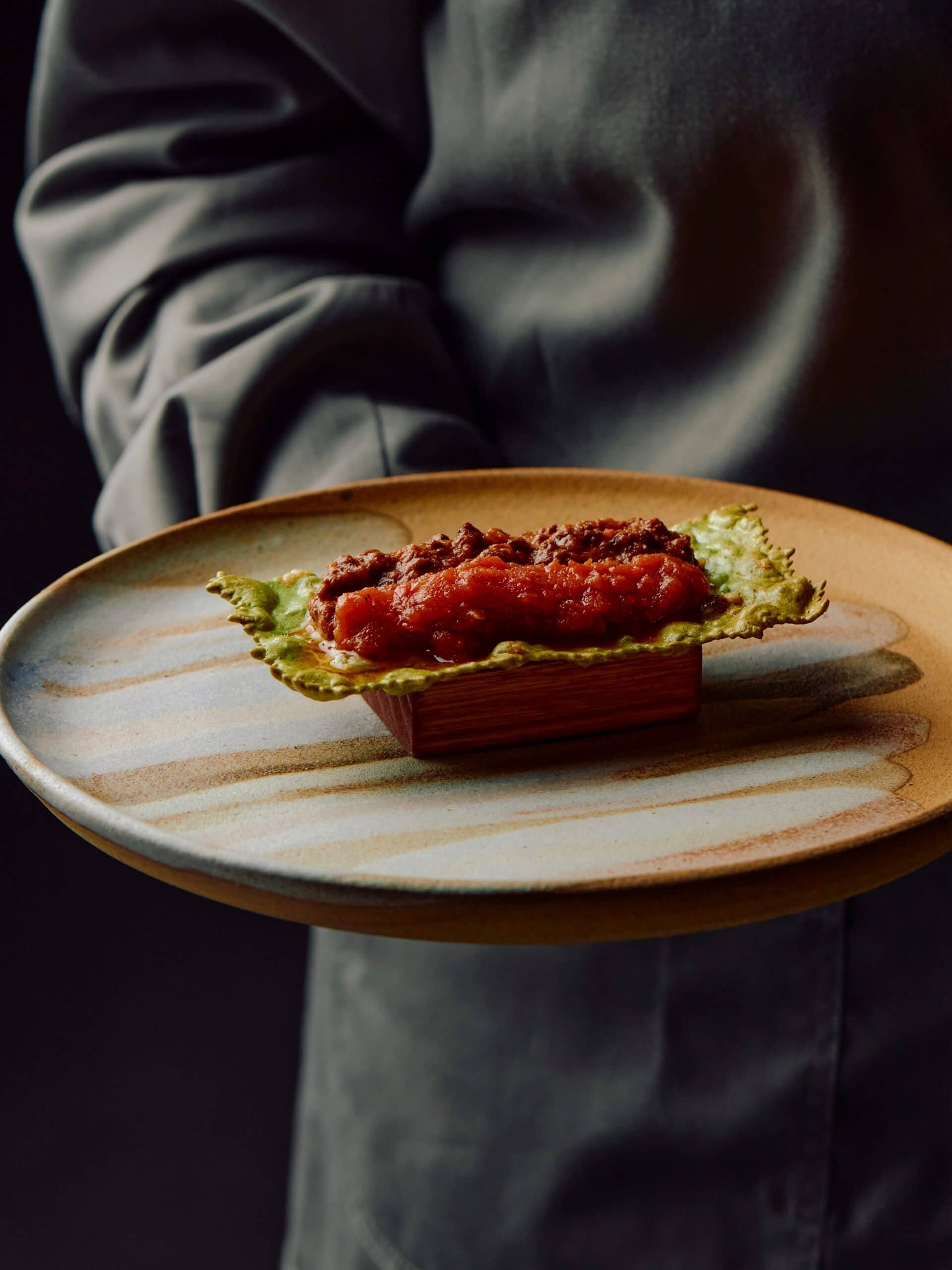

Best Fine Dining Restaurants in Melbourne
Yiaga: Under Fitzroy Gardens’ century-old elms, Hugh Allen is doing remarkable things with Australian produce. At Yiaga (East Melbourne), 13,000 handmade ochre tiles surround a tasting menu that might bring school prawns with torch ginger or coconut tofu with caviar. The 2027 Good Food Guide named Yiaga Restaurant of the Year and Allen Chef of the Year.
Attica: Ben Shewry has never cared much for the old rules of fine dining. At Attica (Ripponlea), crocodile ribs take the place of familiar status symbols, native ingredients guide the tasting menu and eating with your hands is entirely respectable.
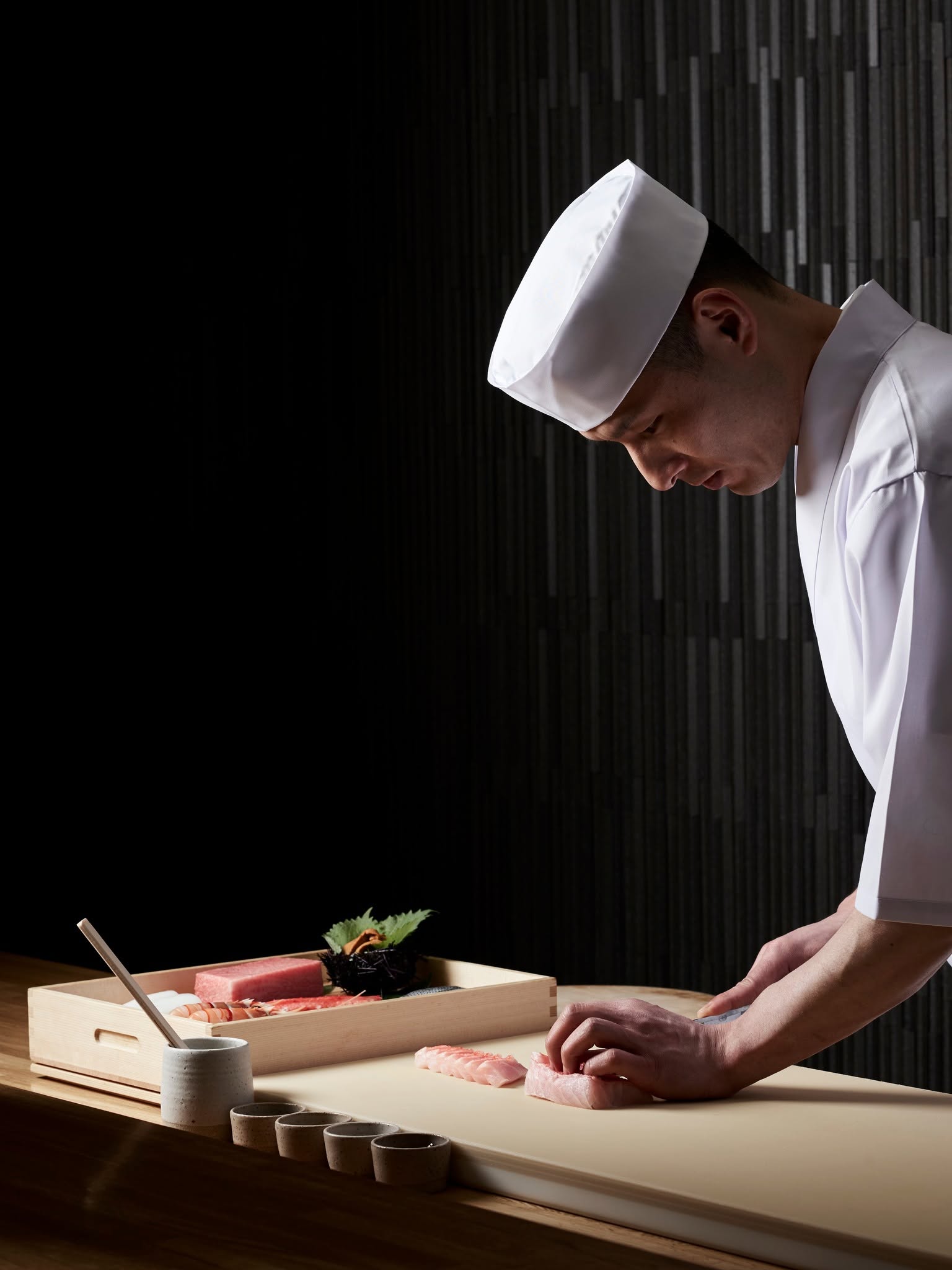
Minamishima: An unassuming Richmond side street, a handful of counter seats and sushi made with painstaking care. At three-hatted Minamishima, chef Koichi Minamishima shapes pristine seafood from Japan and Australia into a slow, precise procession of nigiri. The omakase changes with the seasons; reservations open monthly. Serious sushi lovers know to plan well ahead.
Flower Drum: Half a century in, Flower Drum (CBD) still knows how to mark an occasion. Upstairs on Chinatown’s Market Lane, Anthony Lui’s Cantonese kitchen sends out Peking duck in handmade pancakes with plum sauce, cucumber and spring onion. Service is immaculate, the cooking deeply assured. Its 2026 Good Food Guide Restaurant of the Year win was well earned.
Explore more exceptional dining destinations in our Best Fine Dining Restaurants in Melbourne guide.


Best Casual Dining Restaurants in Melbourne
Abla’s: Abla Amad opened her Elgin Street dining room in 1979; Melbourne has been coming back hungry ever since. At Abla’s (Carlton), smoky baba gannouj, crisp lamb-filled pastries and fragrant chicken with rice and almonds arrive without fashionable distractions. The banquet is an excellent way to let the kitchen decide. Save room for baklava.
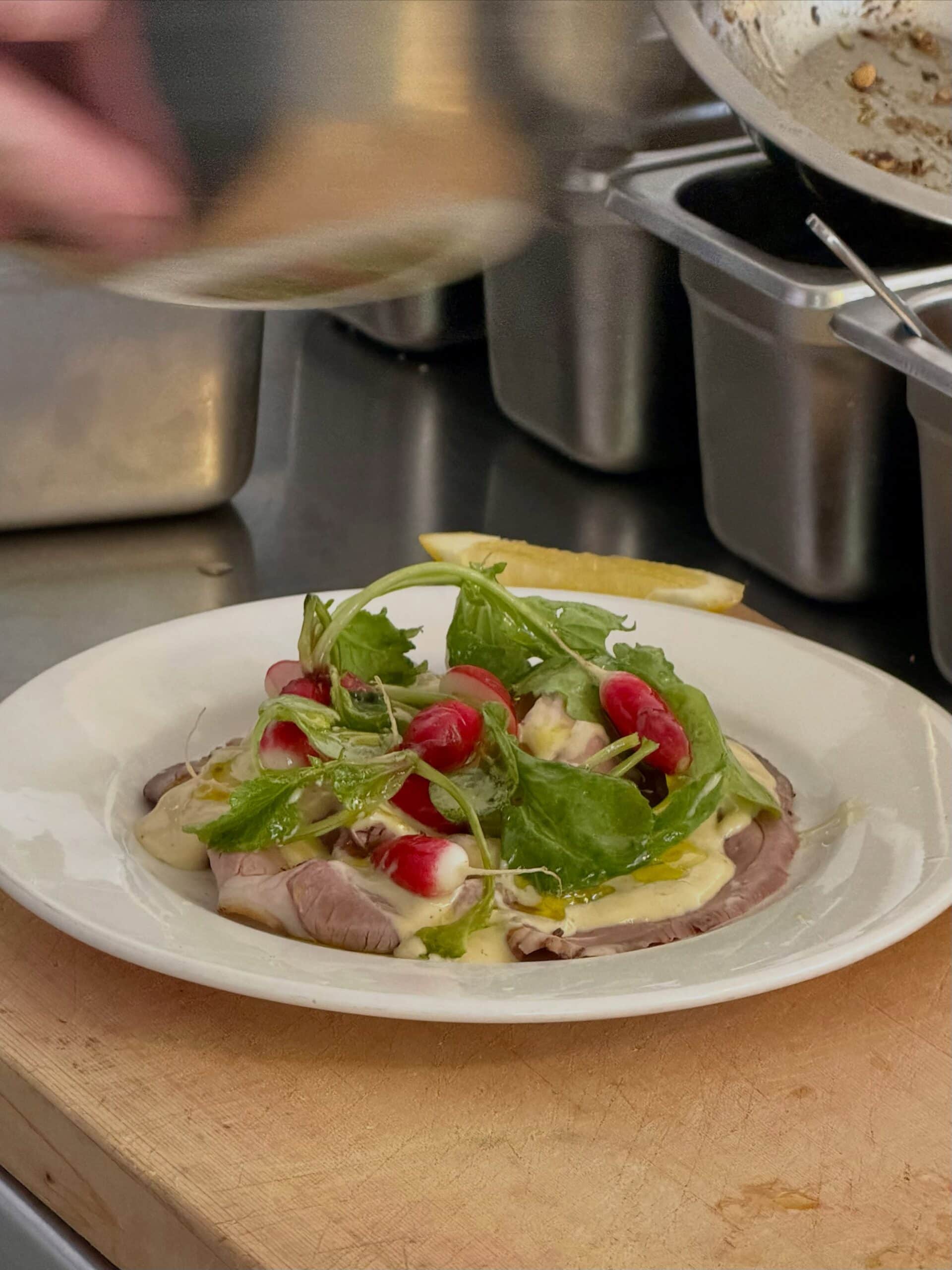
Bistra: White tablecloths and a cheeseburger that isn’t remotely embarrassed to be there. At Bistra (Carlton), chef John Paul Twomey serves nettle-and-ricotta dumplings with burnt butter alongside French bistro classics. The wine list travels from Victoria to Burgundy, and the Martinis arrive cold.
Carnation Canteen: At Carnation Canteen (Fitzroy), chef Audrey Shaw writes a new menu each week and lets the season decide the rest. Twenty seats, a pink marble counter and beautifully handled produce: perhaps whole charcoal-grilled fish with lemon, or vegetables from a local grower. Grower Champagne gets equal attention. Book ahead; this corner dining room fills quickly.
Marea Beach House & Bar: Downstairs at Stokehouse, lunch has taken a Mediterranean turn. Andrew McConnell and Jo McGann’s Marea (St Kilda) opened in October 2026, bringing gildas, wood-grilled flatbread with whipped cod roe and excellent fritto misto to the beachfront. Spaghetti vongole and carafes of sangria will convince you to stay for the whole afternoon.
Discover more Melbourne favourites in our Best Restaurants in Melbourne guide.




Best Neighbourhood Restaurants in Melbourne
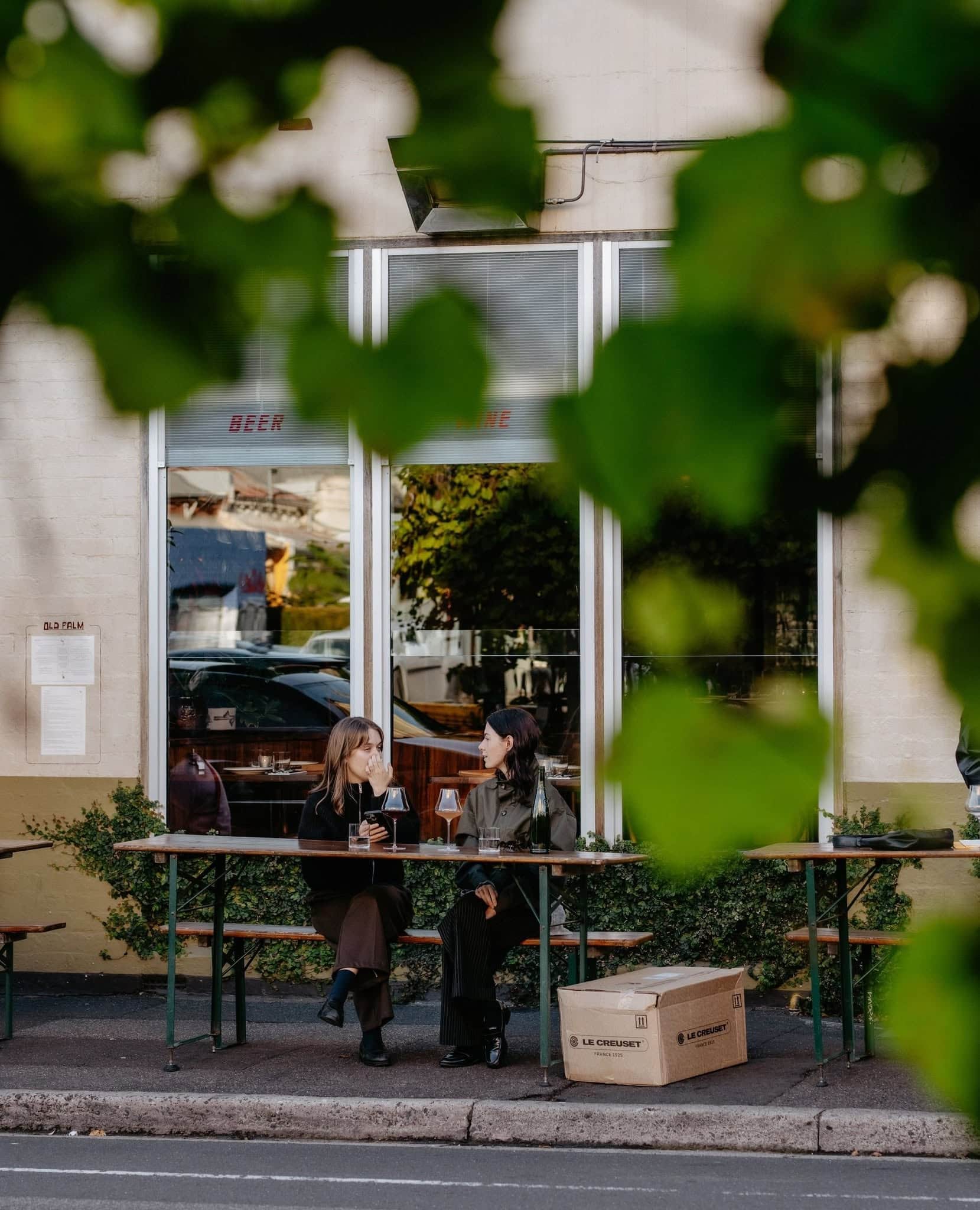
Napier Quarter: Napier Quarter’s anchovy toast has inspired a minor Melbourne obsession: boiled egg, salsa verde and mayonnaise beneath those salty fillets. The Fitzroy bluestone corner seats just 26 inside, with bentwood chairs and pavement tables for warmer days. Espresso starts proceedings; later, a small-producer wine list gives regulars another reason to return.
Old Palm Liquor: Old Palm Liquor (Brunswick East) has an open fire, rattan ceilings and a wine list running to roughly 300 bottles. Chef Almay Jordaan cooks over a South African braai, bringing Cape Malay spices to seasonal produce. There’s a leafy courtyard out back, and an enviable record collection.
Zareh: Arabic records spin as charcoal smoke rises from the open kitchen at Zareh (Collingwood). Named after chef Tom Sarafian’s grandfather, this Smith Street favourite draws on Armenian, Egyptian and Lebanese cooking. Order the prawn-and-crab hummus, chicken skewers with toum and an arak martini.
Cicciolina: Few places have witnessed as many St Kilda evenings as Cicciolina. Since 1993, its red leather booths and art-covered walls have welcomed generations of regulars to Acland Street. Blue swimmer crab soufflé and tuna carpaccio remain favourites; the wine list is formidable. The Back Saloon takes walk-ins, with the full menu available.
Discover more local favourites in our Best Restaurants in Melbourne guide.
Best Cafes in Melbourne
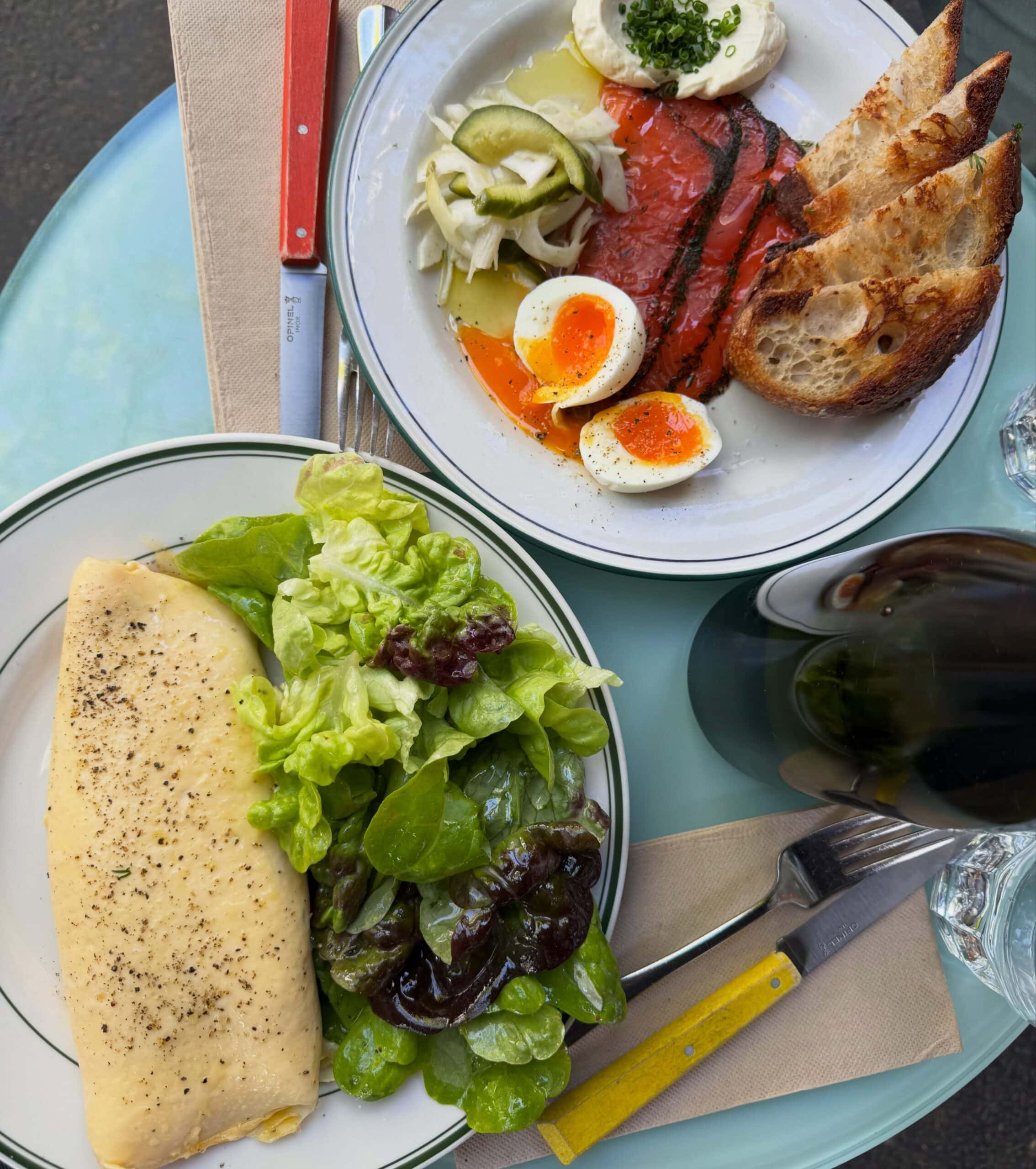
Florian: On Rathdowne Street, Florian (Carlton North) has burgundy tiles, shelves of cookbooks and a blackboard menu worth paying attention to. The herb-and-Gruyère omelette has earned its reputation, but seasonal tartines and generously filled sandwiches are equally deserving. Pavement tables are fiercely contested, especially when the weekend crowd arrives.
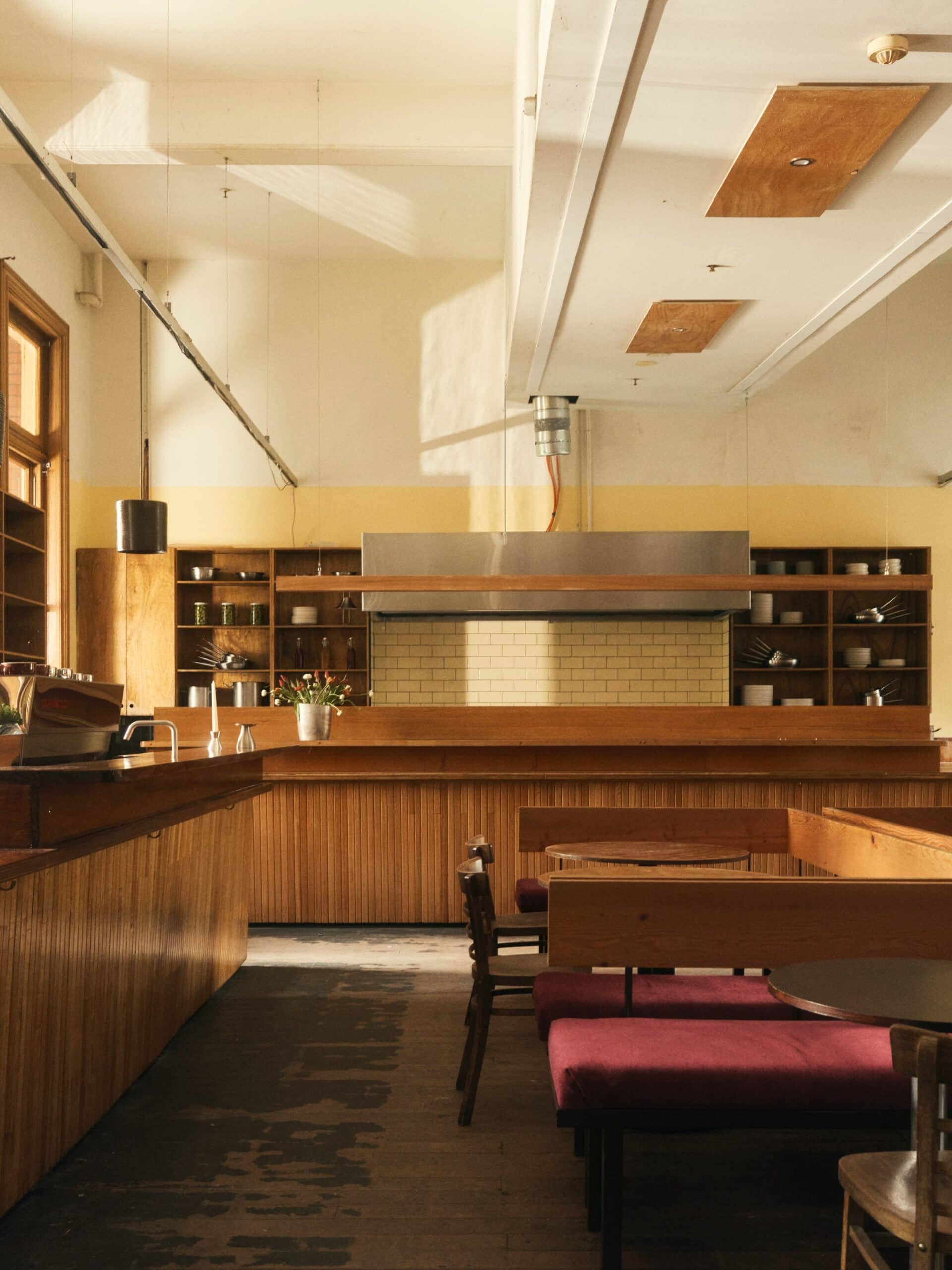
Bar Familiar: Cam’s Kiosk had 17 good years at Abbotsford Convent. Now, two former staff members have given the old address a second chapter. At Bar Familiar (Abbotsford), chef Alisha Grant is back in the kitchen, with Baker Bleu sandwiches and seasonal cooking. The Convent’s handsome verandah remains the prime real estate.
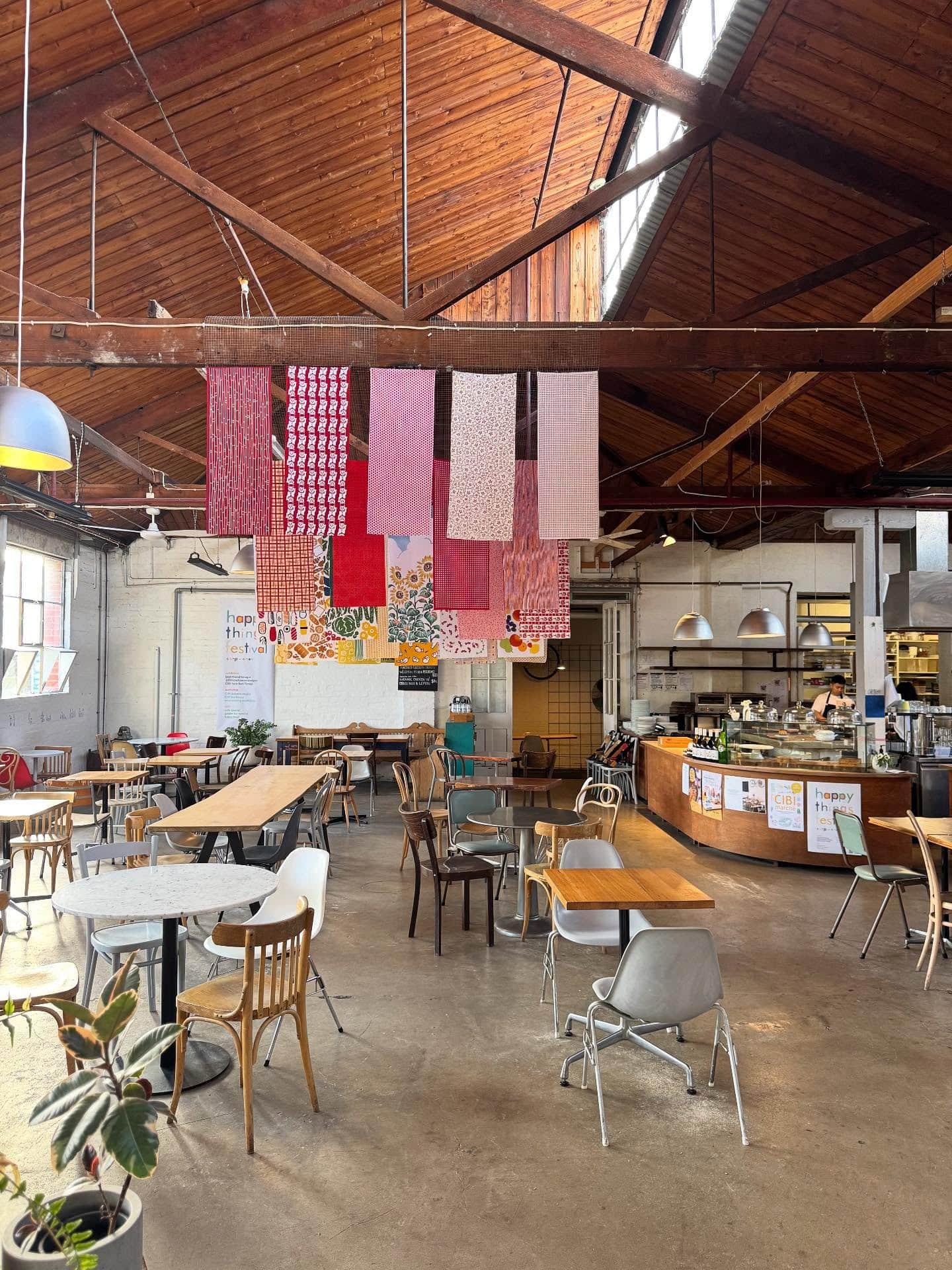
CIBI: Come for the Japanese breakfast, leave contemplating a new collection of ceramics. Meg and Zenta Tanaka’s Collingwood warehouse is part cafe, part grocer, part design store, with shelves of beautiful Japanese homewares to browse between courses. The traditional breakfast of grilled salmon, tamagoyaki, rice and miso soup is a Melbourne favourite. Just allow time for a look around afterwards.
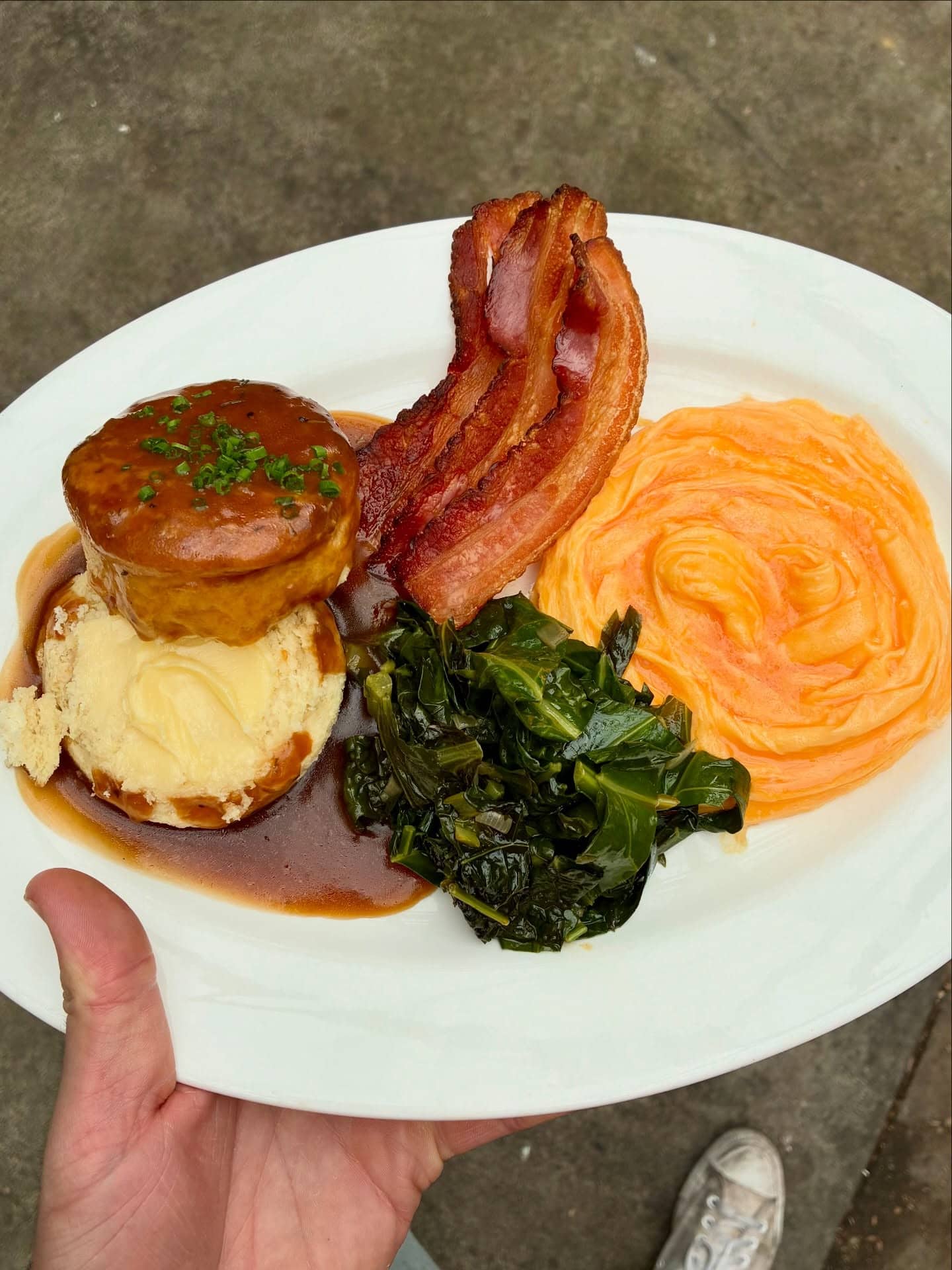
Walrus: Brunswick’s American diner has borrowed all the good bits: timber booths, vintage crockery, filter coffee and pie beneath glass. At Walrus (Brunswick), triple-stack pancakes come with whipped butter, bodega-style breakfast sandwiches mean business, and the handwritten specials deserve inspection.
Proud Mary: Since 2009, Nolan and Shari Hirte’s Proud Mary (Collingwood) has helped shape Melbourne’s specialty coffee culture. The Oxford Street institution treats single-origin beans with scientific precision, from espresso to pour-over, alongside an inventive breakfast menu. Ranked 27th in the World’s 100 Best Coffee Shops for 2026, its reputation travels well beyond Australia.
Keep exploring with our guides to the Best Coffee in Melbourne and Best Cafes in Brunswick.
Best Bars in Melbourne

Best Wine Bars in Melbourne
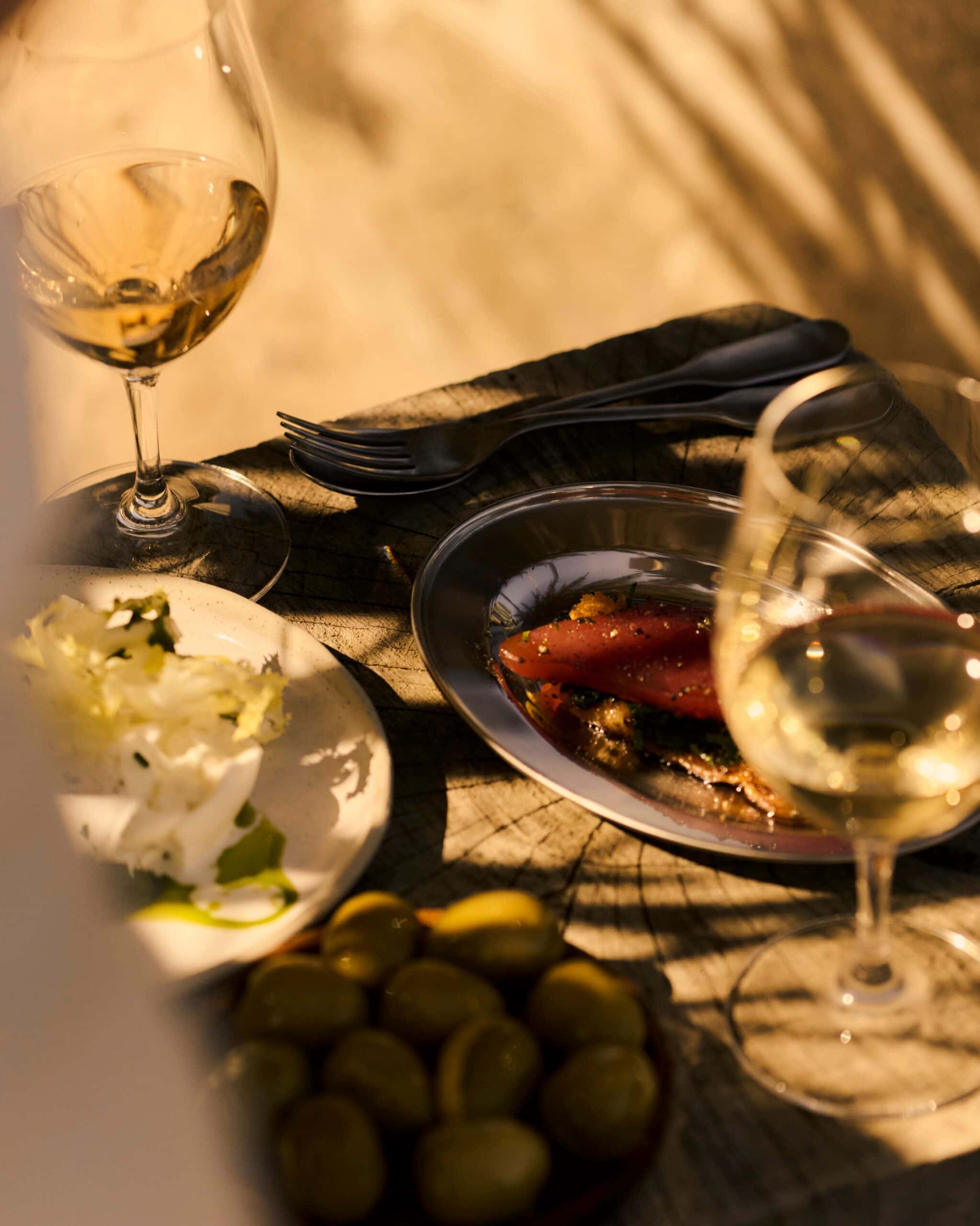
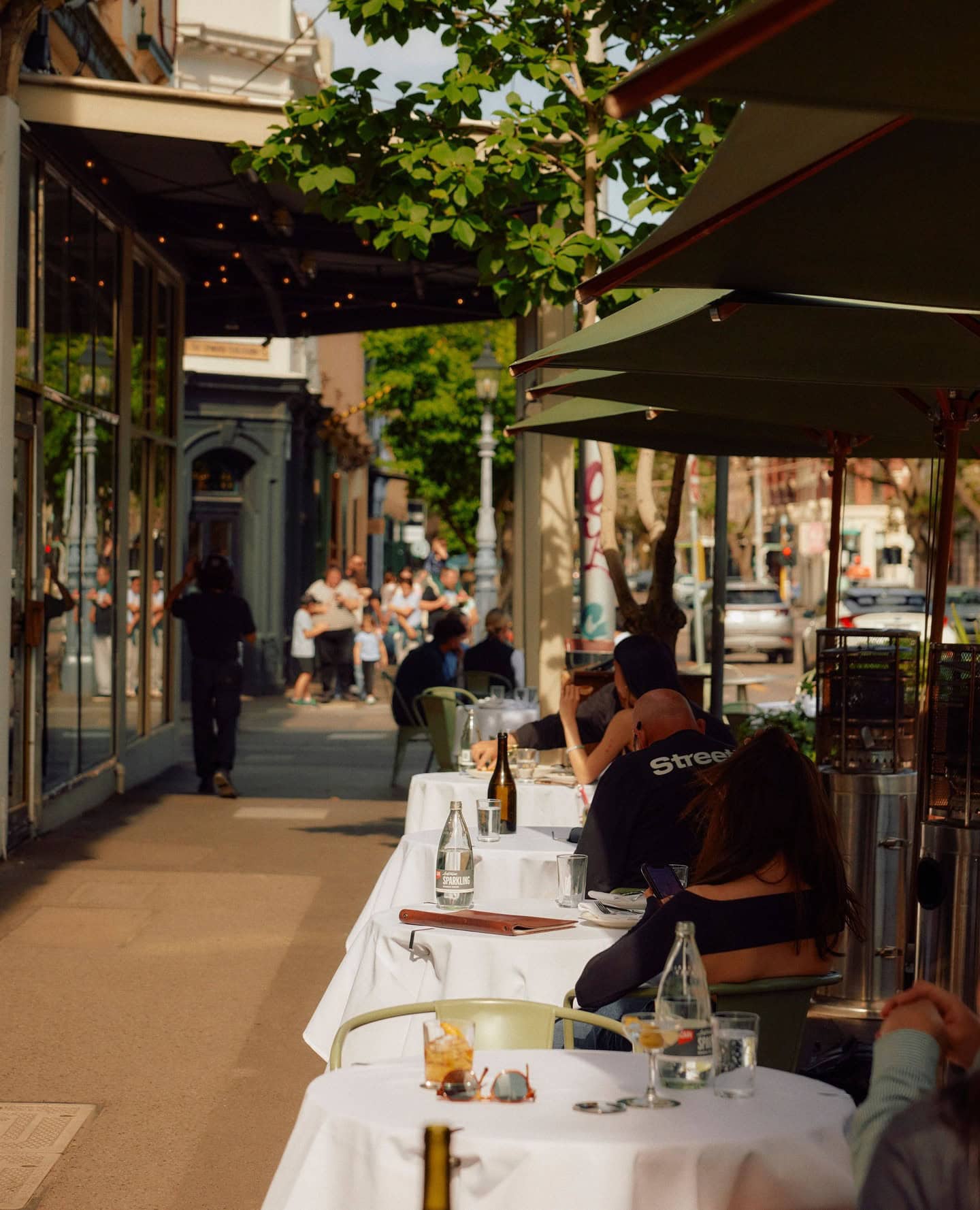
Marion: Marion’s pavement tables are among Gertrude Street’s most contested seats, especially once a bottle has been opened. Andrew McConnell’s Fitzroy wine bar pairs a formidable cellar, from Burgundy to adventurous Australian producers, with oysters, charcuterie and a changing daily menu. Inside, ceiling-high racks keep the temptation going.
Embla: At Embla (CBD), chef Dave Verheul’s wood fire might turn out whole gurnard, scallops with brown butter or rabbit sausage casarecce. Christian McCabe’s wine list has a weakness for small, independent producers. Behind the Russell Street shopfront, timber, brick and an open kitchen are all you need for a quintessential Melbourne moment.
Waxflower: Waxflower (Brunswick) was built around the music: a bespoke sound system, carefully tuned acoustics and DJs who know their records. The wine gets equal attention, with minimal-intervention bottles from Australia and abroad, while chef Michael Thain cooks seasonal, European-leaning food. Weston Street is an excellent place to spend a Saturday afternoon.
Gerald’s Bar: When Gerald’s Bar moved from Rathdowne Street to an old Lygon Street pub, the David Bailey portrait of Michael Caine came too. So did the vinyl, eccentric treasures and staff who can read a table. There’s now a proper dining room and courtyard, but twenty years of accumulated personality remain gloriously intact.
Discover more exceptional places for a glass in our Best Wine Bars in Melbourne guide.


Best Rooftop Bars in Melbourne
Siglo: Cigars, Champagne and a view of Parliament House: Siglo (CBD) has its priorities beautifully arranged. Above the Melbourne Supper Club, waiters attend white-clothed tables and Parisian wicker chairs beneath the cathedral spires. Enter through an unmarked Spring Street doorway, climb the stairs and settle in for a late one.
Rooftop Bar: Seven floors above Swanston Street, Curtin House has been responsible for some very long afternoons since 2006. Rooftop Bar (CBD) trades ceremony for cold beer, cheeseburgers, DJs and front-row seats to the city skyline. Walk-ins only, and the tables fill fast when Melbourne’s weather decides to cooperate.
Johnny’s Green Room: Carlton takes its aperitivo upstairs. Above the historic King & Godfree building, Johnny’s Green Room (Carlton) has striped umbrellas, terrazzo finishes and sweeping skyline views. Karen Martini’s Italian-inspired menu covers pizza, burrata and antipasti, while spritzes arrive in generous company.
Runner Up: Even the old caretaker’s residence at Collingwood Yards has become a bar. Runner Up (Collingwood) has fruit trees, bright retro furniture and 270-degree views across the inner north. DJs take over on weekends, natural wines dominate the drinks list, and pizza from nearby Thin Slizzy can be delivered upstairs.
Find more places to drink above the city in our Best Rooftop Bars in Melbourne guide.
Best Cocktail Bars in Melbourne
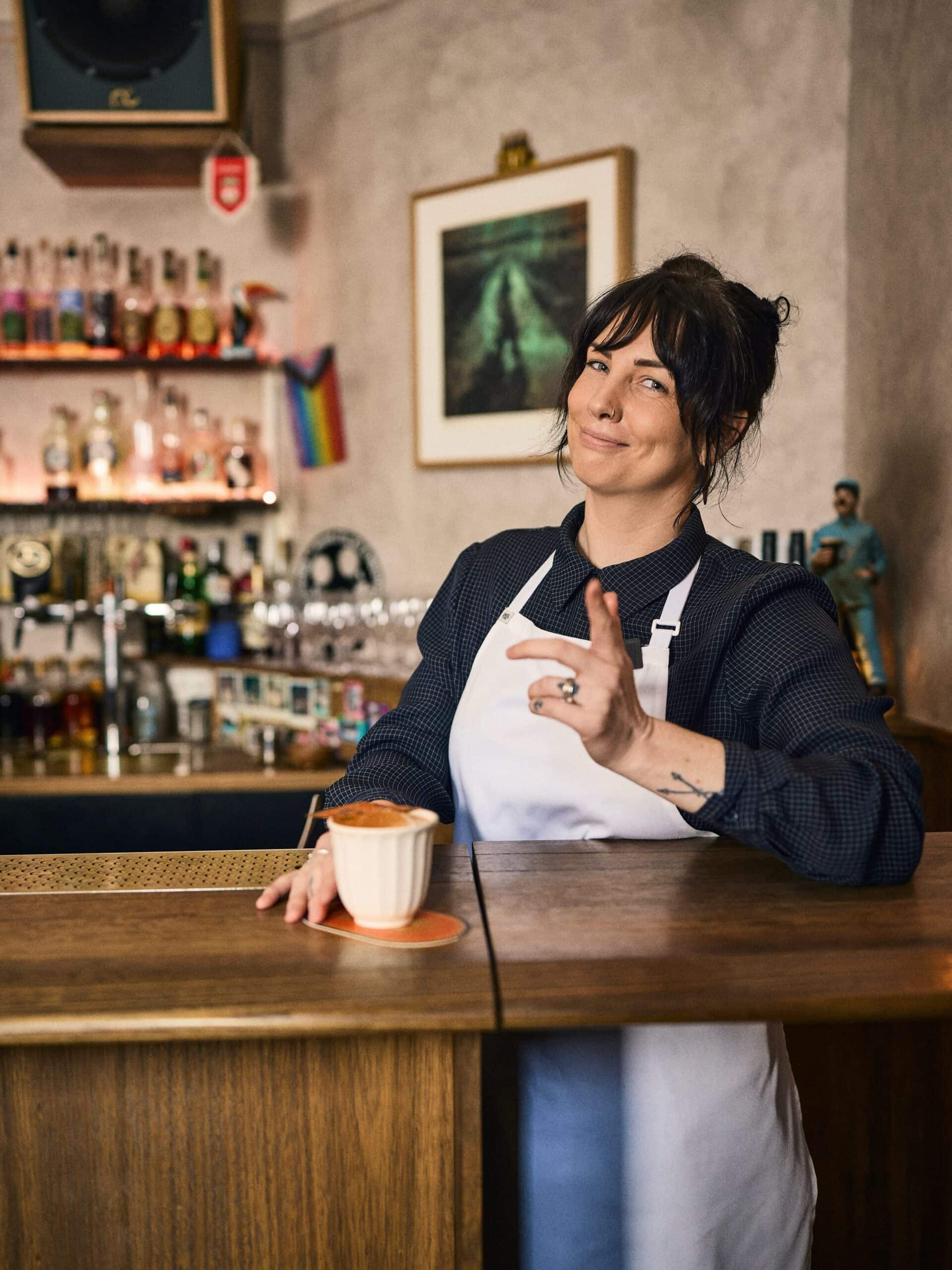
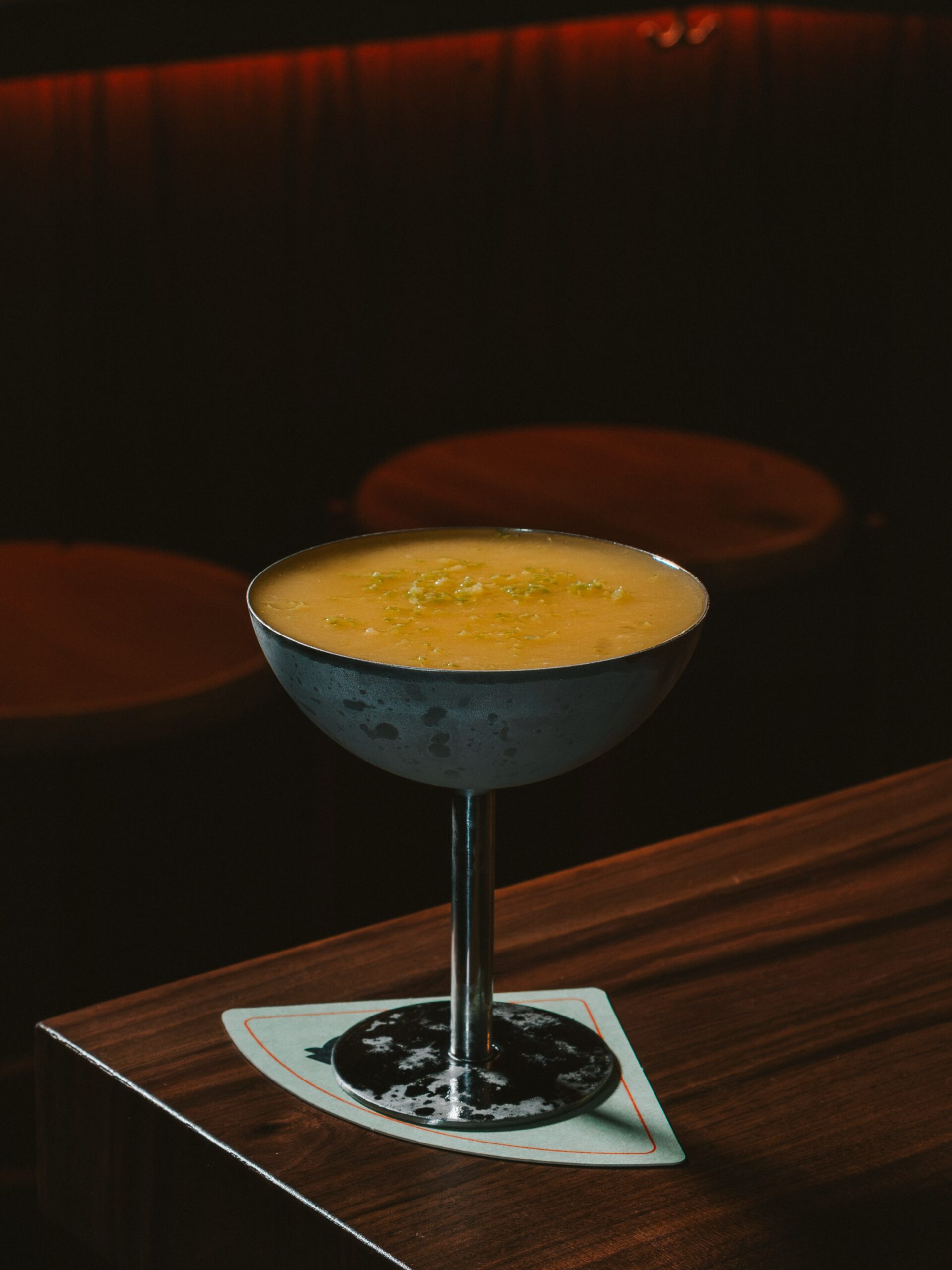
Caretaker’s Cottage: Behind Wesley Church, a bluestone caretaker’s residence has become Australasia’s best bar. Caretaker’s Cottage (CBD) is tiny, its vinyl collection extensive and its martinis famously cold. Guinness is poured with equal devotion. Ranked 45th in the World’s 50 Best Bars for 2026, it wears the international attention remarkably lightly.
Three Horses: Sherry gets top billing at Three Horses (CBD), the Little Lonsdale Street sibling to Caretaker’s Cottage. Beneath Liz Stirling’s technicolour painting of galloping horses, bartenders work their way through inventive cocktails and Spanish fortified wines. Whole albums play on vinyl. Named Victoria’s Best Bar for 2026, its reputation is galloping ahead.
Above Board: Sixteen seats, no bottles on display and a bartender who knows precisely what he’s doing. Above Board (Collingwood) is Hayden Lambert’s minimalist cocktail sanctuary, reached through an unmarked door behind Beermash. A handsome walnut counter dominates the room, where impeccably mixed martinis and inventive house creations command your undivided attention.
Bar Bellamy: Cocktails are taken very seriously on Carlton’s Rathdowne Street, although the food at Bar Bellamy deserves equal billing. Danielle and Oska Whitehart’s neighbourhood address serves devilled eggs with anchovies, chicken-liver-parfait cannoli and seasonal cocktails beneath beautiful stained glass.
Shake up your next night out with our Best Cocktail Bars in Melbourne guide.
Best Things to Do in Melbourne
Things to do in Melbourne at a glance: Melbourne takes its art, music and sport seriously, and there’s plenty to occupy the hours between meals. Spend a morning at the NGV or ACMI, browse Queen Victoria Market, catch a band in a neighbourhood pub or join the footy faithful at the MCG. Historic arcades, independent galleries, beautiful public gardens and some of Australia’s best shopping complete the picture. The real pleasure, though, is discovering just how much each neighbourhood has to show you.

Best Cultural Attractions in Melbourne
National Gallery of Victoria: At NGV International (Southbank), art appreciation occasionally involves lying flat on your back. Leonard French’s stained-glass ceiling rewards the effort; the famous water wall greets you at the entrance. Beyond it lie free international collections and major exhibitions. Across the Yarra, NGV Australia at Federation Square celebrates Australian art, including significant First Nations works.
Melbourne Cricket Ground: On Grand Final day, nearly 100,000 people can disagree with the umpire at once. The MCG (East Melbourne) has hosted the 1956 Olympics, Boxing Day Tests and generations of football heartbreak. Come for a match if you can; otherwise, guided tours venture into the MCC Long Room and players’ change rooms.
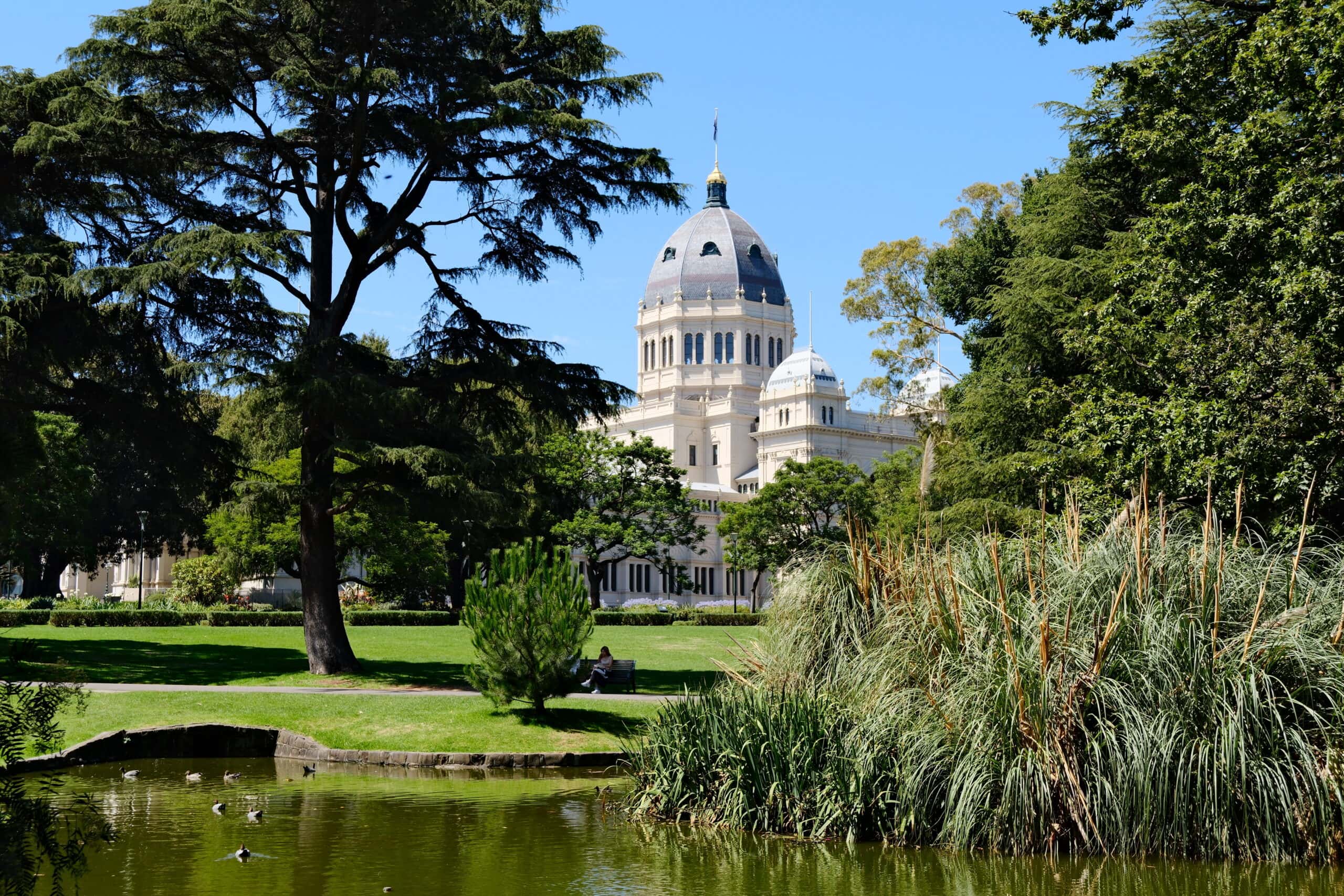
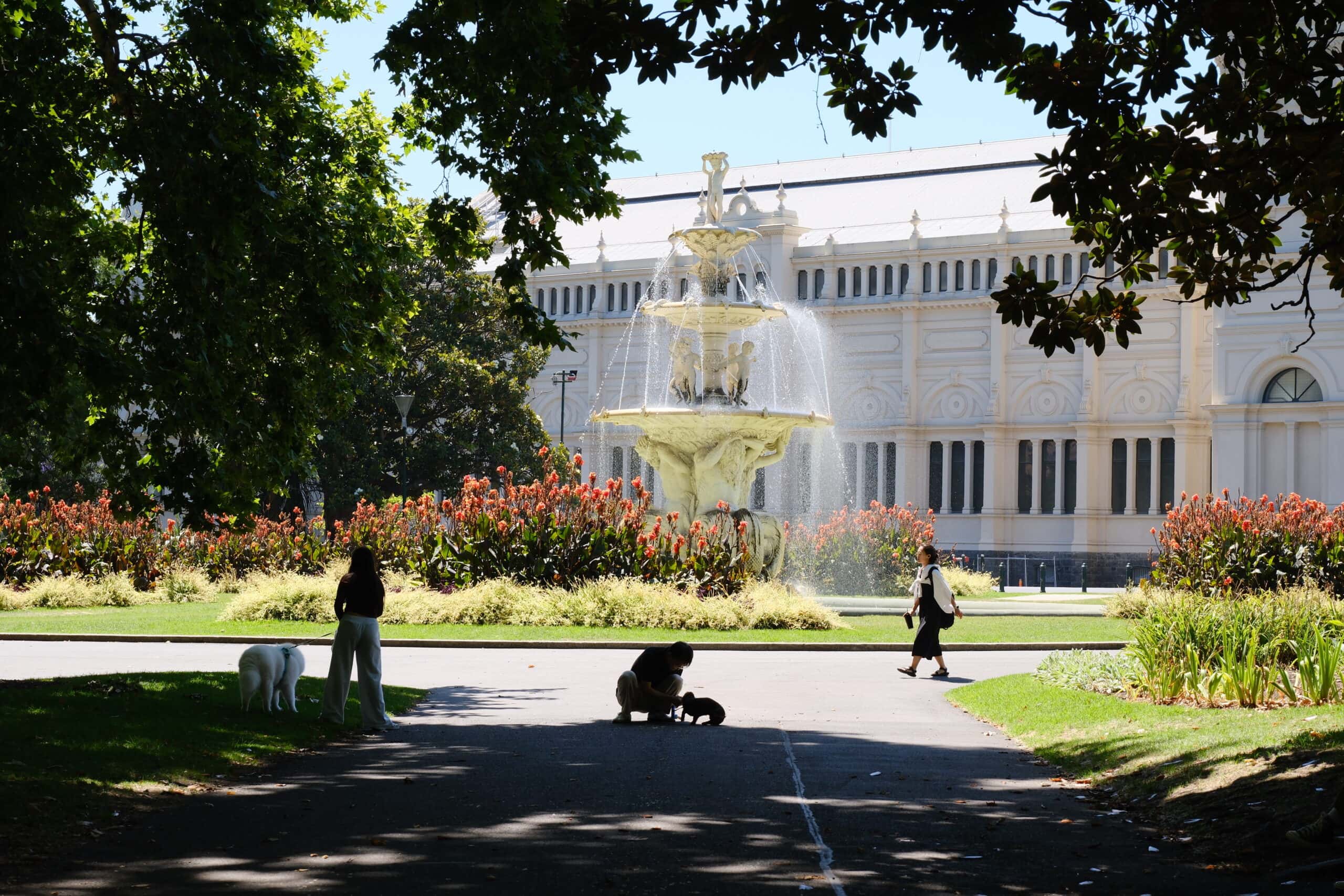
Royal Exhibition Building: Victorian Melbourne wasn’t known for modesty. Built for the 1880 International Exhibition, the Royal Exhibition Building (Carlton) has a dome inspired by Florence’s cathedral and the distinction of hosting Australia’s first Federal Parliament in 1901. UNESCO-listed since 2004, it still welcomes visitors upstairs on the Dome Promenade tour, with Carlton Gardens spread below.

Best Outdoor Experiences in Melbourne
Royal Botanic Gardens Melbourne: Just south of the CBD, the Royal Botanic Gardens Melbourne (South Yarra) encompasses 38 hectares of ornamental lakes, fern gullies and more than 8,500 plant species. Follow the famous Tan walking track, explore Guilfoyle’s Volcano or claim a patch of lawn for an afternoon picnic. Few places make Melbourne’s affection for its gardens quite so apparent.
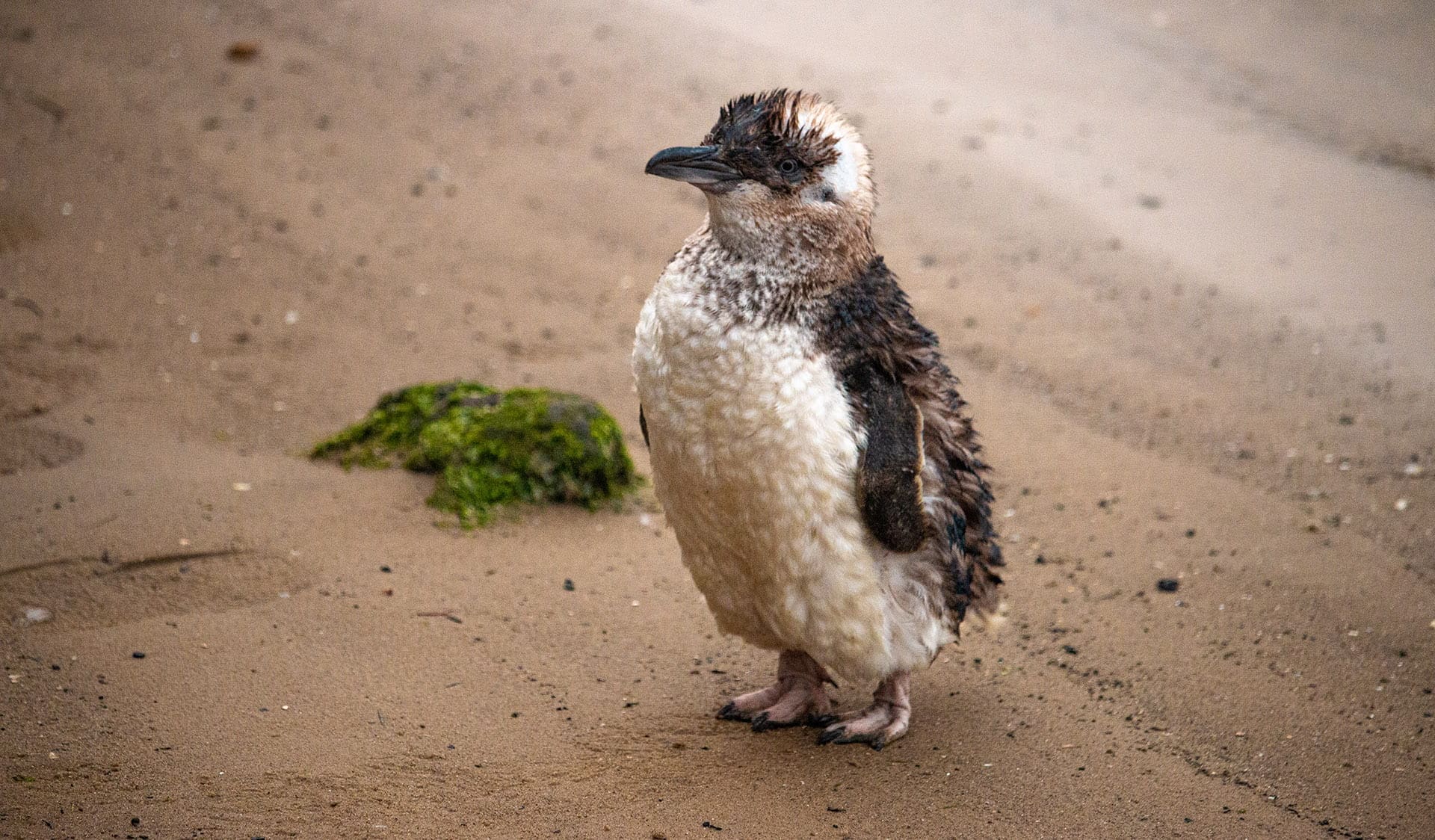
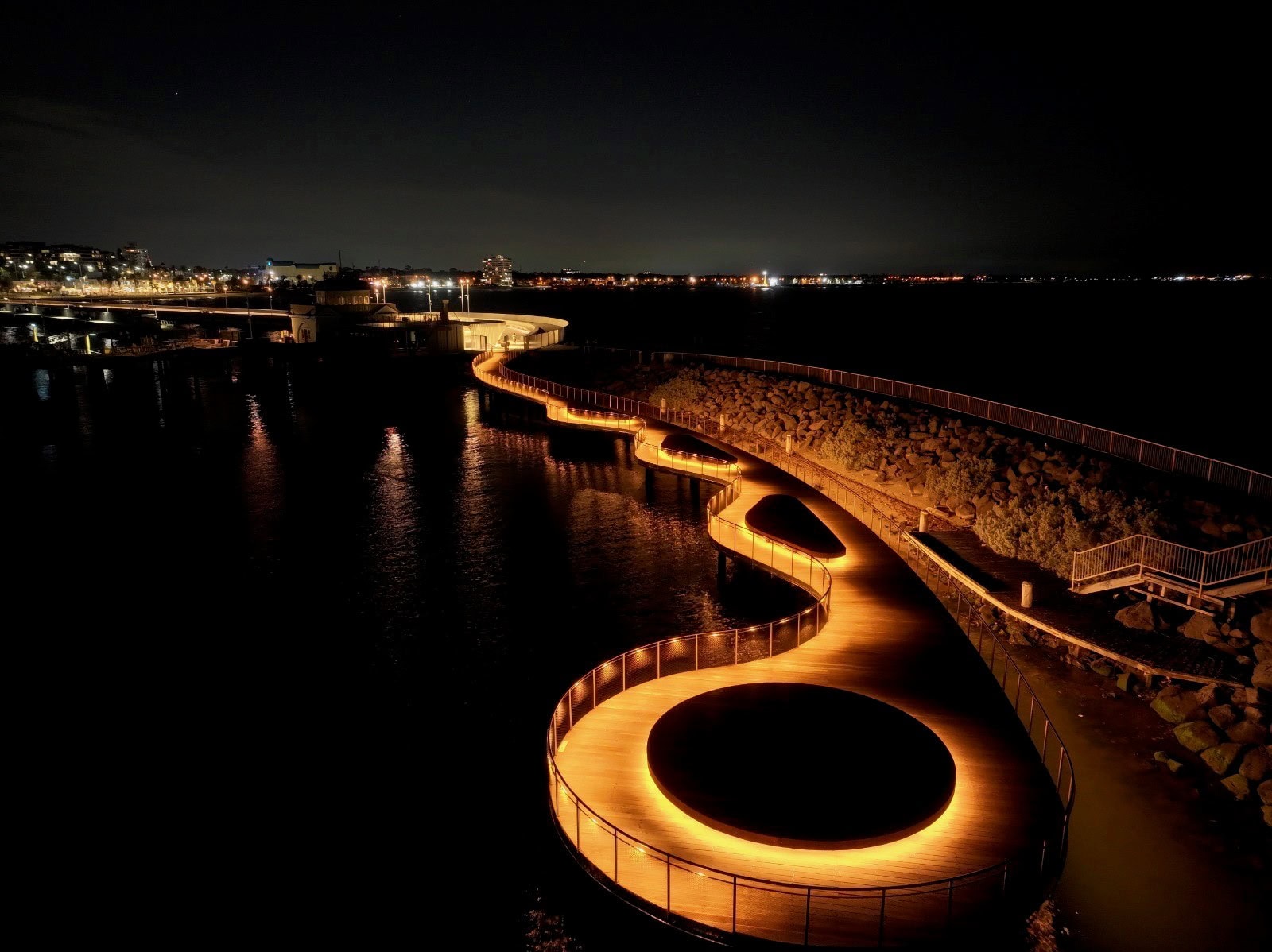
St Kilda’s Little Penguins: St Kilda’s after-dark crowd includes approximately 1,400 little penguins, who spend their days fishing in Port Phillip Bay before returning to the breakwater at sunset. Watch them waddle home from the dedicated viewing boardwalk at St Kilda Pier, an extraordinary wildlife encounter within easy reach of the CBD. Evening viewing sessions are free, but advance bookings are essential.
Dandenong Ranges National Park: Melbourne’s eastern suburbs give way to magnificent mountain ash forests, fern-filled gullies and the occasional superb lyrebird. Dandenong Ranges National Park is a favourite among bushwalkers, with the challenging 1000 Steps and beautiful Sherbrooke Falls among its most popular trails. Visit after rain, when the waterfalls are at their best and the forest feels especially alive.


Best Shopping Streets & Arcades in Melbourne
Gertrude Street: On Gertrude Street (Fitzroy), Japanese designer clothing at Scarlet Jones shares the neighbourhood with Northside Records and the wonderfully individual ESS Laboratory. Victorian shopfronts house contemporary galleries, including the Australian Print Workshop, while excellent cafes, wine bars, pubs and restaurants punctuate the shopping.
High Street Armadale: Melbourne’s best-dressed wardrobes have a habit of beginning on High Street (Armadale). Scanlan Theodore, Aje, Henne and Viktoria & Woods cover Australian fashion, while Sarah & Sebastian supplies the jewellery and A-ESQUE specialises in locally made leather handbags. Between the designer flagships, antique dealers and heritage shopfronts give the strip its distinctive character.
Melbourne’s Historic Arcades: The Block Arcade (CBD) has been distracting shoppers with its intricate mosaic floors since 1893. Beneath the glass canopy, Haigh’s Chocolates and The Tea Rooms 1892 continue the tradition. Nearby Royal Arcade dates to 1870, with Gog and Magog keeping watch over Gaunt’s Clock. Agathé’s French pastries provide another reason to investigate.
Explore more local favourites in our guide to the Best Shopping in Melbourne.
Best Museums and Galleries in Melbourne
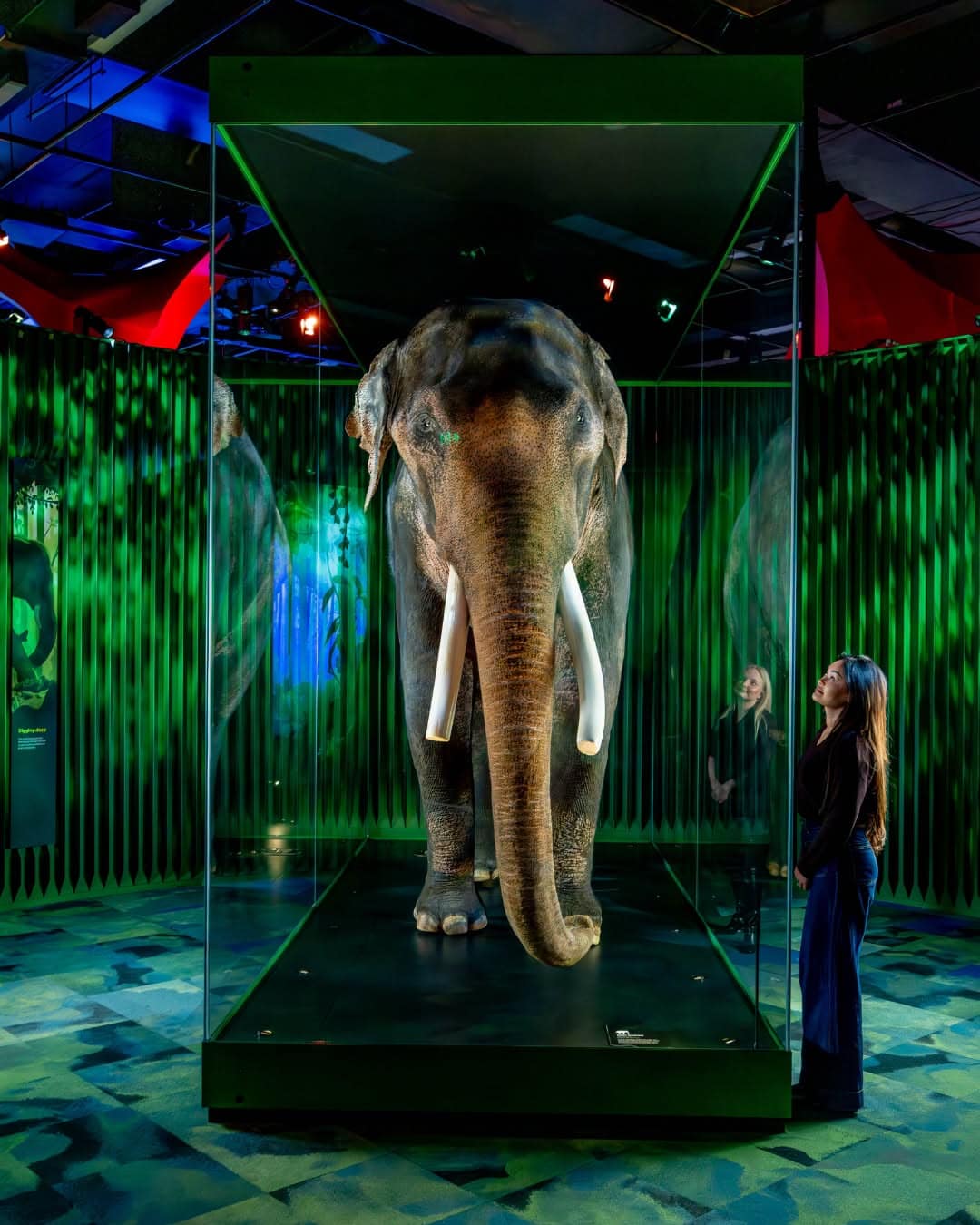
Melbourne Museum: A 67-million-year-old Triceratops is quite the drawcard at Melbourne Museum (Carlton), home to Horridus, the world’s most complete Triceratops skeleton. There’s also a living forest at the heart of the building, the Bunjilaka Aboriginal Cultural Centre and exhibitions exploring Victoria’s natural and social history. Set beside the beautiful Carlton Gardens, it’s a cultural institution deserving of far more than a rainy-day visit.
ACMI: Where else can playing videogames be considered a cultural education? ACMI (Federation Square) is Australia’s national museum of screen culture, celebrating the extraordinary worlds of film, television and digital art. Its free permanent exhibition, The Story of the Moving Image, travels from Victorian-era optical illusions to contemporary gaming, with interactive displays, original costumes and fascinating cinematic artefacts.
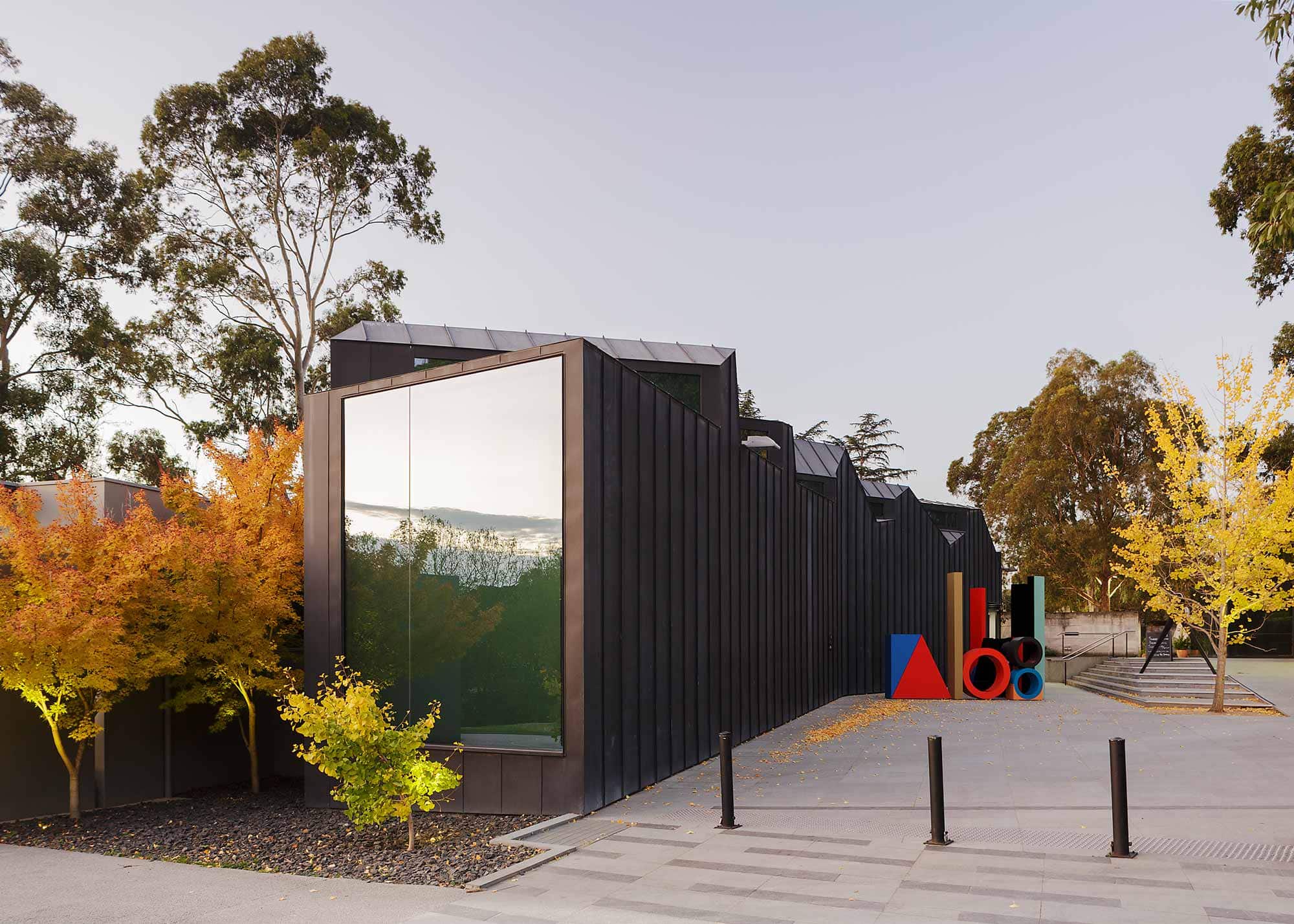
Heide Museum of Modern Art: Some of Australia’s most important art history happened around a dining table in Bulleen. At Heide, once home to patrons John and Sunday Reed, Sidney Nolan painted his now-iconic Ned Kelly series, while artists including Joy Hester and Albert Tucker helped shape Australian modernism. Today, the property encompasses beautiful galleries, modernist architecture and six-and-a-half hectares of sculpture gardens. Allow an afternoon. The grounds alone deserve it.
Discover more cultural favourites in our Best Art Galleries in Melbourne guide.
Best Walks in Melbourne
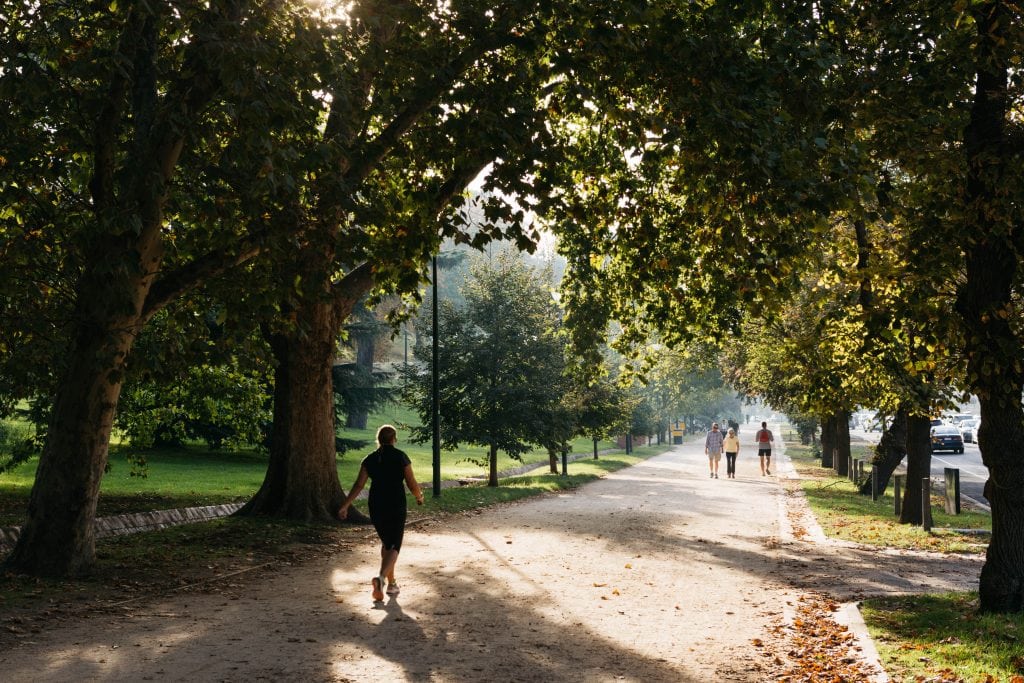
The Tan: Before the Lycra, there were horses. Melbourne’s most famous walking circuit began life as an equestrian track, and its 3.8-kilometre loop around the Royal Botanic Gardens (South Yarra) remains a local obsession. Enormous elms, Yarra River views and the Shrine of Remembrance provide the scenery. Anderson Street’s notorious Heartbreak Hill provides the character building. Nobody said you had to run.
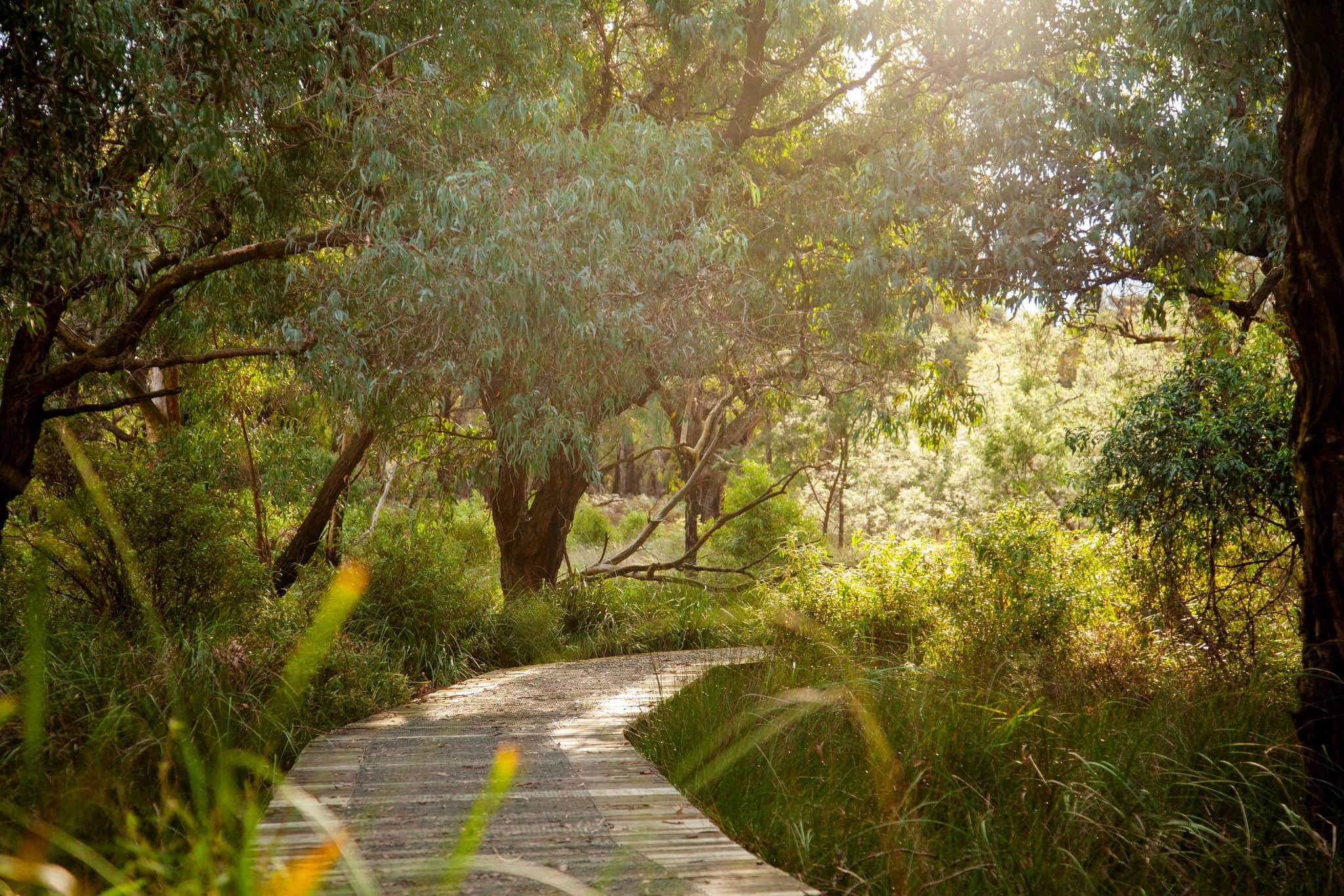
Merri Creek Trail: Behind Brunswick’s terrace houses and tramlines, Melbourne has a surprisingly untamed side. The Merri Creek Trail winds through native bushland, past bluestone escarpments and wetlands, with the stretch between CERES Community Environment Park (Brunswick East) and Dights Falls an especially lovely introduction. Stop at CERES for coffee and a look around the gardens.
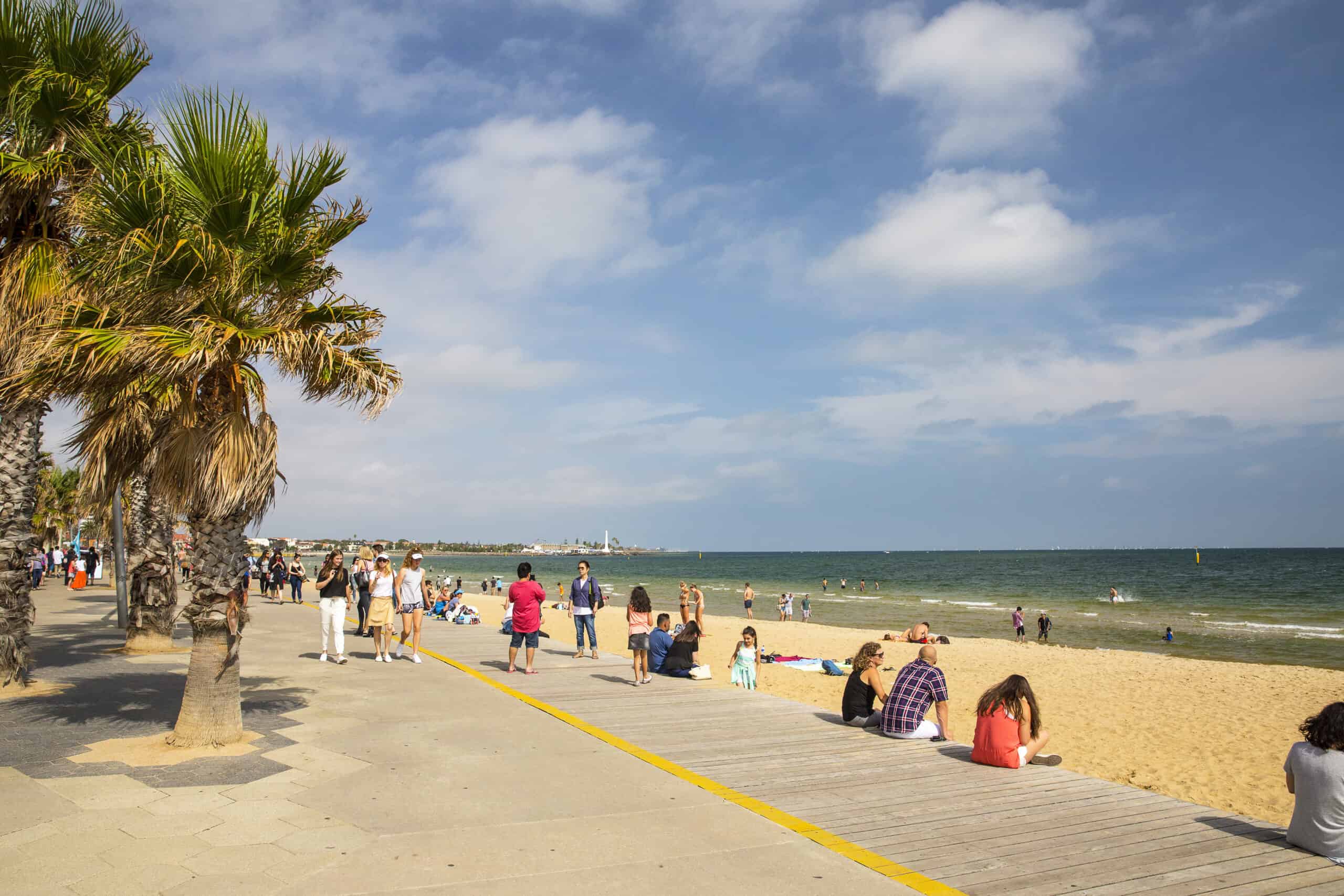
The Foreshore Trail: Eleven kilometres of Melbourne’s seaside history, best explored with absolutely no pressing appointments. The Foreshore Trail runs from Port Melbourne to Elwood, passing handsome Victorian terraces, St Kilda’s famous Sea Baths, Luna Park and stretches of sandy coastline. Point Ormond rewards walkers with sweeping views back towards the city skyline. Fish and chips are the only conclusion to the day.
Find more reasons to lace up your walking shoes in our Best Walks in Melbourne guide.
Best Family Activities in Melbourne
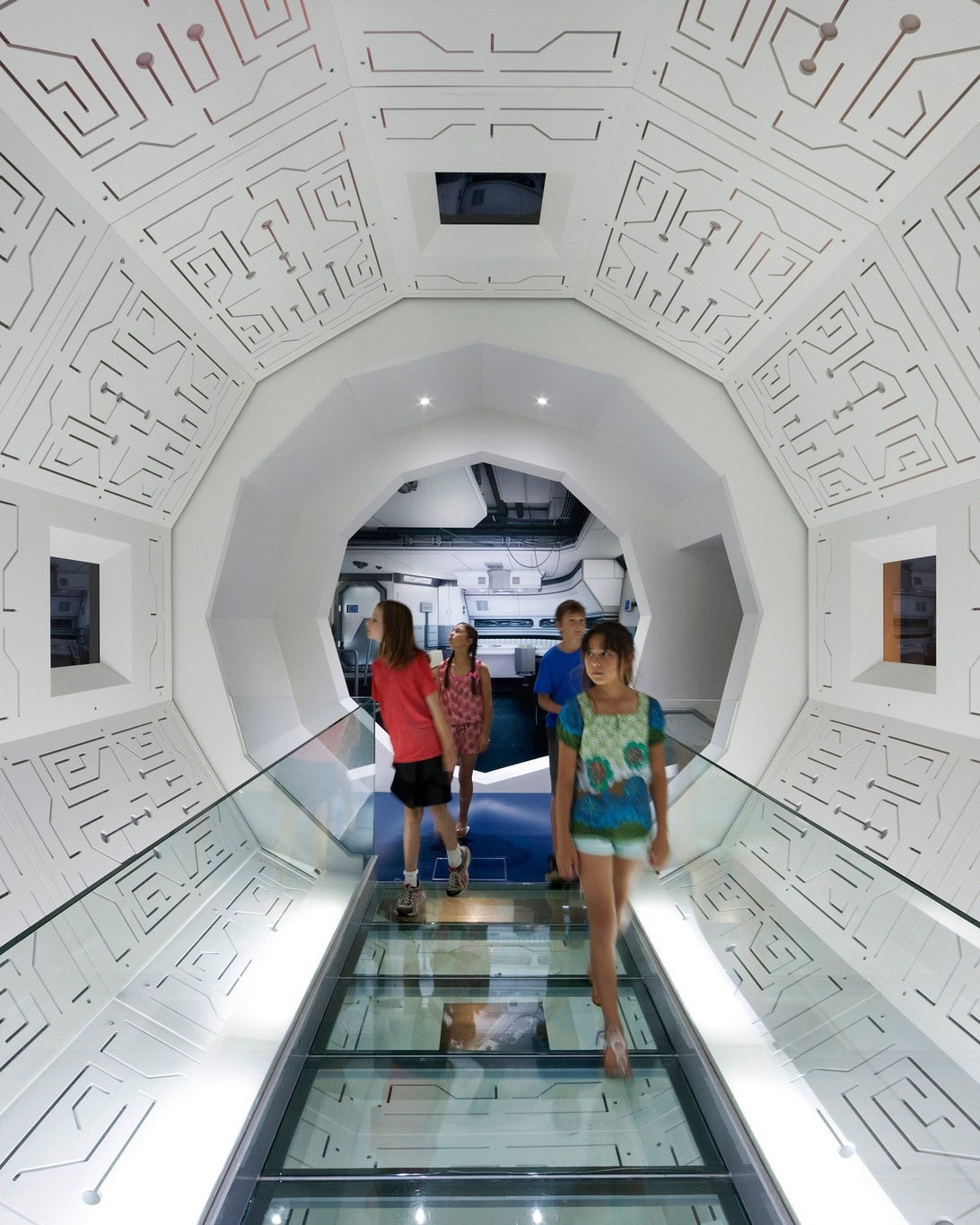
Melbourne Zoo: Just a short tram ride from the CBD, Melbourne Zoo (Parkville) has been entertaining generations of families since 1862. More than 300 animal species call its beautiful grounds home, from Sumatran tigers and gorillas to giraffes and the residents of its enchanting Butterfly House. There’s plenty of space for little legs to explore, with nature-play areas between animal encounters. Better still, children under 16 visit free on weekends, Victorian public holidays and Victorian school holidays.
Scienceworks: At Scienceworks (Spotswood), touching the exhibits is positively encouraged. This hands-on science museum lets curious young minds test their sporting abilities at Sportsworks, investigate the wonders of electricity and travel through the cosmos at Melbourne Planetarium. It’s a terrific all-weather adventure for budding scientists, with enough interactive exhibits to keep parents entertained, too.
Royal Park Nature Play: Melbourne’s playgrounds are rather good, but Royal Park Nature Play (Parkville) is something special. Built around natural materials, this enormous adventure playground has rocky climbing challenges, rope structures, slippery slides and water-and-sand play areas. There’s a grassy hill for rolling down and plenty of room for picnics. Entry is free.
Find more family adventures in our Best Kids Activities in Melbourne guide.
Best Neighbourhood Experiences in Melbourne
Best neighbourhoods to visit in Melbourne at a glance: Fitzroy and Collingwood lead with independent fashion, galleries and coveted restaurant tables. Brunswick has Lebanese bakeries, live music and vintage stores; Carlton pairs Italian heritage with bookshops and cinema. South Yarra and Prahran excel at designer shopping and long lunches, while St Kilda brings Art Deco architecture, historic pubs and the pleasures of Port Phillip Bay.


Fitzroy & Collingwood
An afternoon in Fitzroy and Collingwood can become an expensive business, especially if you have a weakness for beautiful clothes and very good wine. Along Gertrude Street, independent designers share handsome Victorian shopfronts with galleries and Andrew McConnell’s Marion. Smith Street has record stores, old pubs and restaurants worth crossing town for. Between them, Collingwood Yards houses a remarkable community of artists and makers, while The Tote remains one of Melbourne’s great live-music institutions. The neighbourhood takes its downtime seriously, too. At Sense of Self, a converted warehouse conceals mineral baths, a Finnish sauna and a steamy hammam, while Inner Studio pairs cold plunges and sauna sessions with breathwork, yoga and Pilates. Even relaxation requires a little stamina around here.
Explore more of the inner north with our guides to Fitzroy, Collingwood and the Best Restaurants in Melbourne.

Brunswick & Brunswick East
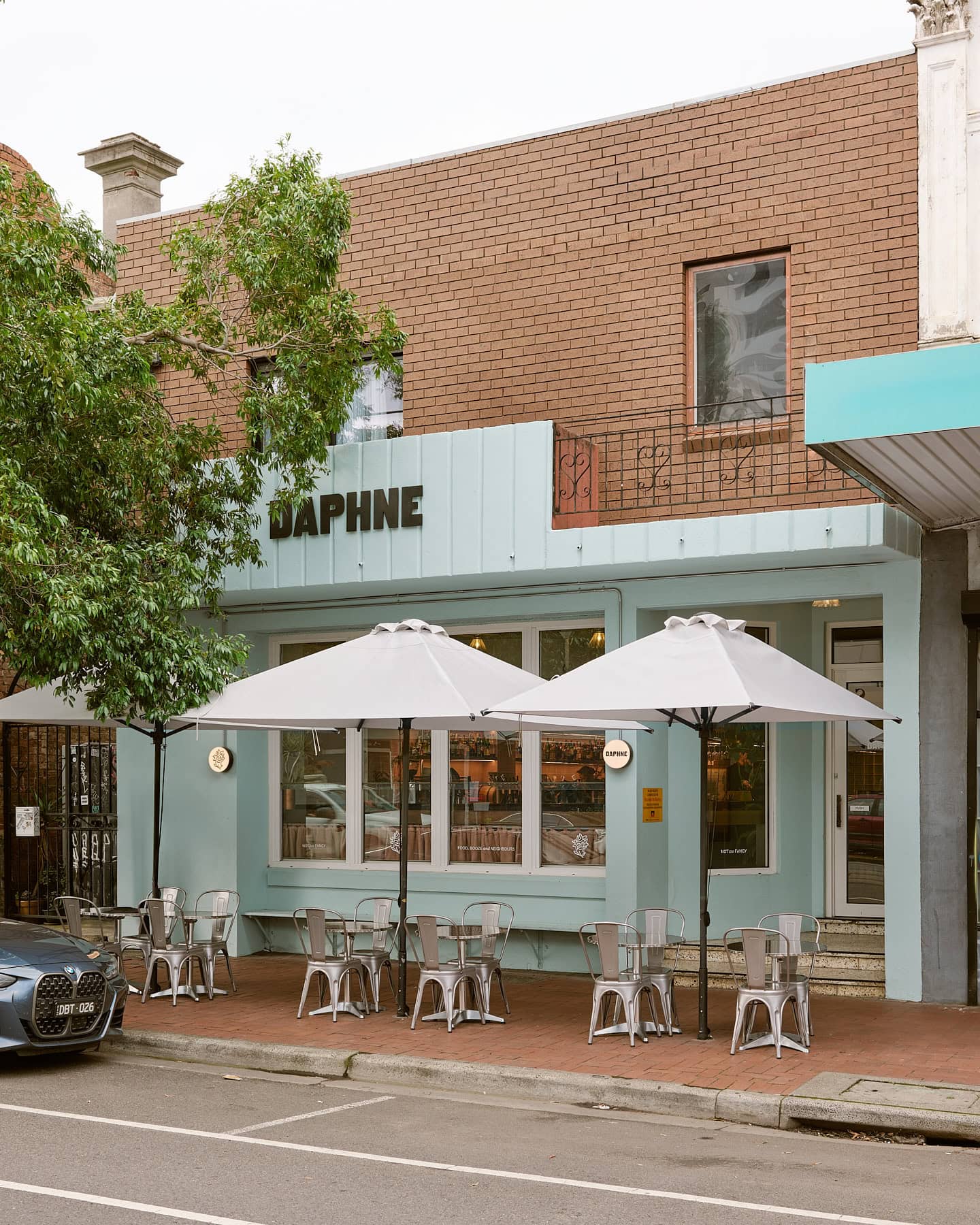
Sydney Road has been feeding Melbourne for generations. Lebanese bakeries turn out fresh manoush alongside Mediterranean grocers, while bridal boutiques, vintage shops and record stores make a compelling argument for taking the long way down the strip. Brunswick Picture House has brought independent cinema back to the neighbourhood, joining pubs where live music remains a point of pride. Further east, Lygon Street has developed a dining scene all its own, from the Sicilian cooking at Bar Idda to natural wine and late evenings at Daphne, Old Palm Liquor and Bahama Gold.
Get better acquainted with the neighbourhood in our Brunswick & Brunswick East guide, and discover more favourites in our Best Coffee in Melbourne edit.
Carlton
Carlton has been responsible for a substantial portion of Melbourne’s caffeine consumption since Italian espresso bars began changing the city’s drinking habits. Lygon Street’s old trattorias remain part of the furniture, with newer restaurants extending the neighbourhood’s culinary repertoire. Lose an hour among the shelves at Readings, catch an international film at Cinema Nova and order gelato from Pidapipó. Beyond the restaurant strip, the Royal Exhibition Building’s great dome rises above Carlton Gardens.
Explore our Carlton neighbourhood guide and discover more Italian favourites in the Best Restaurants in Melbourne.



South Yarra & Prahran
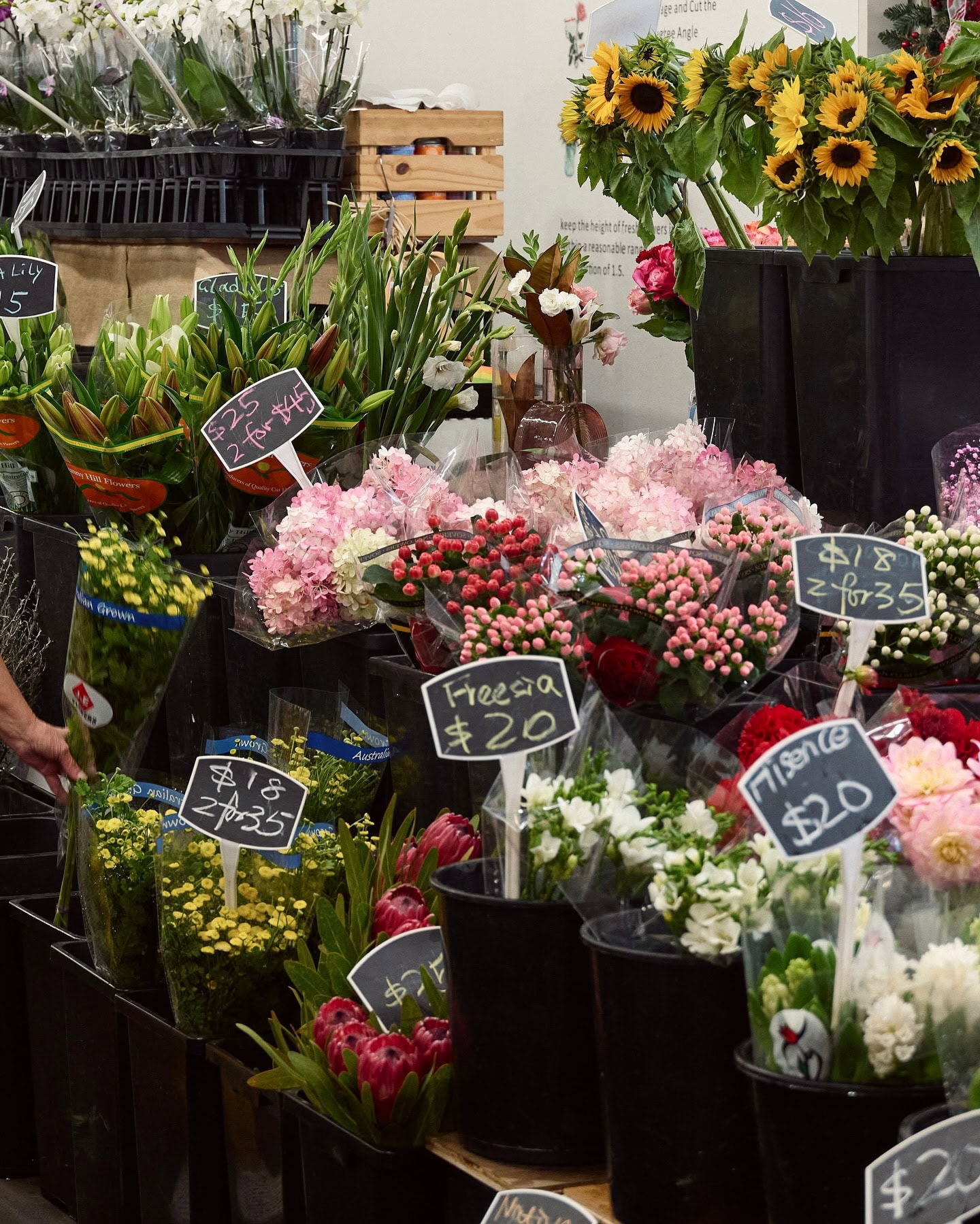
South Yarra takes its fashion seriously, although a morning spent shopping can easily give way to a long lunch. Toorak Road’s Victorian terraces house designer boutiques and smart dining rooms, while Domain Road catches the post-Tan coffee crowd. In neighbouring Prahran, the market’s cheesemongers, fishmongers and produce stalls make grocery shopping an occasion in itself. Chapel Street Bazaar rewards a thorough rummage through vintage furniture and curiosities, and Greville Records has been supplying Melbourne’s music devotees for decades.
Discover more in our guides to South Yarra and Prahran.
St Kilda
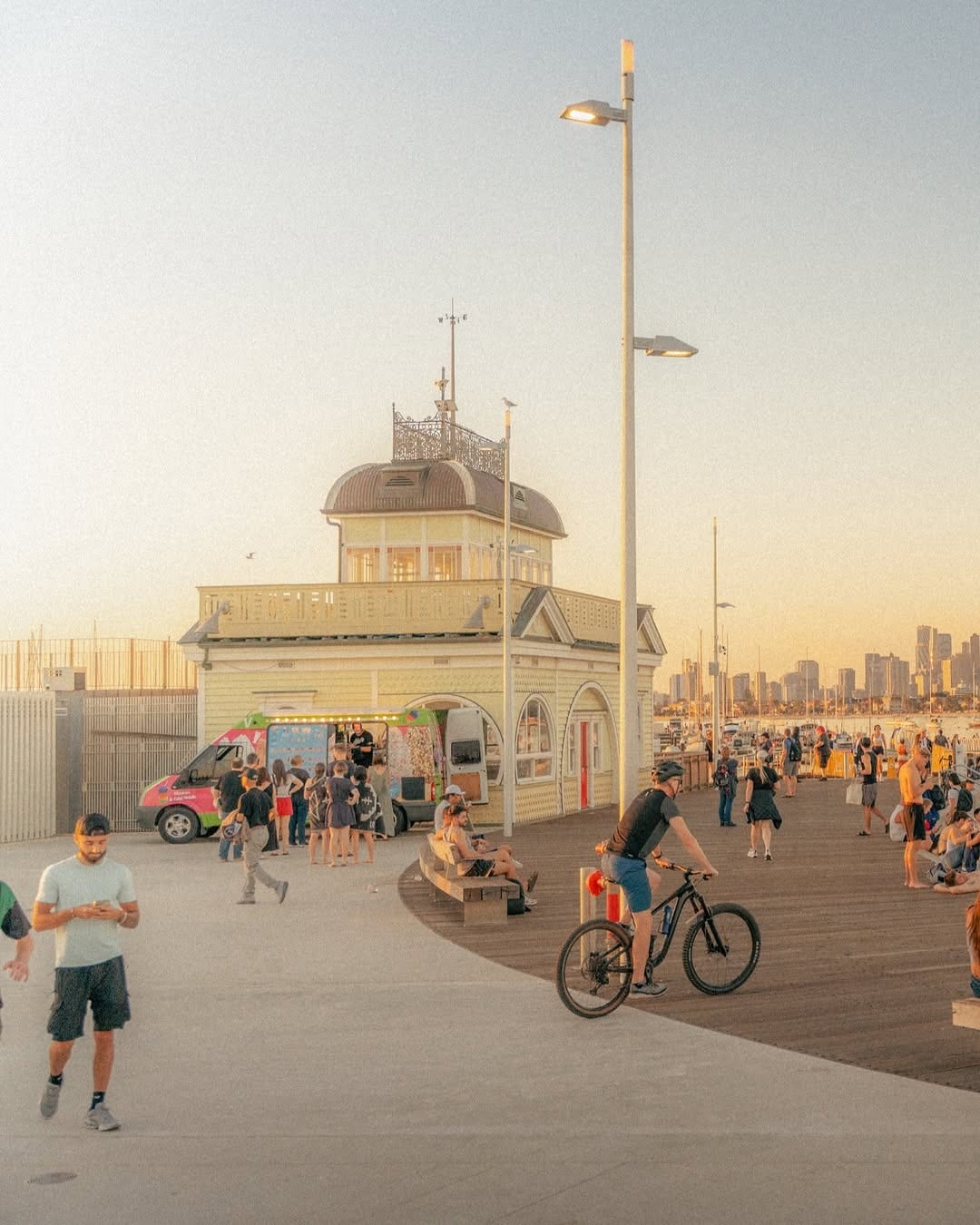
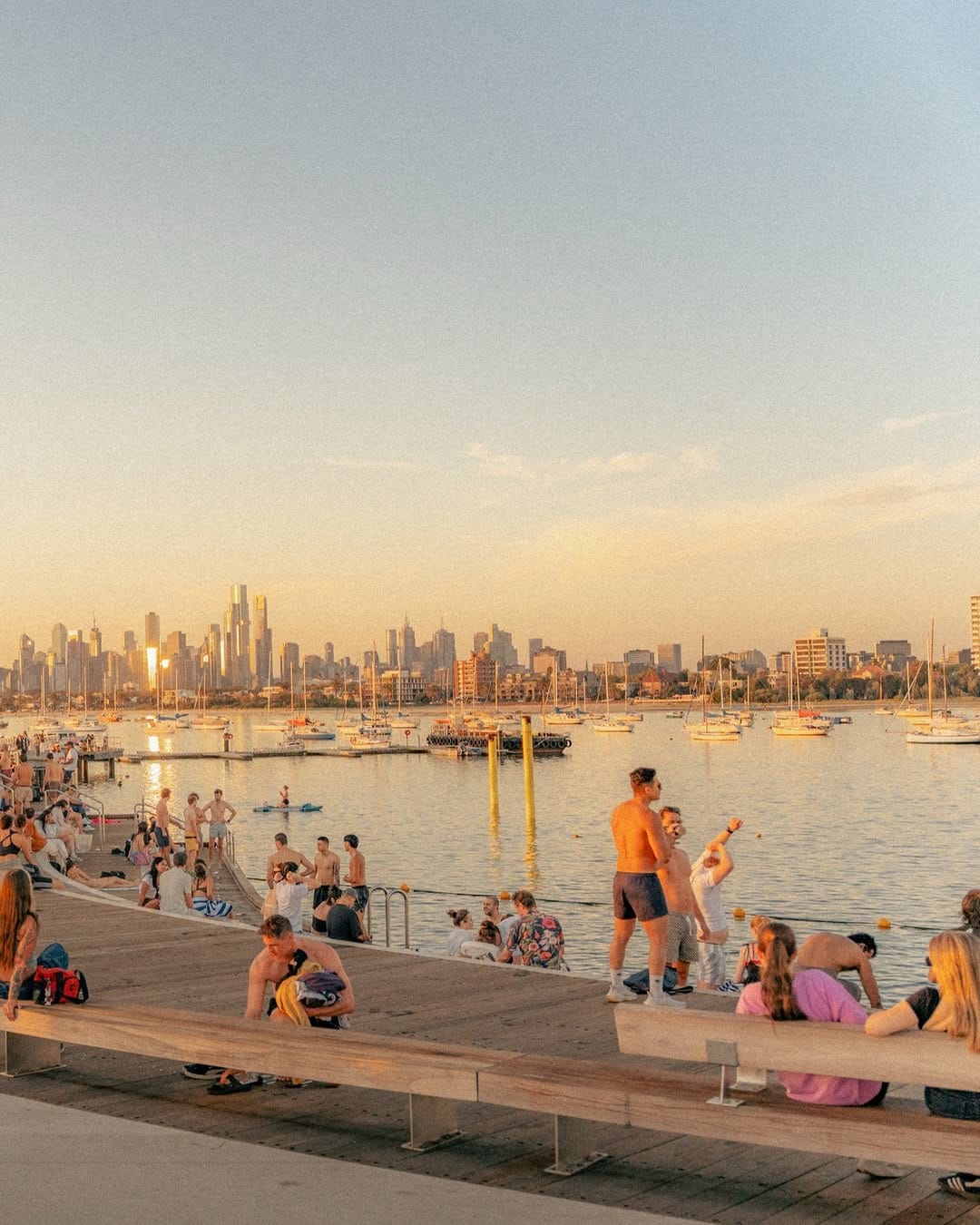
St Kilda has never been terribly interested in behaving itself. Generations of musicians, artists and night owls have left their mark on this seaside suburb, where Art Deco apartments, old pubs and palm-lined streets recall its more colourful decades. Ride Luna Park’s historic Scenic Railway, catch a concert at the Palais Theatre or settle in for seafood overlooking the bay. Acland Street still has its famous cake shops, and after sunset, little penguins return to the pier. Free viewing sessions require advance bookings.
Discover the neighbourhood’s latest openings and enduring institutions in our St Kilda guide.
What’s On While You’re Here
Melbourne’s cultural calendar rarely leaves much room for an empty diary. From major sporting events and international exhibitions to neighbourhood festivals, live music and brilliant little happenings, there’s almost always something worth getting out of the hotel for.
For the latest, see:
Best Weekend Escapes from Melbourne
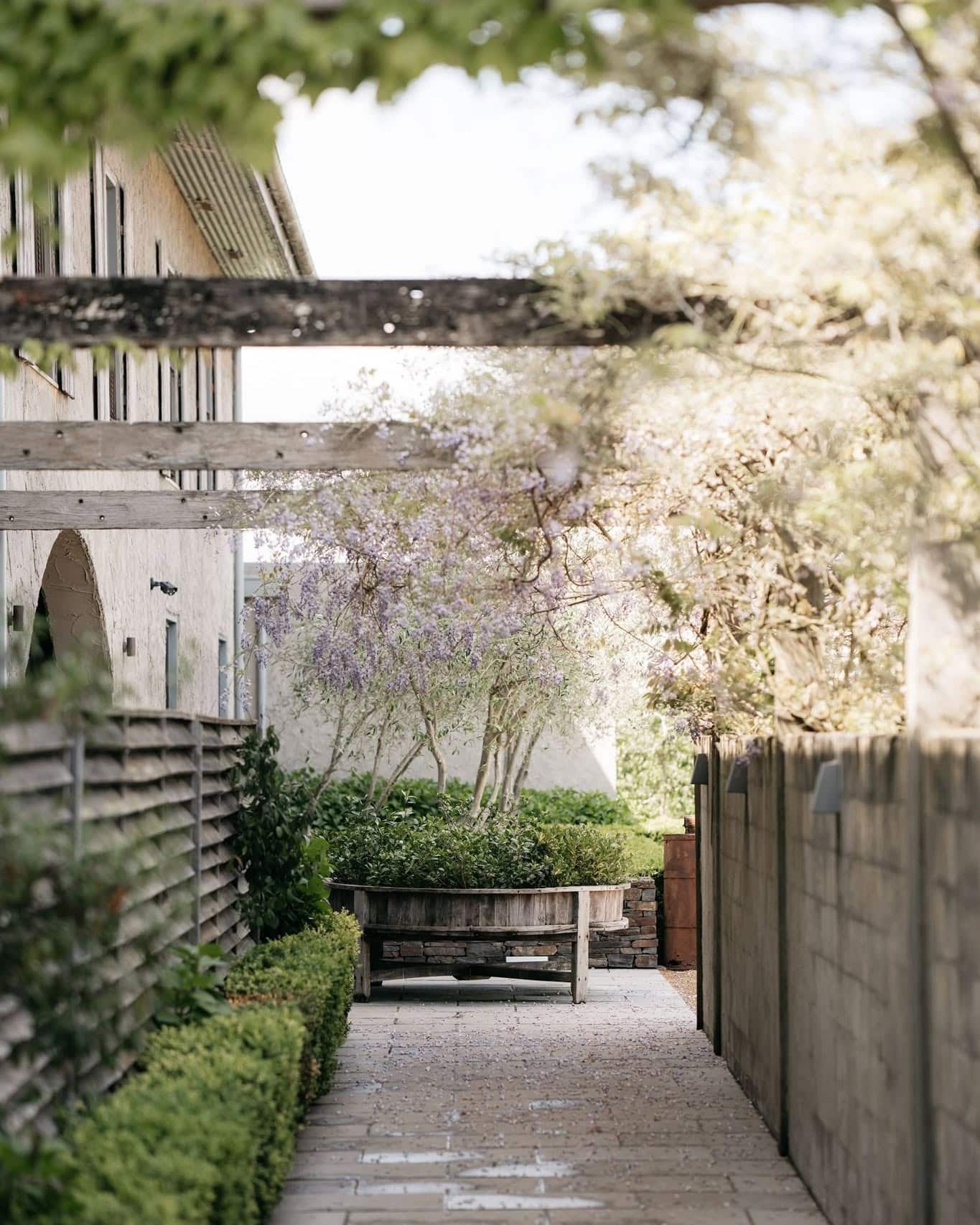
Yarra Valley
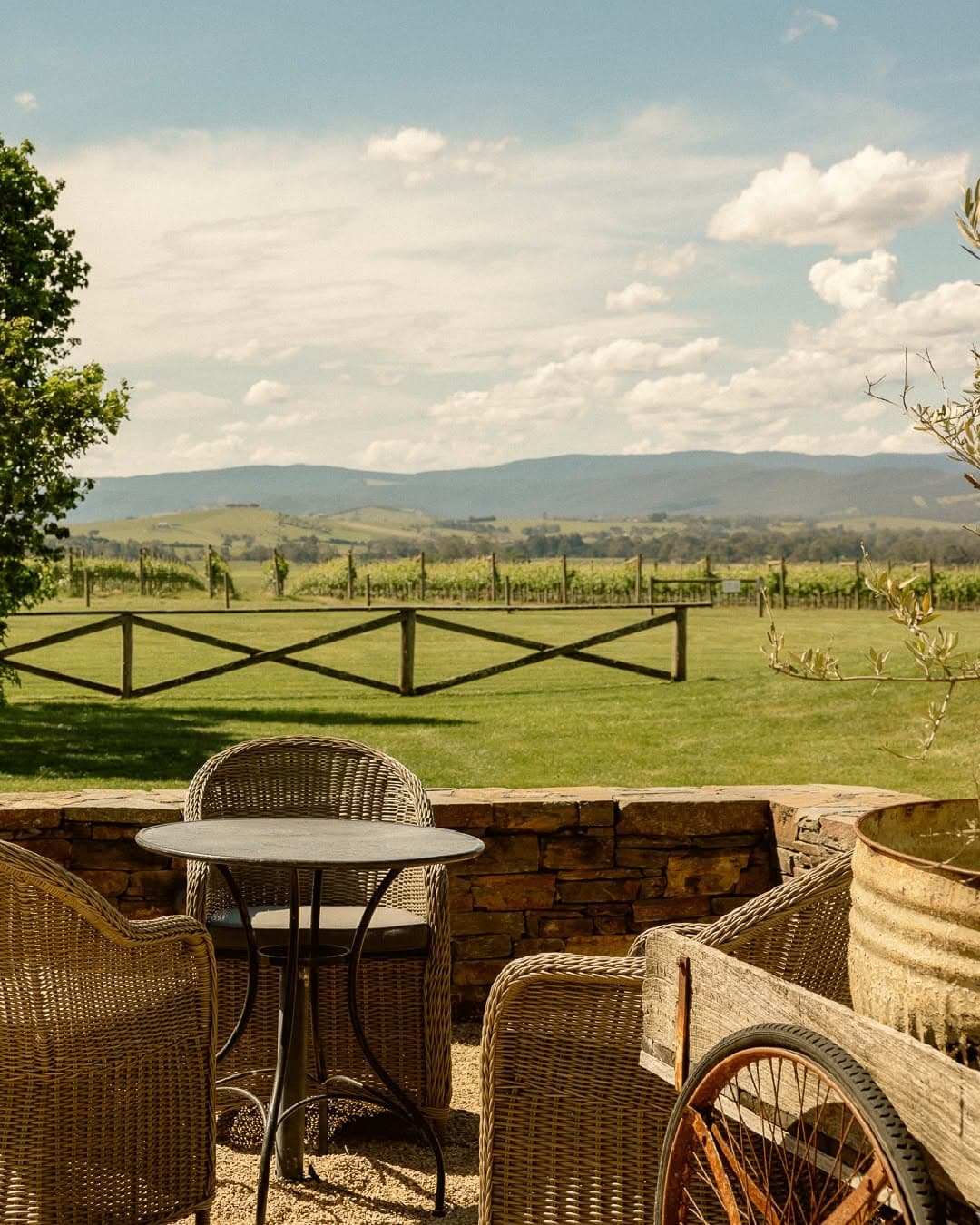
Distance: Approximately 65km north-east of Melbourne to Healesville.
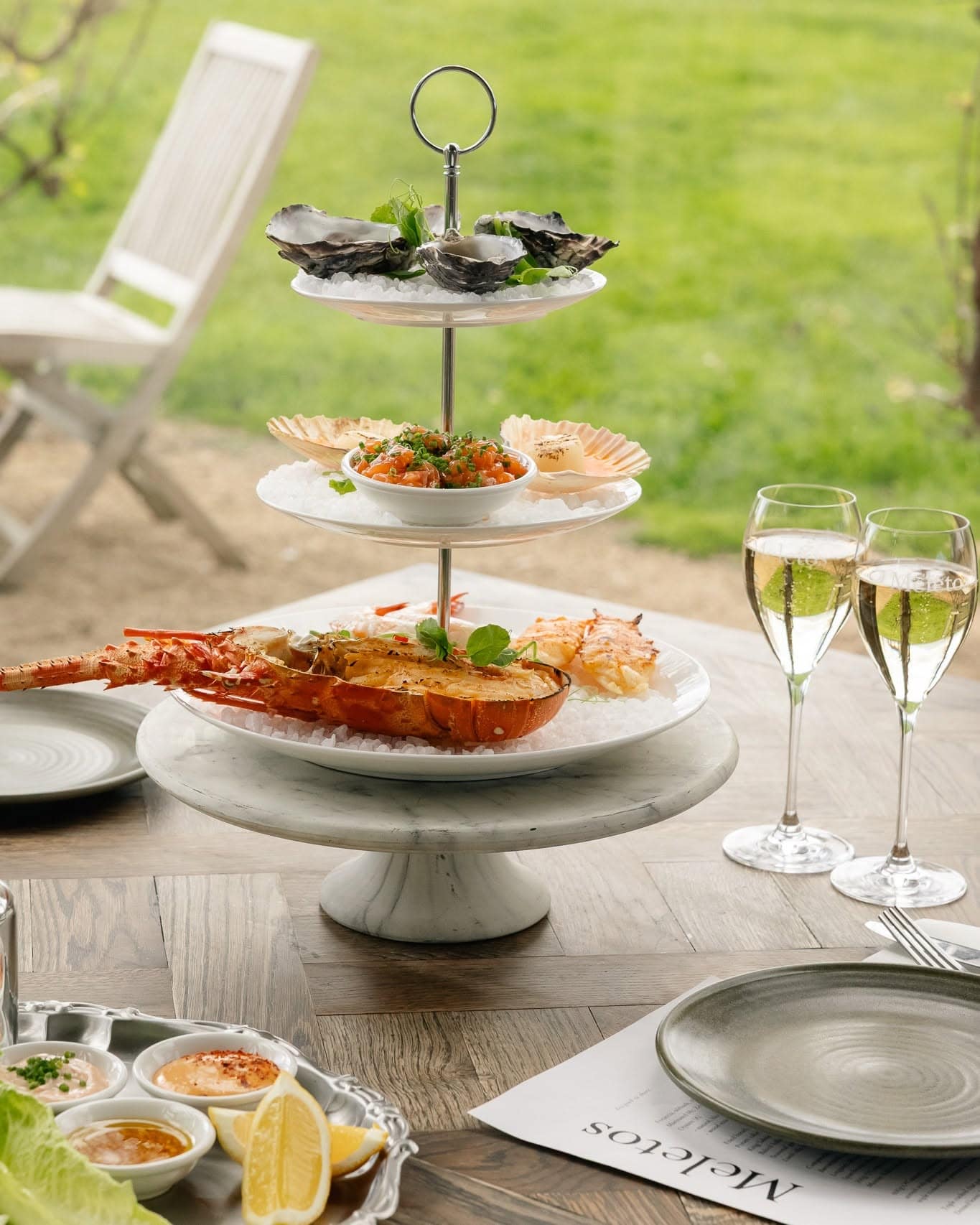
Known For: Exceptional Pinot Noir and Chardonnay, beautiful cellar doors, long vineyard lunches and native Australian wildlife.
Top Picks: Giant Steps, CHANDON, Jayden Ong Winery & Cellar Bar, Meletos, Healesville Sanctuary.
For a delicious introduction to Victoria’s oldest wine region, explore our guide to the Best Things to Do in the Yarra Valley, covering everything from celebrated wineries to the restaurants worth building an afternoon around.


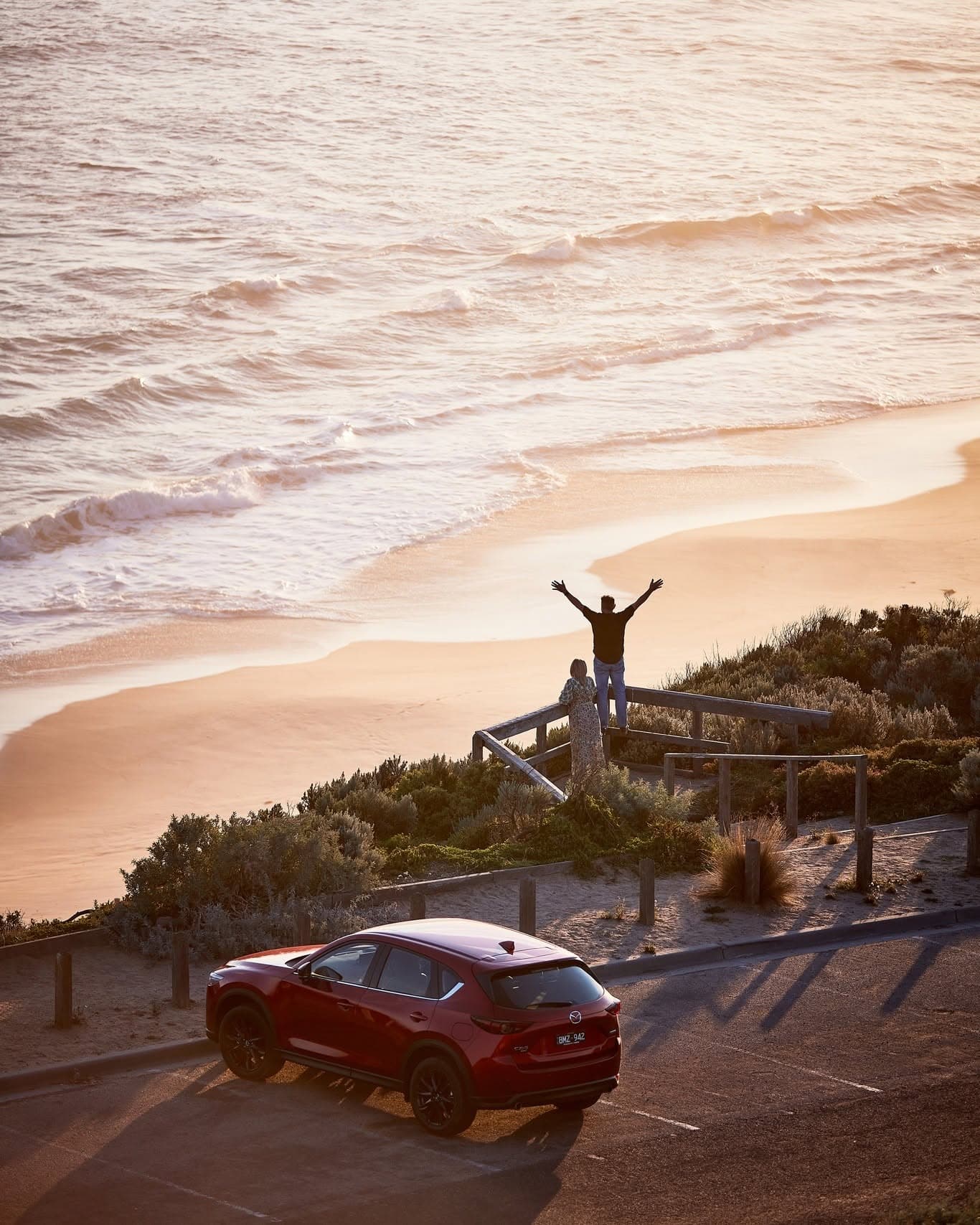
Mornington Peninsula
Distance: Approximately 80km south-east of Melbourne to Red Hill.
Known For: Beautiful bay beaches, wild ocean coastline, world-class Pinot Noir, destination dining and geothermal bathing.
Top Picks: Pt Leo Estate, Alba Thermal Springs & Spa, Jackalope Hotel, Rare Hare Wines, Tedesca Osteria, Barragunda Dining, Millionaire’s Walk, Bau Bau Dining.
There’s a very good reason Melburnians are so fond of escaping to the Peninsula. Plan your own coastal interlude with our guides to the Best Things to Do on the Mornington Peninsula, Best Restaurants and Best Wineries.
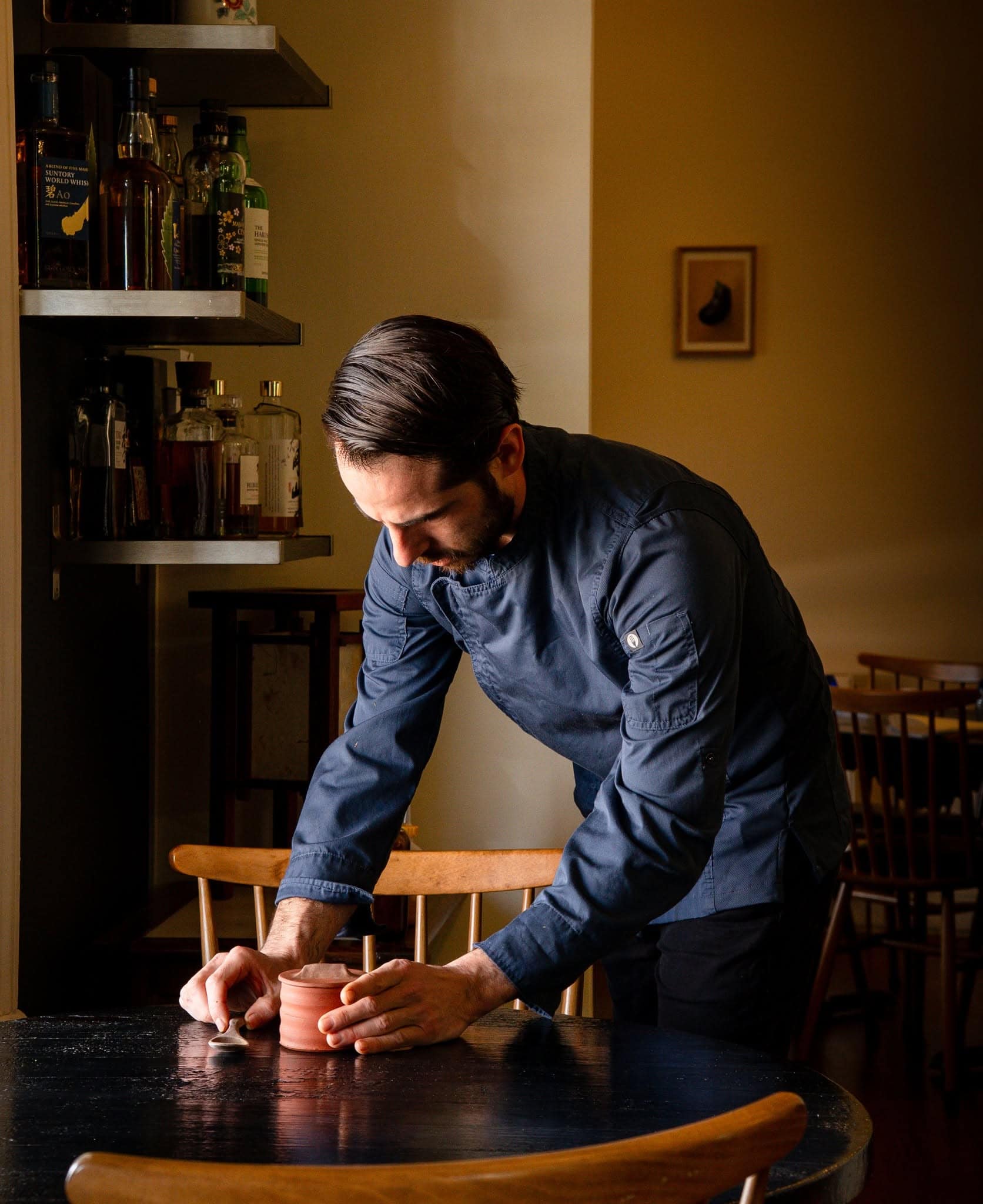

Daylesford & Hepburn Springs
Distance: Approximately 115km north-west of Melbourne.
Known For: Historic mineral springs, beautiful country gardens, antique hunting, exceptional regional restaurants and weekends devoted to doing very little indeed.
Top Picks: Kadota, Bar Merenda, Lotte, Hepburn Bathhouse & Spa, The Convent Gallery, Lake House, Lavandula Swiss Italian Farm, and Sault Restaurant.
Spa country has an appetite for the finer things, particularly when lunch is involved. Discover our guides to the Best Things to Do in Daylesford and the Best Restaurants in Daylesford, from intimate Japanese dining to mineral bathing and beautiful country estates.
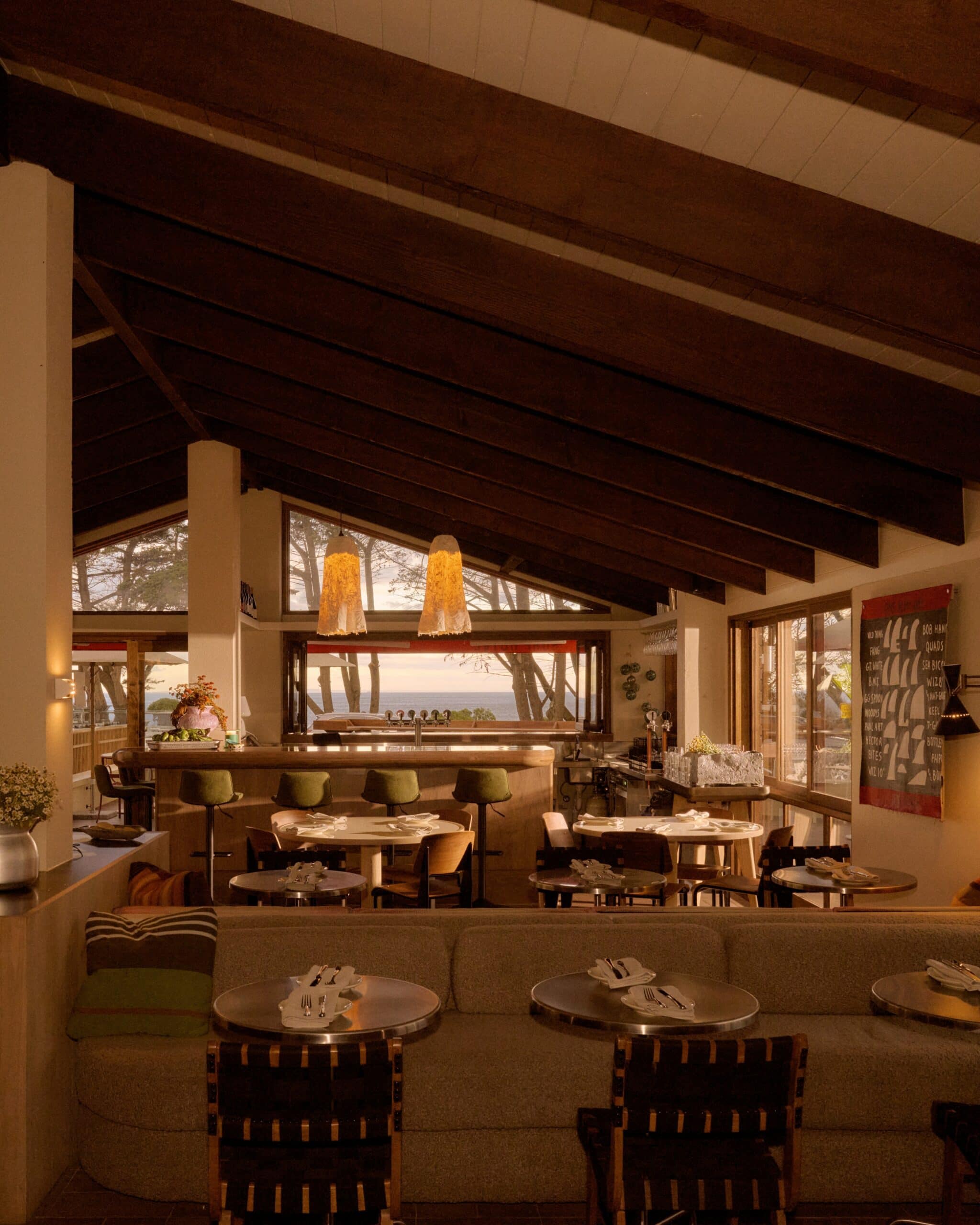
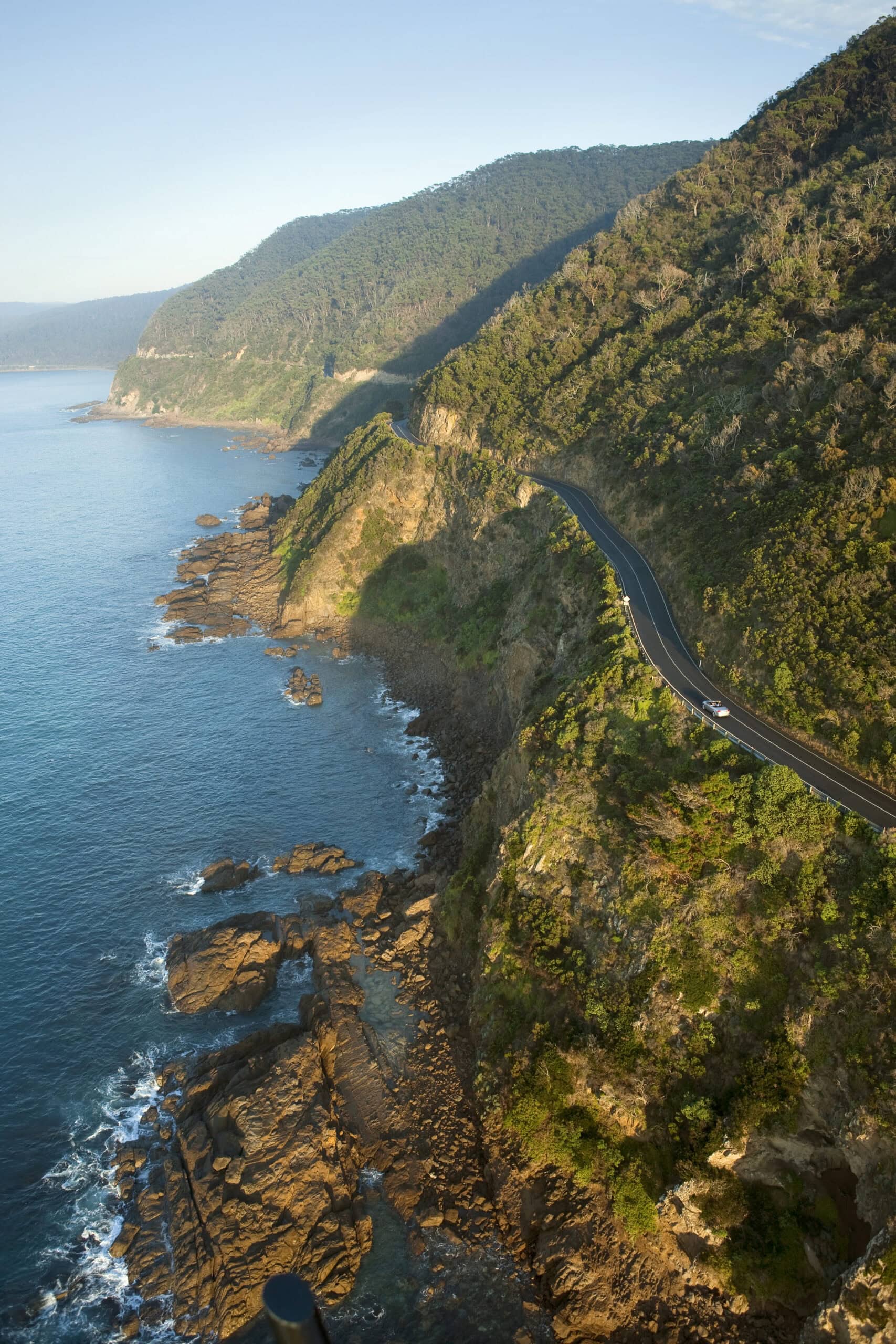
Great Ocean Road
Distance: The Great Ocean Road begins in Torquay, around 100km south-west of Melbourne, while the Twelve Apostles are roughly 275km from the city. Since 16 October 2026, visitors to the Twelve Apostles have been required to book ahead. Bookings are currently free, with fees set to be introduced in April 2027.
Known For: Legendary surf beaches, spectacular limestone cliffs, ancient Otways rainforest, fishing villages and a coastal food scene that rivals the views.
Top Picks: Mortadeli, Bells Beach, Surf Hotel, ELA Torquay, Wildlife Wonders, The Perch, Twelve Apostles, Port Fairy.
The scenery gets the postcards, but the food deserves its own itinerary. Follow our Five-Day Great Ocean Road Food & Wine Guide, discover the Best Road Trips in Victoria or turn the drive into a proper holiday with our edit of the Best Luxury Accommodation on the Great Ocean Road.
3-Day Itinerary in Melbourne
Three days in Melbourne won’t settle the argument about its best coffee, but it’s enough time to get acquainted with the city’s grand old arcades, extraordinary restaurants, independent neighbourhoods and seaside pleasures. Come hungry, pack excellent walking shoes and leave some room in the diary for an unplanned glass of wine.

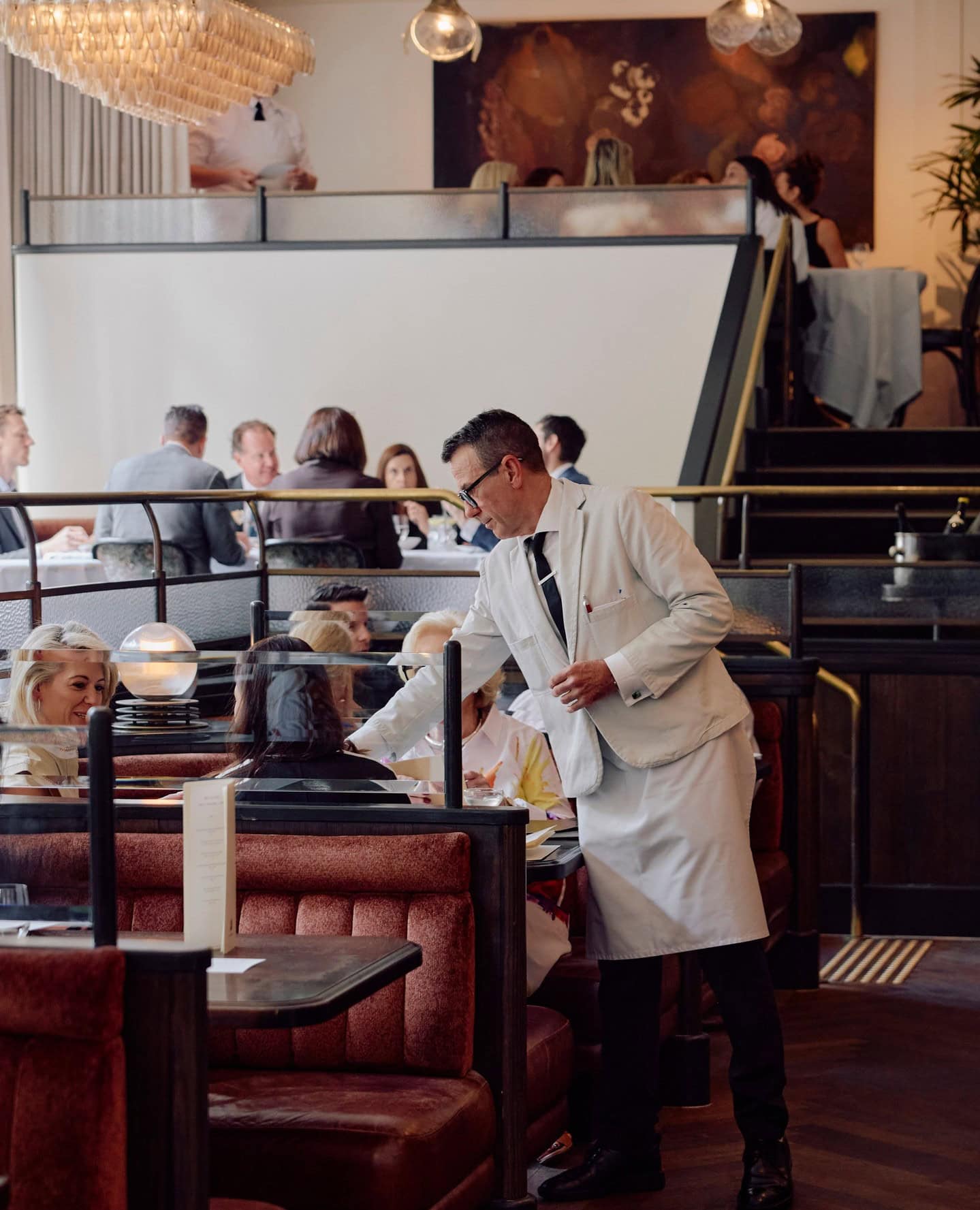


Day 1: Melbourne City Essentials
Begin with the grand old city, its architectural treasures and an introduction to Melbourne’s formidable cultural appetite.
Morning: Start with a proper Melbourne coffee at Patricia Coffee Brewers before exploring the CBD’s historic arcades. Admire the mosaic floors of the Block Arcade, meet Gog and Magog at Royal Arcade, then follow Collins Street towards Flinders Street Station and Federation Square. The laneways will take care of any unexpected detours.
Afternoon: Cross the Yarra to NGV International, where Leonard French’s magnificent stained-glass ceiling deserves a moment of your undivided attention. Back at Federation Square, ACMI’s free screen-culture exhibition is another excellent stop for film lovers.
Evening: At Gimlet, wood-fired seafood arrives in a grand 1920s dining room; at Roma, handmade pasta and old-school Roman hospitality set a more informal course. Afterwards, head to Siglo above Melbourne Supper Club for Champagne at a white-clothed rooftop table overlooking Parliament House.
Sitchu Tip: Check the MCG calendar before arriving. A packed AFL match or Boxing Day Test is an essential Melbourne experience, even for those whose sporting knowledge is largely theoretical.


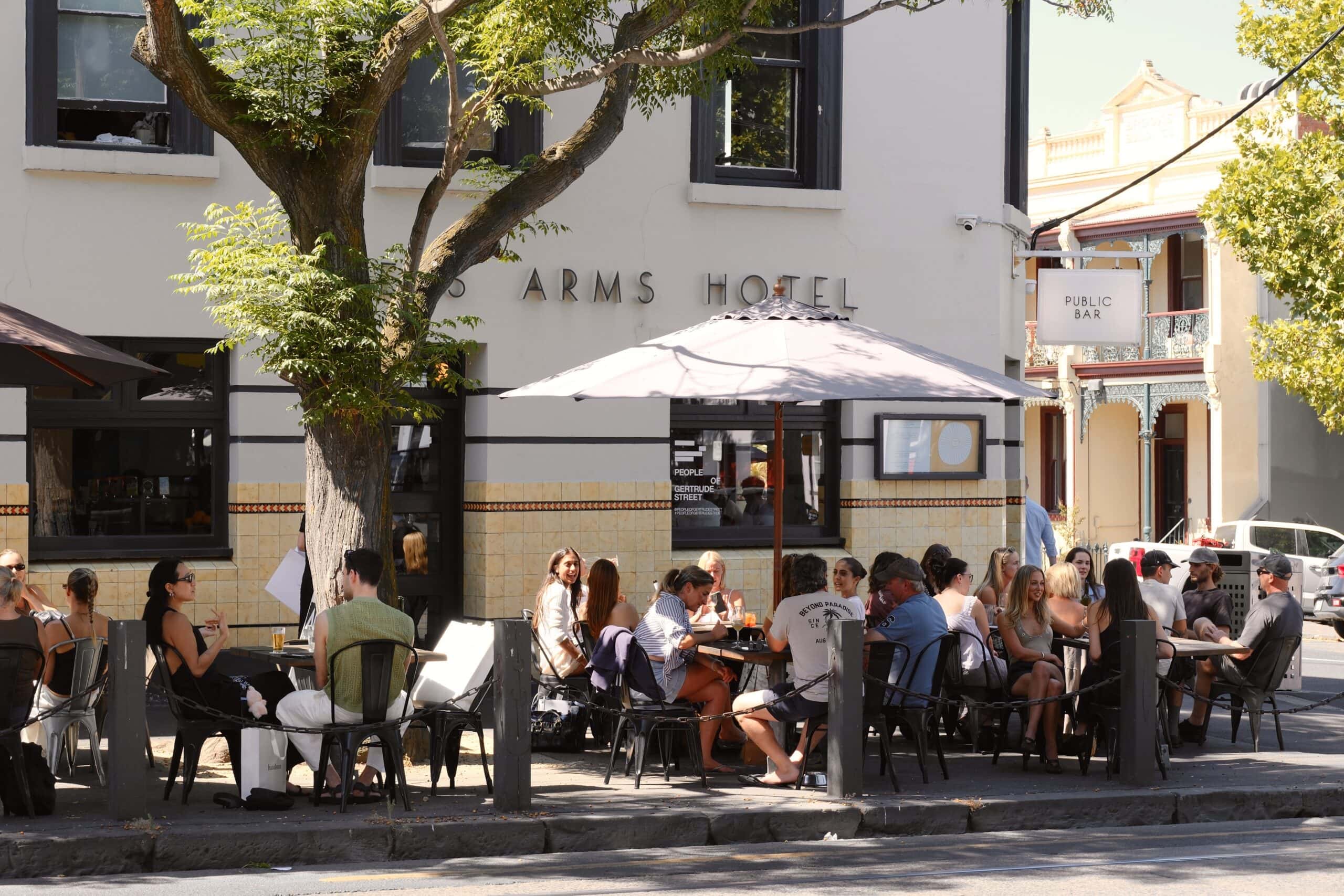
Day 2: Melbourne’s Creative North
Today belongs to the Melbourne locals love: independent shops, neighbourhood cafes and very good reasons to order another glass.
Morning: Begin in Collingwood at CIBI, where traditional Japanese breakfasts come with the added temptation of beautiful ceramics and homewares. Afterwards, explore the record stores and independent shops along Smith Street.
Afternoon: Follow Gertrude Street into Fitzroy, stopping for local fashion, galleries and a little vintage treasure hunting. Make time for Collingwood Yards, the former school turned creative precinct, where artists, makers and independent businesses have taken up residence.
Evening: Begin with a rooftop drink at Runner Up, then head to Zareh on Smith Street for Tom Sarafian’s Armenian, Egyptian and Lebanese cooking. Order the prawn-and-crab hummus, charcoal-grilled chicken skewers with toum and an arak martini.
Sitchu Tip: Visiting on a weekend? Add the Rose Street Artists’ Market to your afternoon. Original artworks, handmade jewellery and design pieces make excellent souvenirs, particularly if your suitcase has room.


Day 3: Gardens, Market Oysters & the Bay
Spend your final day among Melbourne’s morning rituals, market institutions and independent fashion before an evening by the sea.
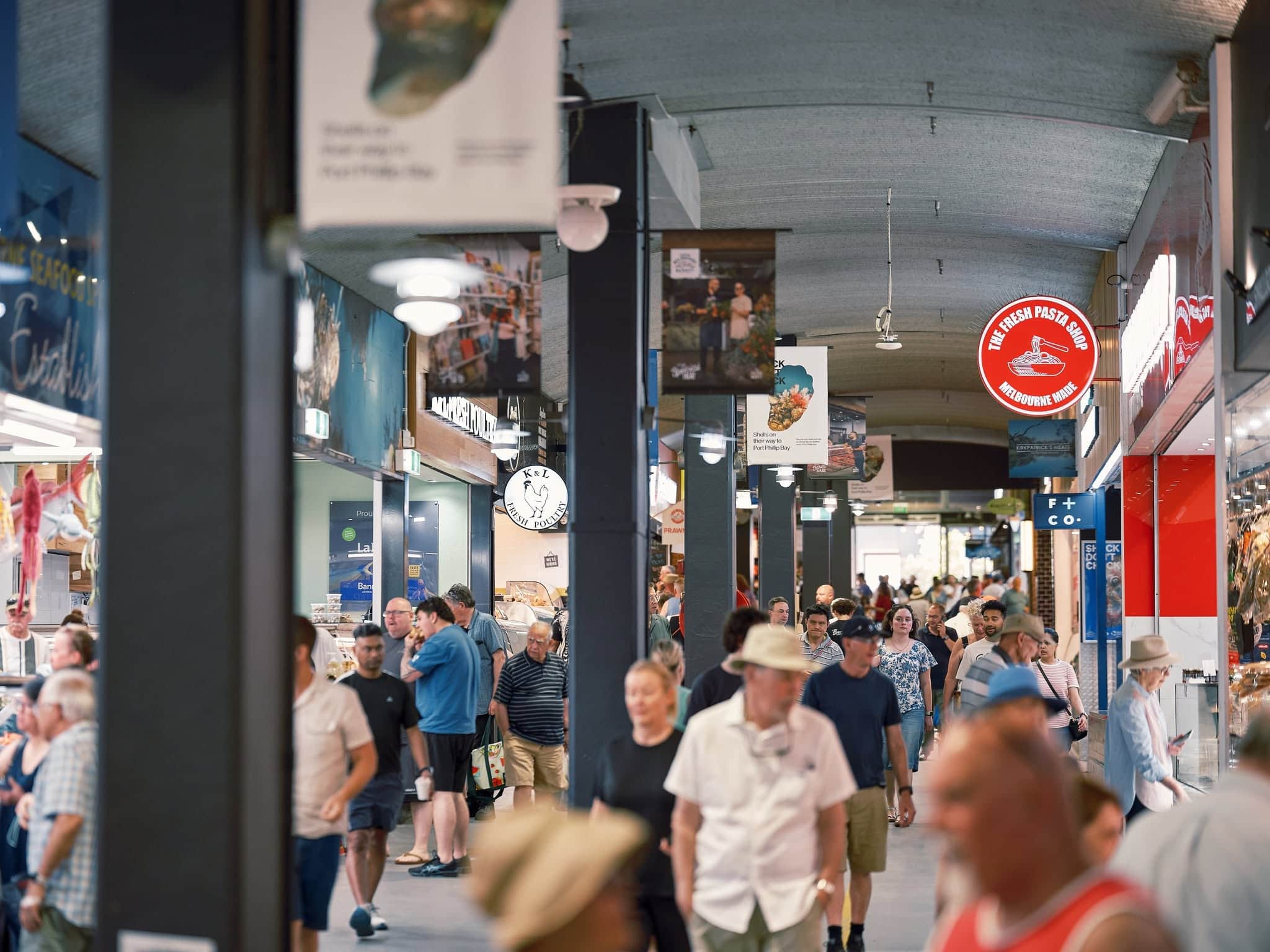
Morning: Join the locals for a 3.8-kilometre lap of the Tan, circling the beautiful Royal Botanic Gardens. Afterwards, head to South Melbourne for coffee at ST. ALi, then investigate the market. Start with a famous South Melbourne dim sim, made to a family recipe dating to 1949, before finding the Oyster Bar by Aptus for freshly shucked oysters and kingfish with orange ponzu.
Afternoon: Browse SWOP’s enormous Clarke Street store for pre-loved designer fashion and vintage treasures, then catch the 96 tram towards St Kilda. Admire the historic Palais Theatre, investigate Acland Street’s old cake shops and take the sea air along the Esplanade.
Evening: At Marea, beneath Stokehouse, wood-grilled prawns and spaghetti vongole come with views across Port Phillip Bay. Make time for St Kilda Pier, too, where little penguins return to their burrows after sunset.
Sitchu Tip: The Australian Tapestry Workshop opens Thursday to Saturday, with a mezzanine overlooking the weavers at work. Visit alongside South Melbourne Market on Friday or Saturday; the market also trades Wednesday and Sunday.

Getting Around Melbourne
Melbourne is an easy city to explore, thanks to its walkable CBD and extensive network of trams, trains and buses. Better still, the Free Tram Zone covers much of the city centre and Docklands, making those spontaneous detours between galleries, shops and lunch reservations entirely free.
For journeys beyond the CBD, visitors can tap on using a Visa or Mastercard, smartphone or smartwatch, or use a myki card. The historic City Circle Tram (Route 35) is another free way to get acquainted with the city’s landmarks.
Uber and DiDi are readily available for trips across town, while SkyBus connects Melbourne Airport with Southern Cross Station.
Planning to venture further afield? Hiring a car is your best bet for exploring the Yarra Valley, Mornington Peninsula or Great Ocean Road, particularly when scenic detours are half the pleasure. Car hire is available at Melbourne Airport and throughout the city, with car-sharing platforms such as Turo providing another option. Save the driving for regional adventures; Melbourne itself is best explored on foot and by tram.
Melbourne Travel FAQs

A: Three to five days is the right amount of time for a first visit to Melbourne. Three days covers the CBD’s historic arcades and laneways, NGV International in Southbank, the inner-north neighbourhoods of Fitzroy and Collingwood, and an evening in St Kilda. Five to seven days lets you add regional Victoria, with a vineyard lunch in the Yarra Valley, thermal bathing on the Mornington Peninsula or a drive along the Great Ocean Road. Visitors timing a trip around the Australian Open, AFL Grand Final or Boxing Day Test should book accommodation well in advance.
A: Melbourne can be expensive for tourists, particularly when accommodation prices rise during major events such as the Australian Open, Formula 1 Australian Grand Prix and AFL Grand Final. As a guide, budget travellers should allow around AUD $120 to $180 per day, while mid-range visitors can expect to spend $250 to $400, including accommodation, meals and transport. Many of the city’s highlights are free, including NGV International, ACMI, the Royal Botanic Gardens and the CBD’s Free Tram Zone, which makes exploring surprisingly affordable.
A: You do not need a car to explore Melbourne itself. The CBD is compact and walkable, the Free Tram Zone covers the city centre and Docklands, and trams, trains and buses connect inner suburbs such as Fitzroy, Carlton, South Yarra and St Kilda. Visitors can tap on with a contactless card, smartphone, smartwatch or myki. SkyBus links Melbourne Airport with Southern Cross Station. A hire car is the better option for the Yarra Valley, Mornington Peninsula or Great Ocean Road.
A: Melbourne is known for its coffee culture, acclaimed restaurants, laneway bars, independent fashion, thriving arts scene, live music and a devotion to sport. Visitors come for NGV International in Southbank, the historic Block Arcade and neighbourhoods such as Fitzroy, Carlton and St Kilda, each with its own distinct character. The city also hosts some of Australia’s biggest events, including the Australian Open, Formula 1 Australian Grand Prix, Melbourne Food & Wine Festival and AFL Grand Final, played at the MCG in East Melbourne.
A: The CBD and Southbank are the best areas to stay in Melbourne for first-time visitors, with historic arcades, laneway bars and NGV International within walking distance and the Free Tram Zone on the doorstep. Food lovers should consider Fitzroy and Collingwood for independent restaurants, wine bars and live music. Carlton suits travellers after Italian dining and leafy heritage streets, South Yarra and Prahran offer designer shopping and boutique hotels, and St Kilda is the pick for a bayside stay with historic pubs.
A: March is the best month to visit Melbourne, with mild autumn temperatures, outdoor dining and a packed calendar that includes the Melbourne Food & Wine Festival and the Melbourne International Comedy Festival. April is another lovely choice, when the city’s parks turn amber and red. November suits garden lovers, with spring blooms and longer, warmer afternoons, while December to February brings rooftop bars and the Australian Open. Melbourne’s weather changes quickly in every season, so pack layers whenever you visit.
A: Port Melbourne and South Melbourne beaches are the closest to Melbourne’s CBD, easily reached by tram or a short drive. St Kilda Beach, approximately six kilometres from the city, is a favourite, with its historic pier, seaside restaurants and little penguins that return at sunset. Middle Park and Elwood are quieter alternatives further along the 11-kilometre Foreshore Trail. These are calm, sheltered Port Phillip Bay beaches; for surf, head to Bells Beach near Torquay, around 100 kilometres south-west of the city.
A: Melbourne is generally considered a safe city for visitors, including solo travellers. Standard precautions apply late at night around busy entertainment precincts and public transport hubs, and keeping an eye on your belongings is sensible, as in any major city. At the beach, swim between the red and yellow flags where patrolled, check water-quality advice and avoid swimming after heavy rainfall. Melbourne’s weather can change quickly, so carry layers and sunscreen. In an emergency, call Triple Zero (000) for police, fire or ambulance.
A: Melbourne is very walkable for tourists, especially around the CBD, Southbank and Carlton. The Block Arcade, Royal Arcade, Federation Square and NGV International are all within easy walking distance of each other, and the Free Tram Zone covers longer journeys across the city centre at no cost. Once you arrive by tram, neighbourhoods such as Fitzroy, Collingwood and South Yarra are best explored on foot, from Gertrude Street’s boutiques to the 3.8-kilometre Tan track. Bring comfortable walking shoes; the laneways reward slow exploration.
A: Fitzroy is the best neighbourhood to stay in Melbourne for travellers who want to experience the city like a local. The StandardX puts you near Brunswick Street’s vintage shops and wine bars, with Gertrude Street and Marion a short walk away. Neighbouring Collingwood suits families, with Veriu Collingwood’s two-bedroom suites close to Smith Street. Design lovers should consider La Perle in Carlton, while The Lyall in South Yarra places Toorak Road’s boutiques on your doorstep. All are a short tram ride from the CBD.