Subscribe


 Subscribe
The Hidden Garden That Explains Why Dining Out Still Matters
At Beer Garden Produce in Rocklyn, the team behind Patsy’s, Bistro Elba and Bau Bau Dining has built more than a supplier. It is a working farm, a restored country pub and a rare glimpse at the labour behind three of Victoria’s most thoughtful restaurants.

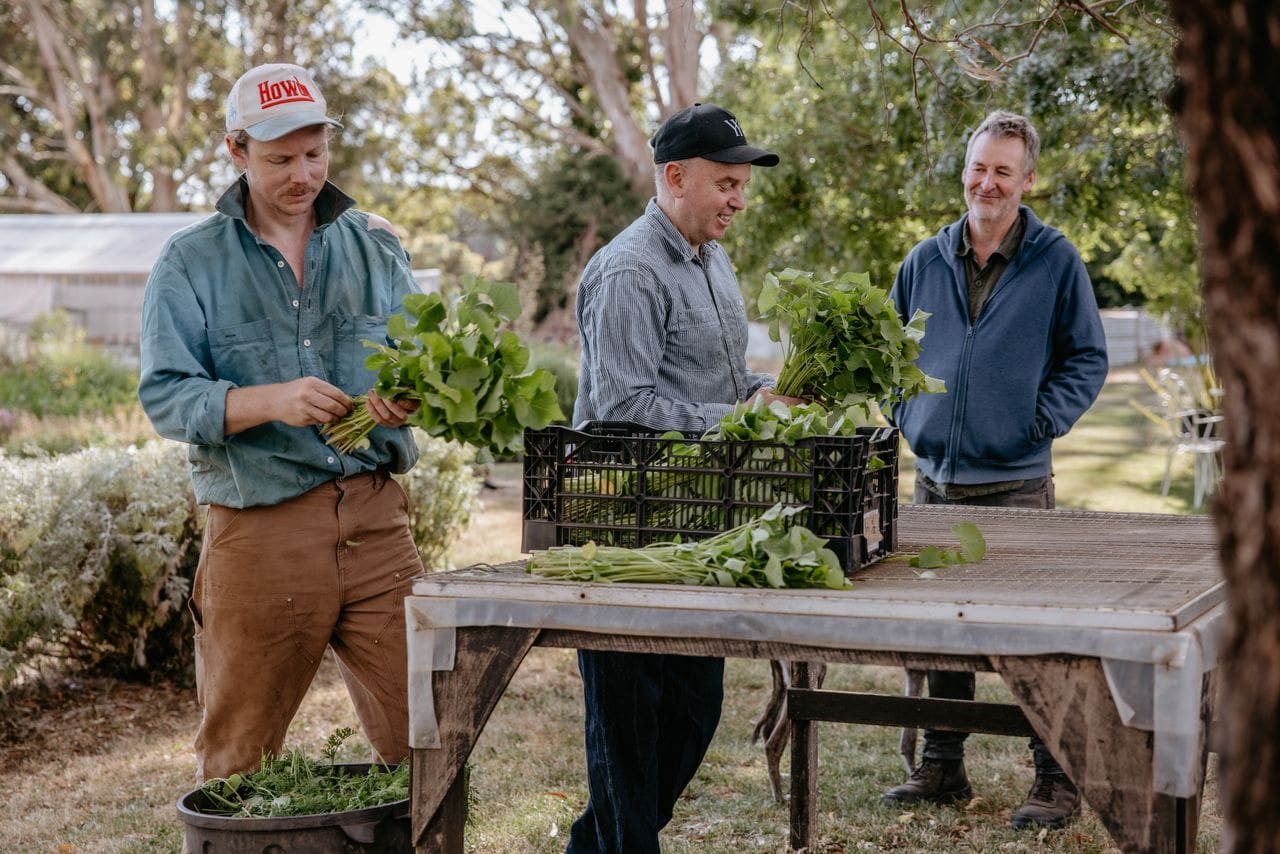
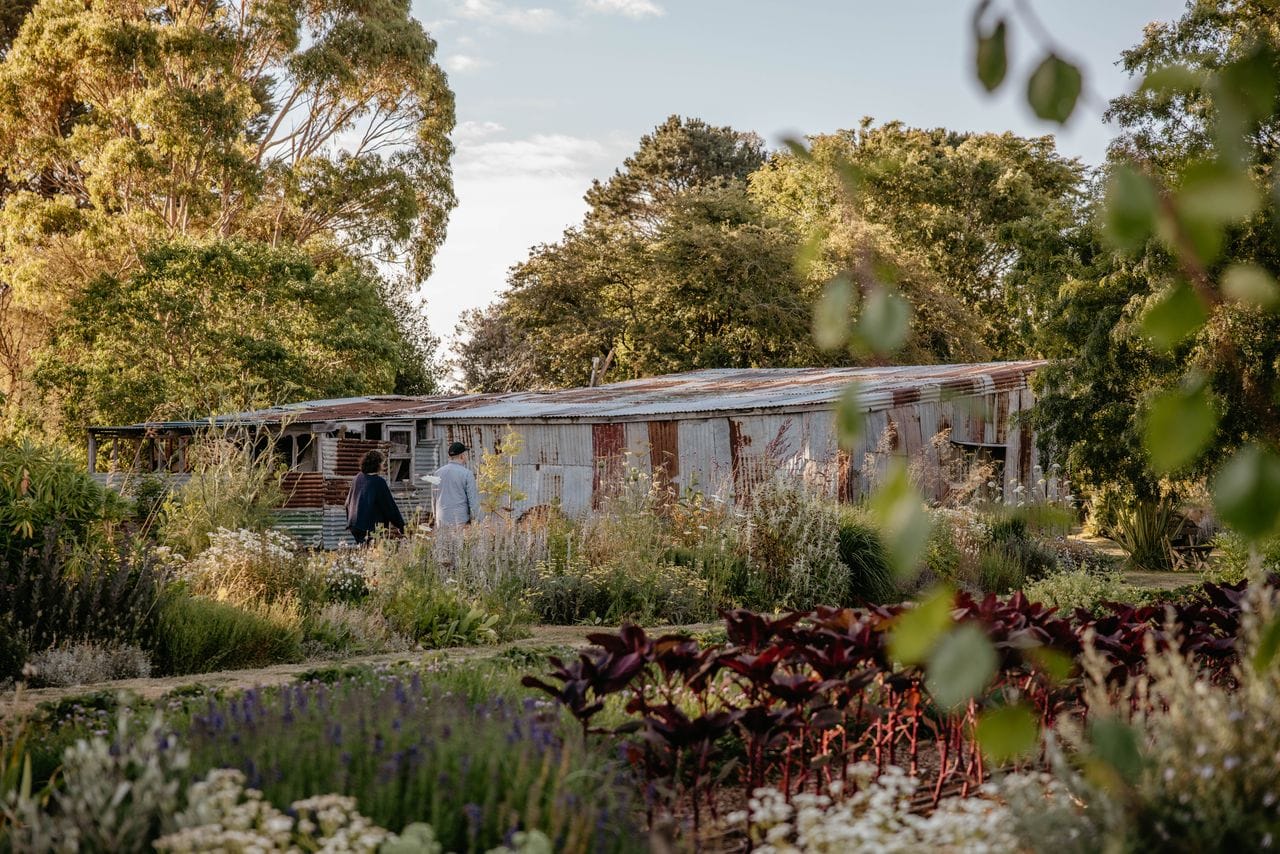
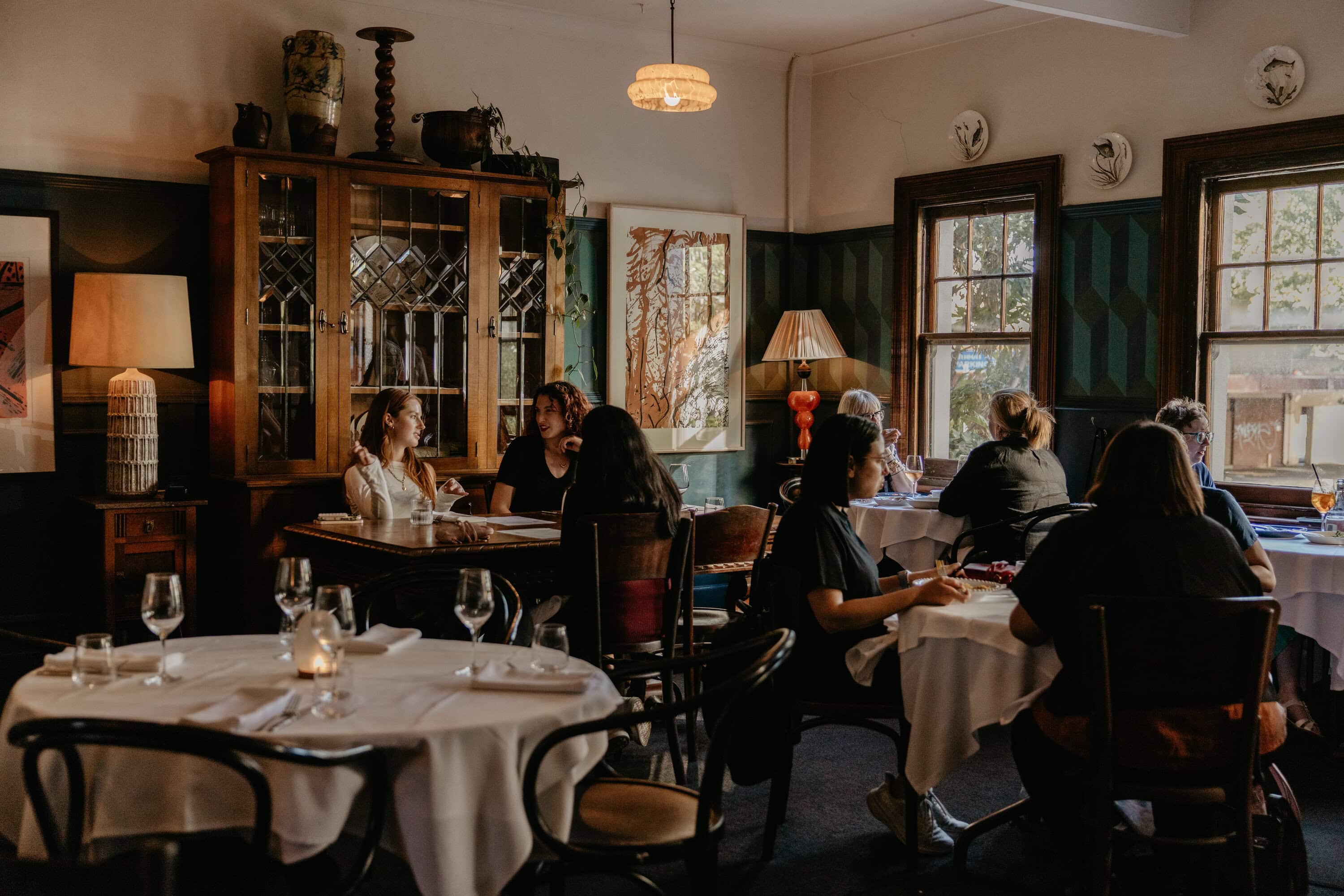
Before a diner sees a plate at Patsy’s, Bistro Elba or Bau Bau Dining, the meal has already done the long drive from Rocklyn. It has passed through volcanic soil, the shadow of an old country pub, rare leaves, stubborn rows of vegetables and the hands of people betting that hospitality can still mean more than a booking, a bill and a very nice room.
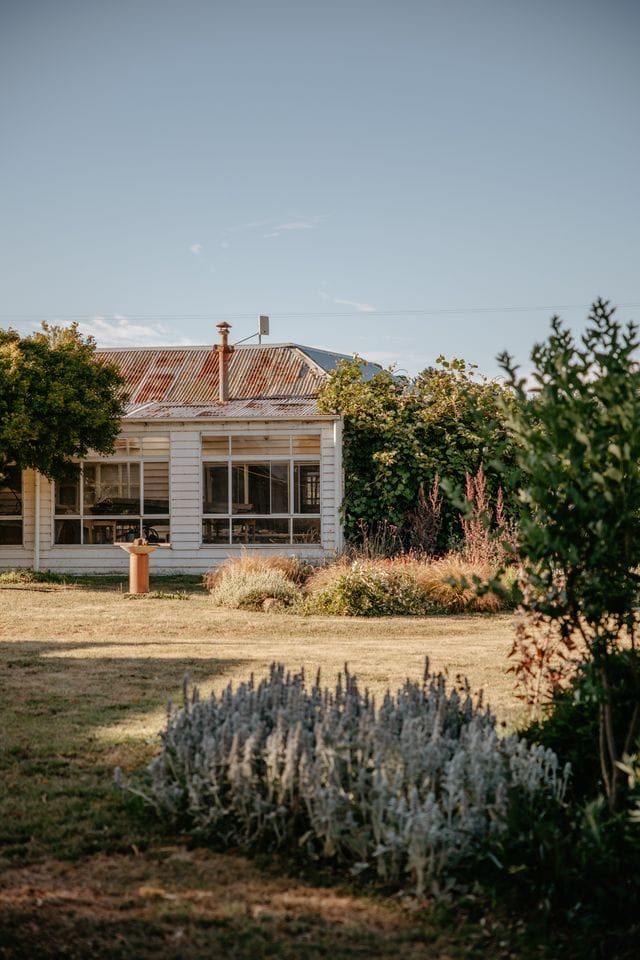
Beer Garden Produce, the farm owned by James Langley, Mat Guthrie and Clinton Trevisi, is not a pretty provenance note tacked onto three restaurants. It is the source code. Set around the old Hotel Victoria in a former gold-rush town just over an hour from Melbourne, the garden supplies much of the produce for their city, bayside and Peninsula venues, turning menu language into something that exists before the menu does.
Langley, Guthrie and Trevisi are not treating the farm as a marketing flourish or a lifestyle fantasy. Across a North Melbourne wine bar, a Sorrento bistro and a Mount Eliza dining room, they have built three very different restaurants around the same harder idea: that better hospitality begins well before the kitchen, with land, planning, restraint and the willingness to turn the difficult parts of the business into part of the pleasure.
The farm is not currently a public dining venue, nor is it somewhere diners can book for lunch or wander through on a weekend. Its public life happens downstream, on plates across the group. But our visit to Rocklyn revealed the private machinery behind those restaurants, and why the language of provenance matters only when there is real work beneath it.
In a year when diners are weighing every booking against the cost of living, and restaurants are fighting the hard mathematics of labour, rent, energy and produce, Rocklyn sharpens the question: what does a good meal really cost to make? This is not a plea for sympathy. It is a look at the labour, risk and stubborn belief required before a single plate ever reaches the table.
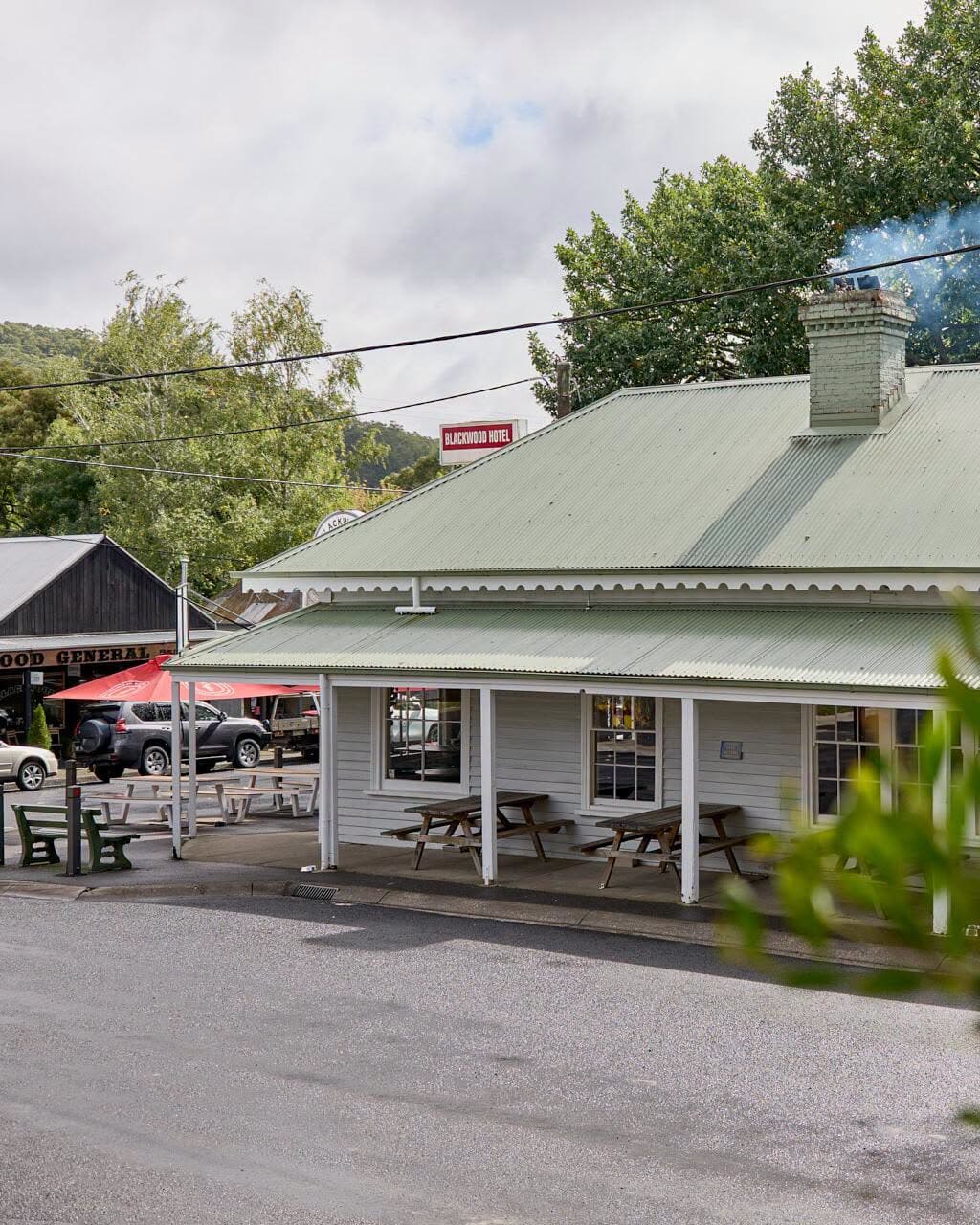
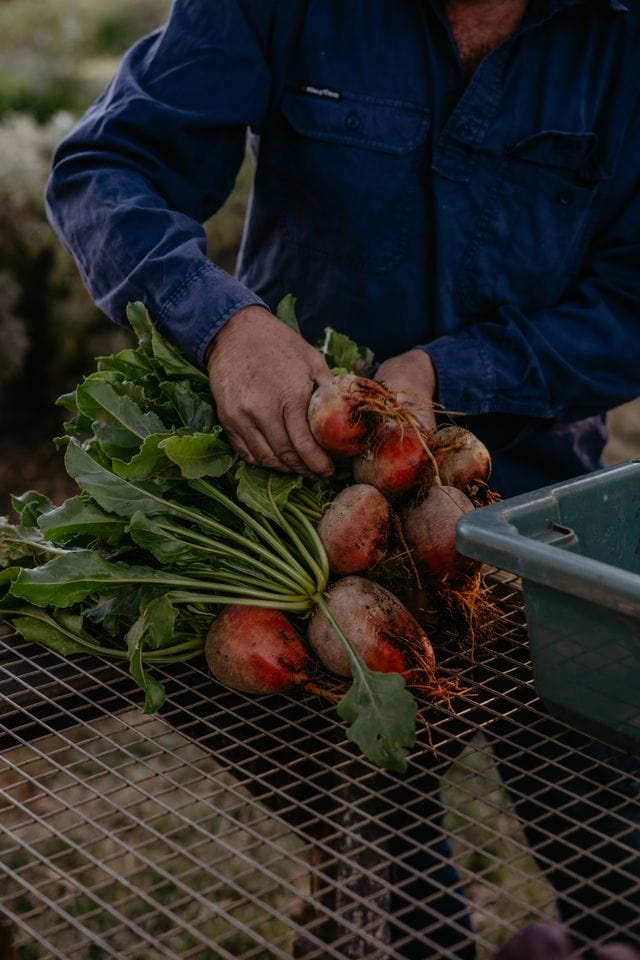
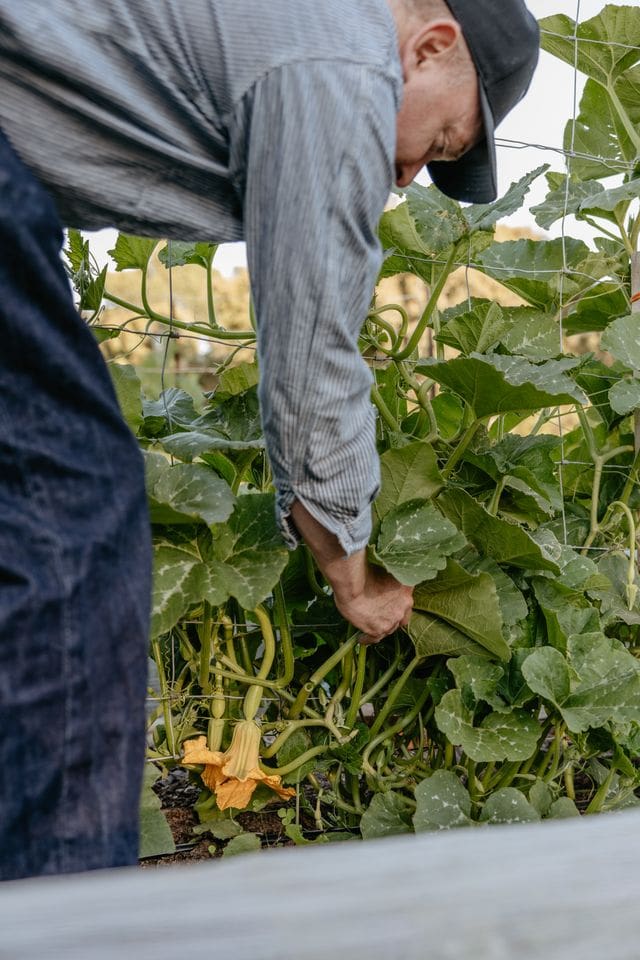
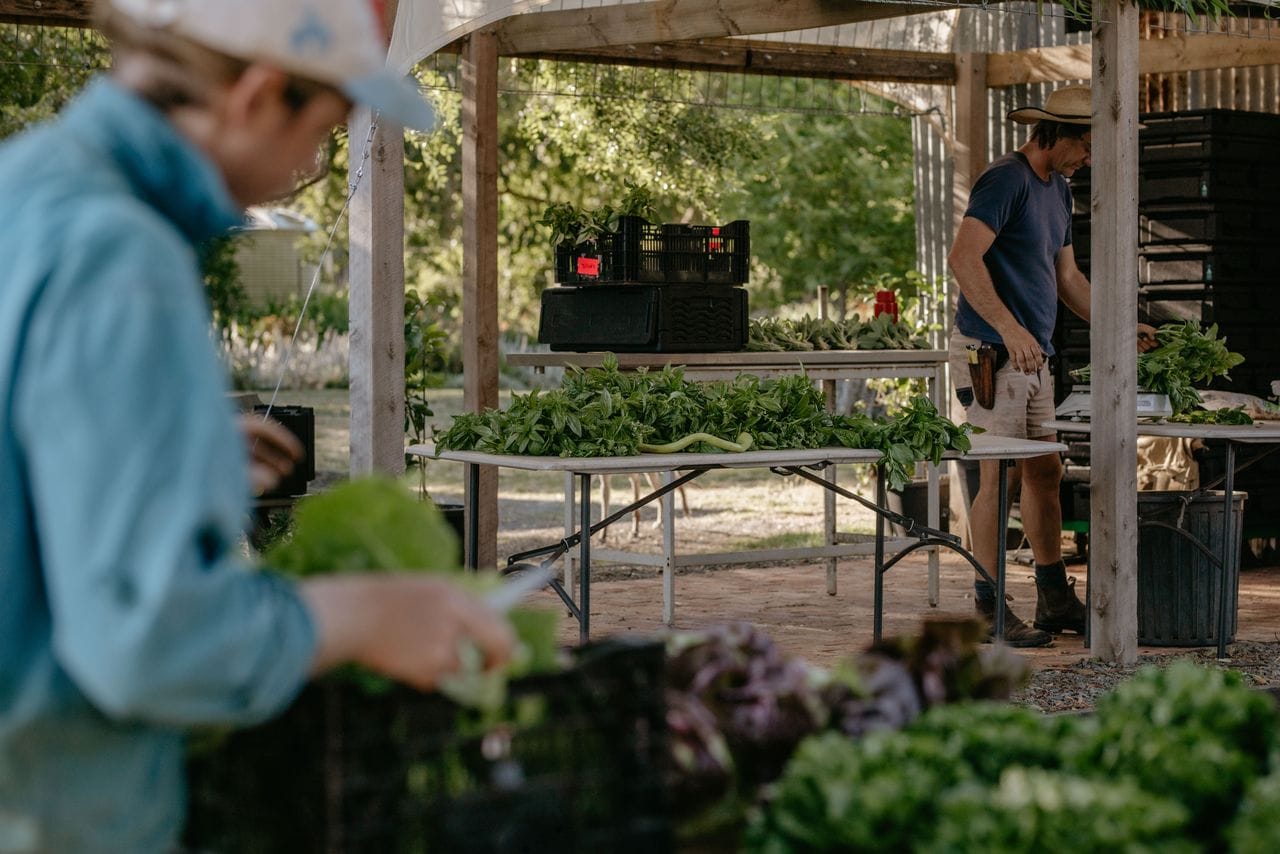
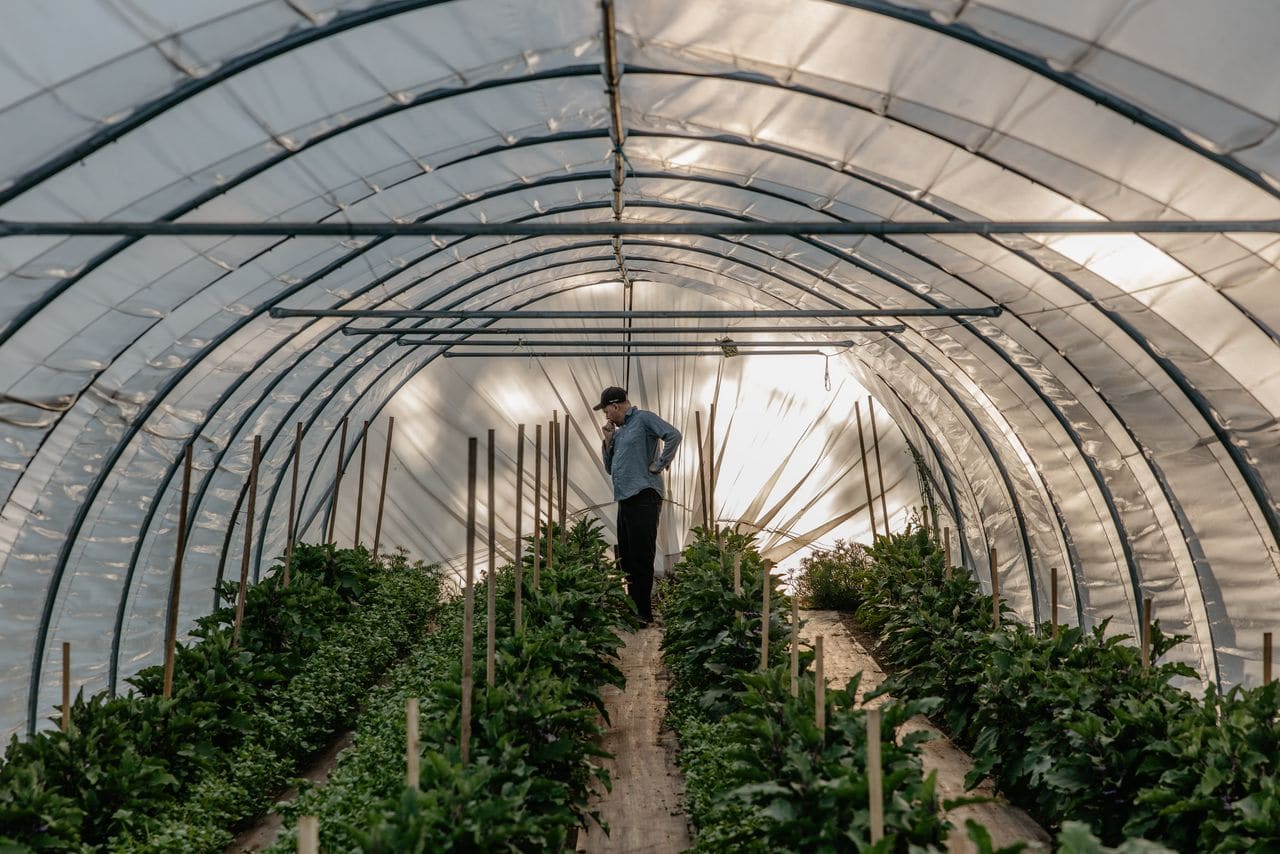
The former Hotel Victoria sits on the property like a relic with work still to do, surrounded by volcanic soil and rows planted with produce that rarely passes through ordinary commercial supply. There are bitter leaves, brassicas, herbs, flowers, fruit, pumpkins, sunchokes, radicchio and fiolaro broccoli; ingredients with edges, histories and short windows of perfection. From here, the harvest travels across the group, giving each menu a common origin without making them sound alike.
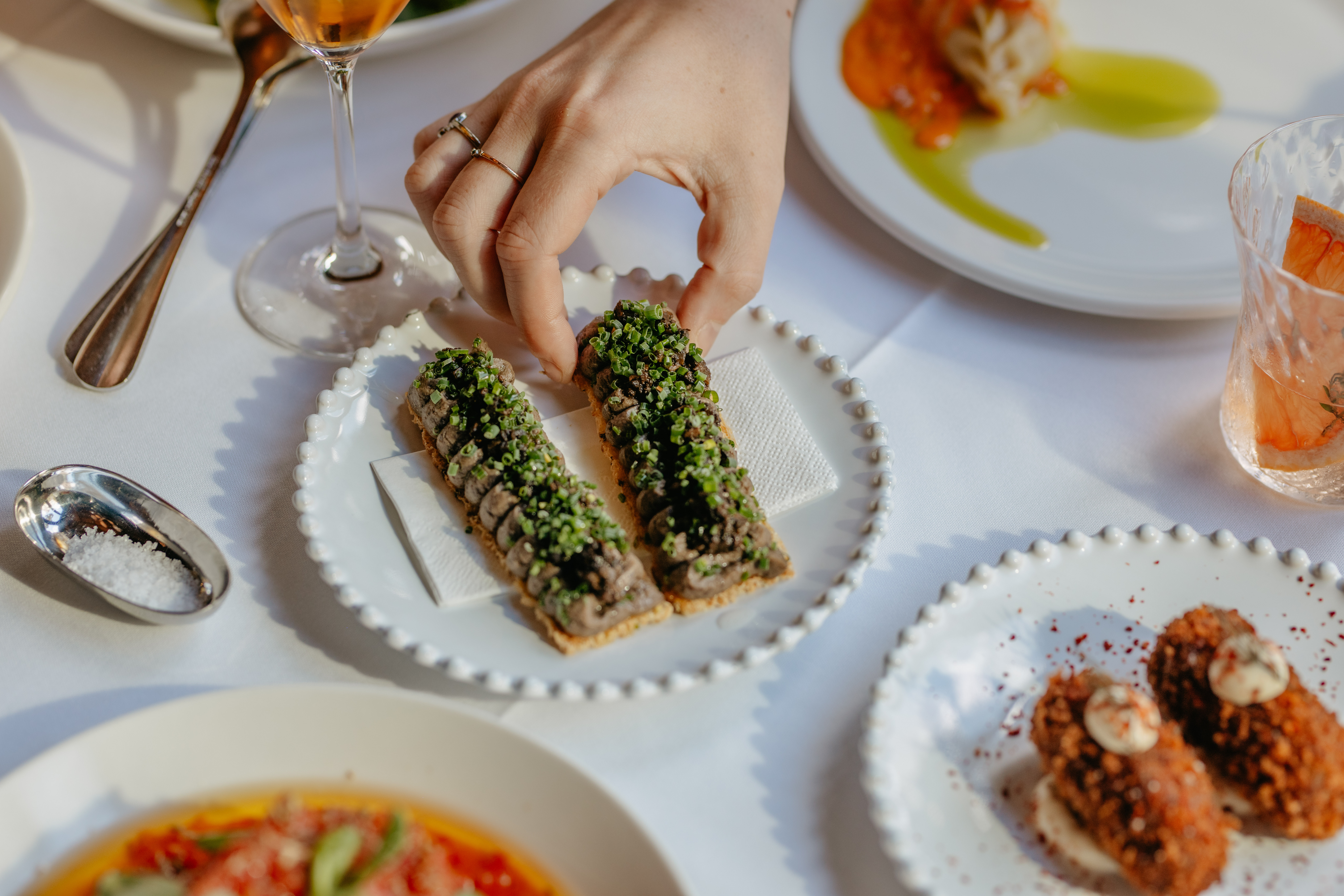
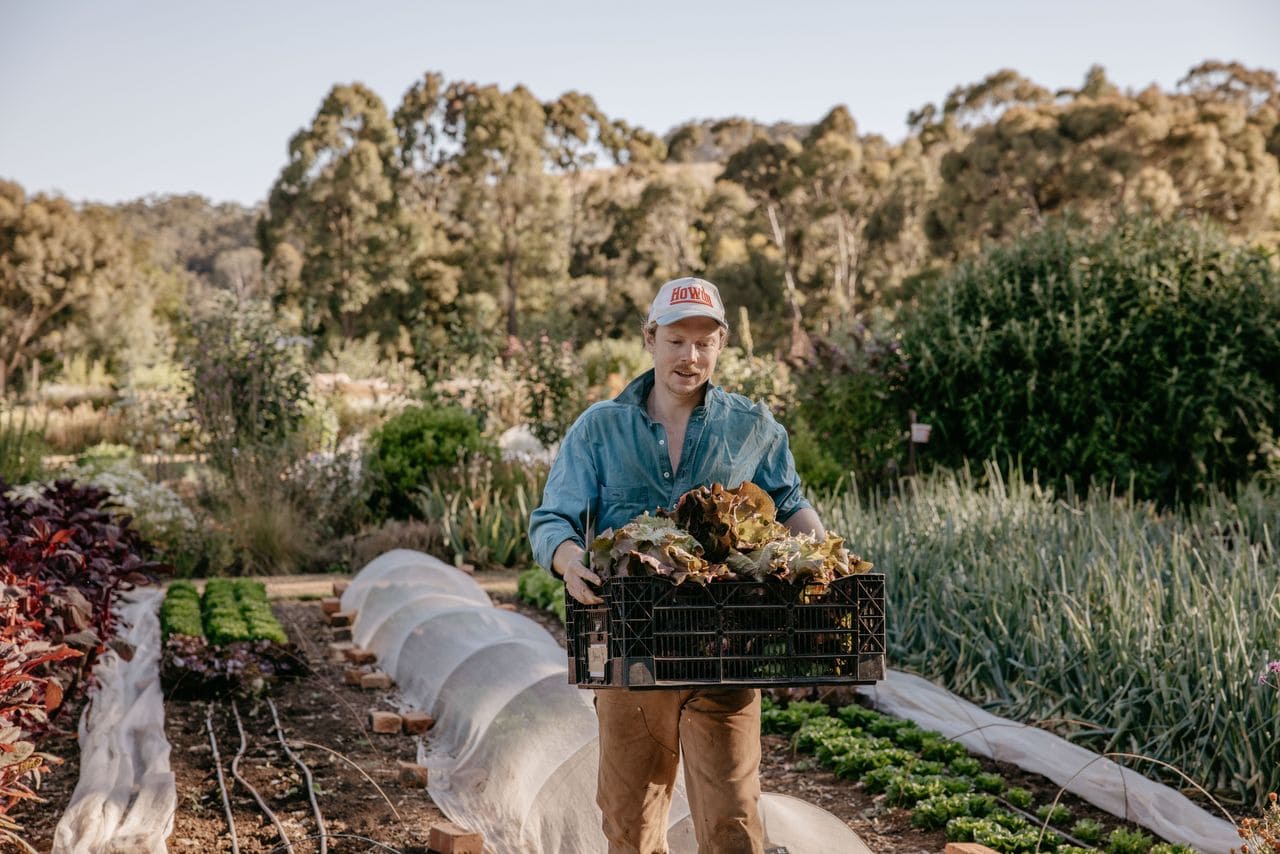
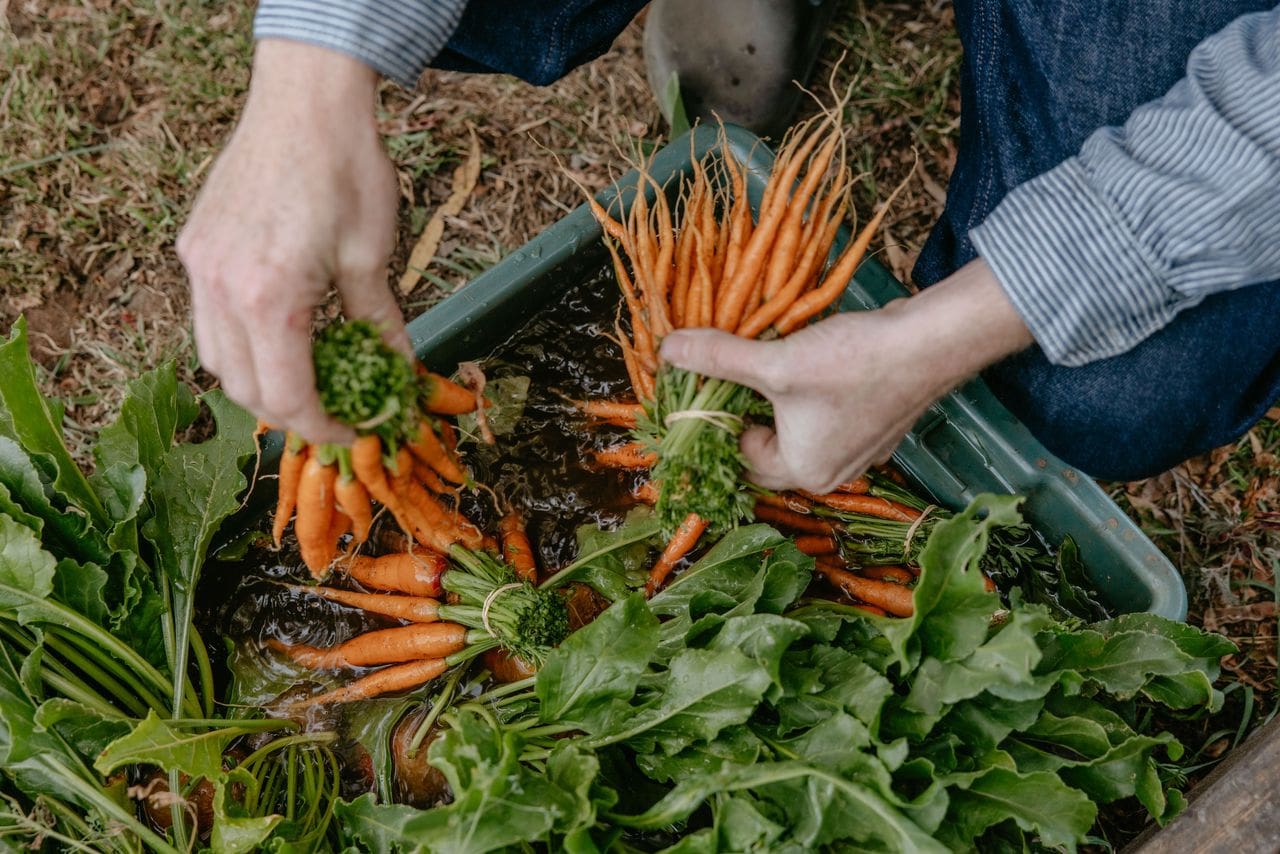
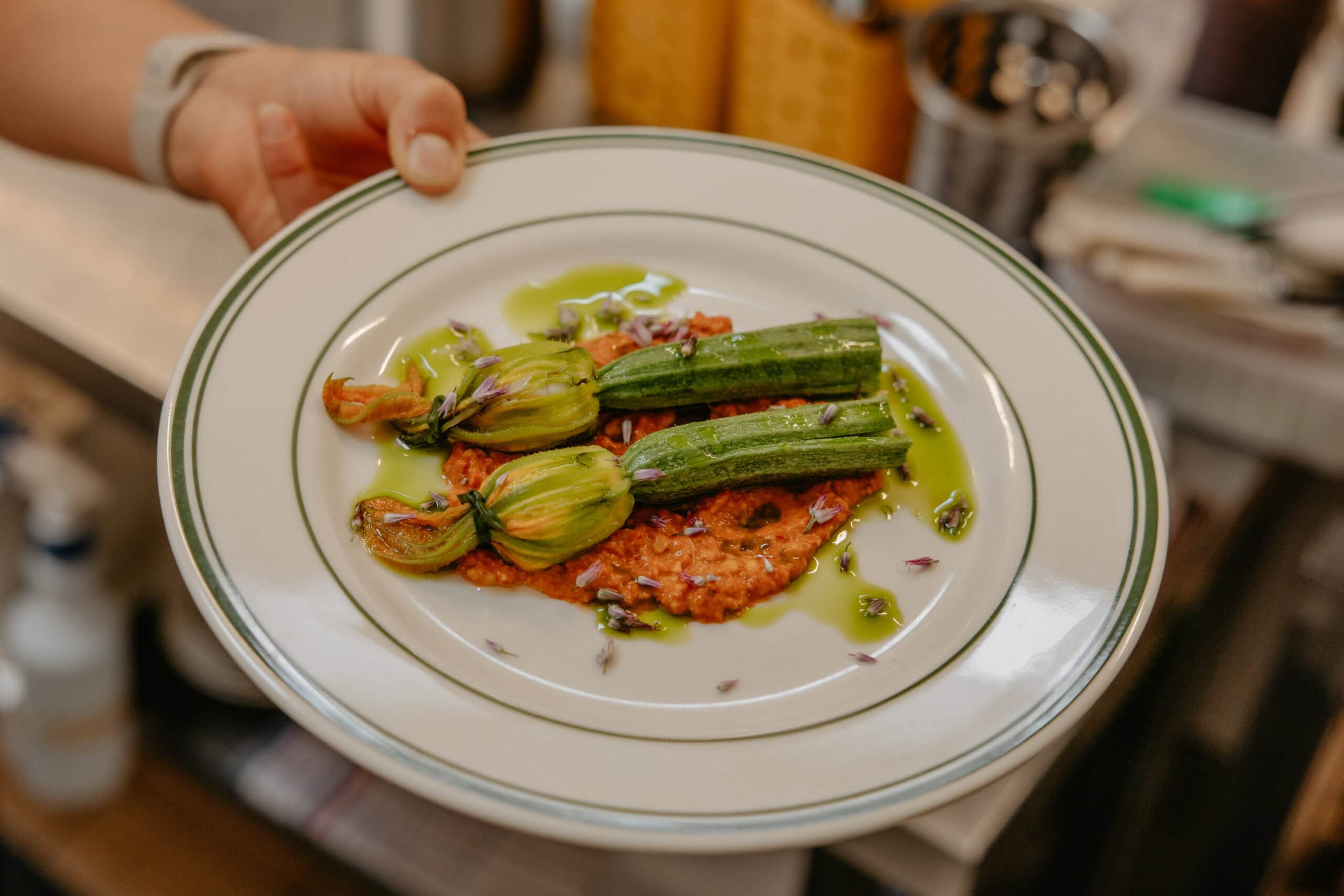
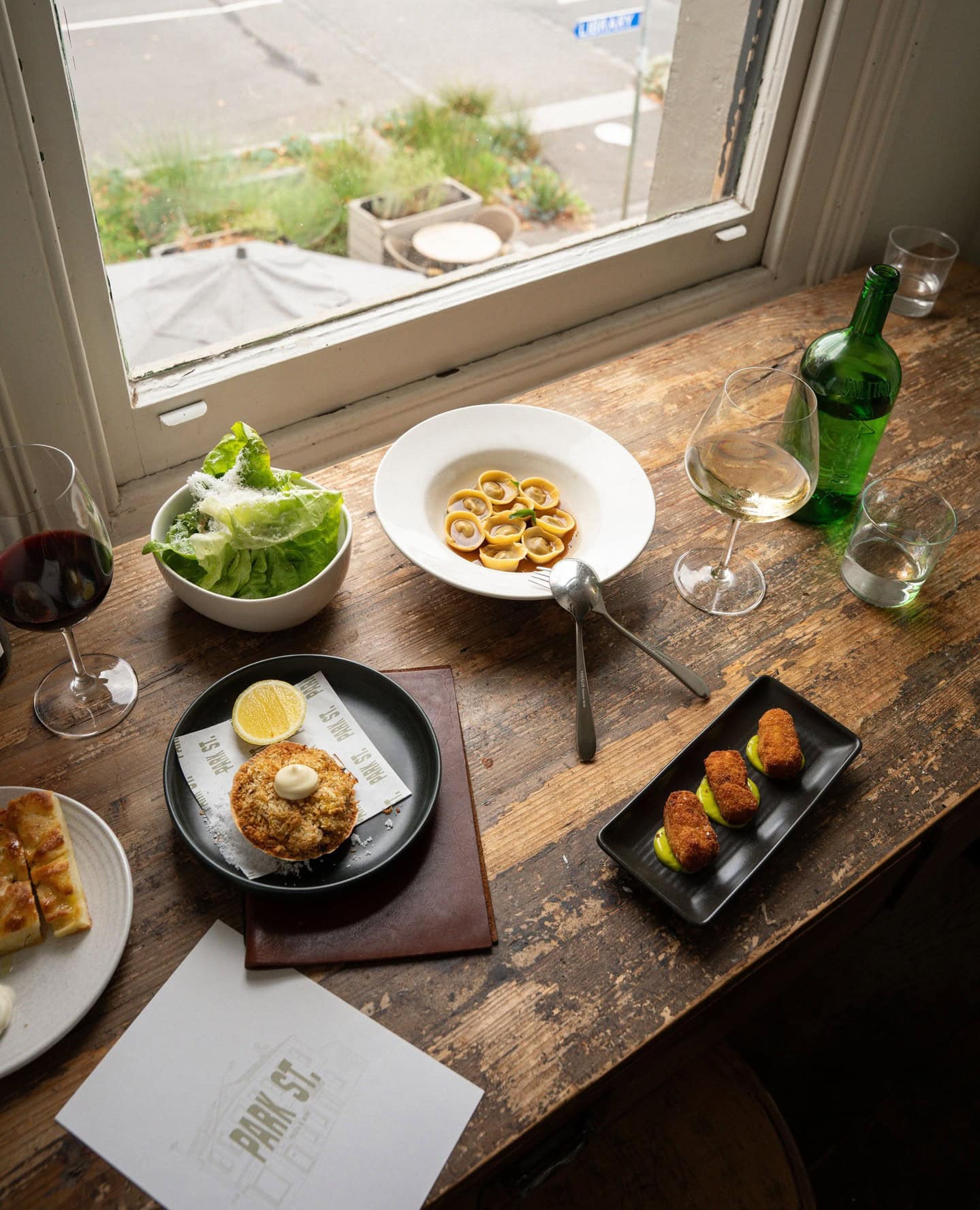
At Patsy’s, the link is most visible. The wine bar was built around vegetables from the beginning, with the Rocklyn harvest taking the lead rather than appearing as garnish with a nice backstory. Bistro Elba carries the garden to Sorrento in a breezier coastal register, while Bau Bau Dining in Mount Eliza works the same produce through a sharper Italian lens. The farm is not branding. It is the reason the restaurants can cook the way they do.
That distinction matters. “Farm-to-table” has been softened by overuse until it can mean almost anything. Beer Garden Produce gives the phrase its bones back. Land has to be tended, crops planned, weather endured, vans loaded, menus rewritten and chefs made answerable to what is ready, not what can be ordered by the box.
A diner may never see the Rocklyn rows, but they taste the discipline of them. A leaf on a plate at Bistro Elba is no longer just a leaf. A vegetable at Patsy’s carries the labour of having been chosen before it was fashionable, grown before it was useful, picked before service and driven into the city with its character intact. At Bau Bau, the farm gives the menu something rarer than decoration: consequence.
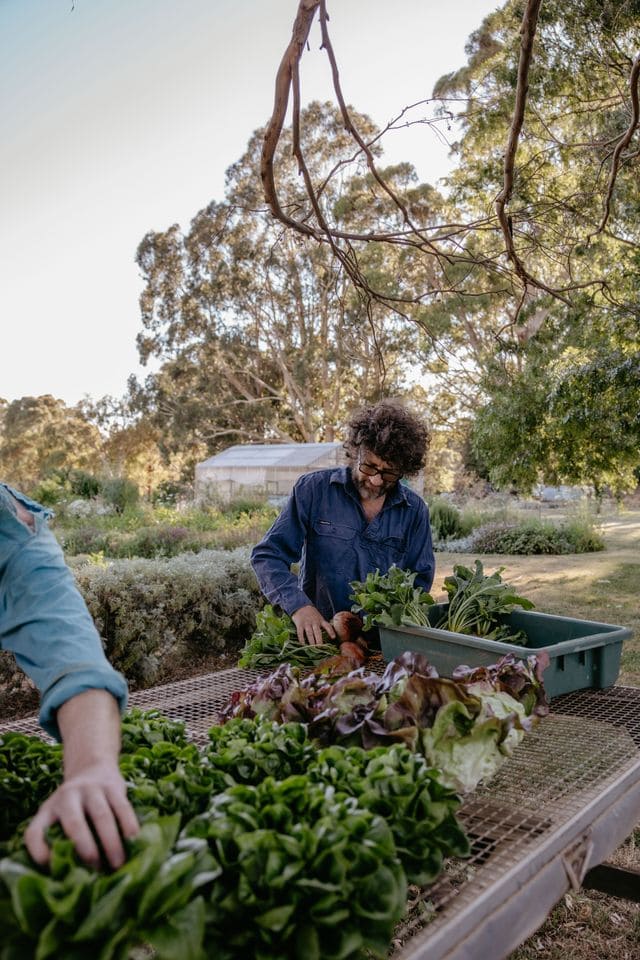
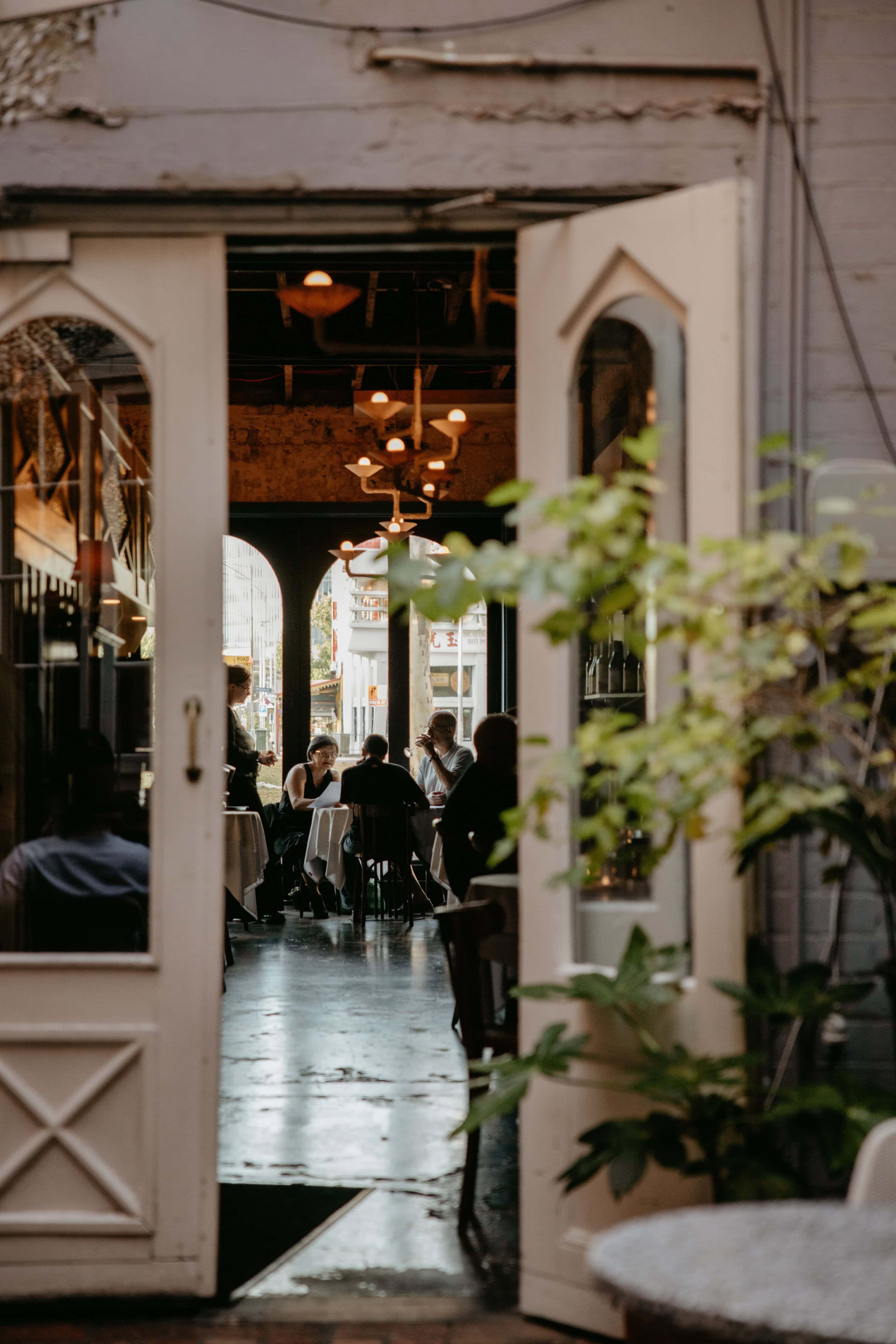
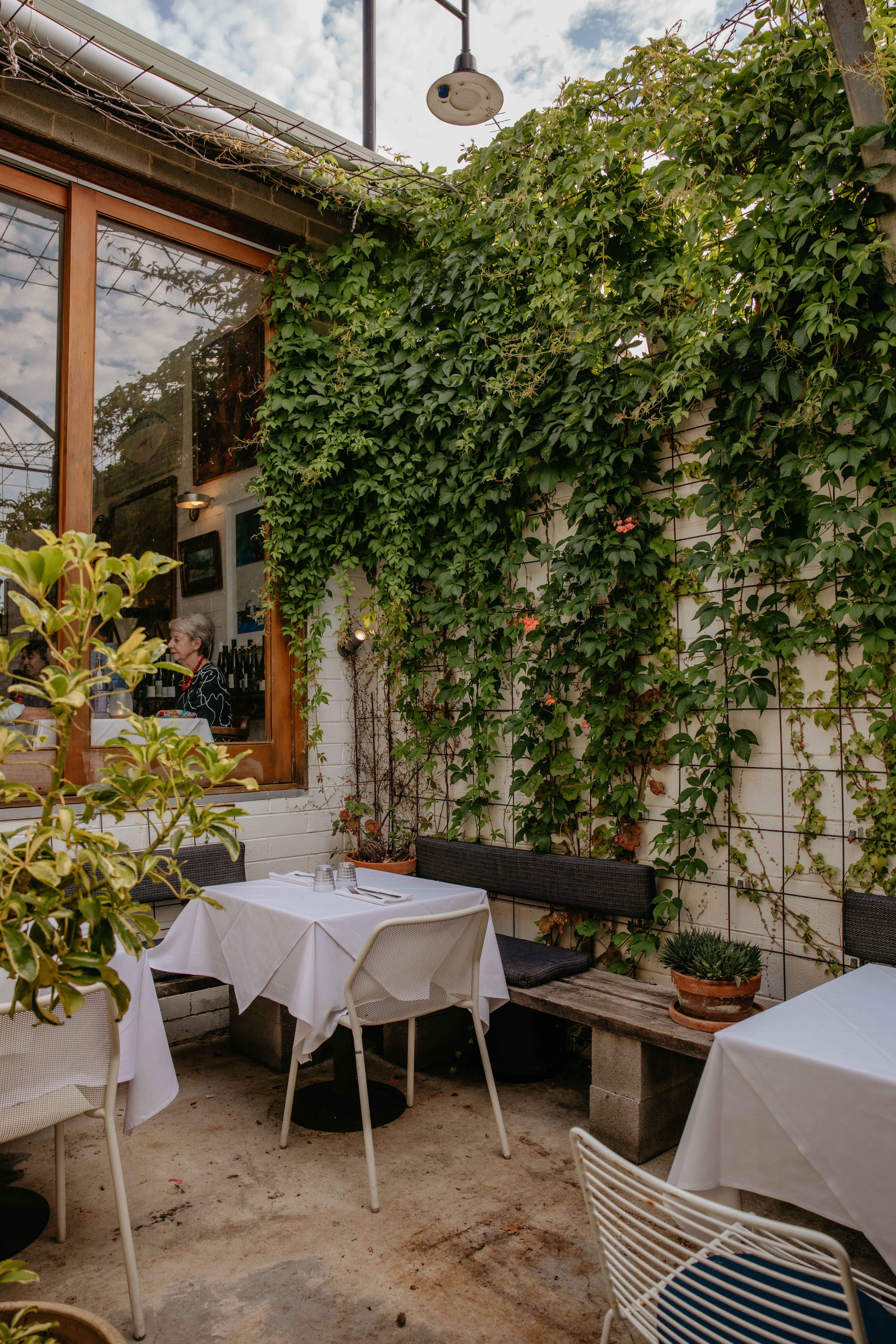
This is the part of hospitality that rarely makes the Instagram caption. The cost of a meal is not only the chef at the pass or the candlelit table. It is the land bought years before the booking, the soil restored, the crops that fail, the plants that thrive, the staff who harvest, the van that leaves Rocklyn, the kitchen that adjusts because the garden has made a decision overnight.
Seen from the farm, the distance between menu and origin collapses. What usually arrives in a restaurant as a component begins to recover its biography. You understand why a chef might change a dish because the garden has shifted, or why a restaurant with its own farm can taste different from one fluent only in the language of provenance.
That is where Beer Garden Produce becomes more than a private excursion for people who already love restaurants. For one rare afternoon in Rocklyn, the hidden work of hospitality was made visible and, crucially, pleasurable: wine poured in the restored pub, a walk through the rows, then lunch in the garden with each beautifully simple dish arriving close to where it began. The farm is not open to the public, but the experience revealed what diners can taste downstream at Patsy’s, Bistro Elba and Bau Bau Dining: a case for eating out that has nothing to do with excess, and everything to do with care for the land, the produce, the people growing it and the diners who eventually meet it at the table.
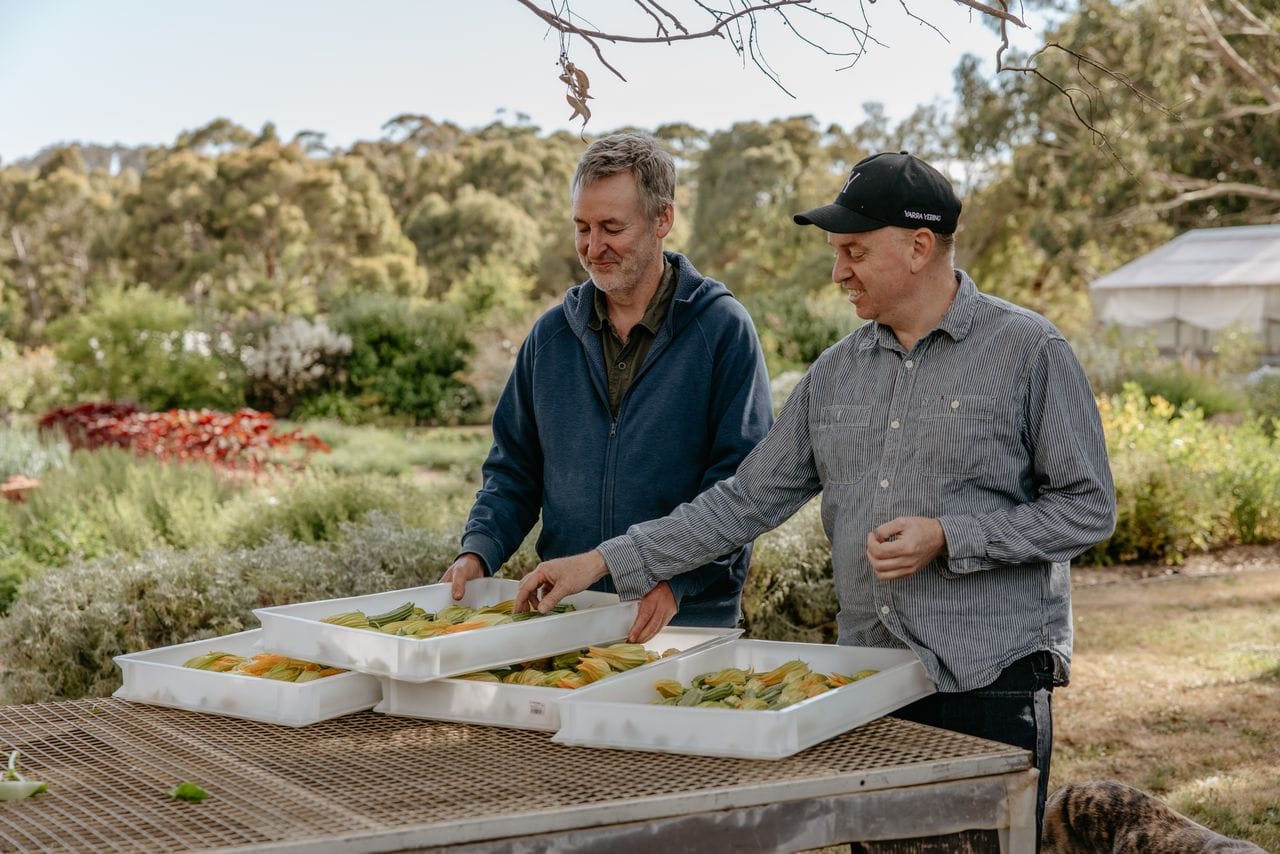
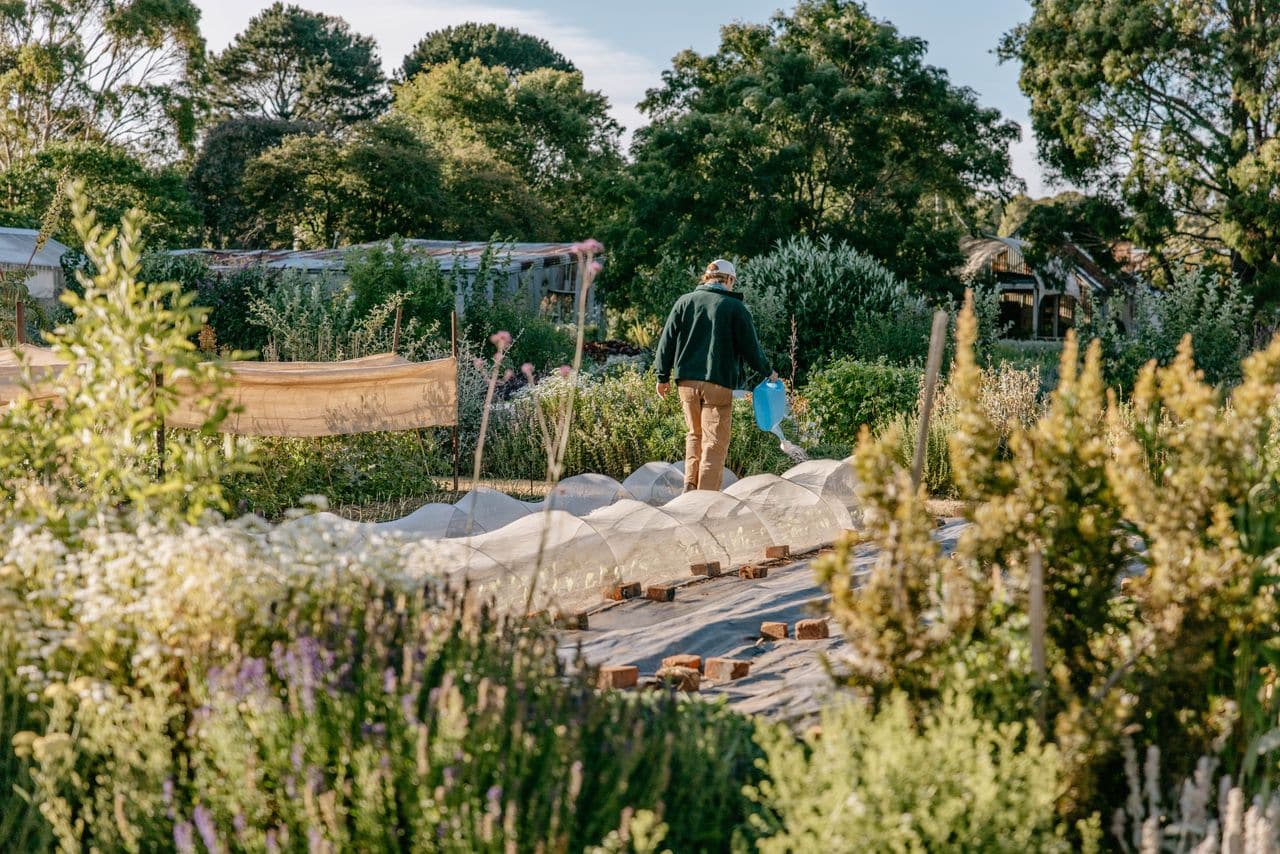
The lesson from Rocklyn is not that every restaurant needs a farm. Most could not, and many should not. The point is that the best hospitality has never been only about what arrives on the plate. It is about the decisions made long before service: what to grow, what to preserve, what to spend money on when the margins make no romance of it, what to keep difficult because difficulty can still taste better.
A visit to Rocklyn makes dinner visible: the rows, the weather, the van, the kitchen, the plate. Not every restaurant can build this. But when one does, the price of eating out begins to look less like indulgence and more like participation. Beer Garden Produce does not plead for diners’ support. It makes the argument in soil, labour and taste, reminding us that dining out, at its best, is one of the great civic pleasures: a way to taste a place, back the people shaping it and see just how much work goes into a beautiful meal.
Rocklyn remains the hidden root system, at least for now. The public expression is on the plate: at Patsy’s, where vegetables lead from a wine bar opposite Queen Victoria Market; at Bistro Elba, where the garden travels to Sorrento in a coastal bistro register; and at Bau Bau Dining, where the same harvest moves through Italian cooking in Mount Eliza. Find them at 213 Franklin Street, Melbourne; 100–102 Ocean Beach Road, Sorrento; and 1/18 Ranelagh Drive, Mount Eliza.