Subscribe


 Subscribe
Postcards from Malta: The Essential Island Guide
Golden cities, prehistoric chambers, native wines and a coastline that moves from sea caves to salt pans: this is how to plan a Malta escape that feels expansive, never rushed.

In partnership with Visit Malta, this is our field guide to the archipelago’s golden cities, prehistoric chambers, native wines and extraordinary coastline.
Few places let you begin the day with Caravaggio and end it swimming beneath limestone cliffs. In Malta, Valletta’s more Medieval streets, Marsaxlokk’s painted fishing boats, prehistoric temples, native vineyards and clear-water coves are gathered across three small islands, close enough to explore without turning the journey into a race.
Travellers drawn to Sicily, Puglia, the Greek Islands or Barcelona will recognise the sea air, long lunches and evenings that stretch well past sunset. Malta’s story, however, belongs to no other place. Phoenician roots, Arab place names, the Knights of St John and traces of British rule sit alongside temples older than the pyramids, shaping a country that feels familiar and entirely singular at once.
Give Malta a week and it reveals far more than its size suggests: fortified cities, fishing-village lunches, days on the water and two unhurried nights on Gozo. Compelling well beyond summer, the archipelago can carry a complete European holiday or become the chapter that changes the course of a longer Mediterranean journey. This guide brings together the places, meals and experiences worth crossing the islands for.
Planning Your Malta Escape
A stay of seven to ten days allows time for Malta’s major cultural sites, a flexible boat day, meals free from the clock and at least two nights on Gozo. With four to seven days, concentrate on Valletta, the Three Cities, Mdina and a considered mix of archaeology, food and coastline.
Spend the first three nights around the Grand Harbour, using Valletta or Senglea as your base. Continue through the historic south, including Marsaxlokk, then travel inland to Mdina and north towards the coast before crossing to Gozo for the final stretch.
Spring and autumn bring warm days for swimming, boating, coastal walks and outdoor dining. In winter, the emphasis shifts towards fortified cities, galleries, archaeological sites and countryside turned green.
Book Ahead: Reserve the Ħal Saflieni Hypogeum as soon as your travel dates are confirmed. Visitor numbers are tightly controlled, and places can disappear well in advance.
Begin Around the Grand Harbour
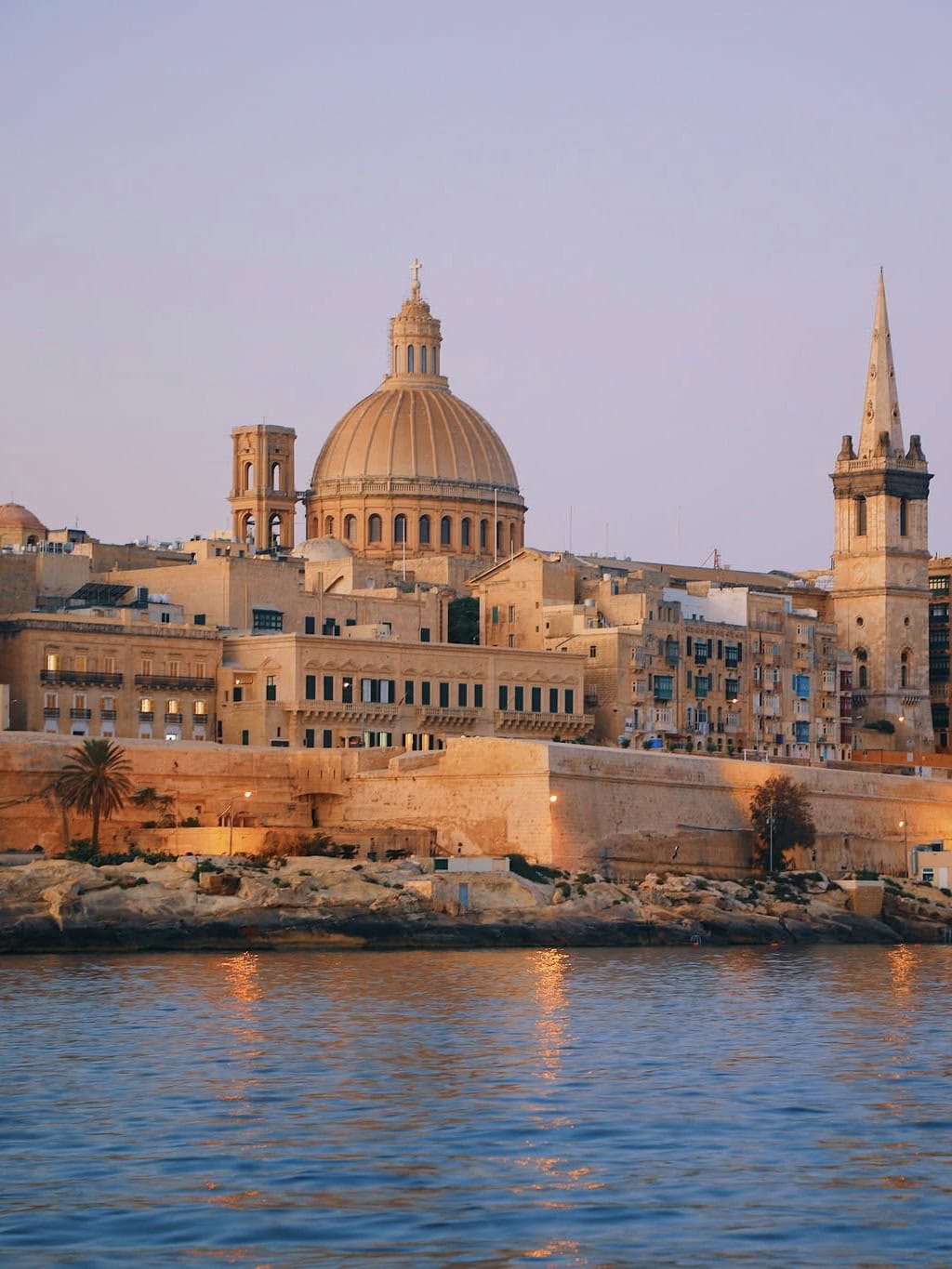
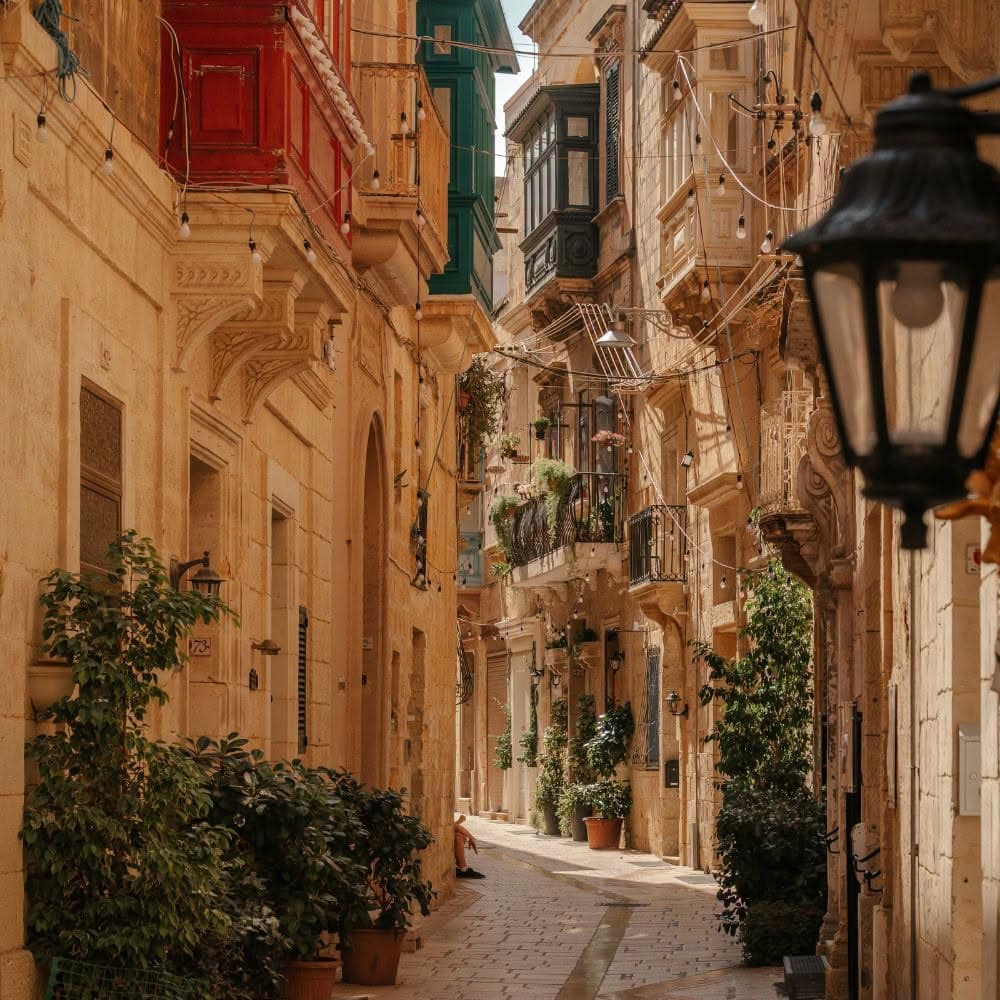
Valletta brings Malta into focus. Enter through Renzo Piano’s City Gate and follow Republic Street towards the harbour, turning into side lanes whenever a staircase, painted balcony or flash of water draws you away.
Honey-coloured façades rise above steep streets, with carved door knockers, enclosed timber balconies and restaurant tables climbing the stone steps. At Upper Barrakka Gardens, the Grand Harbour opens below, encircled by fortifications and the rooftops of Birgu, Senglea and Cospicua.
St John’s Co-Cathedral keeps its splendour from the street. Inside, marble tombs cover the floor, gold climbs the walls, and Caravaggio’s St Jerome Writing and The Beheading of St John the Baptist emerge from the shadowed oratory.
From Upper Barrakka Gardens, the Grand Harbour opens below, while cafes, galleries and dinner tables keep Valletta’s steep streets fully lived in.
“We spent our first evening in Valletta on the steps of St Lucia’s Street, watching the limestone turn from gold to pink and deep amber beneath the string lights. Pizza and wine at San Paolo Naufrago were then followed by spritzes at Piadina as colourful flags fluttered overhead and music drifted through the street. It remains one of my favourite memories of Malta.”
Lucy Cocoran, Sydney Editor
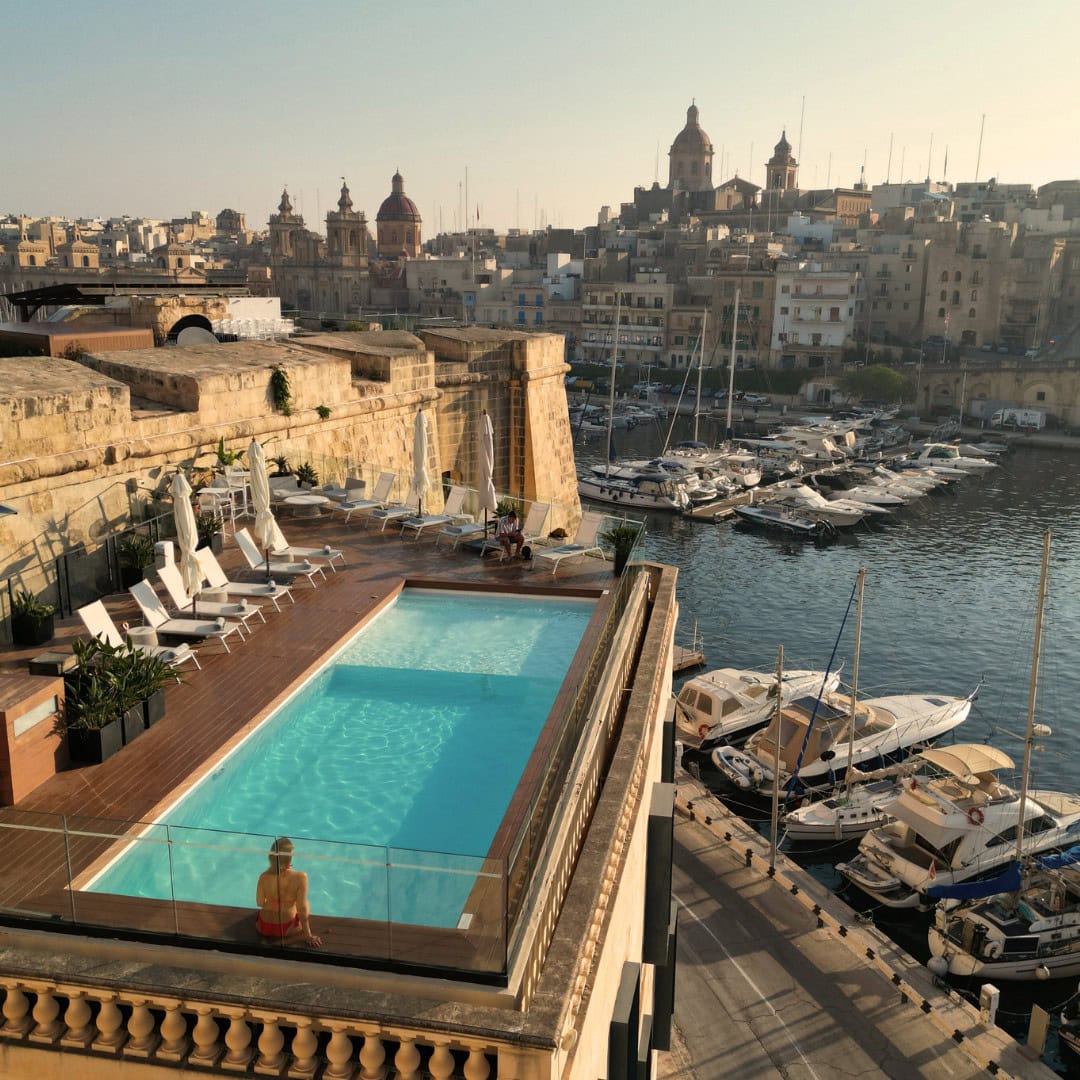
Across the harbour, Birgu, Senglea and Cospicua form the fortified Three Cities. Cross by ferry or traditional dgħajsa to explore their marinas, bakeries, churches and residential lanes enclosed by immense stone walls.
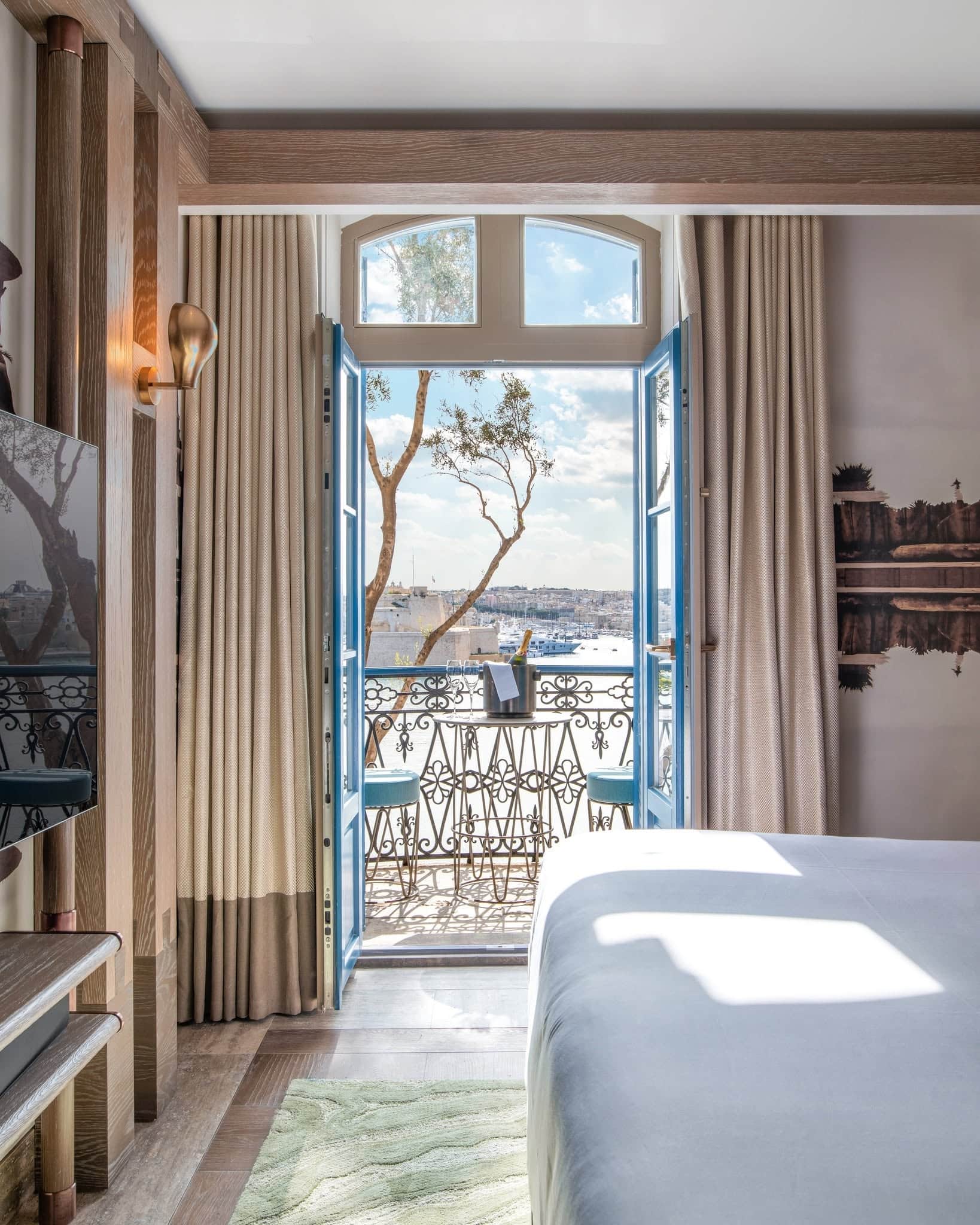
Stay Here: Base yourself on either side of the Grand Harbour. Choose Iniala Harbour House for art-filled luxury and sweeping harbour views from Valletta, or Cugó Gran Macina for contemporary rooms within Senglea’s centuries-old fortifications.
Travel Further Back Than Rome
Malta’s history does not begin with the Knights of St John, palaces or fortified cities. Thousands of years earlier, communities were carving chambers beneath the ground and arranging immense stone blocks beside the sea.
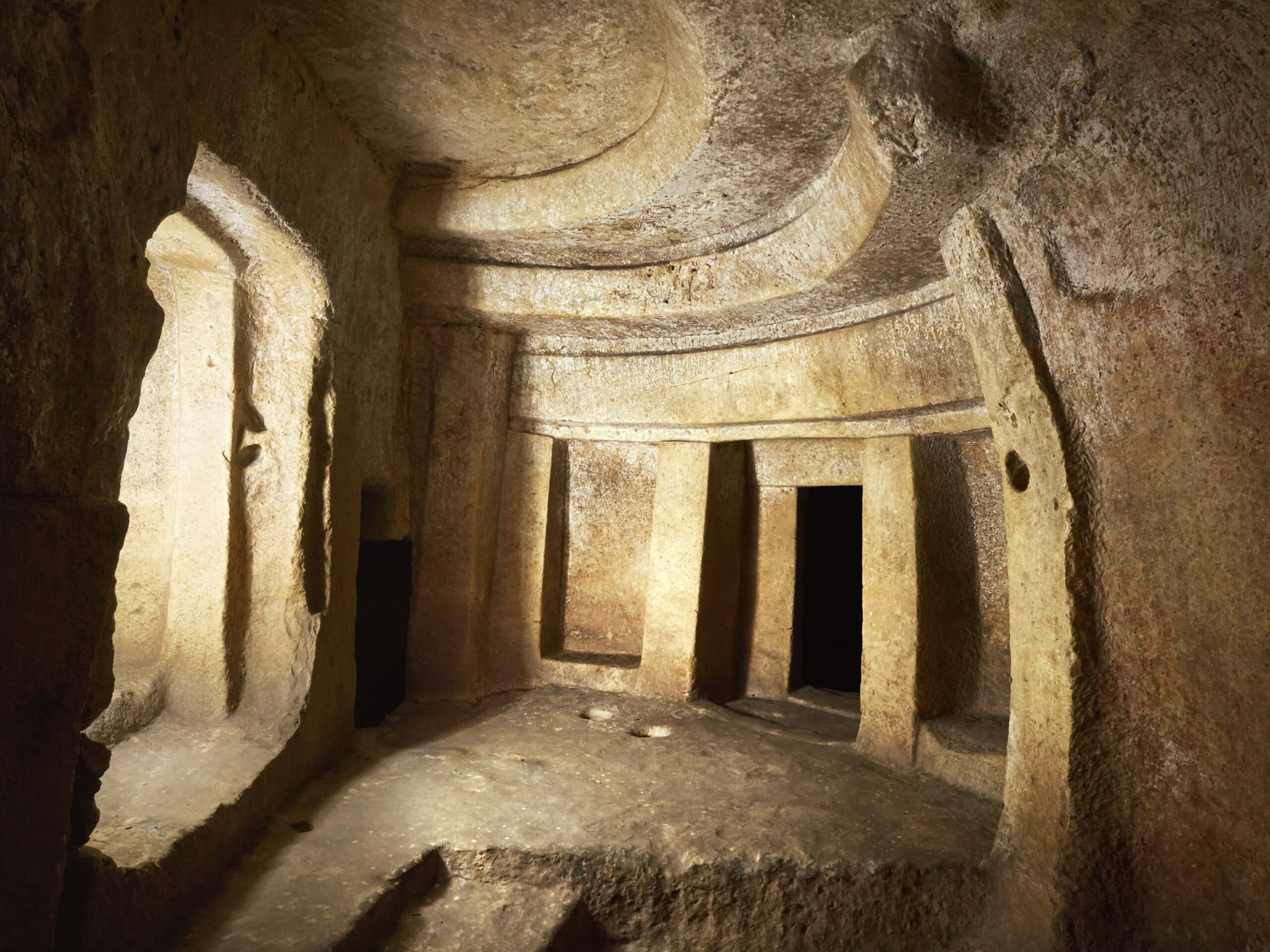
In Paola, the Ħal Saflieni Hypogeum descends through a prehistoric complex cut directly into rock. The temperature drops as you move underground, voices change in the enclosed chambers and architectural forms resembling Malta’s above-ground temples emerge from the darkness.
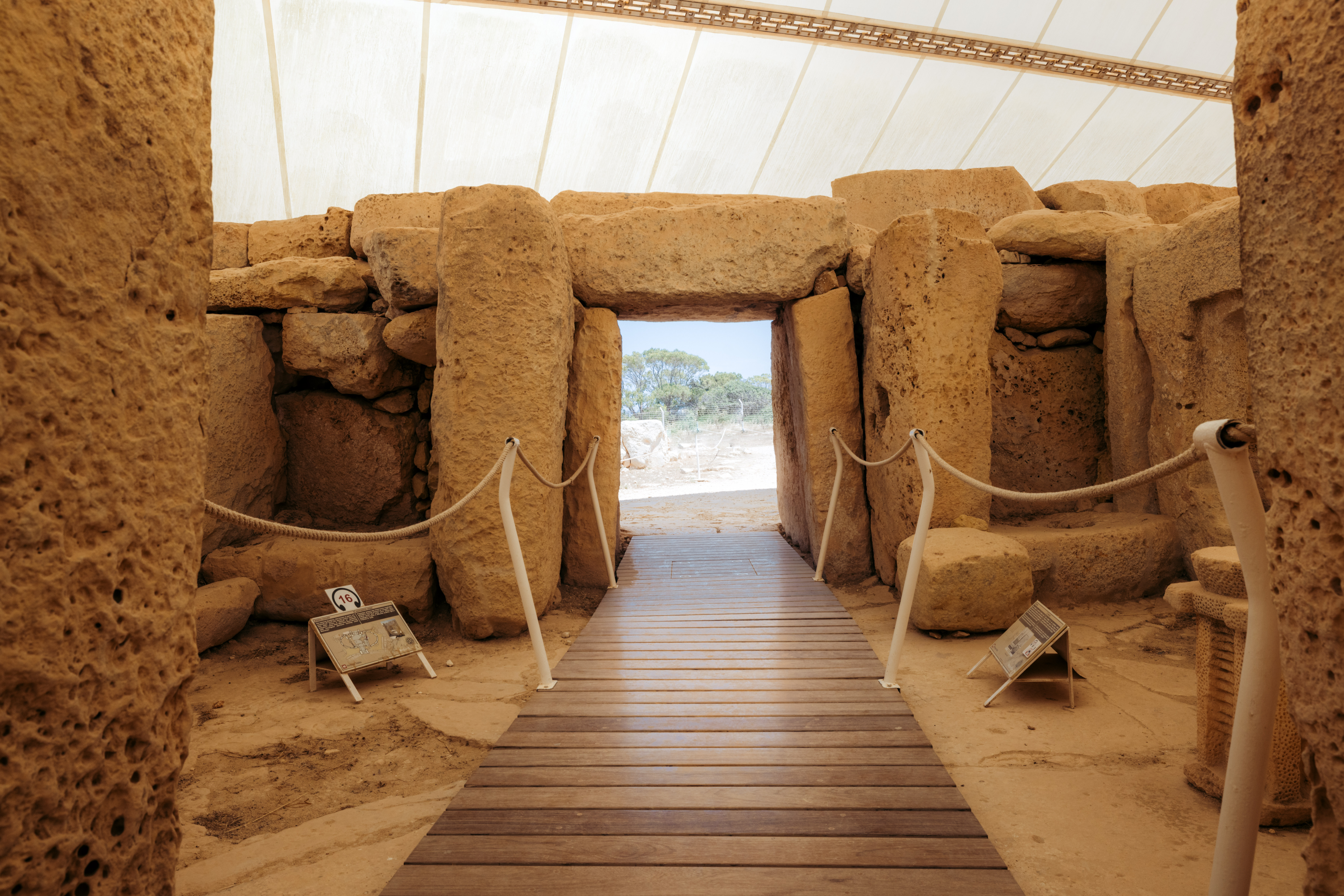
Continue to the south-western coast for Ħaġar Qim and Mnajdra. Their curved chambers, carved altars and enormous blocks belong to one of the world’s oldest collections of free-standing monuments. Set above the open sea and low garrigue, the temples suggest an ancient Malta ordered around light, season and ritual.
Sitchu Tip: Heritage Malta periodically opens selected sites for curator-led tours, torchlit visits and after-hours events, creating a more intimate encounter with the islands’ past. A private guide can deepen it further, tracing Malta’s Phoenician, Arab, Knights of St John and British layers.
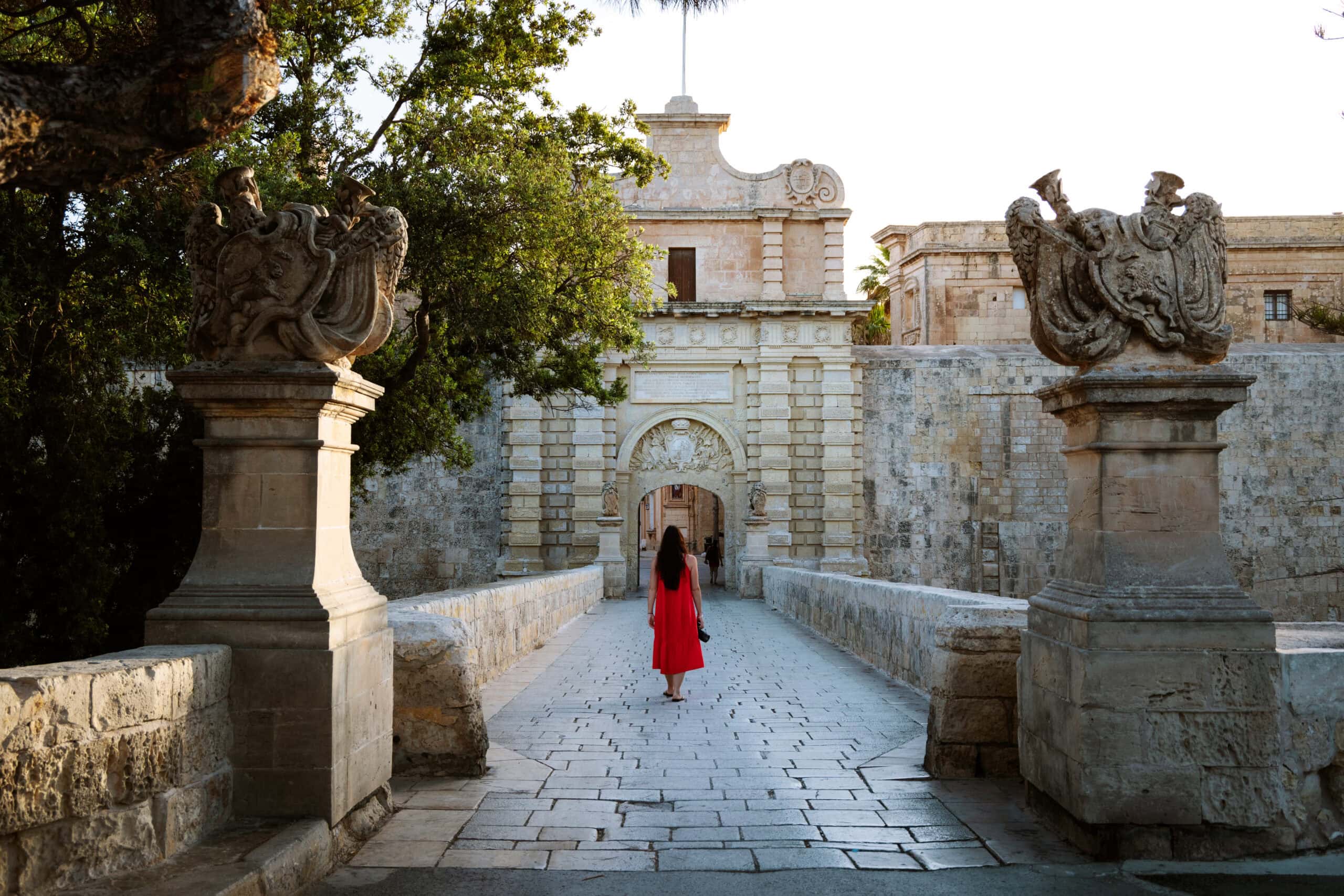
Later, travel inland to Mdina. Malta’s former capital is best approached in the evening, when day visitors begin leaving, lamps appear above the doorways and church bells travel across the rooftops.
Though its gates have appeared on screen in Game of Thrones, Mdina needs little embellishment. From the bastions, fields and domes stretch towards the coast, while its lanes grow still enough to earn its enduring name: Silent City.
Sitchu Tip: Give the Hypogeum, temples and Mdina room to breathe rather than attempting all three in a single day. Before entering the city, stop at Crystal Palace, better known as Is-Serkin, for ricotta and curried-pea pastizzi with tea served in a glass or an ice-cold Kinnie.

Follow Malta’s History to the Table
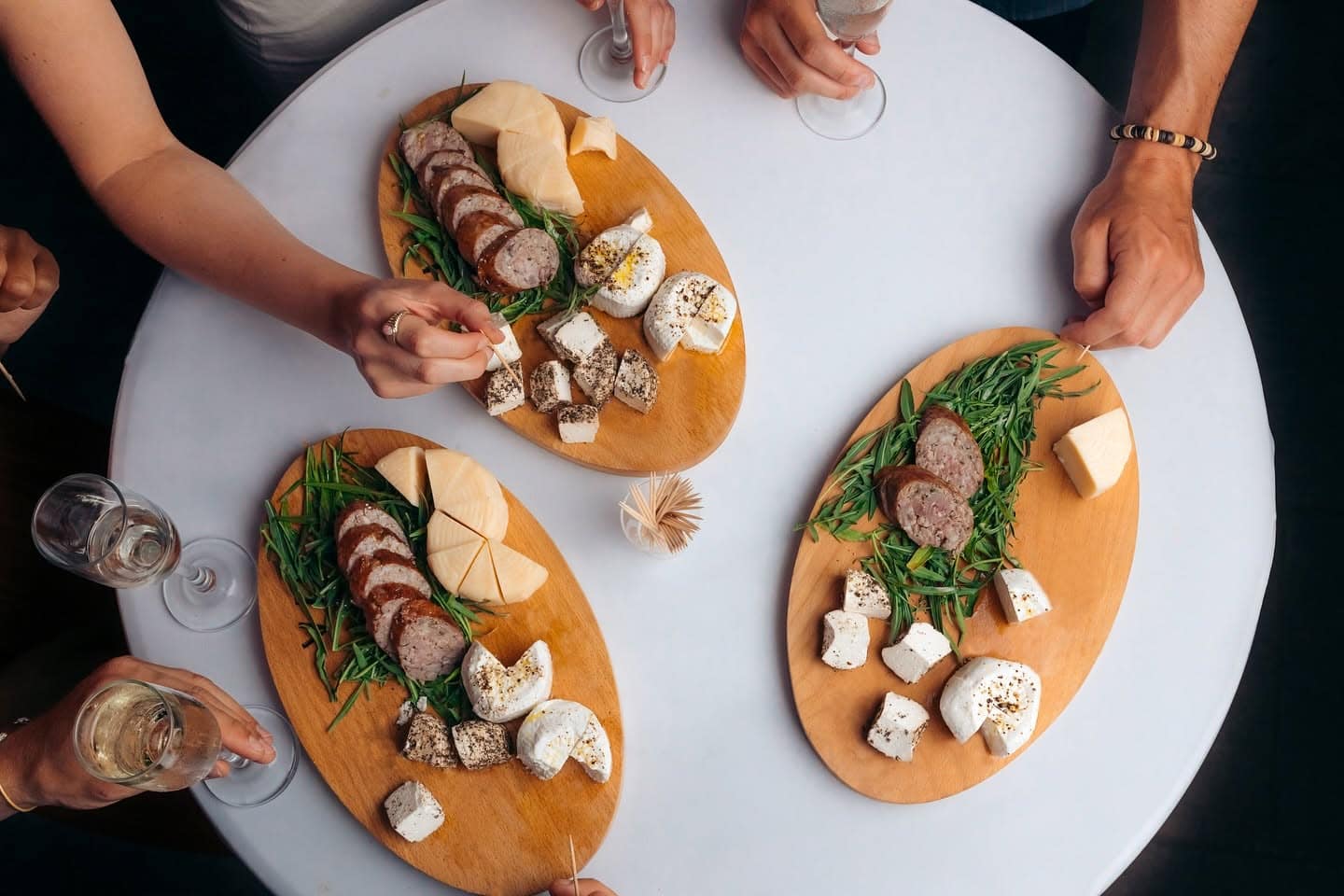
The cultures that passed through Malta remain in its kitchens. Maltese cooking draws on bread, tomatoes, capers, olive oil, rabbit, dates, fish and sheep’s cheese, and carries Sicilian, North African and British influences.
Bigilla arrives with crisp galletti, olives and rounds of ġbejna. Ħobż biż-żejt layers Maltese bread with tomato, tuna, capers and olive oil, while slow-cooked rabbit sits at the centre of the communal fenkata.
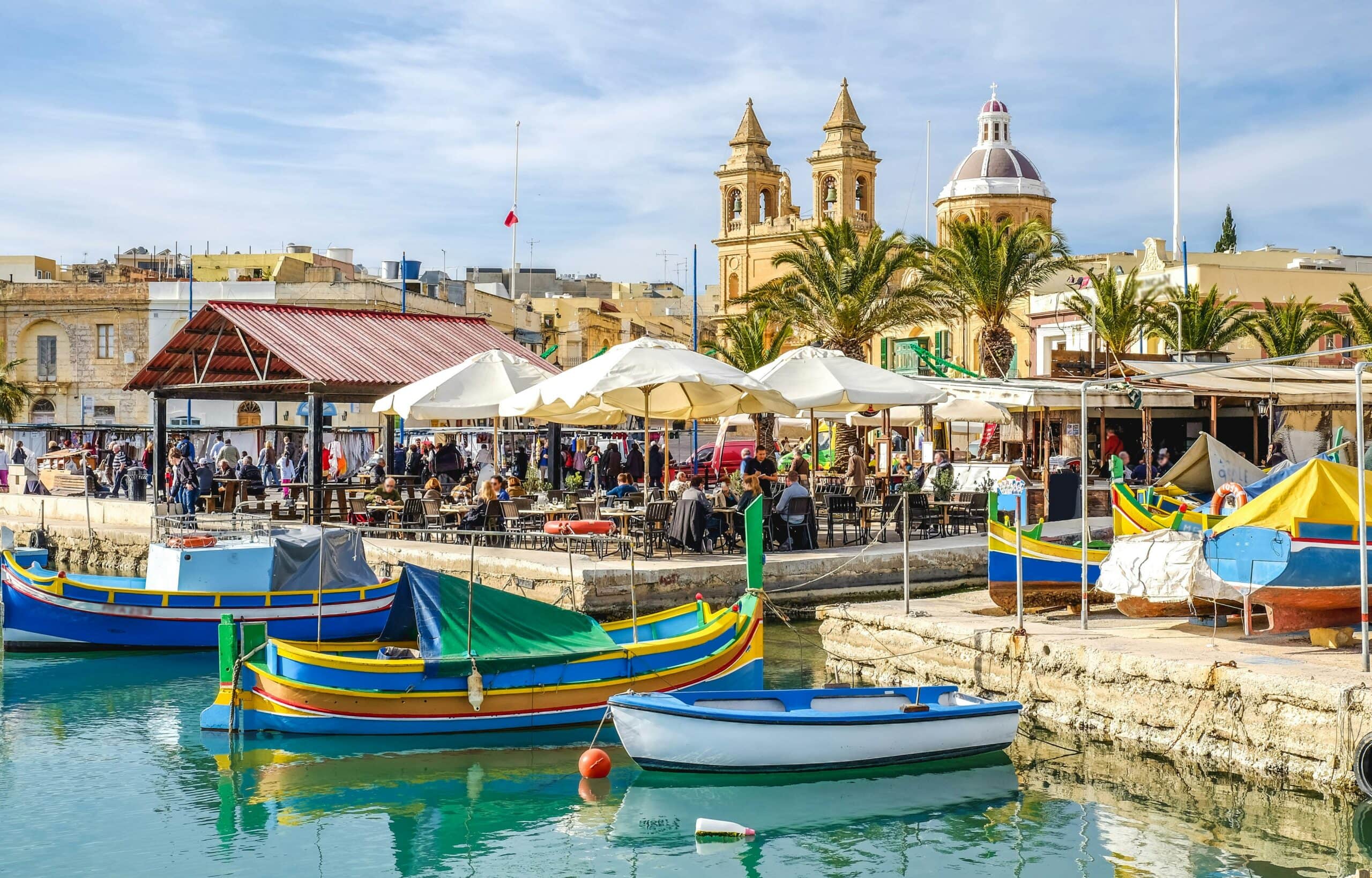
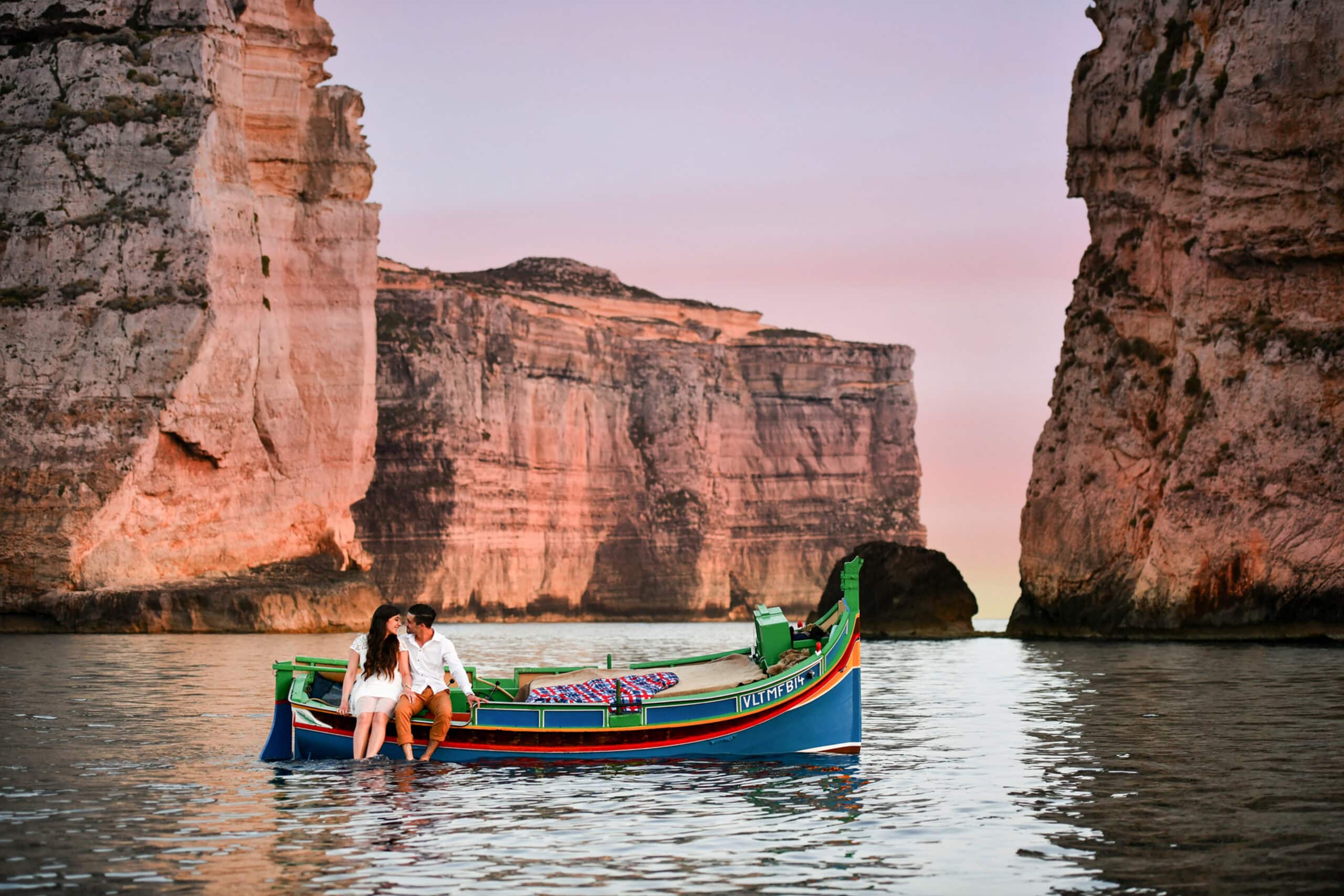
In Marsaxlokk, painted luzzu boats move across the harbour as stalls fill with the day’s catch. Stay for grilled fish, octopus or aljotta, a Maltese fish broth served with bread.
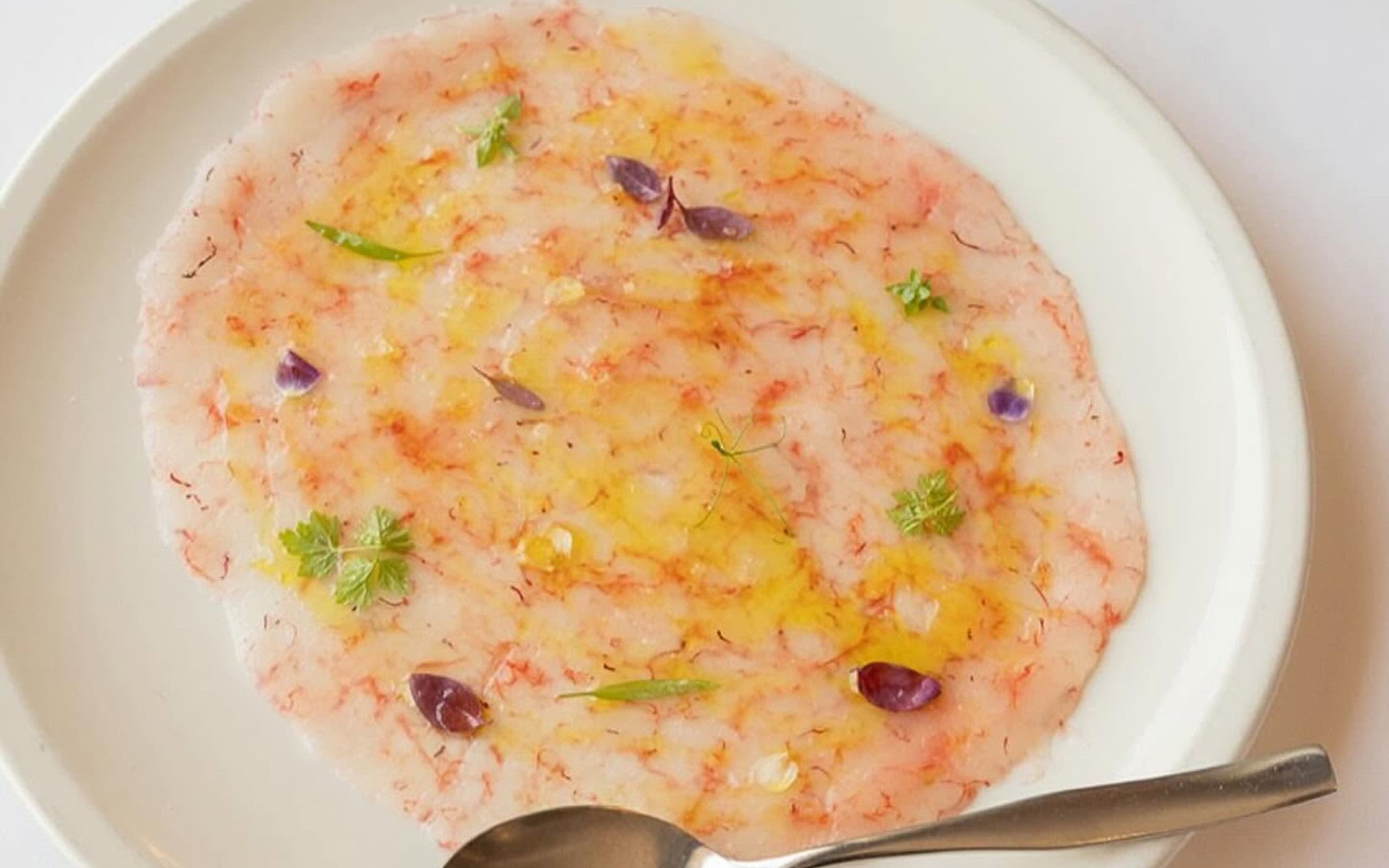
Taste This: At Tartarun, order the prawn carpaccio, then choose a whole local fish for tableside filleting.
Farm visits and tastings trace Malta’s flavours back to the land. Native Girgentina and Ġellewża grapes grow in limestone-rich soil, while prickly pear, carob and citrus shape local liqueurs. Taste the island’s wines in Marsovin’s historic cellars, then book an appointment-only flight at Ta’ Betta Wine Estates overlooking the terraced vines of Girgenti. Back in Valletta, Why Not? pours natural wines and Maltese bottles by the glass.
Sitchu Tip: When you spot imqaret at a bakery or street stall, order them warm. The crisp pastry encloses dates, citrus and spice, and is best eaten straight from the paper.
For a final flourish, reserve ION Harbour by Simon Rogan, whose two-Michelin-star menu draws on island-grown produce above the Grand Harbour.
Let the Coastline Set the Pace
Malta’s coast moves between broad sandy bays, bare limestone coves, sea caves and cliffs, with water ranging from pale turquoise to fathomless blue.
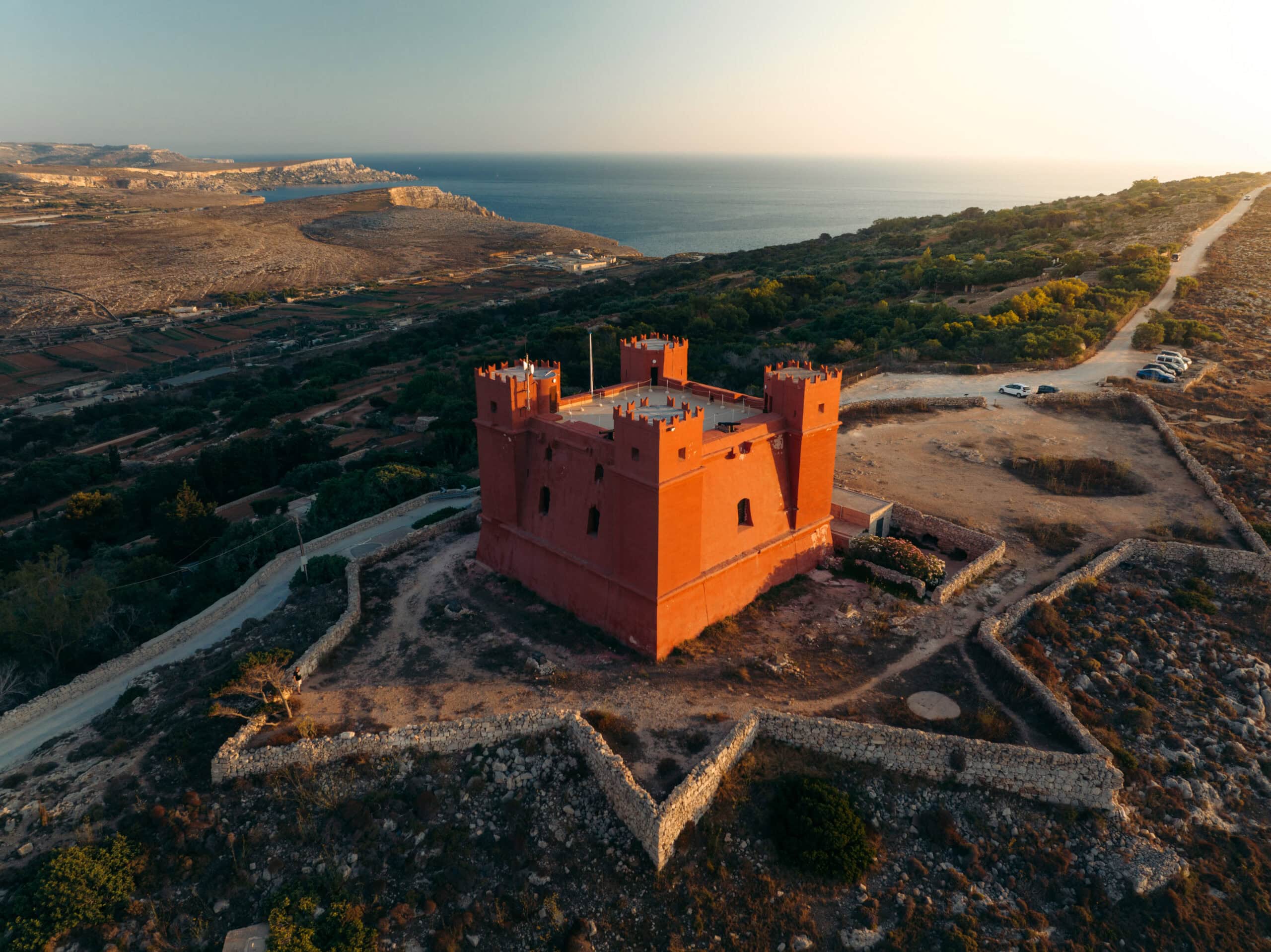
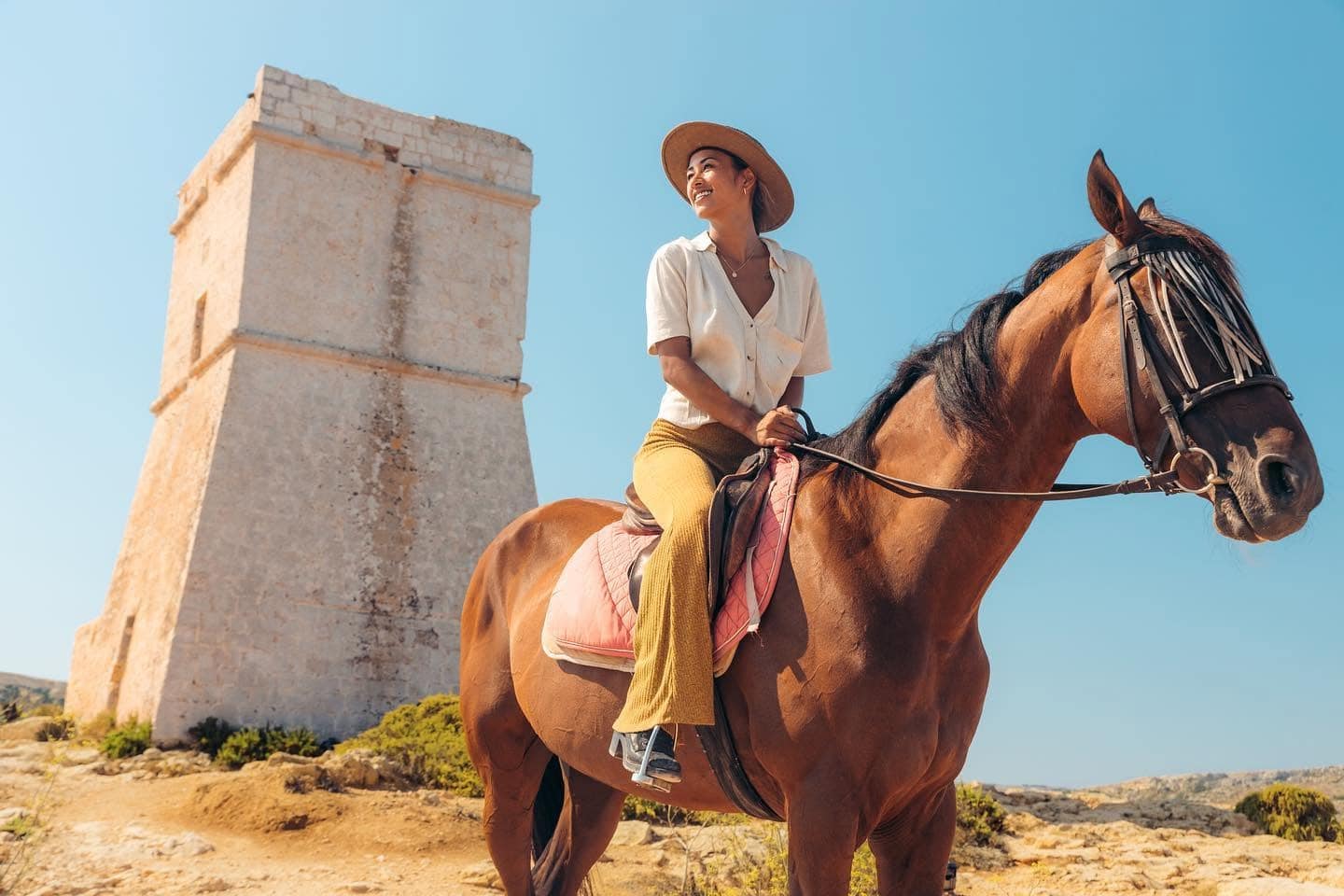
Above Mellieħa, the red walls of St Agatha’s Tower look towards Comino and Gozo. Below, Mellieħa Bay offers a long sweep of shallow water. Golden Bay catches the late-afternoon sun, while Dingli Cliffs place fields, wild herbs and a solitary chapel above the open Mediterranean.
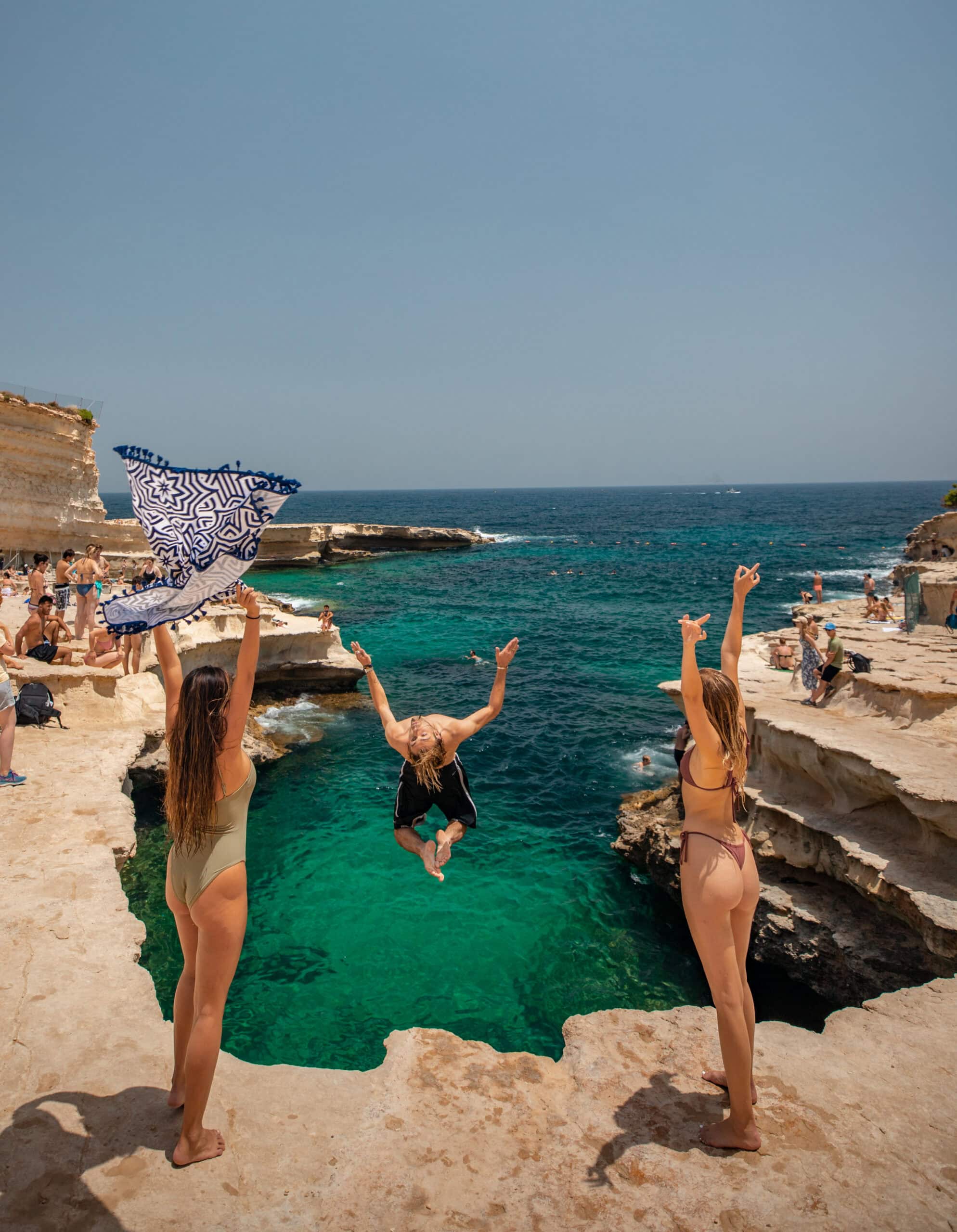
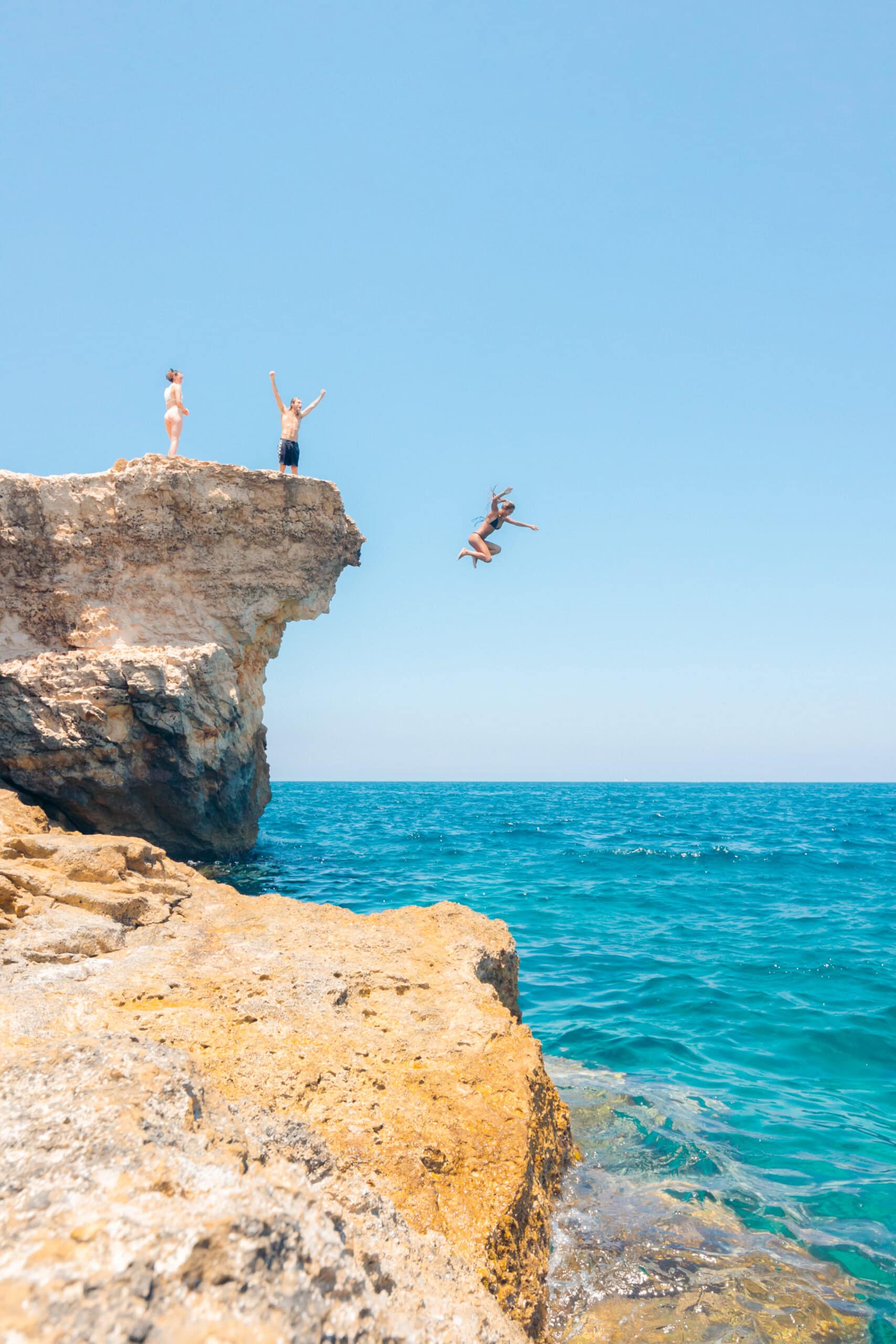
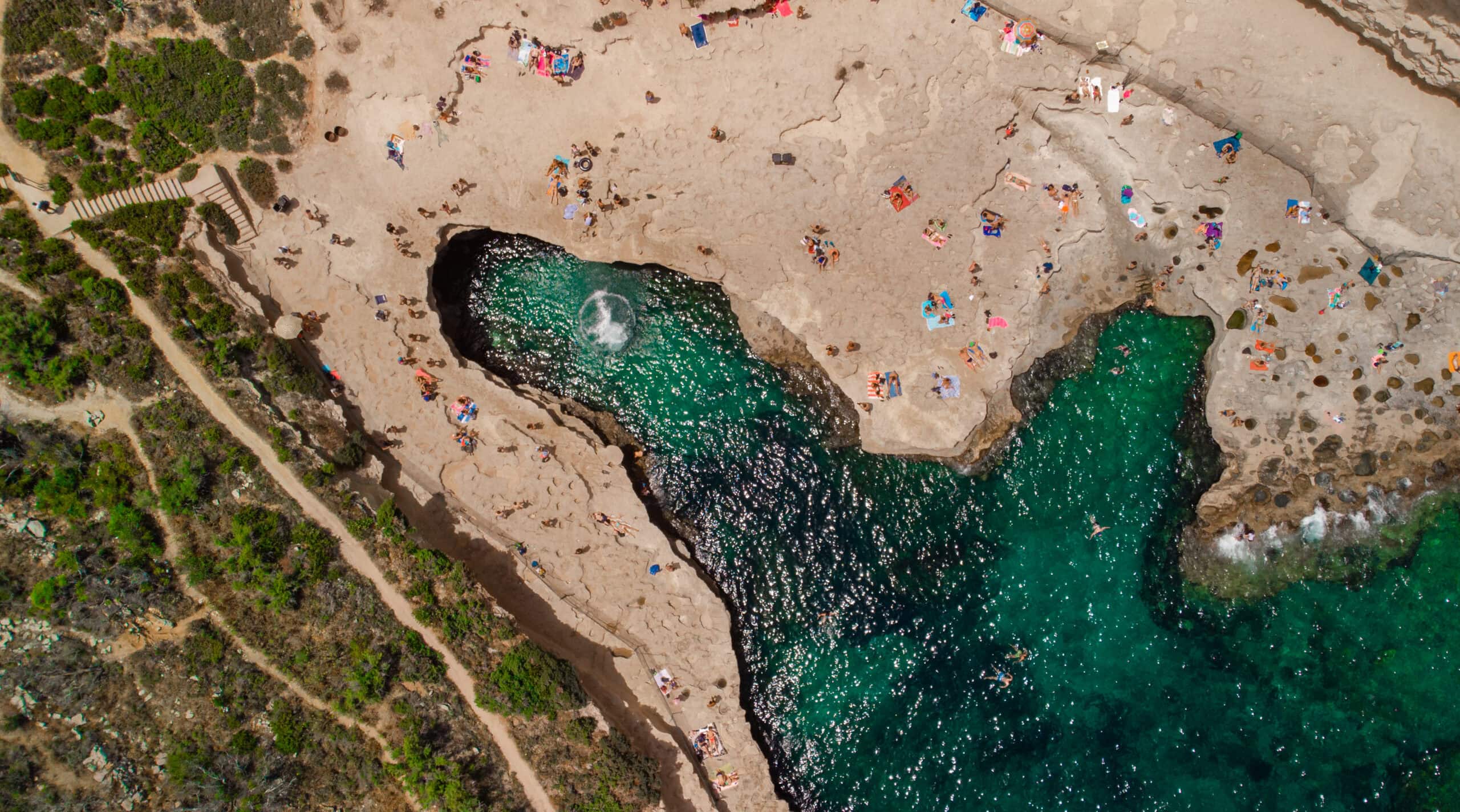
Near Marsaxlokk, St Peter’s Pool forms a natural amphitheatre in the limestone, with flat rock shelves stepping down to deep, clear water. There is no sand and little ceremony: arrive with a towel, find a place on the stone and swim straight from the edge.
The islands are equally compelling beneath the surface. Sheltered sites introduce new divers to reefs and caves, while experienced divers can descend to wrecks now occupied by marine life. Snorkelling opens many of the same coves without the tanks.
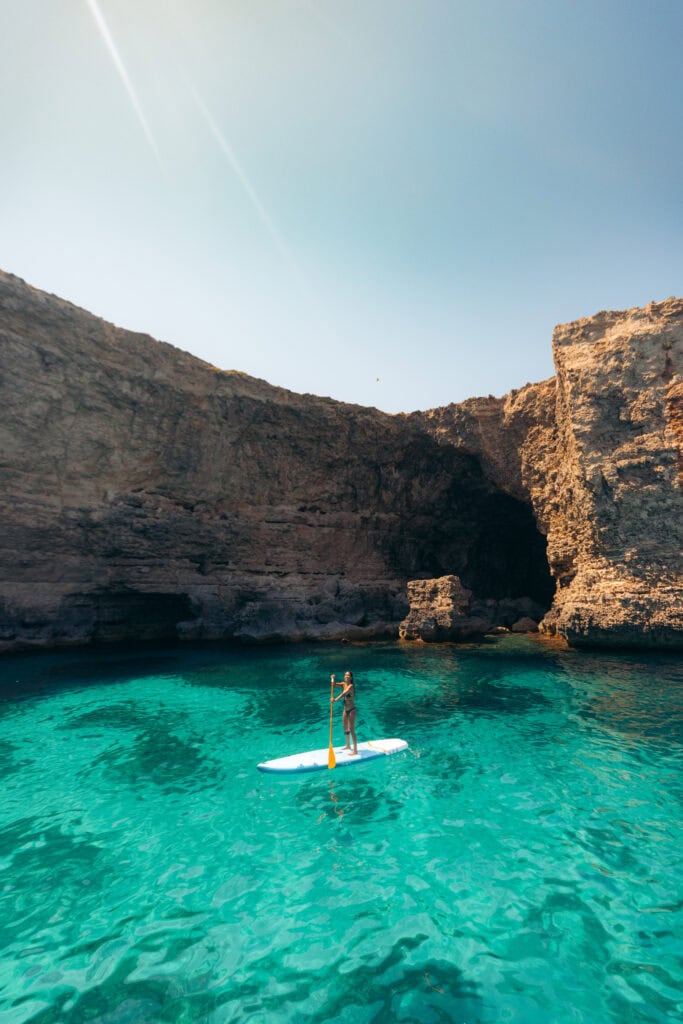
Comino holds Malta’s most recognisable water, but smaller inlets and sea caves reward those who move beyond the Blue Lagoon’s main swimming area.
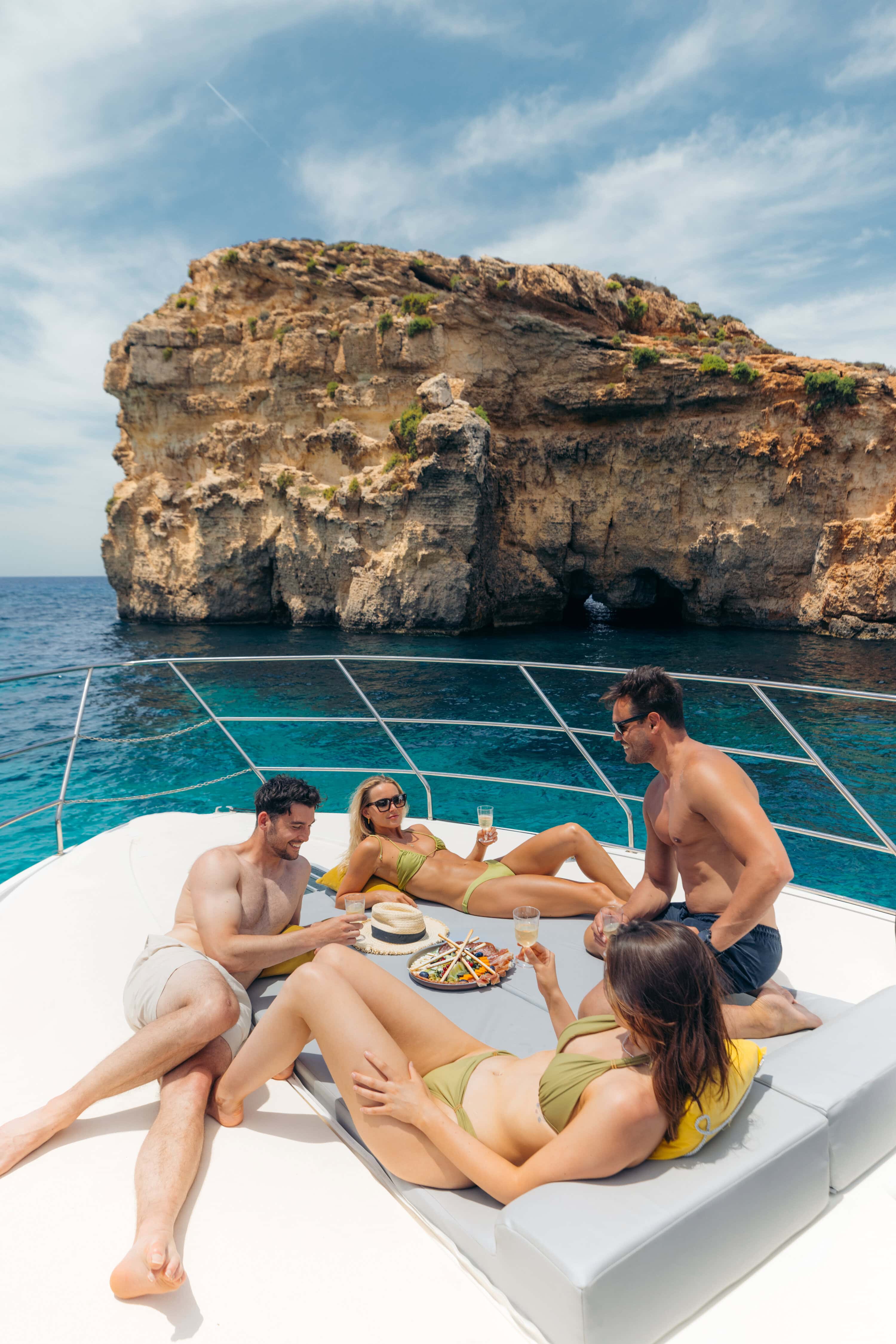
Sitchu Tip: Explore Comino aboard Bandama Charters’ 48-foot private yacht, carrying no more than eight guests with a skipper and crew. Each itinerary follows the sea, moving between hidden caves, glass-clear swimming spots and sheltered anchorages beyond the Blue Lagoon, with Maltese appetisers served on board and the option to continue towards Gozo for lunch or a final swim.
Beyond the water, ride above Golden Bay’s limestone cliffs or join a guide for rock climbing and abseiling along Malta’s coastal walls. The dry climate makes both possible across much of the year, revealing the coastline from an entirely different angle.
Give Gozo More Than an Afternoon
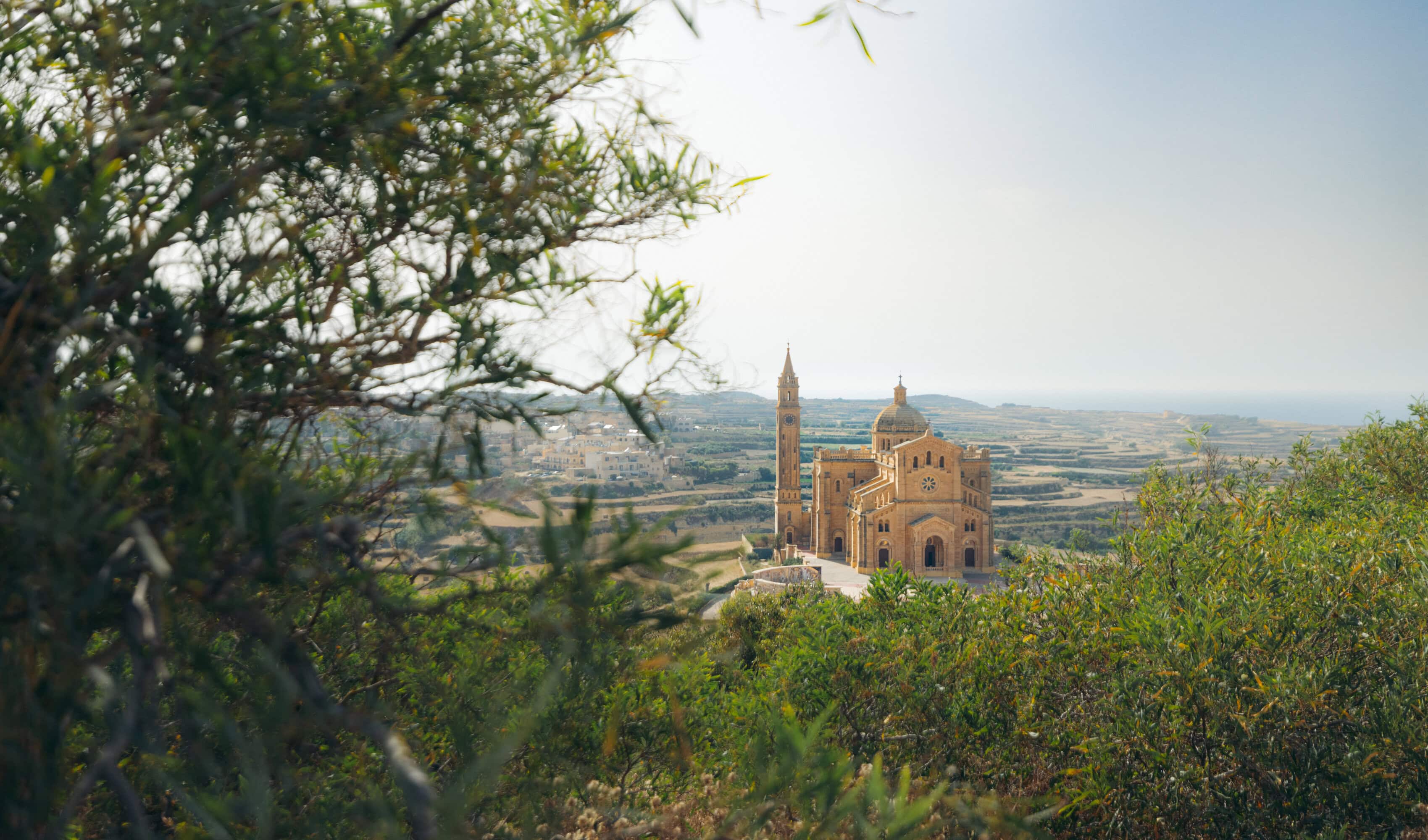
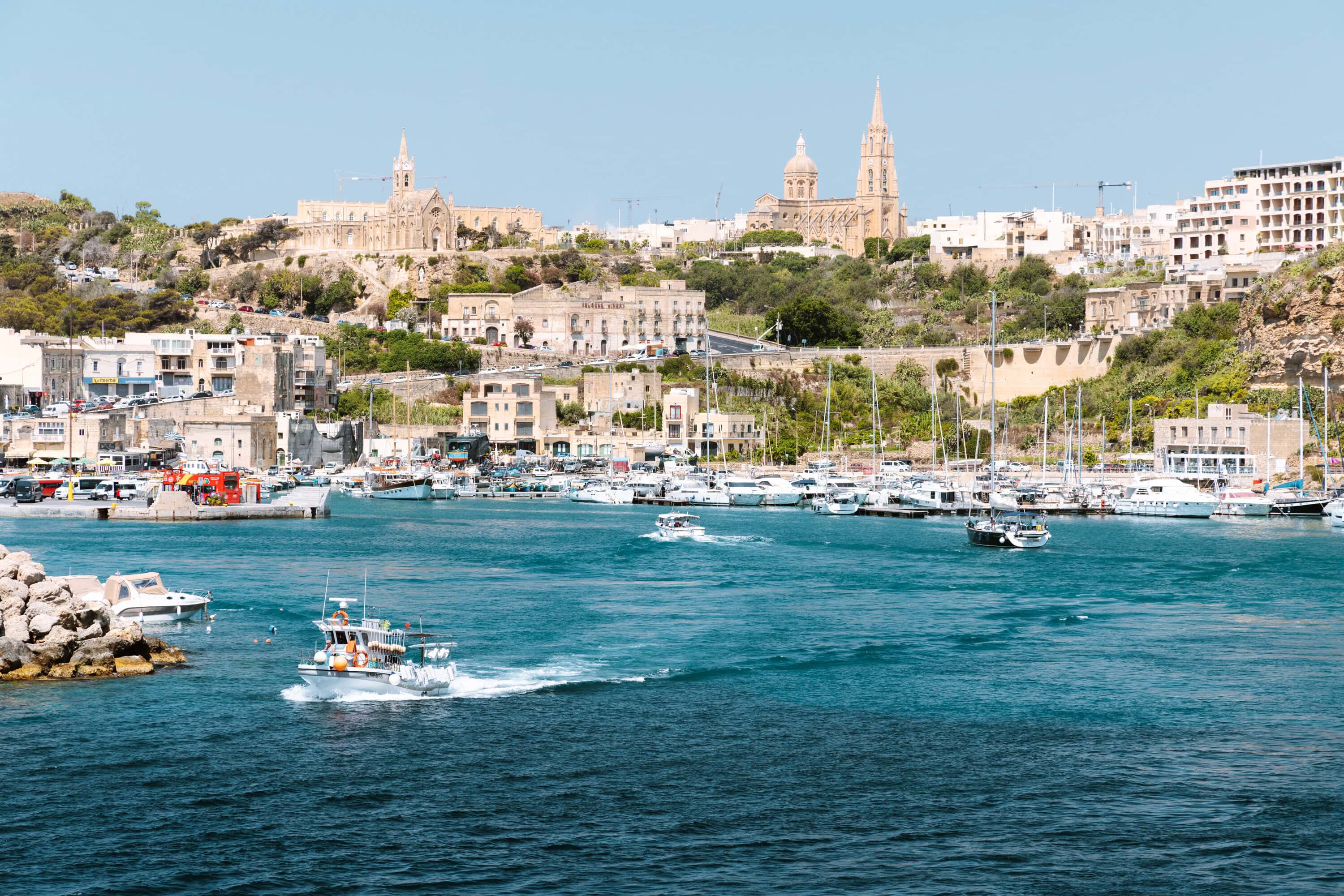
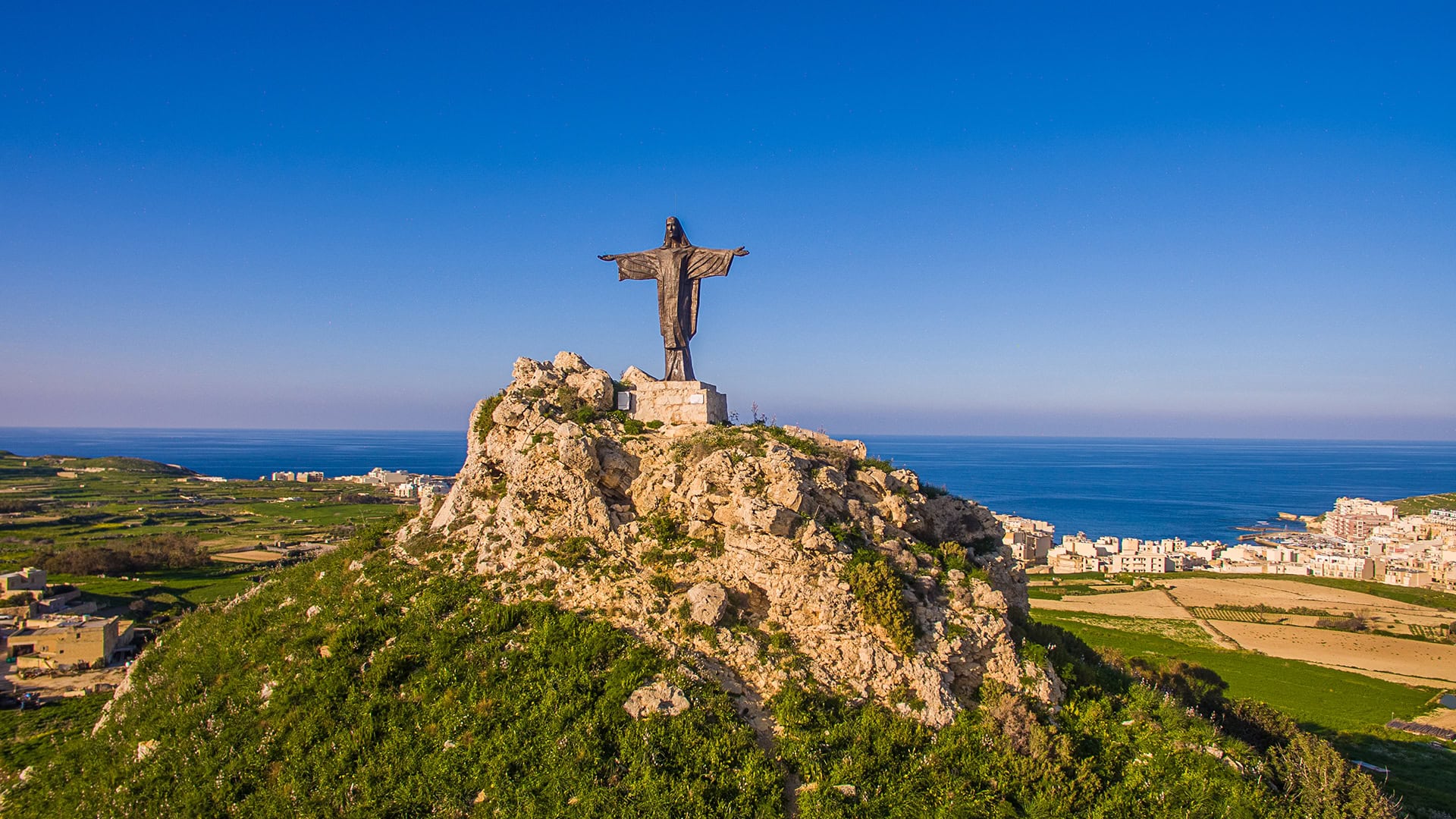
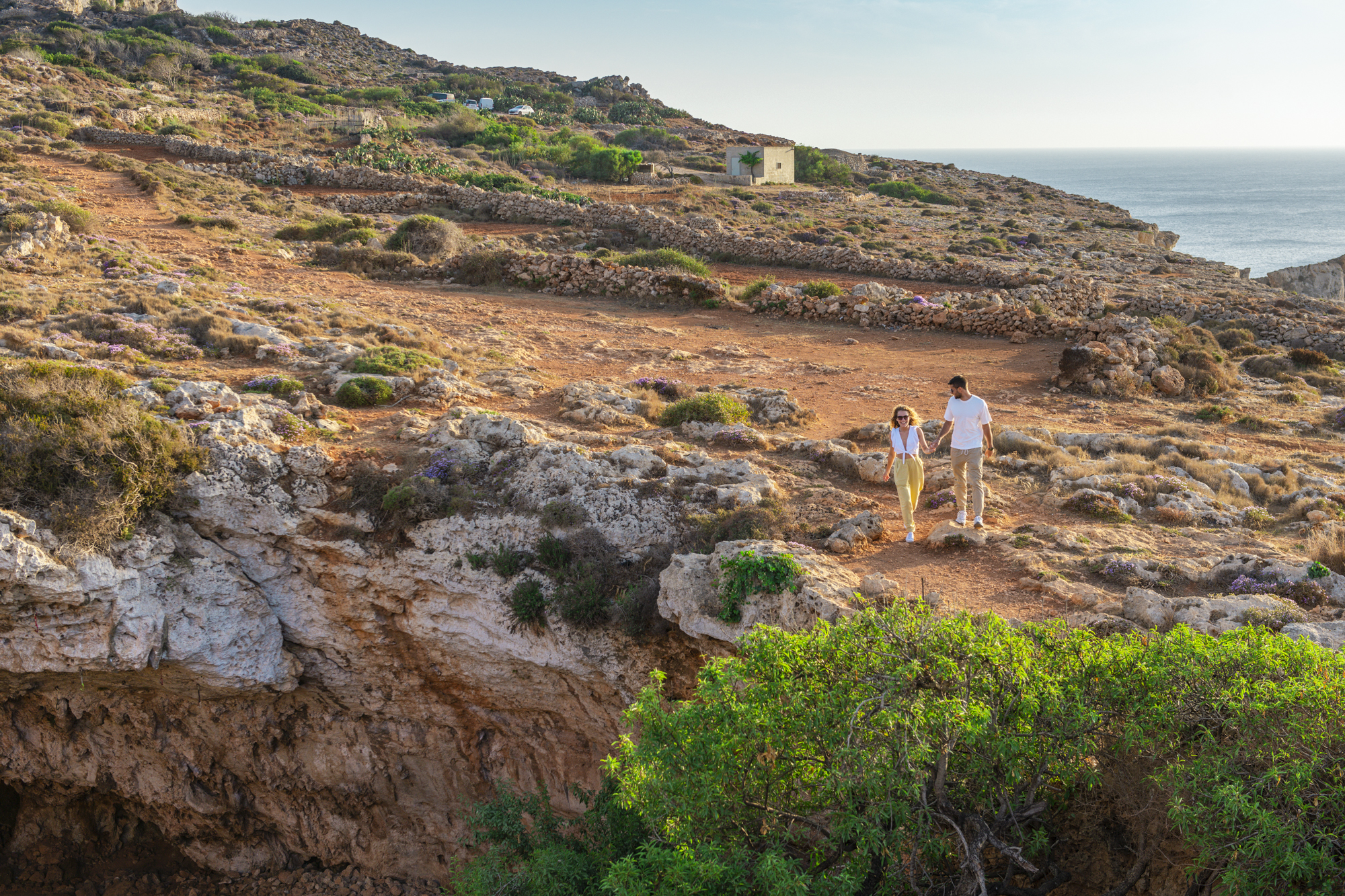
The crossing to Gozo takes little time, yet the island quickly loosens the schedule. Dry-stone walls divide the fields, domes rise above villages and country roads pass limestone farmhouses, prickly pear and roadside chapels.
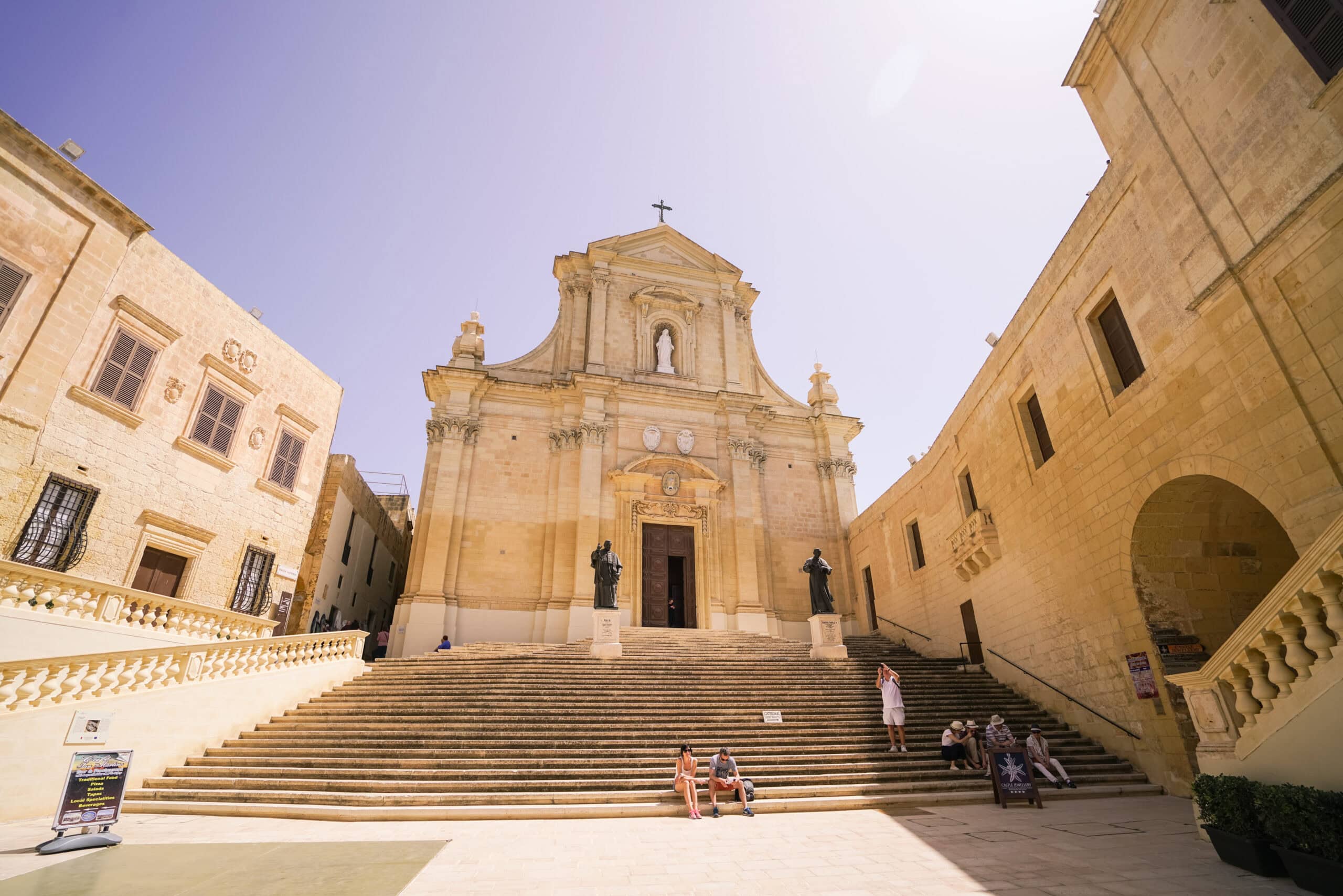
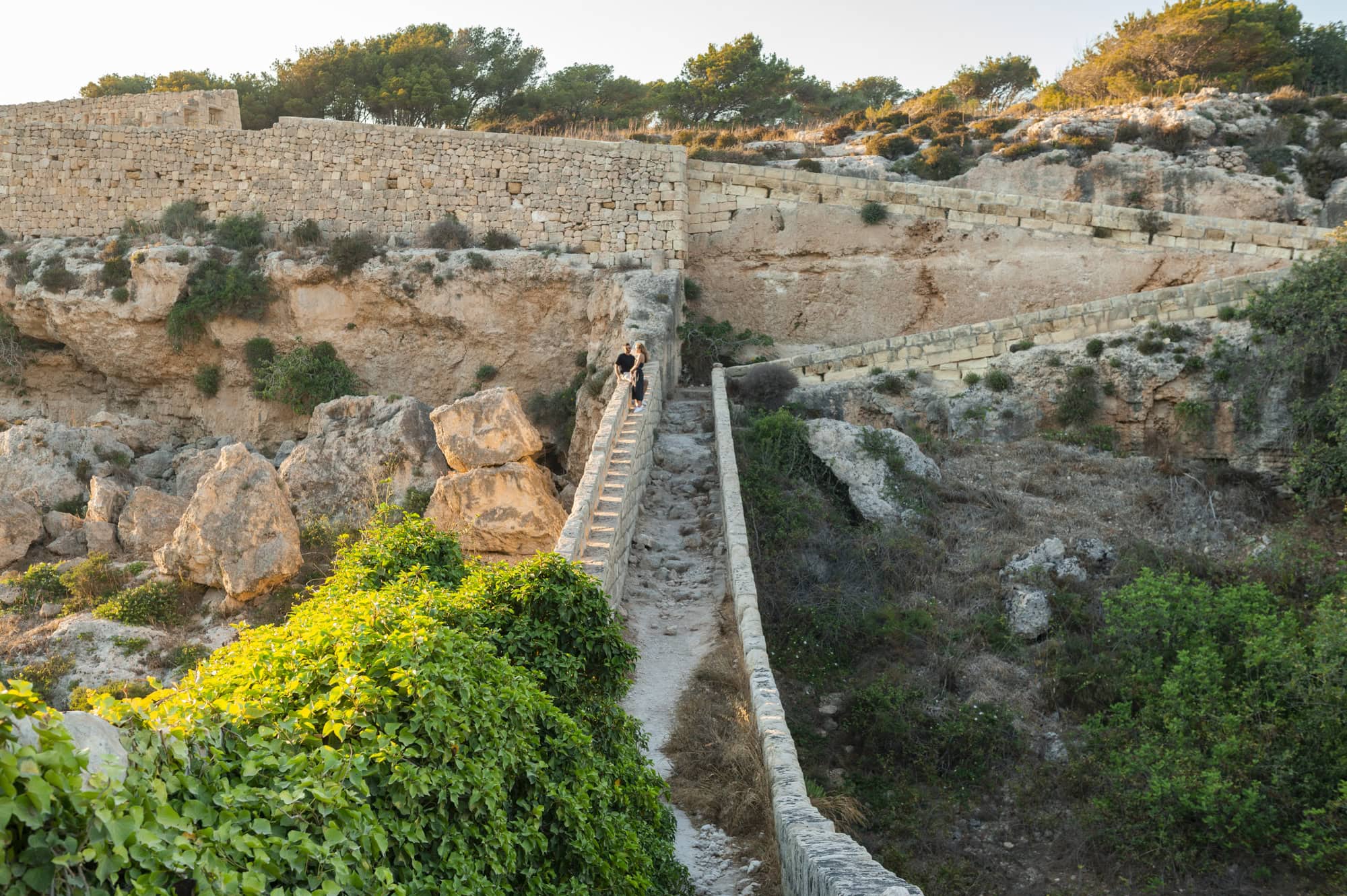
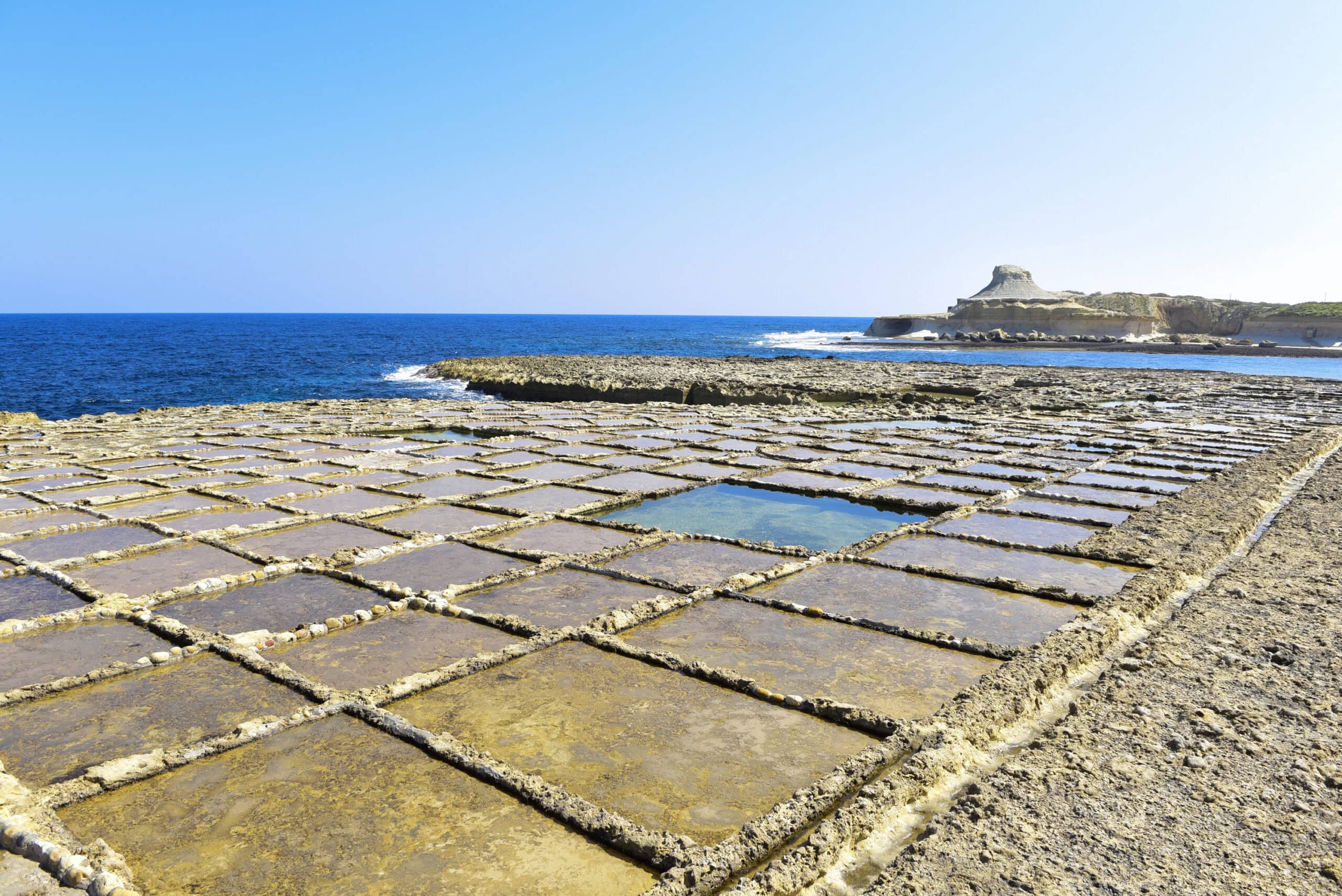
In Victoria, the Citadel overlooks cultivated land and clustered villages stretching towards the sea. Farther north, Xwejni’s salt pans score pale rock, while Dwejra gathers the Inland Sea, Blue Hole and Fungus Rock along a harsher shoreline.
Walk between fig trees, beehives and farm gates, stopping for Gozitan ftira topped with potato, tomato, anchovies or local cheese. Stay overnight for a second evening by the water, a long dinner and a morning without a ferry deadline.
Stay Here: Check into ThirtySeven Gozo, a design-led hideaway created from centuries-old farmhouses in the quiet village of Munxar. Behind the honeyed stone walls, art-filled rooms open onto lush gardens, shaded courtyards and two swimming pools.
Malta After Dark
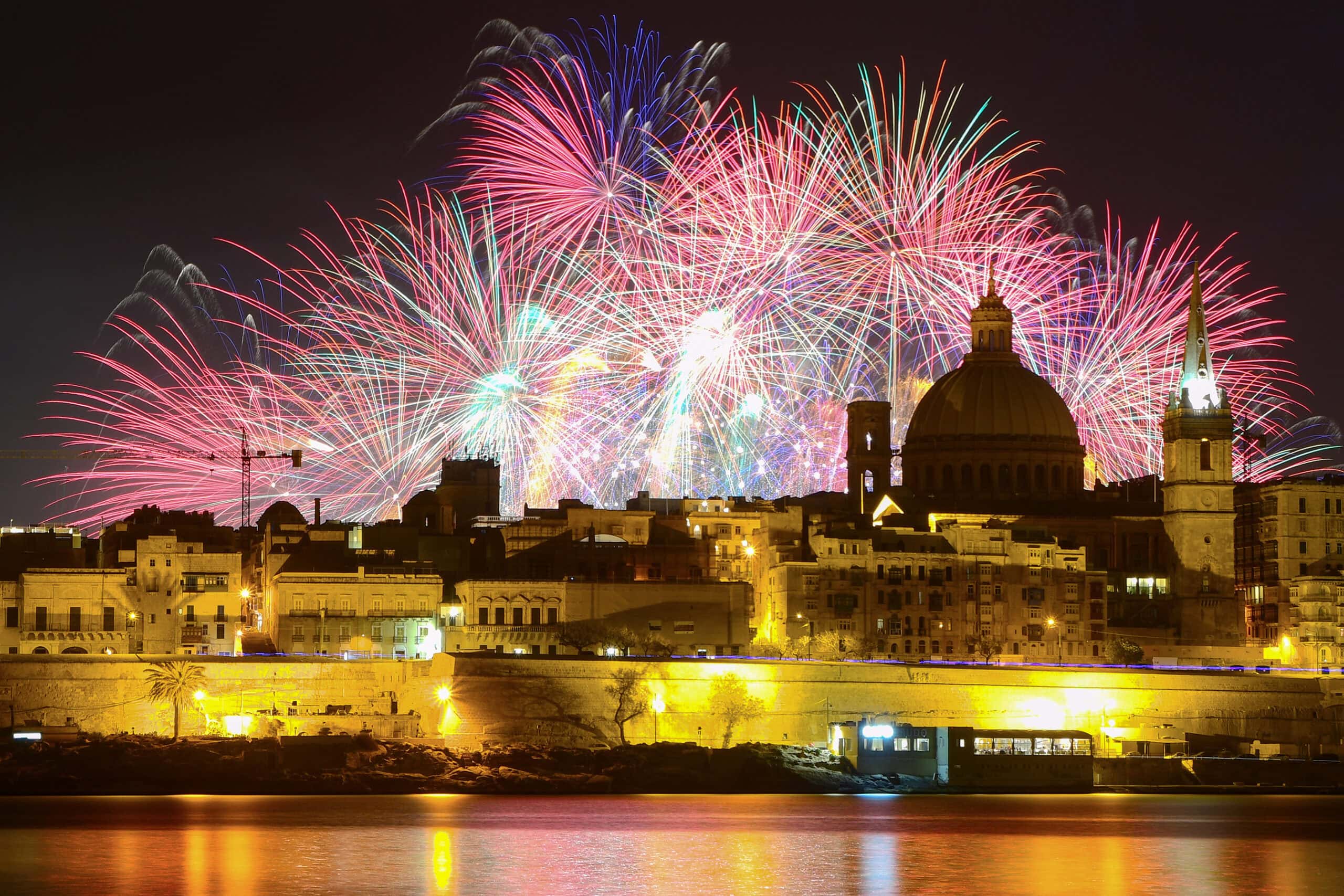
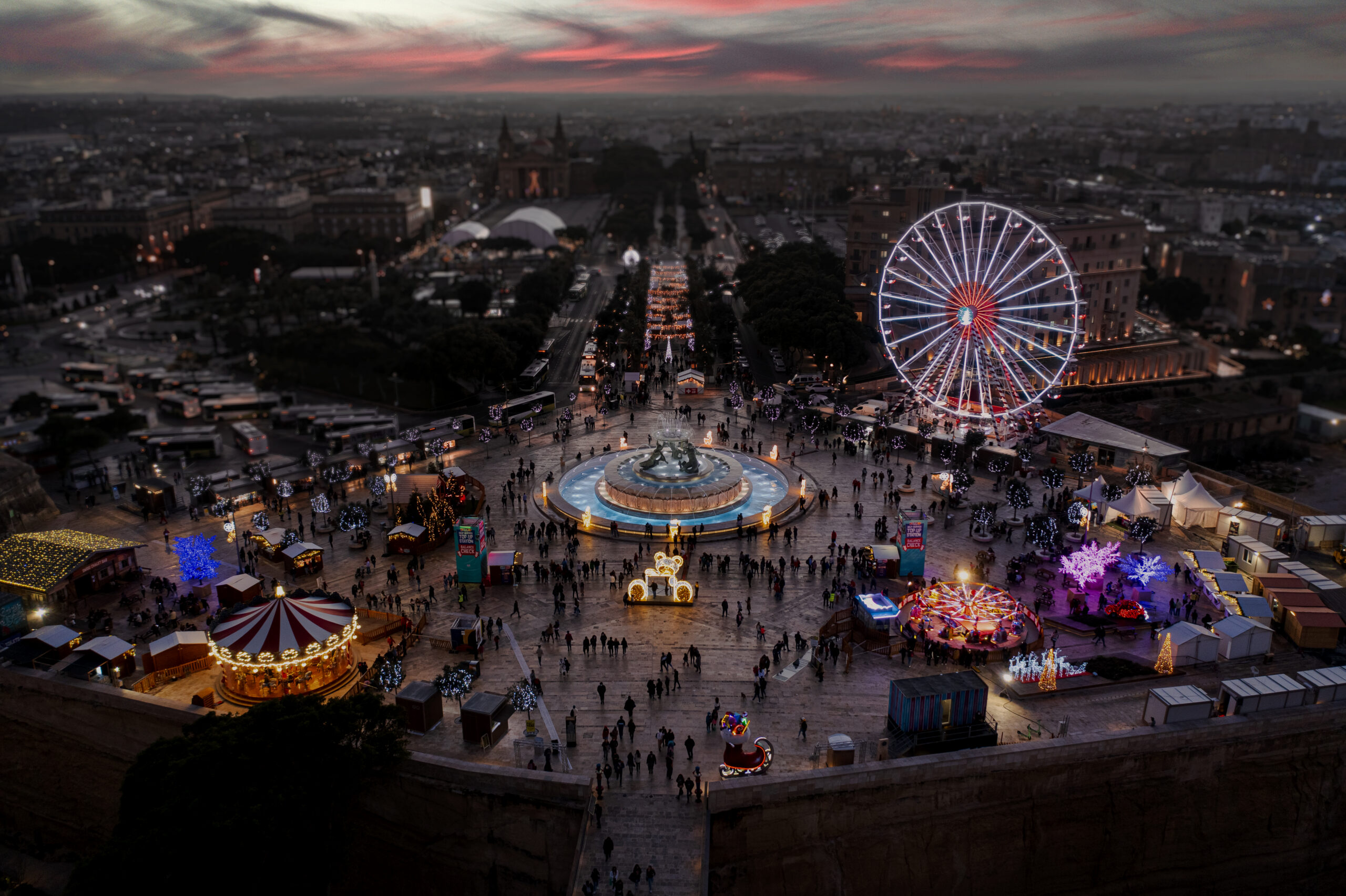
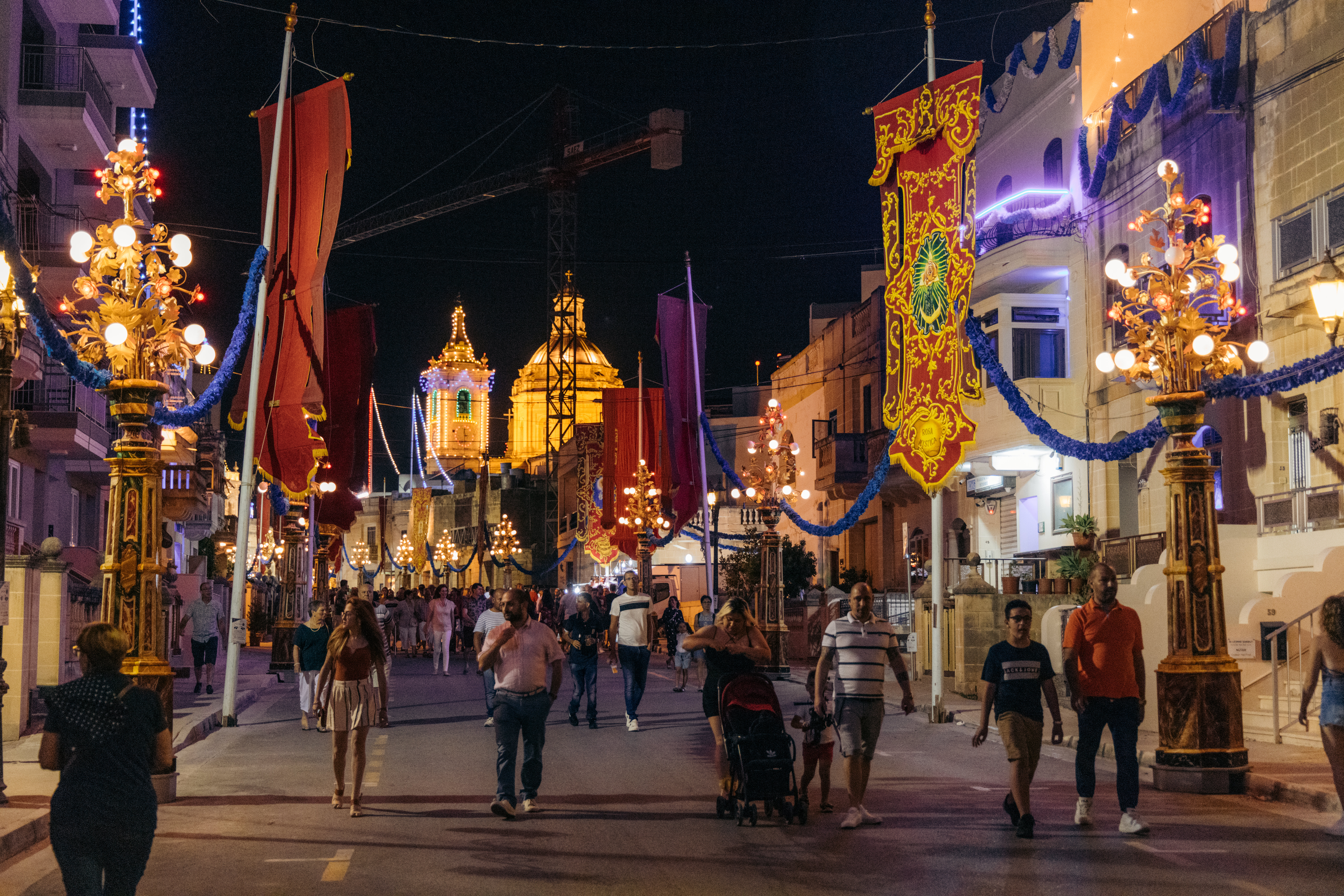
After sunset, Malta’s villages and fortified cities take on another character. During festa season, streets are dressed with banners and lights, brass bands pass through the crowds and church façades glow beneath elaborate fireworks.
Celebrations often begin in daylight, when petards send deep cracks across the village before the sky is dark enough for colour. The displays belong to local clubs, families and generations of specialist knowledge, combining religious observance, neighbourhood rivalry and communal pride.
Sitchu Tip: Ask your hotel or host which village festa coincides with your stay. Local knowledge will lead you beyond the broad events calendar and into the celebrations people genuinely anticipate all year.
Why Malta belongs on your next Euro trip
Malta’s scale makes exploration easy, but never slight. A harbour crossing leads to a fortified town, a village lunch to an afternoon in the sea and a short ferry ride to an island worth staying for. Each day feels full without becoming crowded.
The coastline may draw you in, but Malta’s ancient cities, generous tables and island rituals are what will bring you back.
Explore Malta and begin planning your next Mediterranean escape. Explore Wonder.