Subscribe


 Subscribe
The Agrarian Kitchen Classes Worth Planning A Tasmania Trip Around
Emiko Davies’ recent guest class at The Agrarian Kitchen offered a vivid glimpse into New Norfolk’s most transportive cooking school. The even better news: the 2026 calendar still has croissants, truffles, Annie Smithers, charcuterie, cheesemaking and more to come.

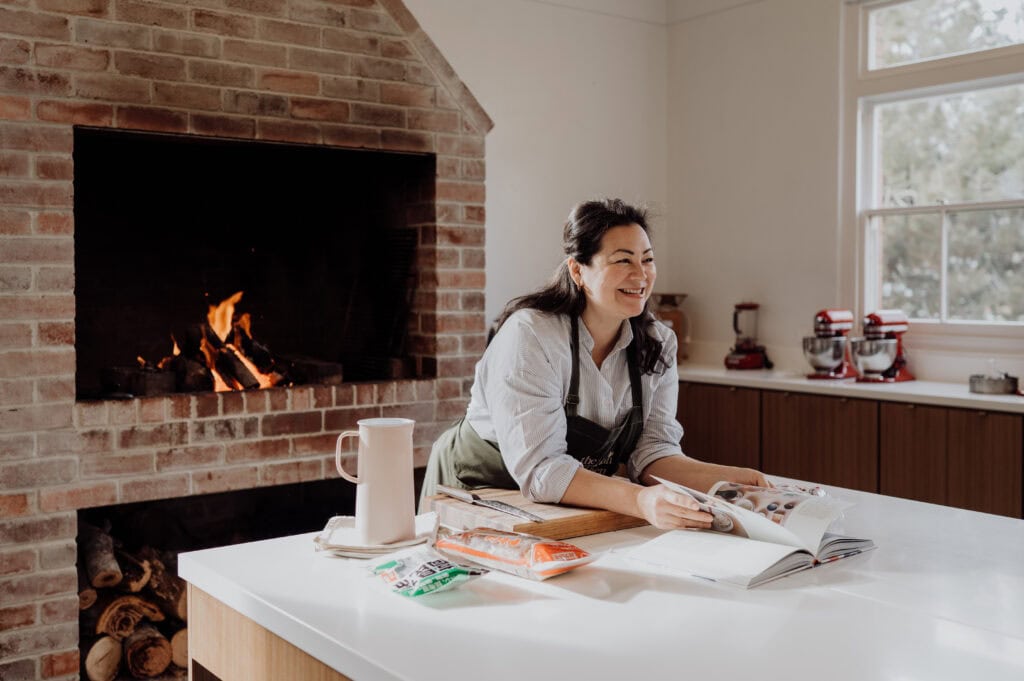
The Agrarian Kitchen cooking classes in New Norfolk, Tasmania, begin with a lesson no recipe can teach: the weather, the soil, the garden and whatever the season is ready to hand over. Around 30 to 35 minutes from Hobart, in a town where the River Derwent loops past old facades and the air arrives with that apple-crisp snap southern Tasmania does so well, this is a cooking school built on patience, produce and attention.
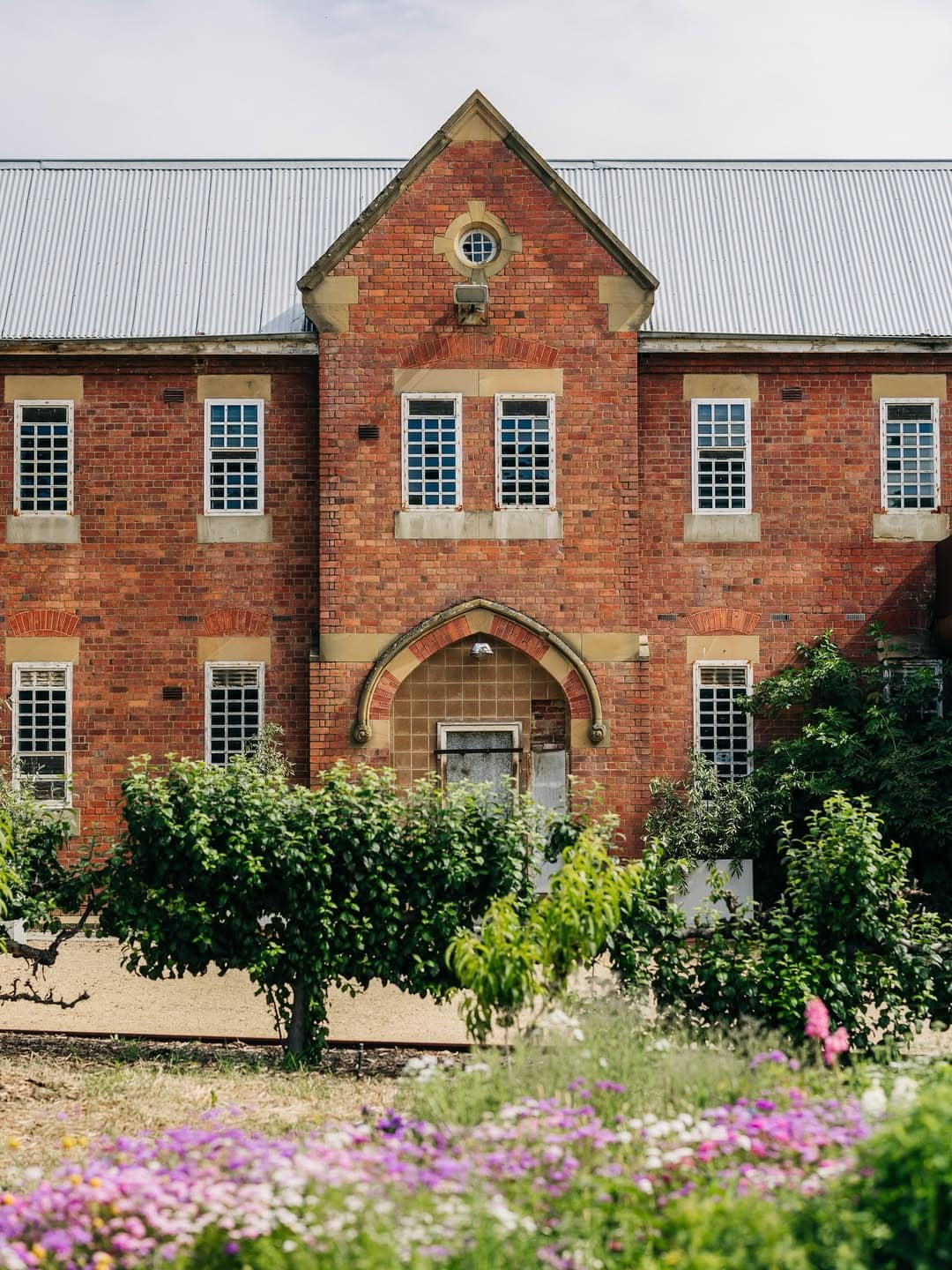
Set within the Willow Court precinct, The Agrarian Kitchen is one of Tasmania’s great food pilgrimages, and its cooking school remains the experience that started it all. Founded in 2008, it now sits within a teaching kitchen of heritage brick, high ceilings, natural light and an open fireplace, with a one-acre walled garden just metres from the benches. Vegetables, fruit, berries, citrus, herbs and edible flowers move from bed to basket to knife, turning each class into something shaped by the morning itself.


The 2026 programme gives food lovers plenty of reasons to plan a Tasmanian weekend around it, with full-day classes, short how-to sessions and guest-chef events spanning pastry, truffles, charcuterie, pasta, cheesemaking, gardening and seasonal Tasmanian produce. Some classes are technical, some are celebratory, some are for gardeners as much as cooks, but each returns to the same idea: food tastes different when you understand what it came from.
Late June brings Ultimate Croissants with Nadine Ingram, followed by The Biscuit Tin. Annie Smithers arrives on 1st July. Rodney Dunn’s Cooking with Truffles lands on 4th July and 1st August, right in the deep pleasure of a Tasmanian winter. From there, the programme moves through composting, vegetarian cooking, charcuterie, game cookery with Analiese Gregory and Jo Barrett, handmade pasta, natural cheesemaking, gardening fundamentals, Belinda Jeffery, Beatrix Bakes and Analiese Gregory’s return in November.
The guest-chef roster stretches even further, with names including Andrew McConnell, Peter Gilmore, Thi Le, Rosheen Kaul, Christine Manfield and Danielle Alvarez appearing across the broader 2026 programme. It reads like a syllabus for people who travel by appetite: pastry, fire, soil, milk, meat, grain, fruit, smoke and all the strange weather of Tasmanian seasonality.

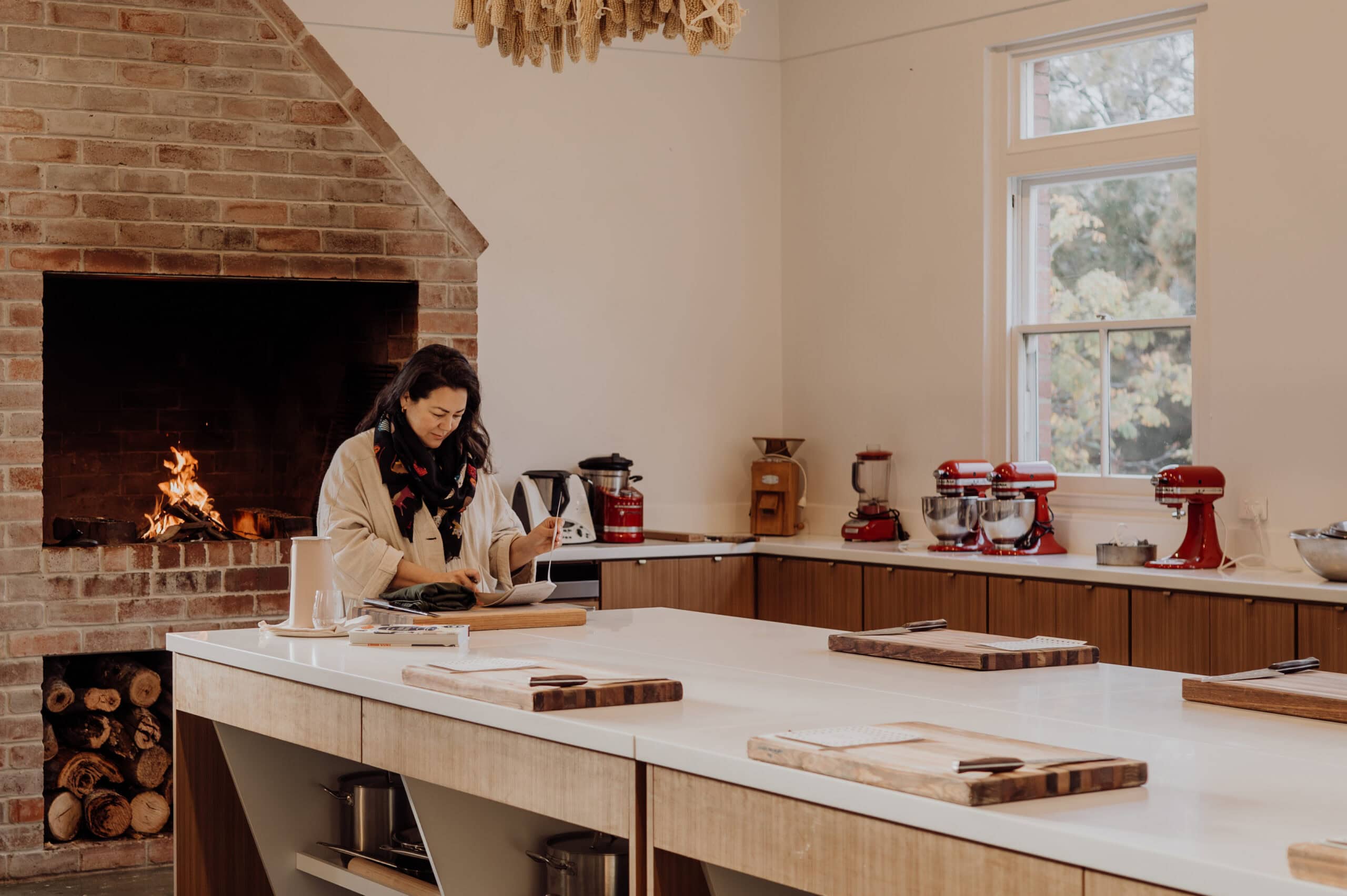
A recent guest class with Emiko Davies captured that spirit with unusual clarity. The Australian-Japanese food writer and cookbook author, based in Tuscany, came to New Norfolk to teach from The Japanese Pantry, her book devoted to everyday ingredients including soy sauce, miso, rice vinegar, seaweed, sake, sesame and tea. Her classes may have passed, but they remain a beautiful lens into what an Agrarian Kitchen day can feel like: place, memory, technique and Tasmanian produce meeting at the same table.
When asked how beginning in the garden changed the way she taught Japanese home cooking, Davies said:
“It doesn’t so much change the way I teach Japanese cooking, as complement it. Starting with these beautiful fruit and vegetables that we pick right out of the garden is wonderful, and it is perfectly suited to showing why good, seasonal produce really doesn’t need complicated things done to it to taste amazing. I hope that the guests saw how inherently simple Japanese home cooking is after this!”
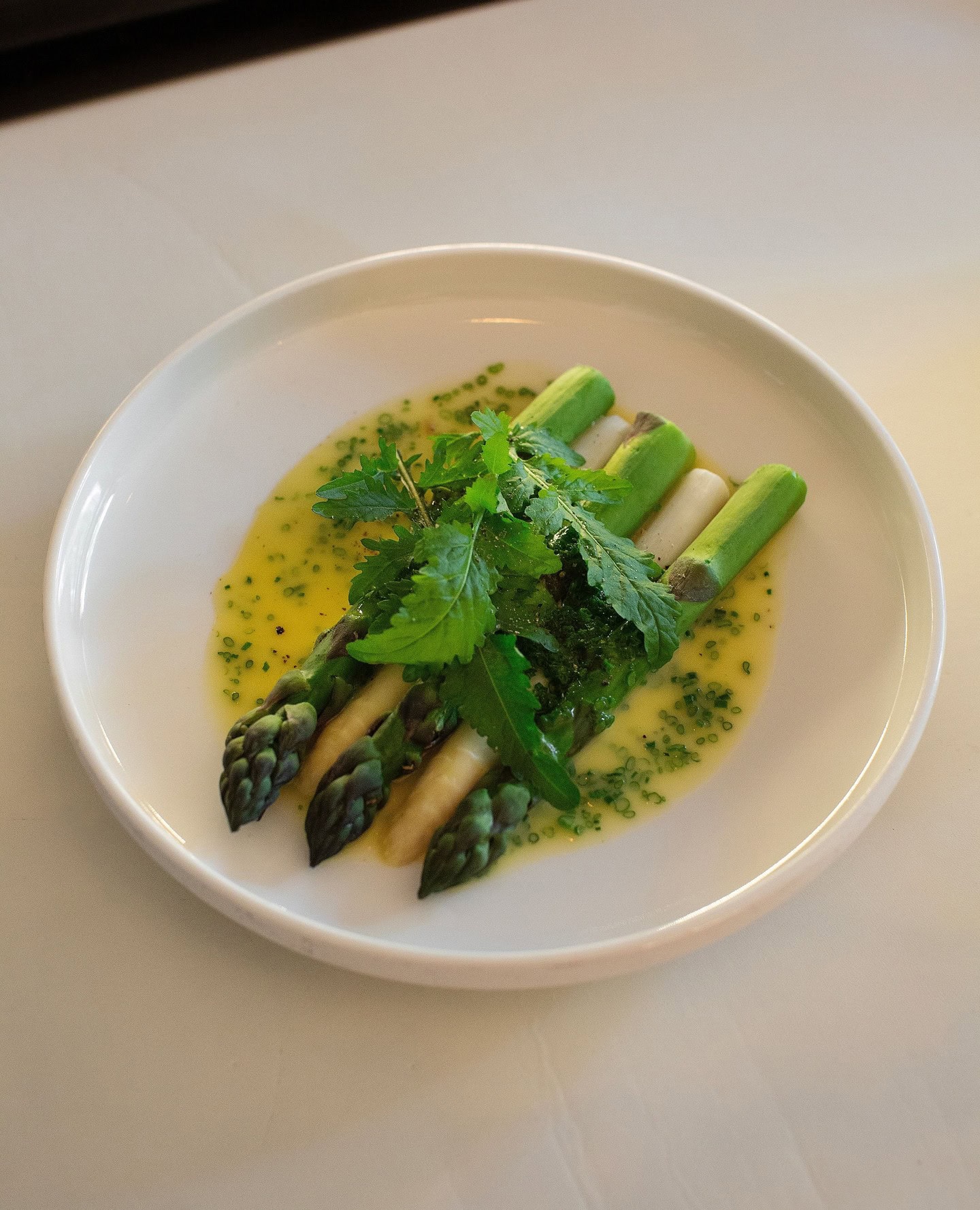
That answer gets to the marrow of The Agrarian Kitchen. Restraint is not absence here. It is skill. A just-picked vegetable, a sharp herb, a brassica carrying the morning cold: these things are allowed to speak in their own register.
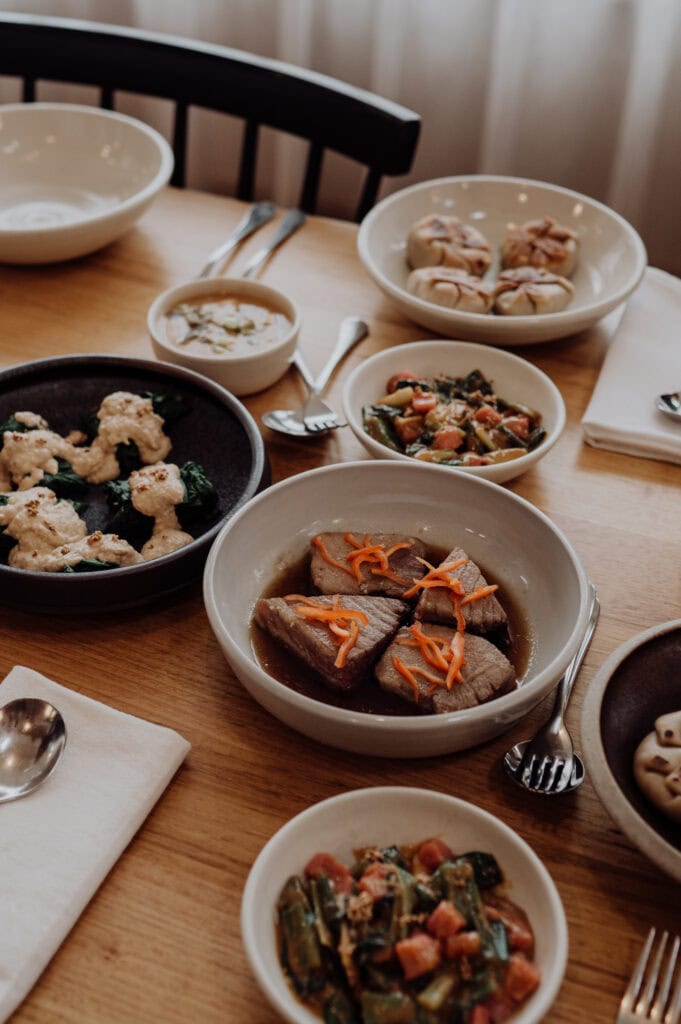
Davies’ own work shares that belief. The Japanese Pantry is built around ingredients many home cooks already know, but may not yet understand fully. Soy sauce moves beyond dipping. Miso goes into pickles and sweets. Sesame, sake, tea and rice vinegar become practical, generous tools rather than specialist shelf-fillers.
On which pantry ingredient changes the way people cook the fastest, Davies said:
“The book is about making the most of these essential ingredients and learning how else to use them other than the obvious ways you may have seen them — so I don’t think it is so much about how to change the way you’re cooking quickly, but rather, smarter, more mindful. Learning more about these ingredients teaches you how much you can get out of them and what delicious things you could be cooking — soy sauce is so much more than a dipping sauce, for example, and miso is so versatile you can even use it for pickling or for sweets!”
It is easy to see why her classes made sense here. The Agrarian Kitchen has the same appetite for depth over novelty. A croissant class with Nadine Ingram becomes a lesson in patience, butter and heat. A truffle class becomes a study in timing, aroma and restraint. Charcuterie, cheesemaking, game cookery, handmade pasta, gardening and composting all return to the base elements: soil, animal, grain, milk, salt, season.
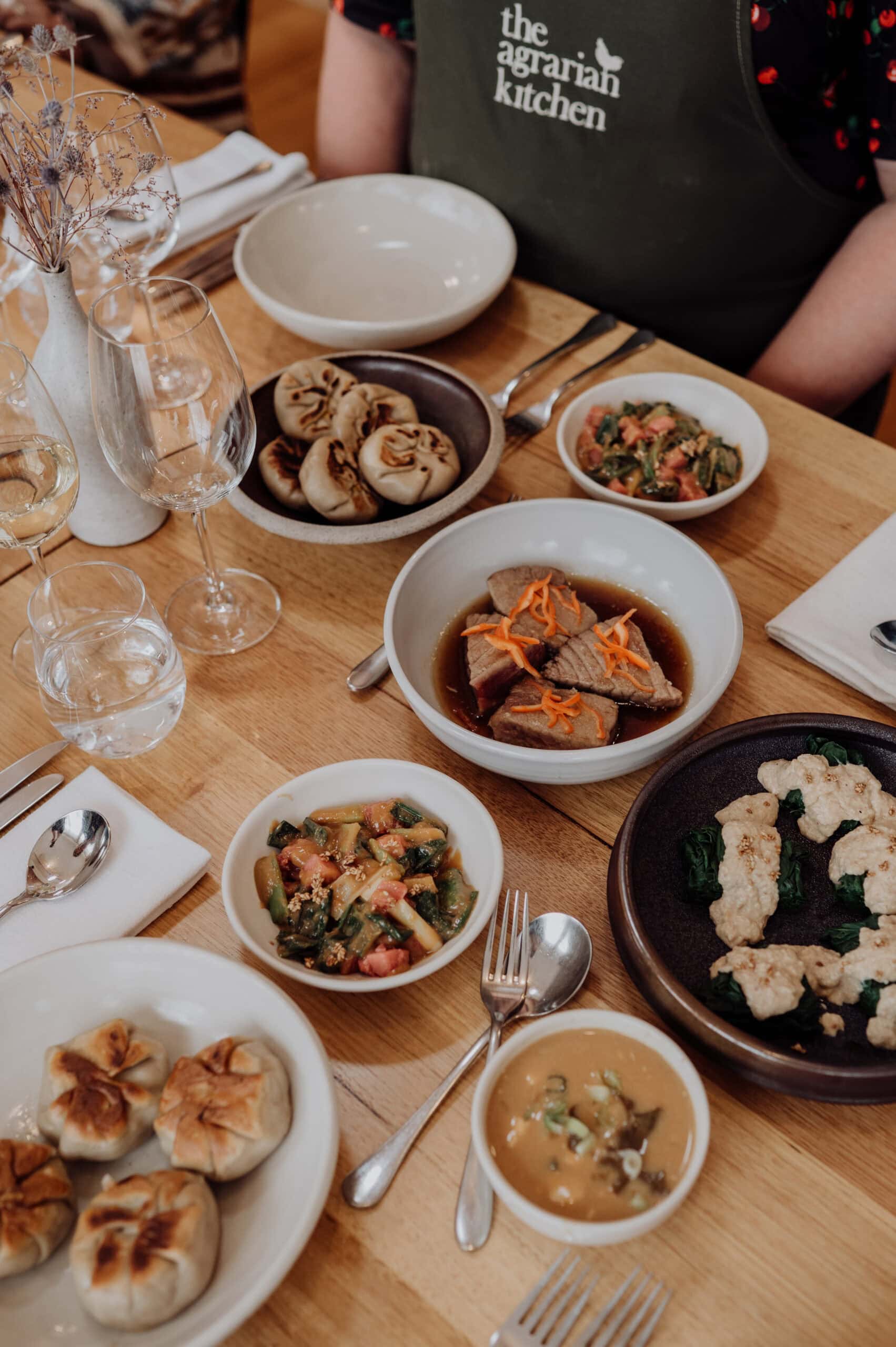
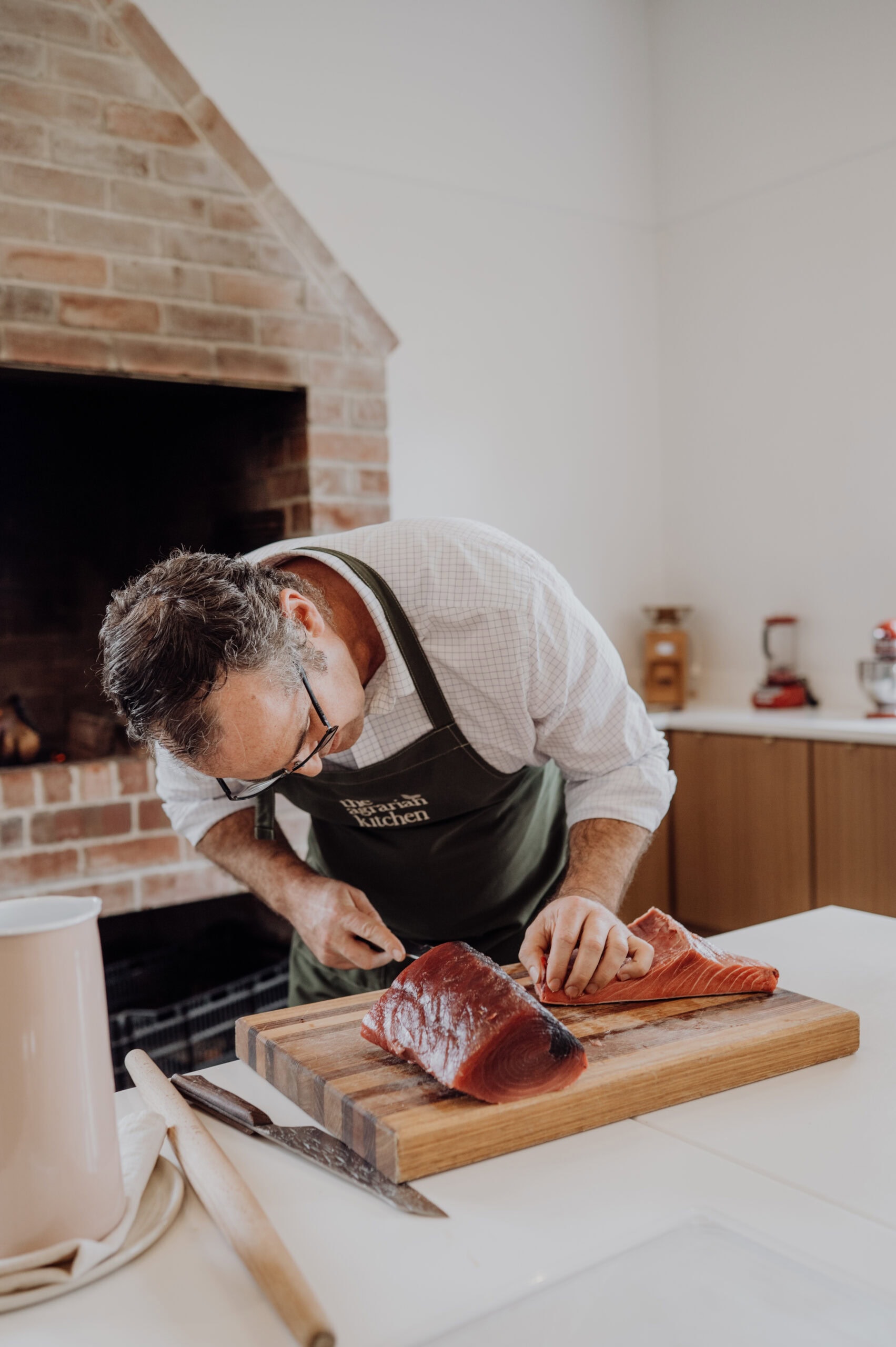
For Davies, the in-person exchange has its own charge.
“Teaching in person just brings things to life. You can read a book and take what you need from it but speaking to each other, having a conversation around it, answering questions and cooking and tasting it together just takes it to a whole different level.”
That is the reason these classes feel worth travelling for. They are not passive experiences with a pretty lunch at the end. You arrive as a visitor and leave with a more precise appetite, a better sense of season and at least one technique you will carry home.
The trip nearly plans itself. Stay in Hobart and make the 30 to 35-minute drive to New Norfolk, or give the Derwent Valley more time. If your dates do not align with a class, The Agrarian Kitchen still rewards the detour with restaurant lunches, garden tours and its winter kiosk.
Through Off Season, the kiosk has been serving fireside s’mores with house-made spiced biscuits, honey-laced marshmallows and Federation chocolate, alongside truffle toasties on winter weekends. It is a very Tasmanian pleasure: cold hands, melting cheese, garden paths, old stone, river air and produce so good it feels faintly dangerous.
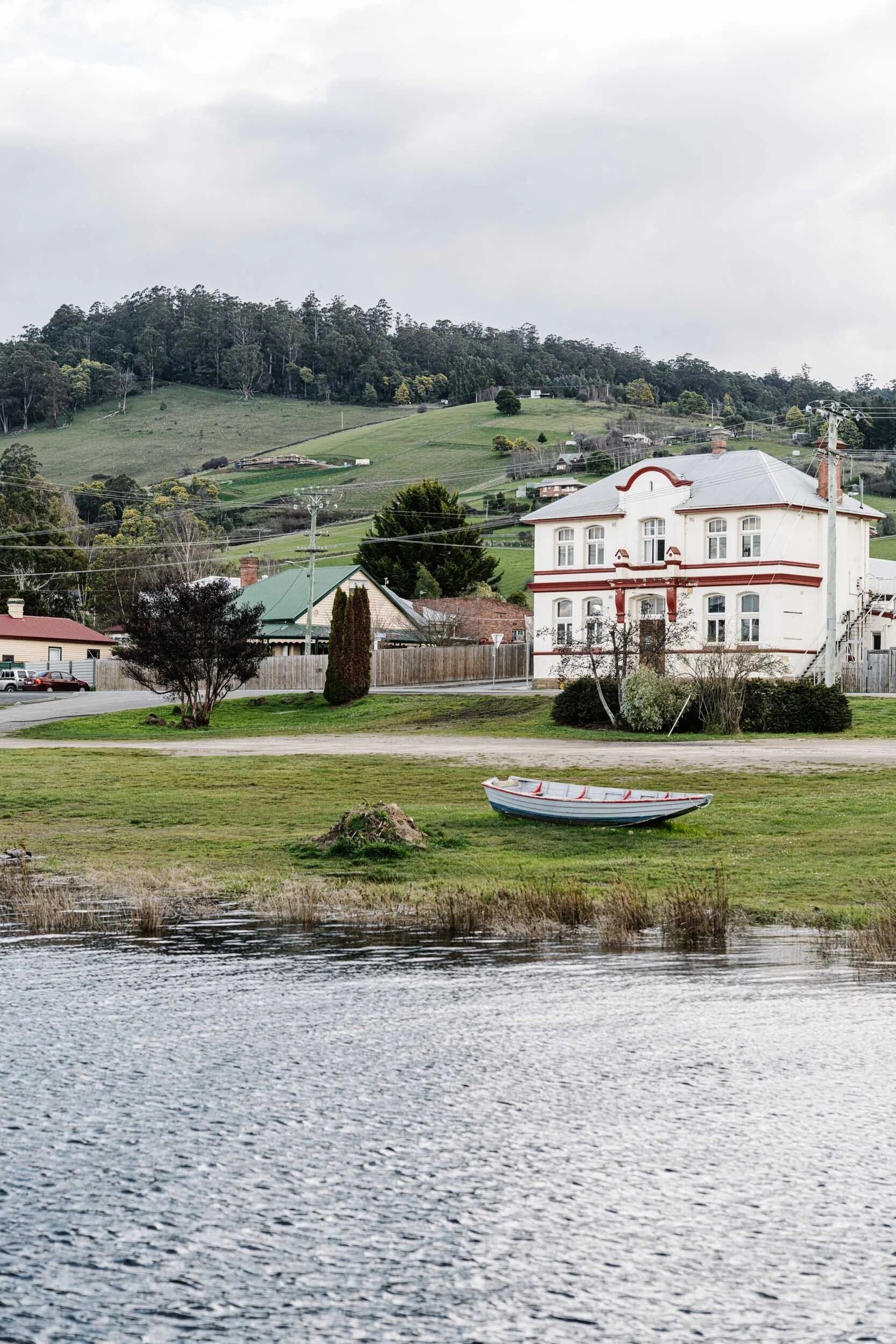
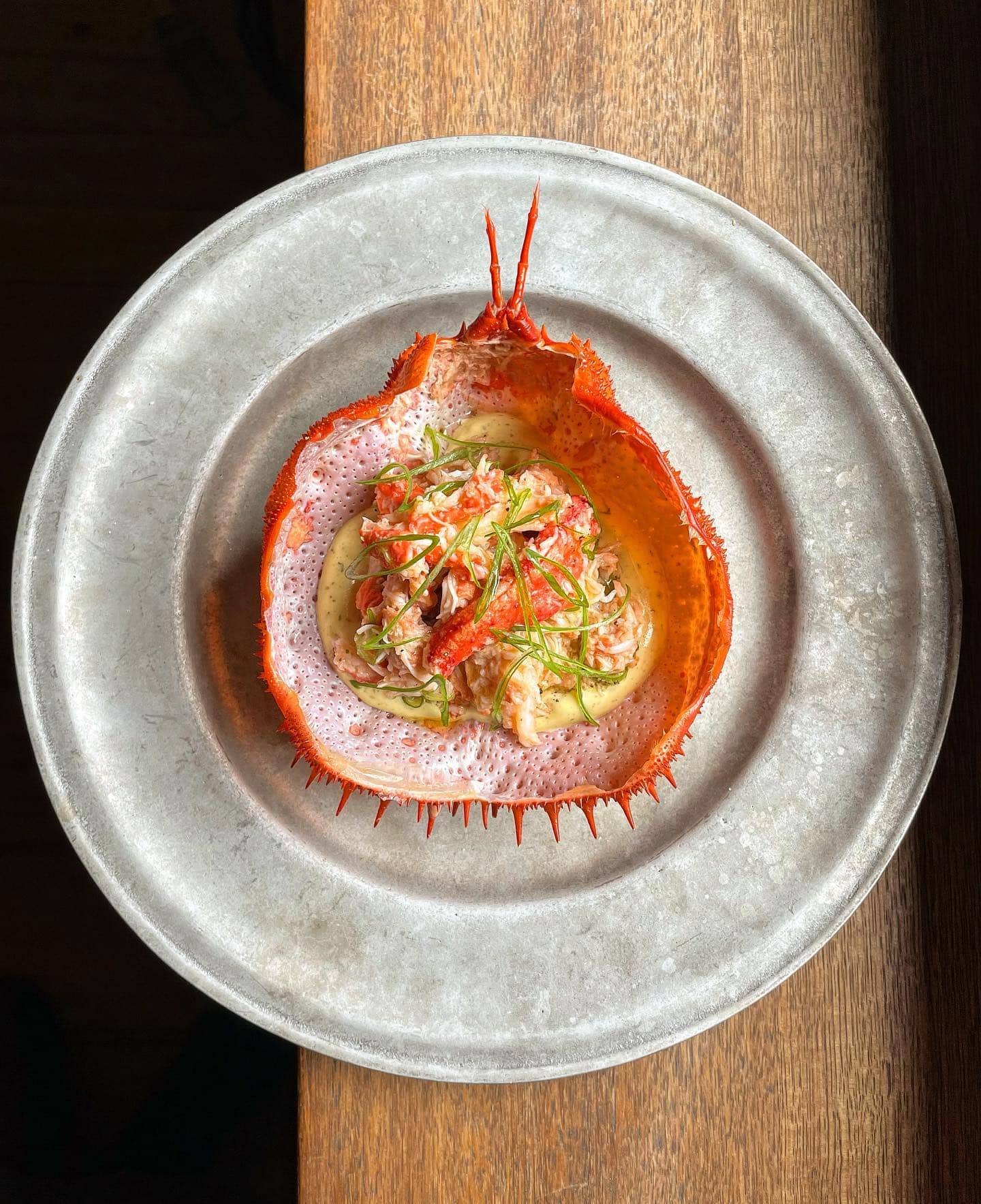
Davies’ own Tasmanian hit list is worth saving too.
“The Bowmont in Franklin is such a stunning place to stay, and absolutely transporting; in Hobart, I loved Lucinda for a glass of wine and the perfect pate en croute and visiting The Makers for vintage Japanese prints and ceramics. One experience to make time for — a cooking class or a meal at The Agrarian Kitchen! It was an absolute dream to cook here and experience the garden and simple take in this utterly unique and special place.”
In a state already spoiled for edible beauty, that final recommendation lands with weight. The Agrarian Kitchen is Tasmania distilled into a day: soil, season, skill, heritage and a table waiting at the end. Take the drive, choose the class, and let New Norfolk sharpen your appetite.
The Agrarian Kitchen Cooking Classes: Need To Know
Where: The Agrarian Kitchen, New Norfolk, Tasmania
Distance from Hobart: Around 30 to 35 minutes by car
Class style: Garden-led, hands-on cooking classes in small groups
2026 highlights: Nadine Ingram, Annie Smithers, Cooking with Truffles, charcuterie, game cookery, handmade pasta, cheesemaking, gardening and baking
Also worth booking: Restaurant lunch, guided garden tours and the winter kiosk
If The Agrarian Kitchen has sharpened your appetite for cooking with more care, keep going with our guide to the best pantry essentials, then make room on the shelf for our favourite cookbooks.