Subscribe


 Subscribe
Bicheno Beams Is Just the Beginning in Australia’s Best Town
Lasers above the bay, little penguins after dark, maritime whisky and cinnamon buns by the sea. This is how to explore Bicheno in a way that feels good and does some good, too.
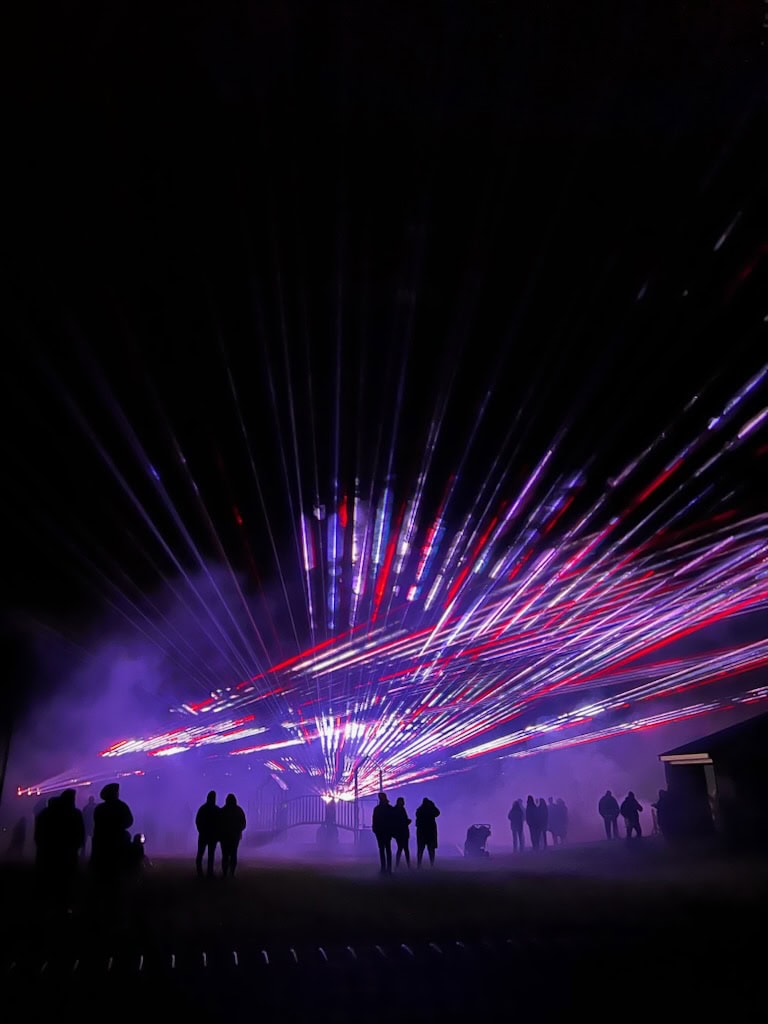
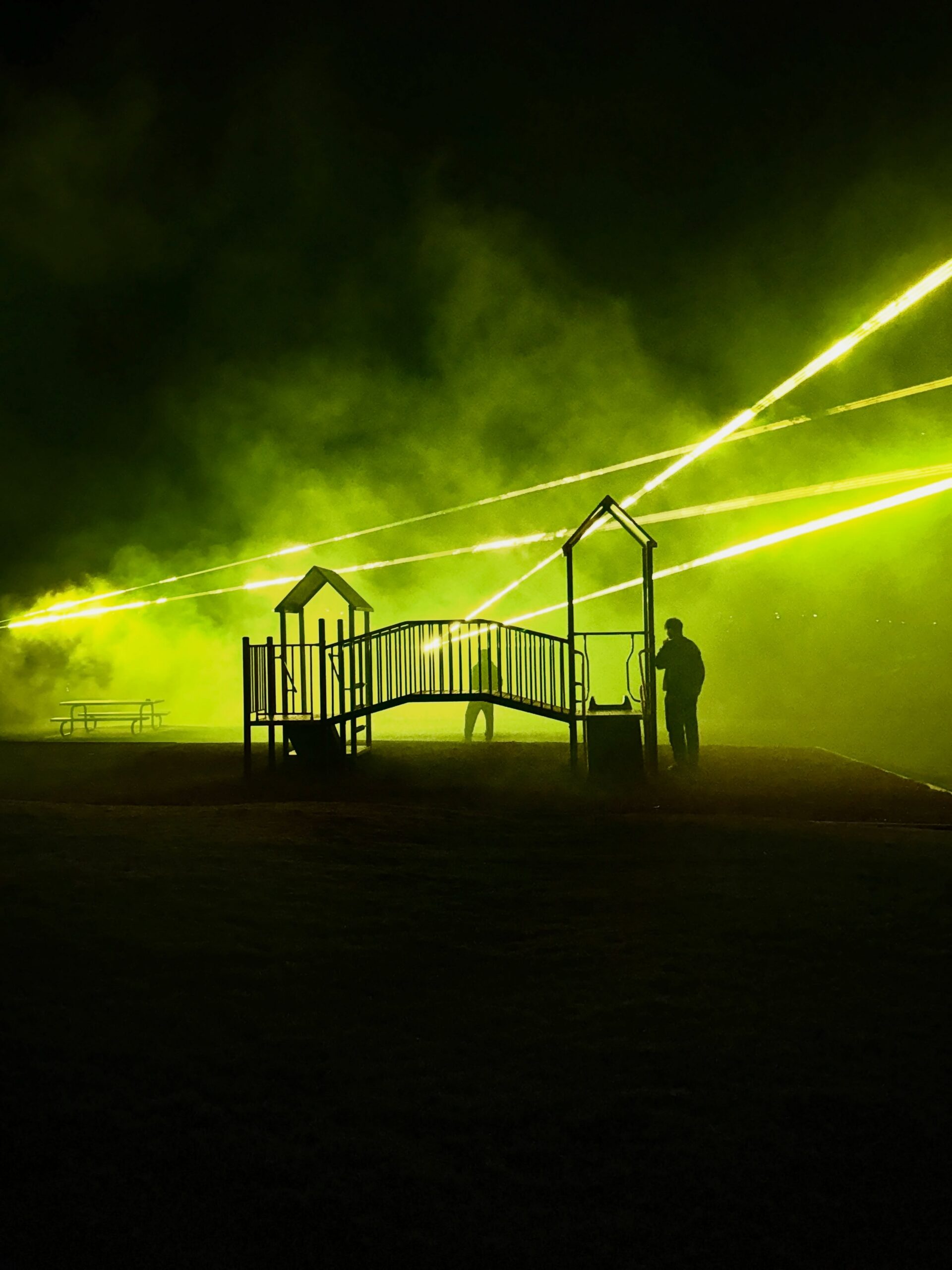
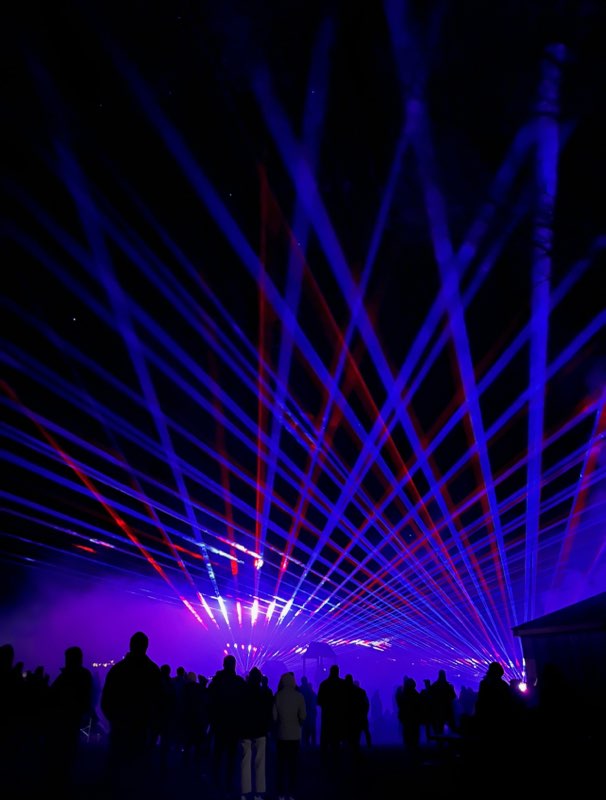
At 6.30pm, Lions Park becomes Bicheno’s front room. Fold-out chairs crack open across the grass, children cup hot chocolate and Waubs Bay disappears into black. Then the first laser splits the sky. Music surges, colour skims the water and, for 15 minutes, this little East Coast town feels gloriously larger than itself.
We had come for Bicheno Beams, but the show revealed the town around it: inventive, generous and determined to make the Off Season count. The free, family-friendly event returns each year with two alternating light-and-sound shows brought to life by local volunteers. It won Gold in the Festivals and Events category at the 2025 Tasmanian Tourism Awards and holds Sustainable Tourism Accreditation, fitting recognition for a town that has turned the quietest stretch of the calendar into a reason to travel east.
The lights are only the first surprise. Named number one in Australian Traveller’s 2026 list of Australia’s 100 best towns, Bicheno combines abundant seafood, cold-water surf, little penguins and a new generation of winemakers, brewers, distillers and cooks. It sits along Tasmania’s Great Eastern Drive, around two hours from Launceston and two-and-a-half from Hobart, with Freycinet National Park to the south and Douglas-Apsley’s forests and river pools inland.
Regenerative tourism is woven through the trip rather than set aside as a worthy eco itinerary. It appears in compostable coffee cups, cellar doors shared by small producers, wildlife tours funding conservation and local businesses working thoughtfully with the coast around them. The better choice is rarely the boring one. In Bicheno, travelling well tends to come with cinnamon buns, local pinot, maritime whisky and lasers over the bay.

See Bicheno Beams
Bicheno Beams returns to Lions Park each winter, with the free 15-minute performances beginning at 6.30pm. Two different shows alternate across the season, so a second night brings an entirely new display. Selected evenings also feature live musicians and community choirs before the lasers begin. In 2026, Beams ran from 27 June to 25 July and included a raffle for a cabin for two aboard Hurtigruten’s 12-day Coastal Express. Future dates, performers and program details are published through Bicheno Beams.
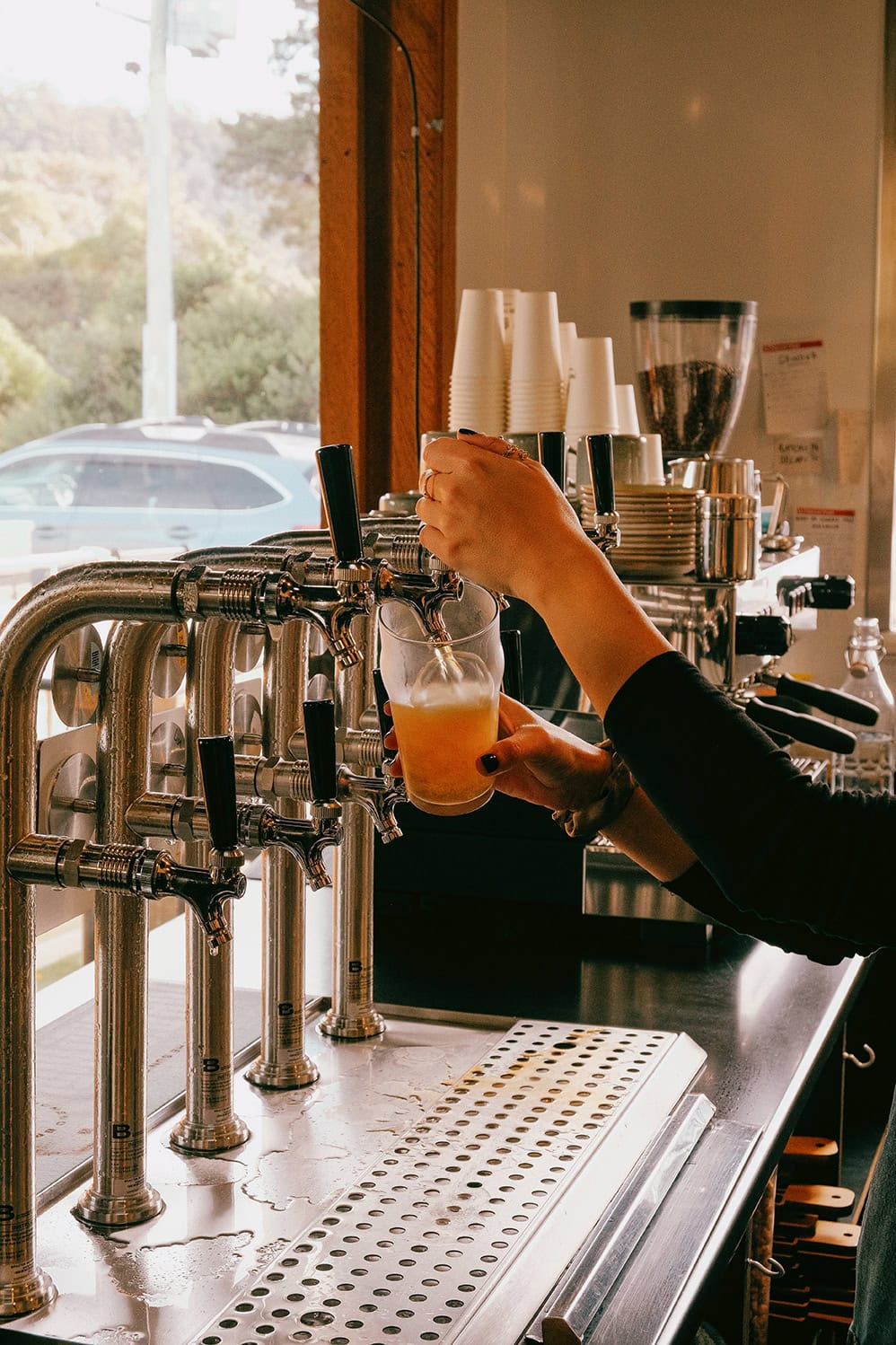
Eat and Drink Close to the Source
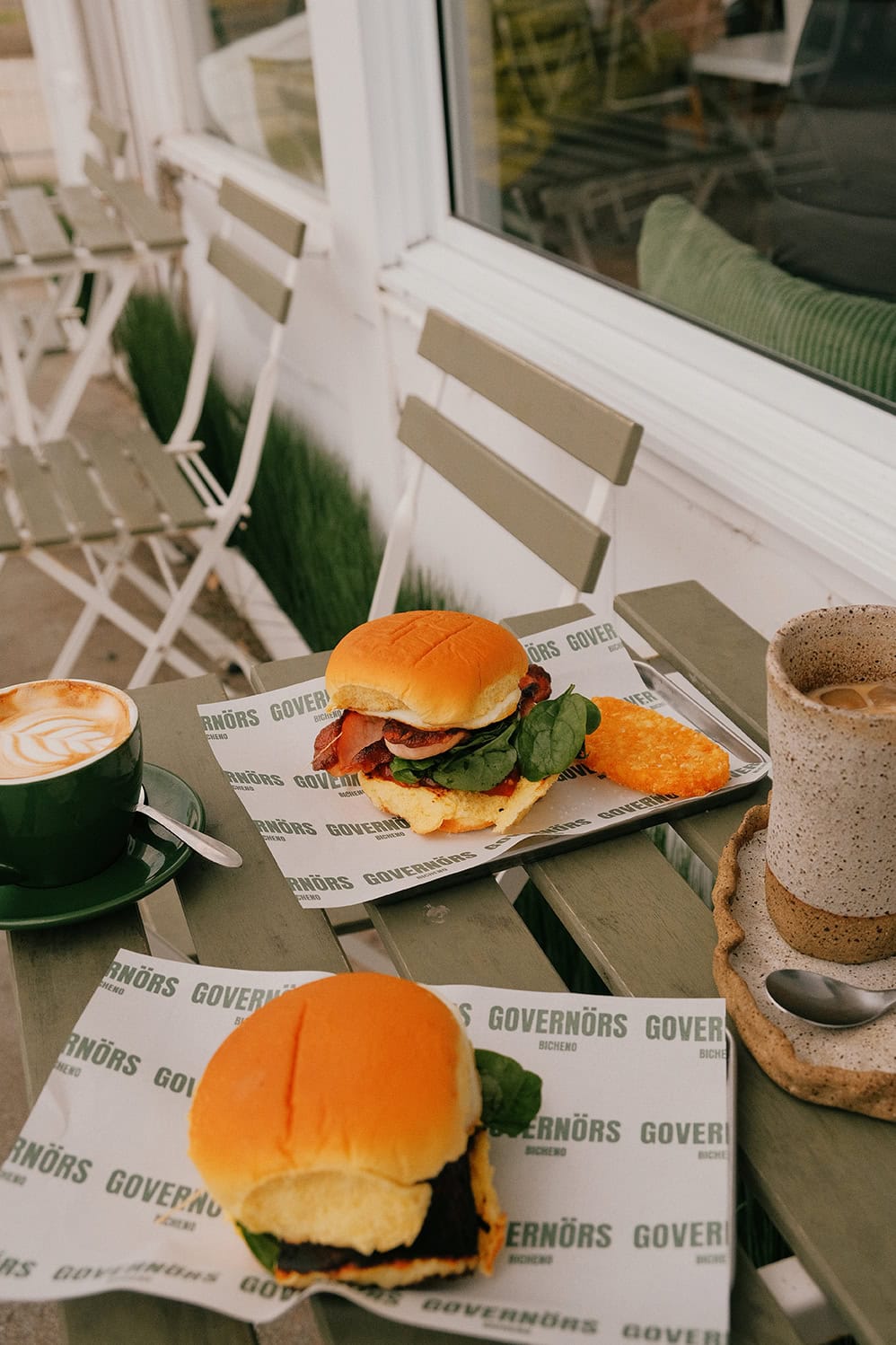
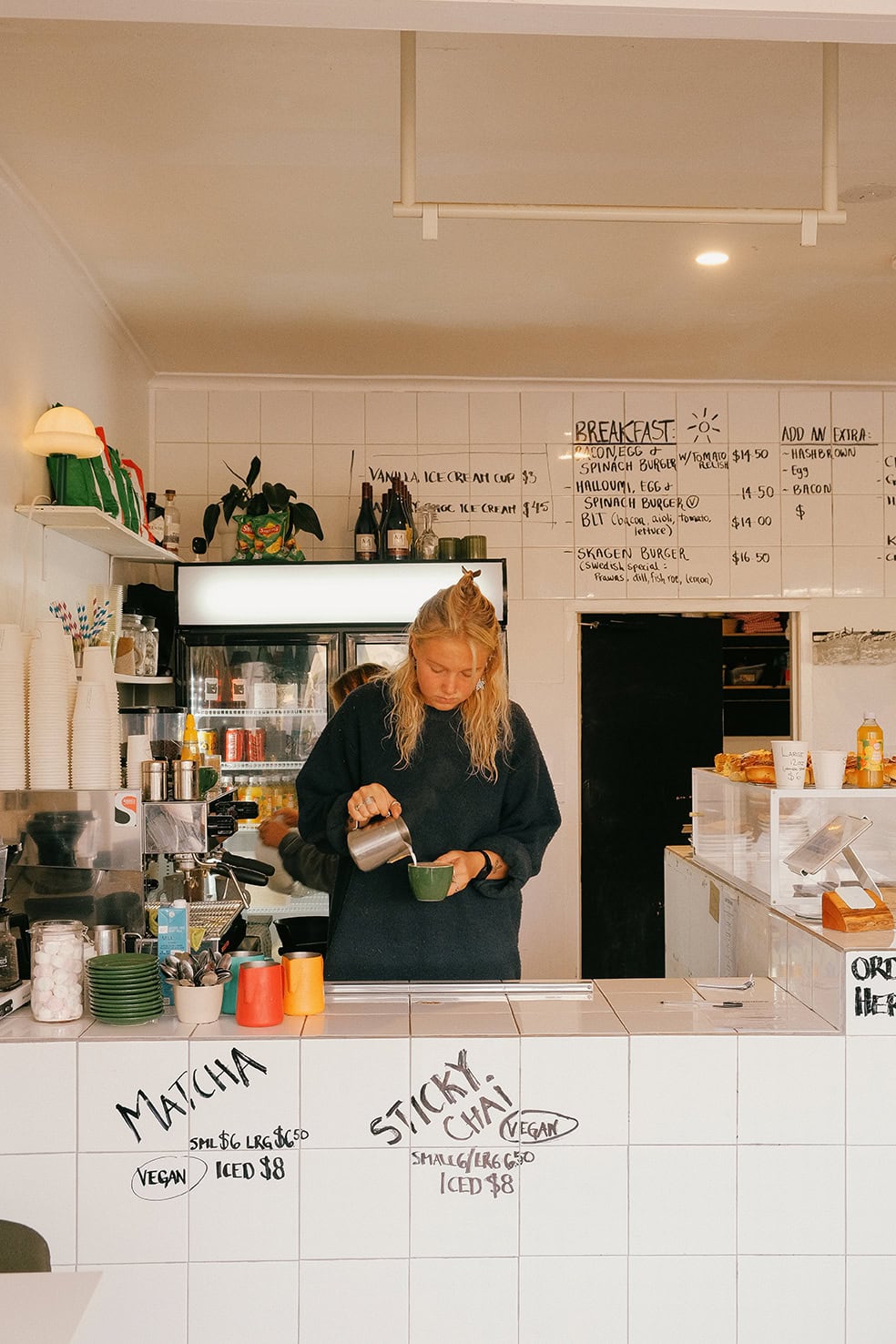
An ocean dip at Waubs Beach or sunrise beside the Blowhole earns breakfast. Governörs is a Swedish-leaning, surf-infused cafe serving familiar morning plates alongside kanelbullar, Swedish cinnamon buns, and skagenröra: prawns, dill, lemon and red onion piled onto toast. Compostable packaging makes it an easy grab-and-go for breakfast by the beach.
Peggy’s is the community-minded, dog-friendly haunt for baked goods, coffee and toasties filled with locally sourced produce. Bring a reusable cup for a discount or pick up a Fressko cup while you are there. Nearby, Gather Espresso pours Tasmanian-roasted coffee from a van beside the community garden on Burgess Street. Swim, coffee, garden: Bicheno mornings sorted.
By afternoon, make for Le Gulch, a former fish factory on the waterfront that now serves as the cellar door for Apsley Gorge wines. Made with minimal intervention and environmentally conscious vineyard practices, the pinot noir and chardonnay are best paired with local oysters, cheese, the resident wine-bar dog and views across to Governor Island’s protected marine reserve.
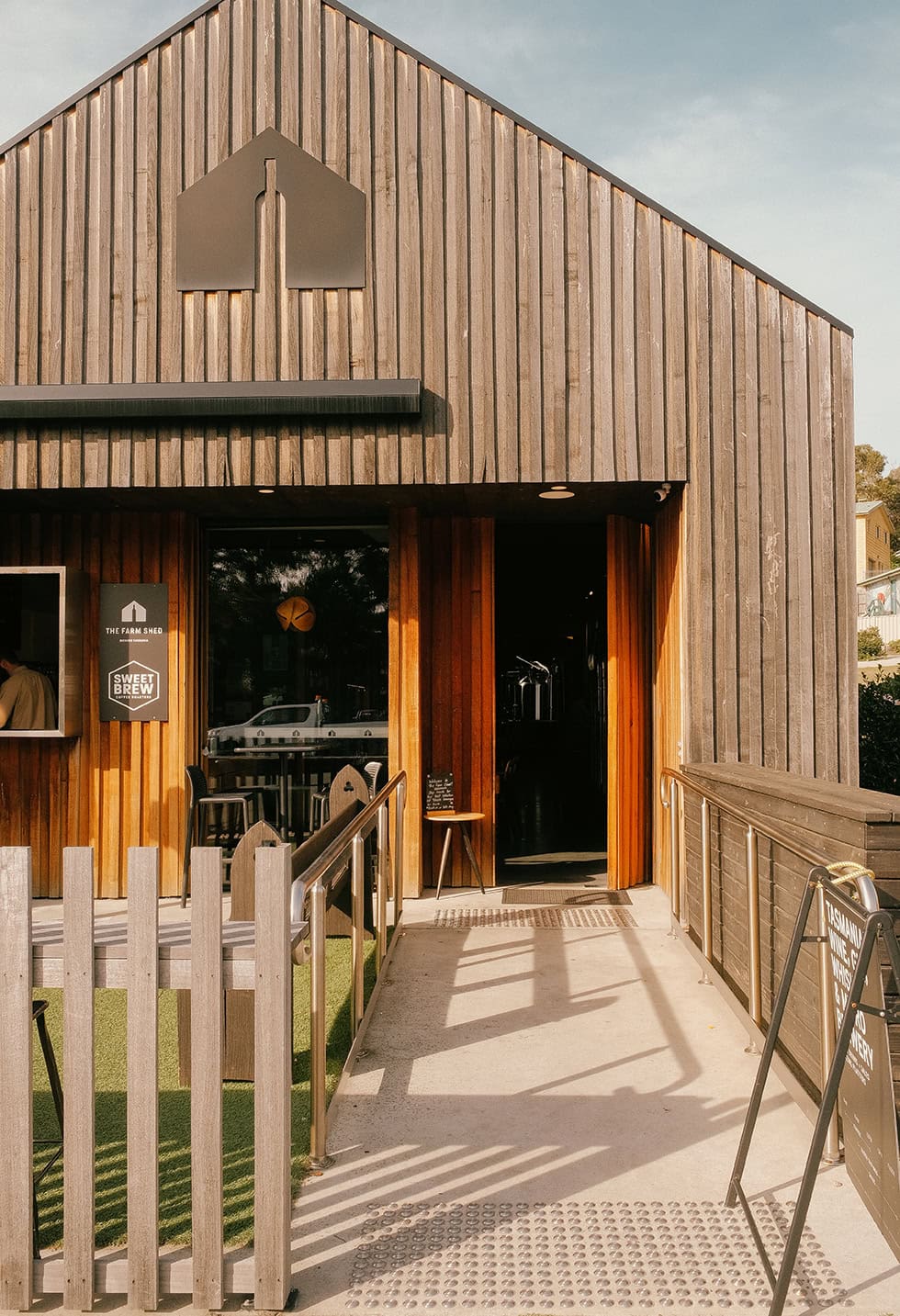
Back in town, The Farm Shed champions East Coast producers while providing a communal cellar door for wineries without one of their own. Its shelves cover more than 90 wines from 24 vineyards, alongside Tasmanian cider, spirits, beer and local provisions.
Bicheno Brewing works from the same building, producing small-batch beer with Tasmanian hops and ingredients. Down a nearby laneway, Bicheno Beer Co runs its own independent brewery, with an imperial stout aged in Waubs Harbour whisky barrels among its cult releases. Dark chocolate, dried fruit, coconut and vanilla make their way into a bottle that could scarcely come from anywhere else.
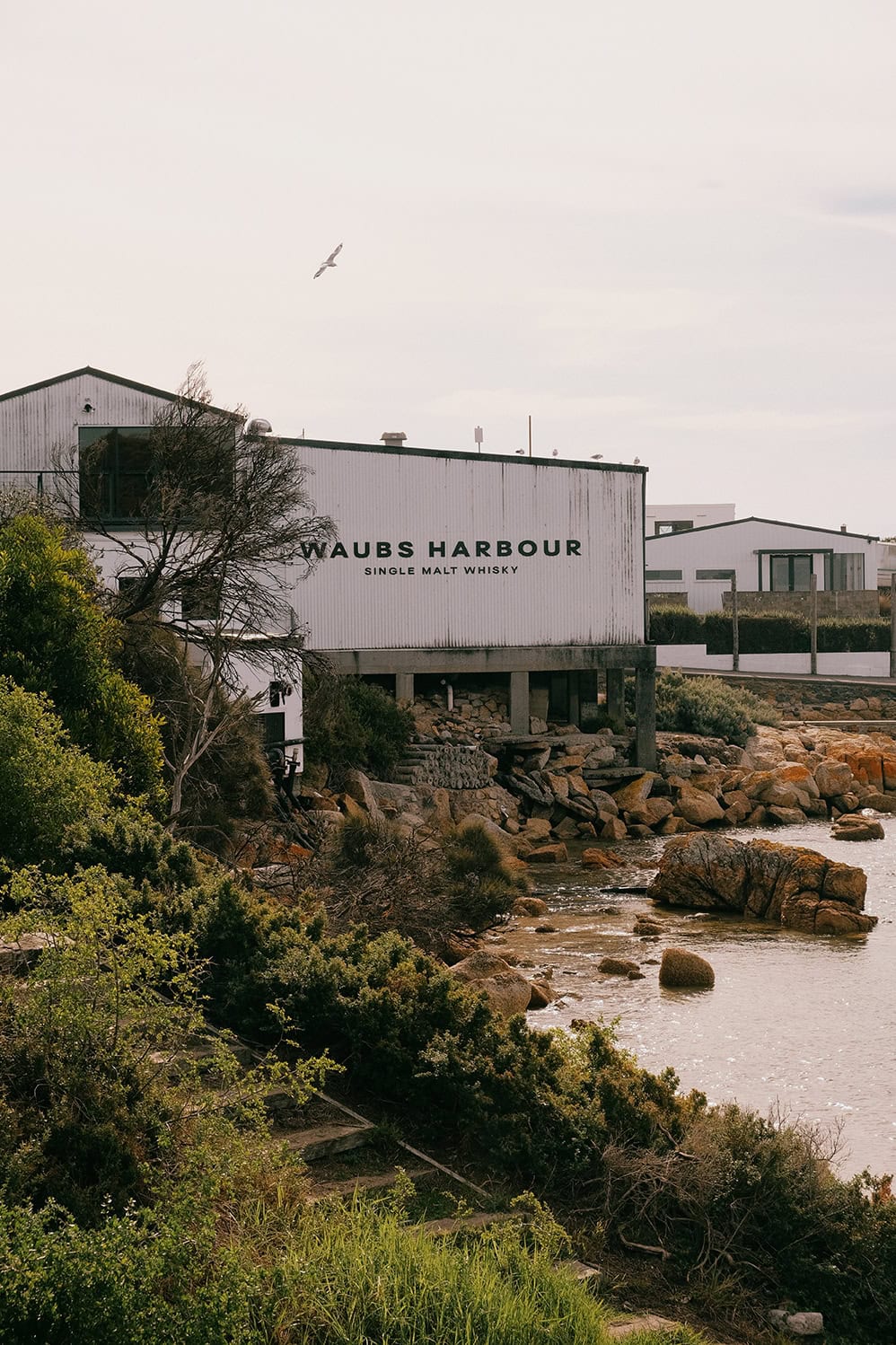
A few minutes away, Waubs Harbour Distillery occupies a converted oyster hatchery metres from the sea. Named in honour of Wauba Debar, the Palawa woman remembered for rescuing two sealers during a storm, the distillery makes maritime single malt whisky shaped by its coastal setting. Ocean air moves through the barrel house, while cold seawater and titanium heat exchange are used to cool production equipment. Special releases have also supported the Great Southern Reef Foundation. Take a tour through the working distillery, then taste the whisky with the harbour still in view.
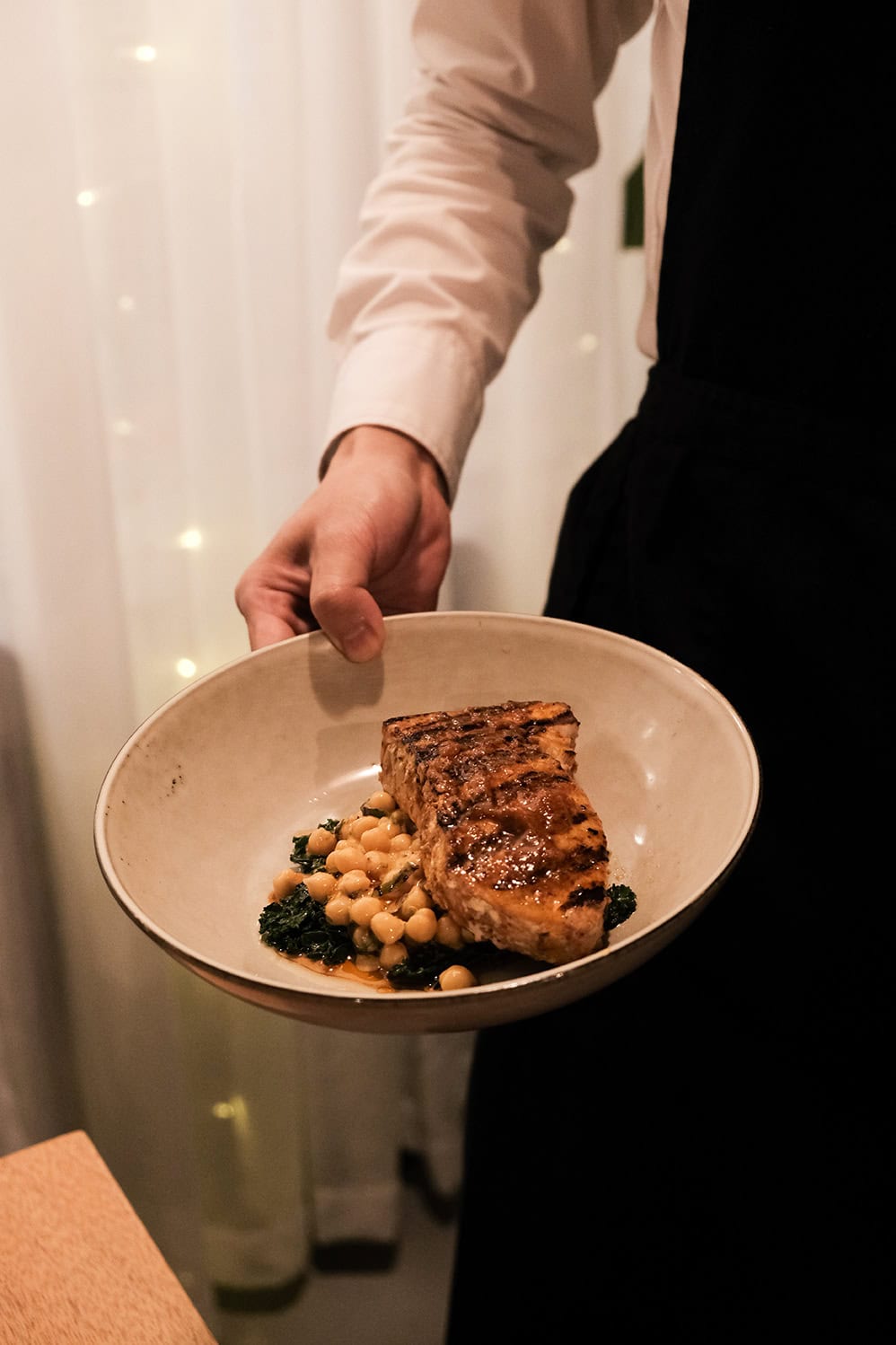
For dinner, Le Coq draws on French technique while keeping Tasmanian seasonality at the centre. Ethical meats and wild-harvested game appear in terrines, tartare and duck parmentier, but the menu travels further: house-made pasta, tuna tataki and braised venison tacos might sit beside baked pumpkin with velouté and spicy caramel.
Take Home Something Made or Found Here
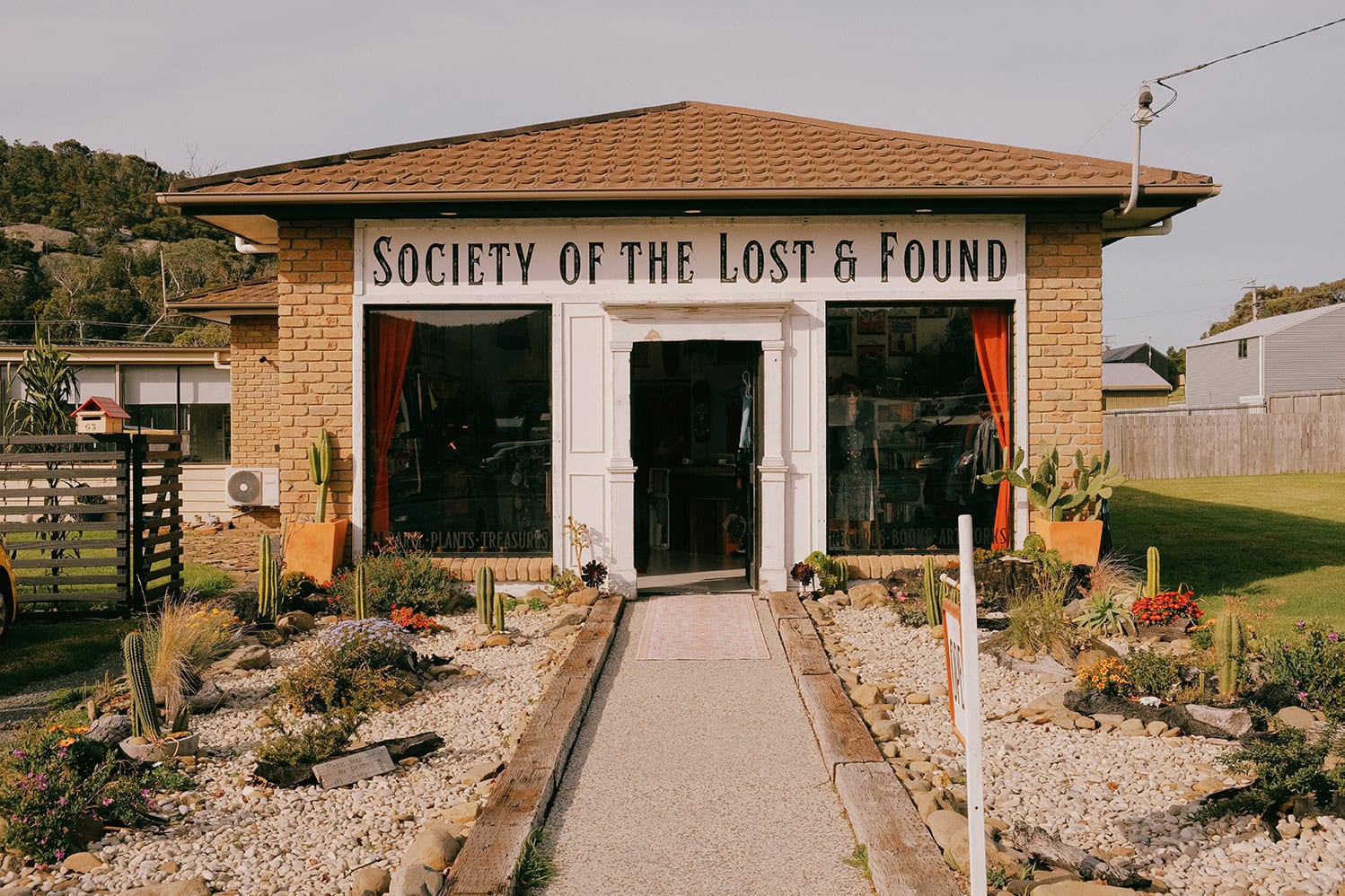
Cacti crowd the frontage of Society of the Lost and Found, a treasure hunt for anyone unmoved by shiny new things. Vintage clothing hangs beside records and cassettes, retro accessories, old matchbooks, badges and curious objects whose histories are half the pleasure. Nothing feels mass-produced or easily replicated; the best souvenir may be the one you never knew existed until it was sitting in your hand.
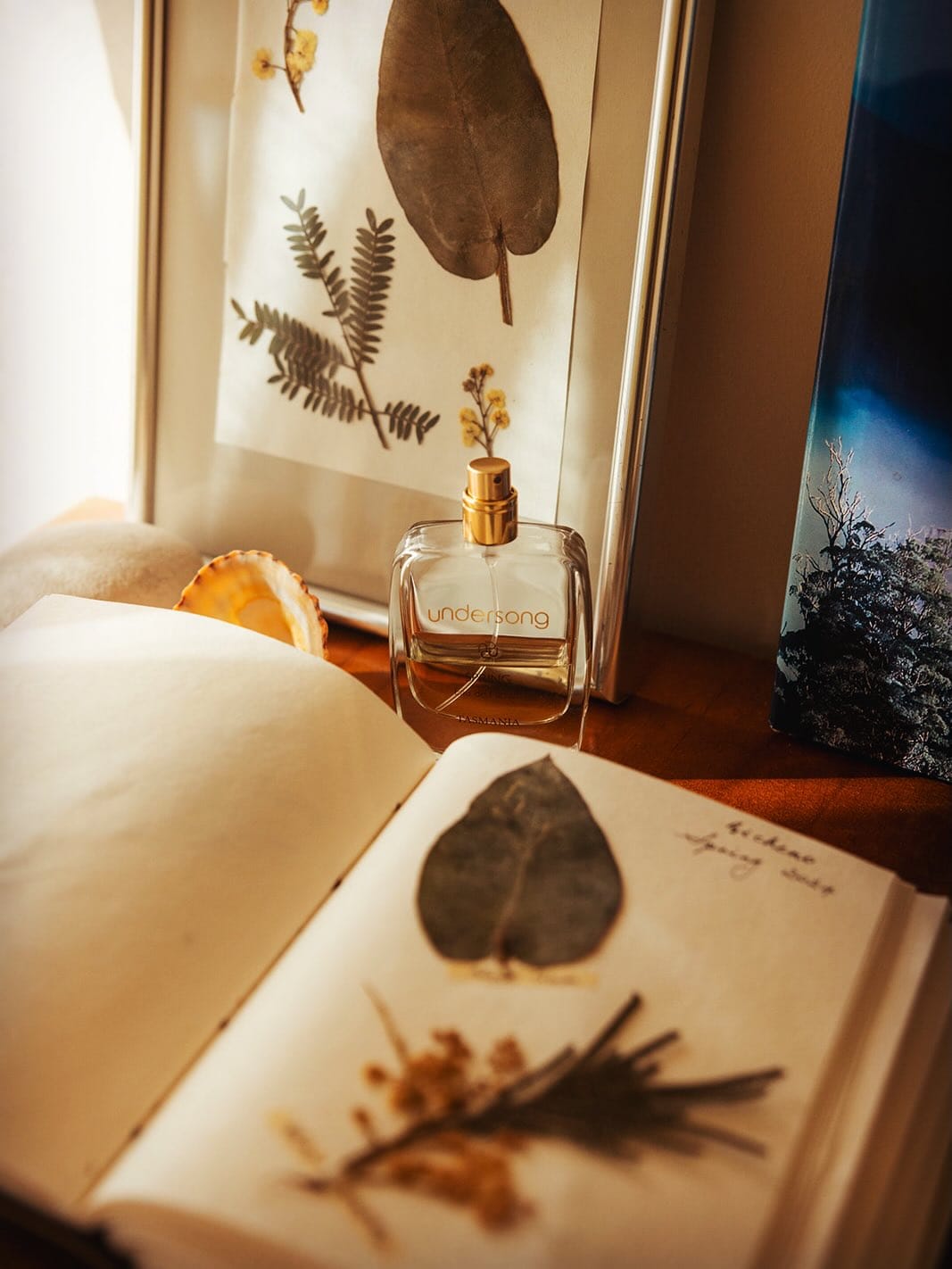
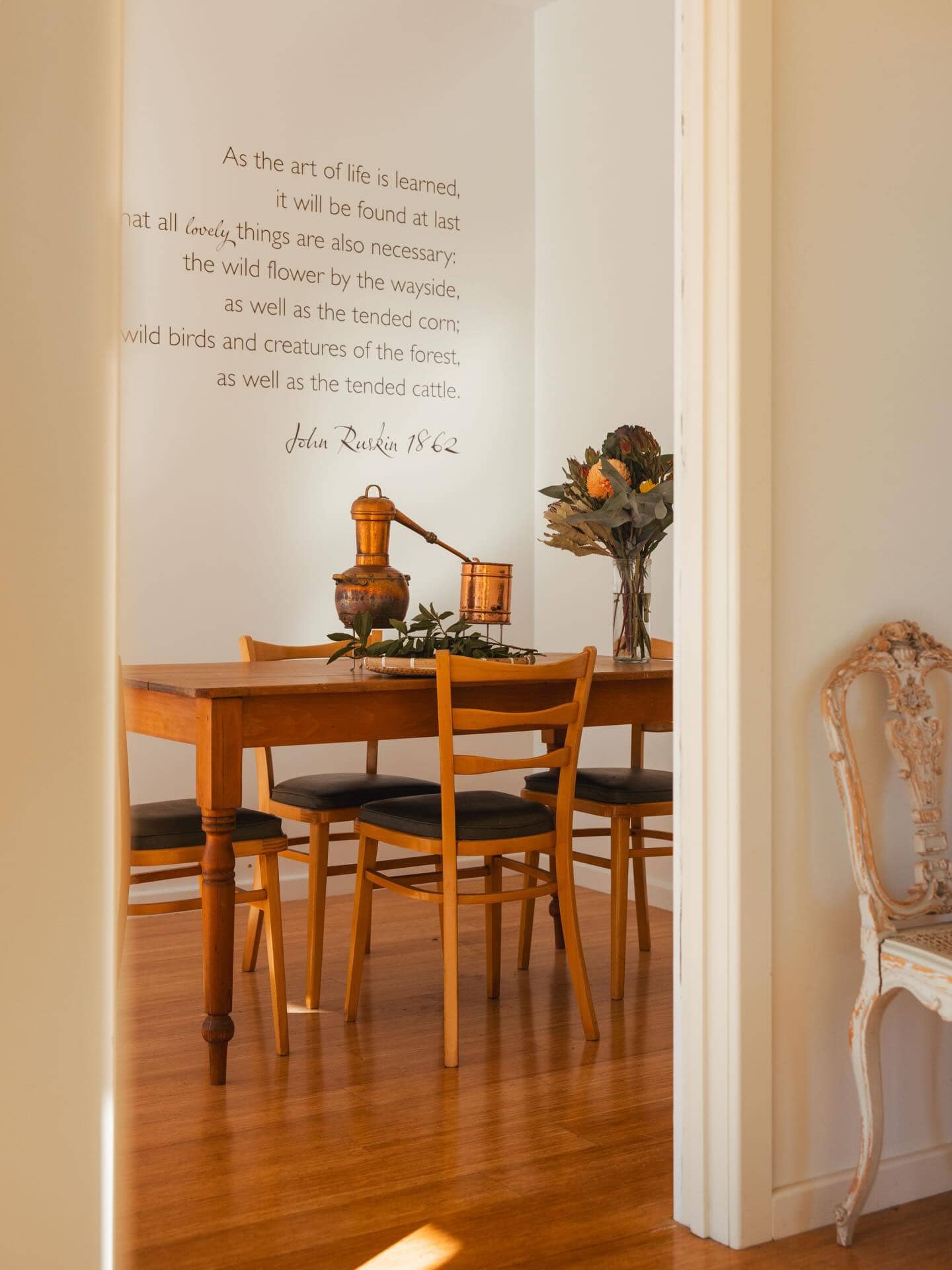
At Undersong, former journalist and Grasse-trained perfumer Hilary Burden translates the East Coast into scent. Forest floor, salt air, wildflowers and Australian botanicals are distilled into natural fragrances that carry a distinct sense of place. Small-group experiences go deeper, introducing the plants, steam-distillation process and stories held within each blend.
Beside the community garden, volunteer-run Makers Creators weaves together wares from Bicheno and across Tasmania. Shelves hold books, handmade jams, baked goods, kombucha, soaps and craft pieces, with regular fundraising supporting local causes and keeping more visitor spending close to home.
Explore the Wild Coast
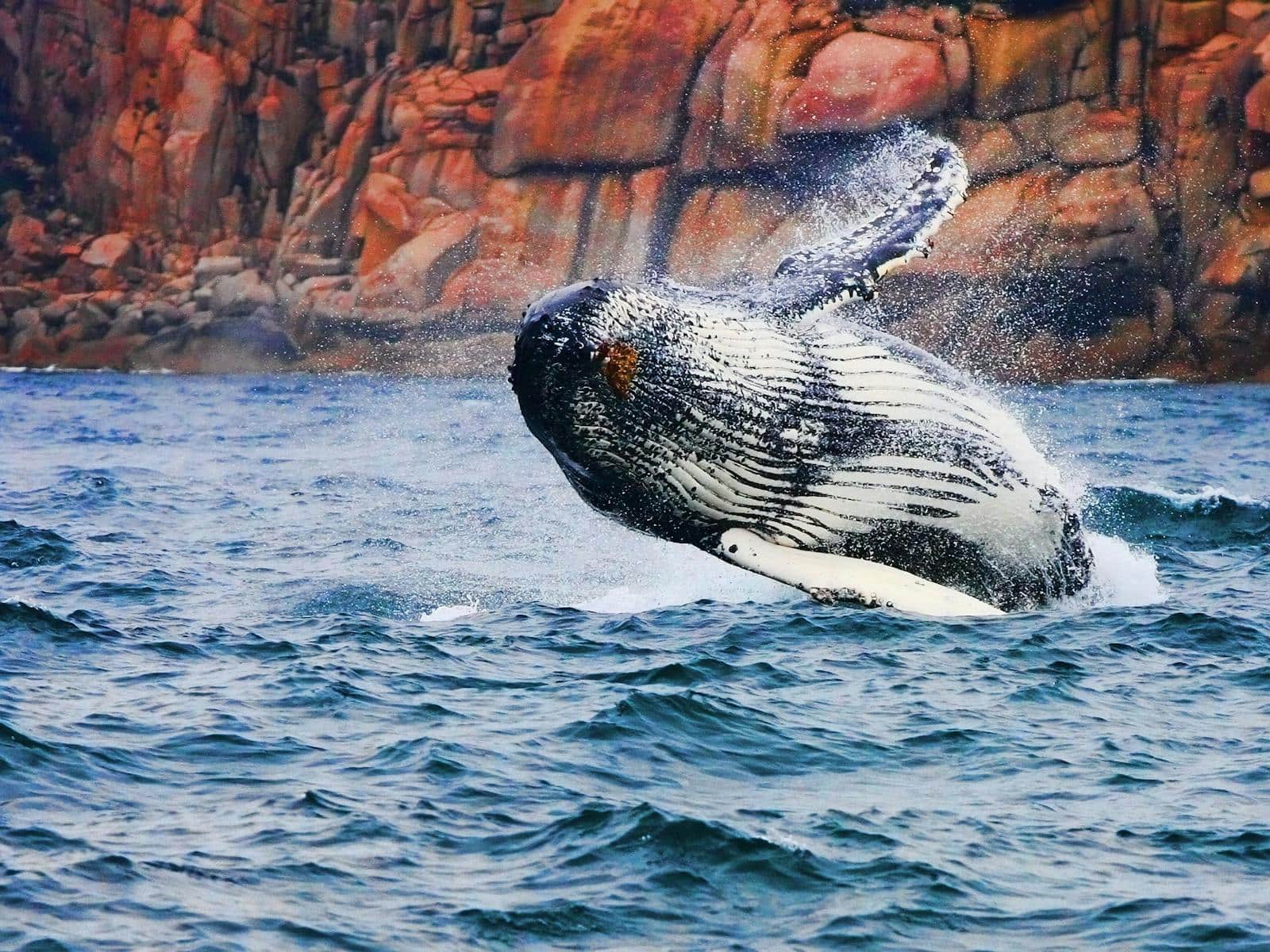
Winter places Bicheno in the path of migrating humpback and southern right whales. The town forms part of the East Coast Whale Trail, with Peggy’s Point among 14 signed lookouts stretching down the coast. Scan the water for blows and flukes, or drive 30 minutes south to Coles Bay and take a Pennicott Wilderness Journey around the Freycinet Peninsula.
The boats travel past granite cliffs and into Wineglass Bay, with possible sightings of sea eagles, seals, dolphins, seabirds and whales in season. Pennicott holds Advanced Ecotourism certification, and a portion of every ticket sold goes to the Pennicott Foundation, supporting conservation and community projects in Tasmania and beyond. For a more leisurely crossing, the adults-only Sky Lounge includes an upper-deck viewing area, morning tea, lunch and Tasmanian drinks.
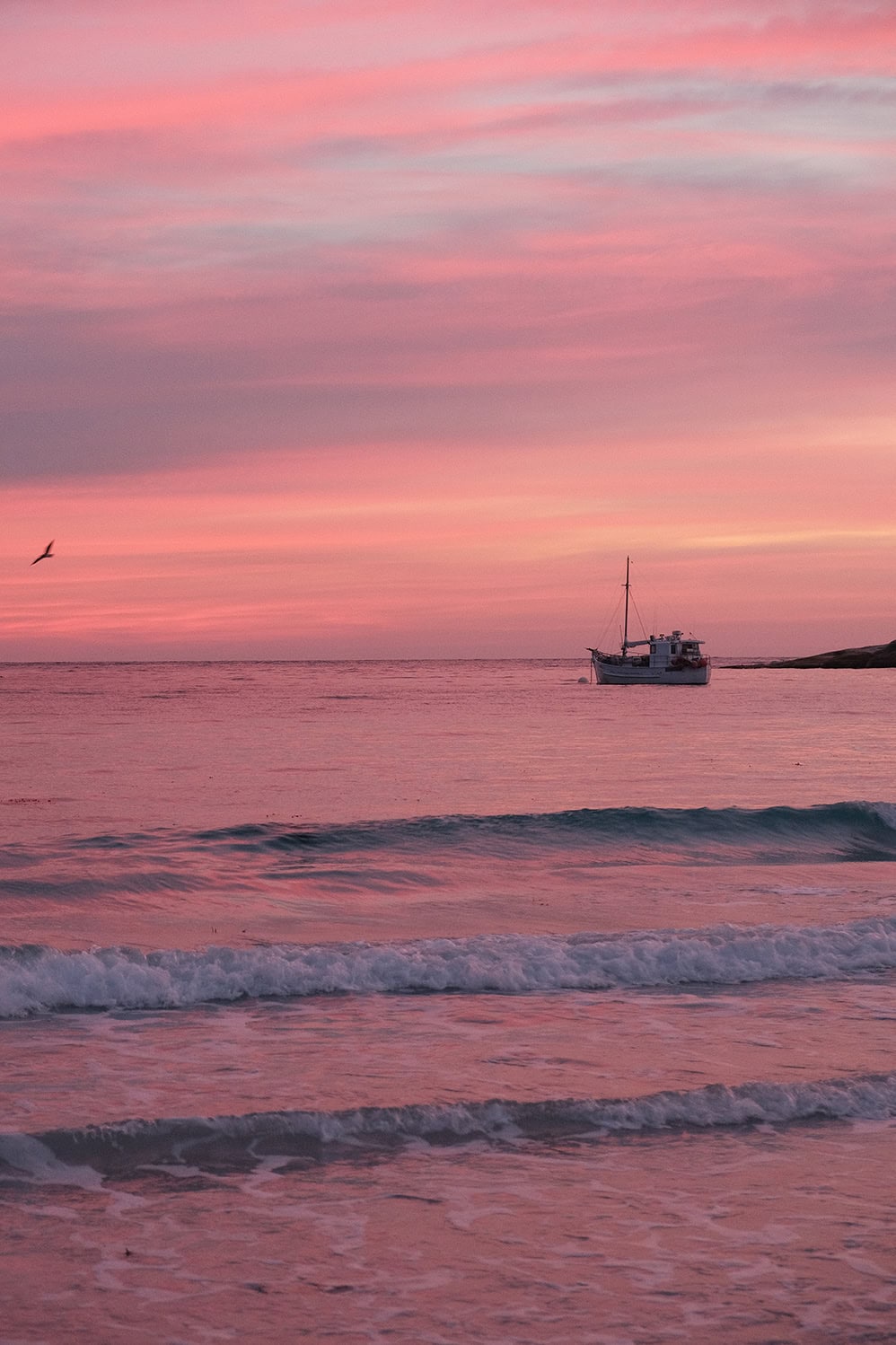
Back in Bicheno, dusk belongs to the little penguins. Bicheno Penguin Tours leads visitors through a rookery established across rehabilitated farmland, using red lights that allow the birds to return from the sea with minimal disturbance. Established in 1992, the operation combines guided encounters with habitat restoration, monitoring and conservation education.
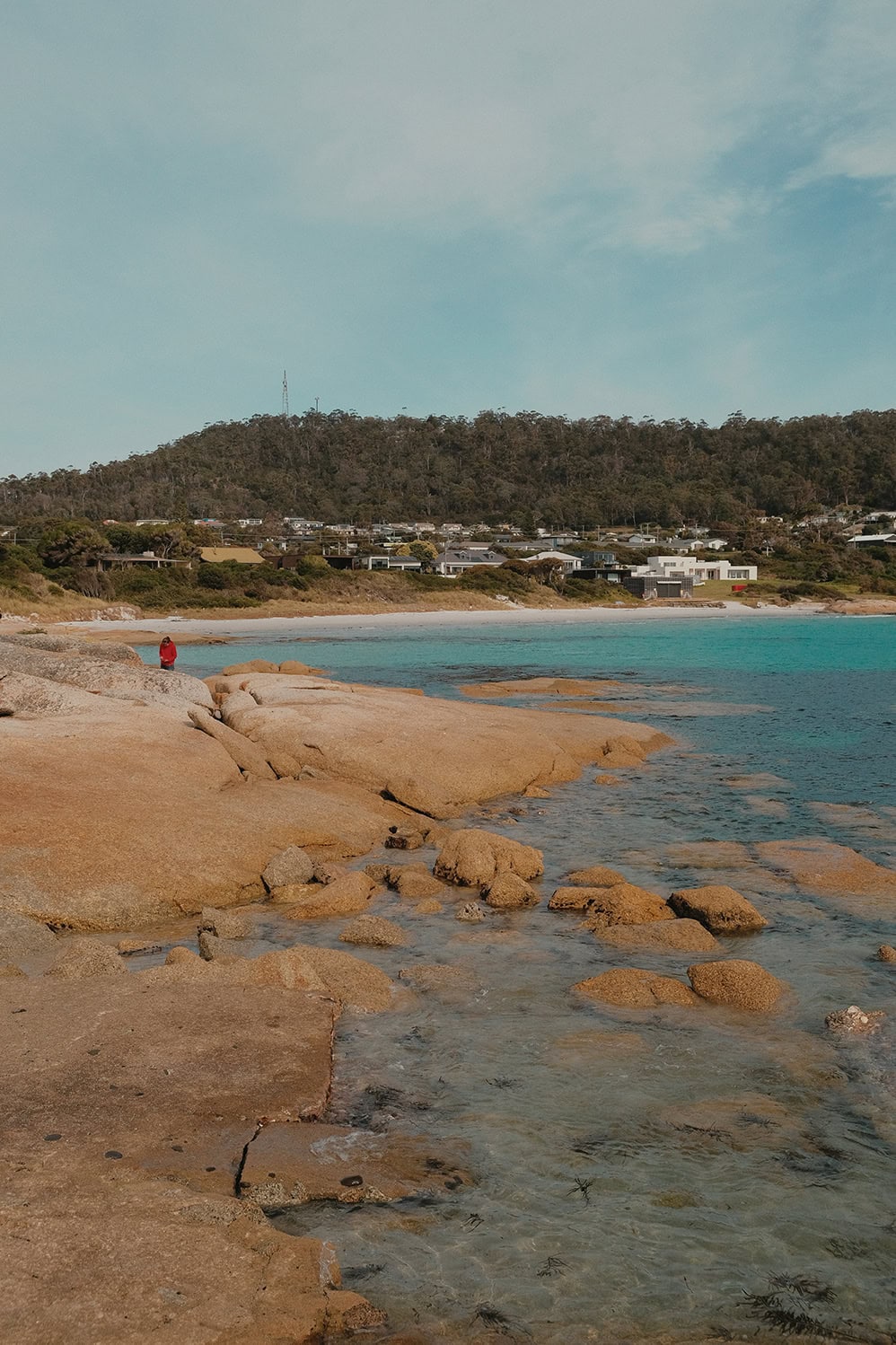
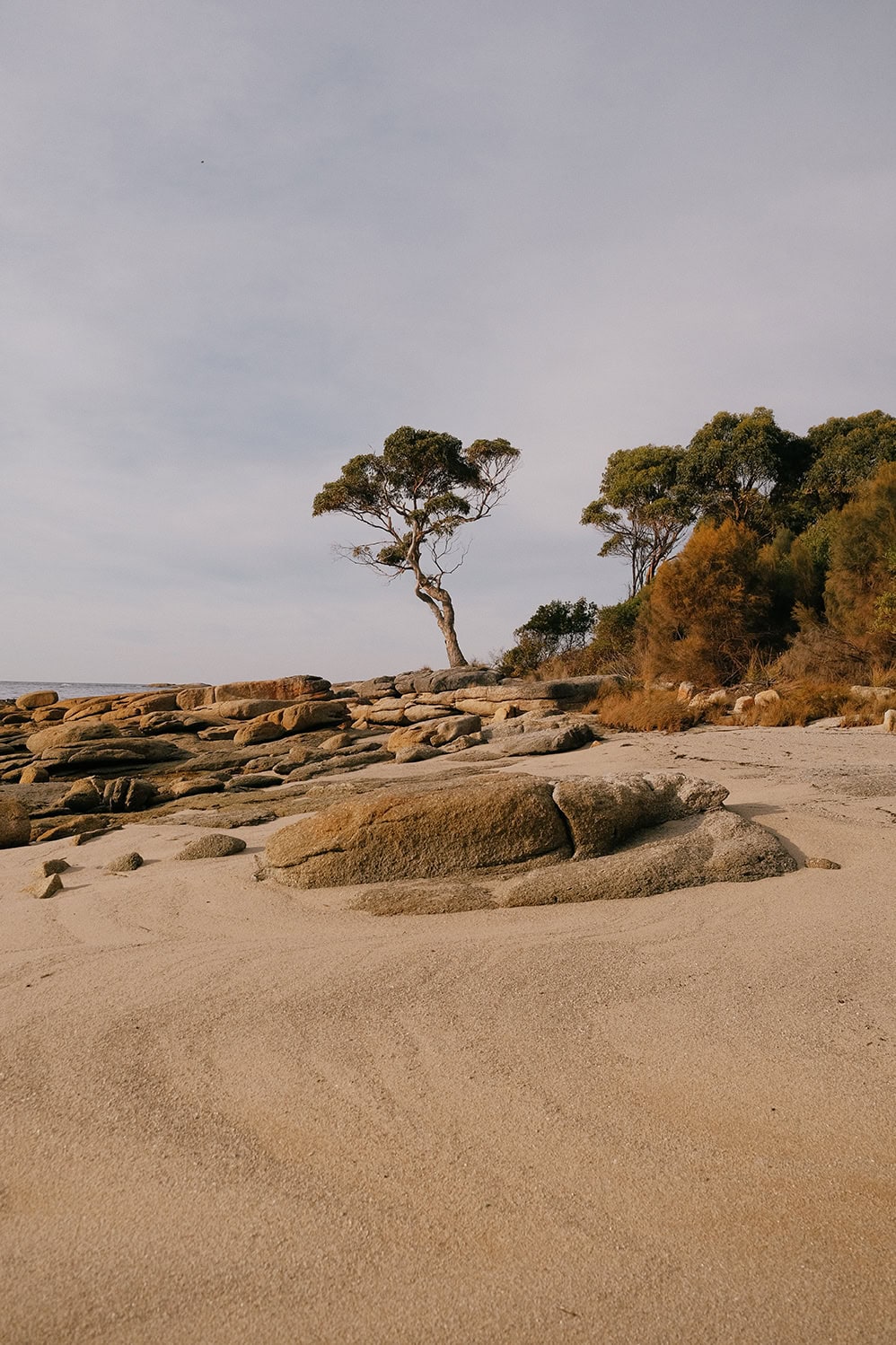
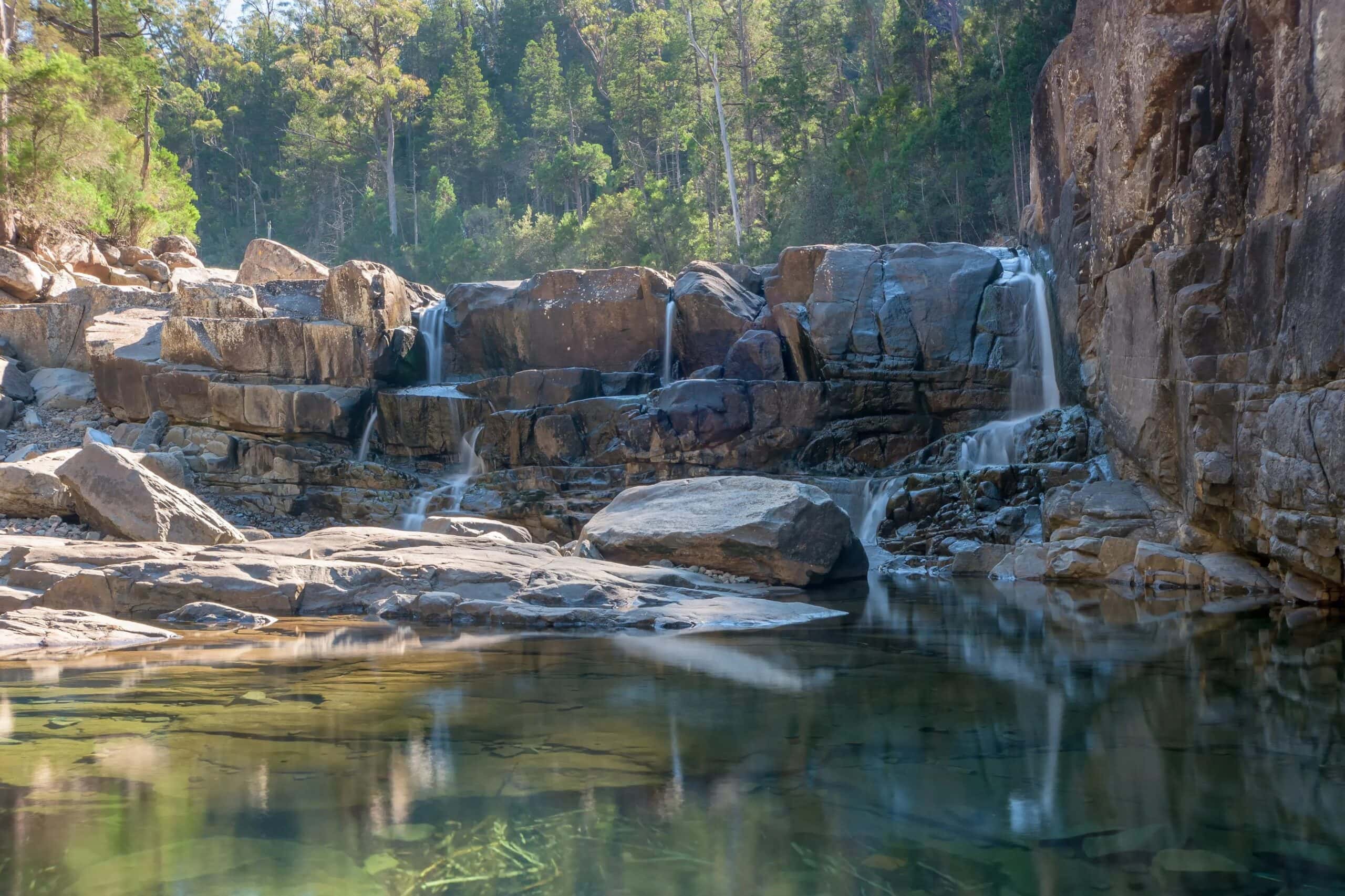
Save daylight for the coast. Waubs Beach sits within town, while Spiky Beach, Kelvedon Beach and the white sands of Friendly Beaches stretch south, with the convict-built Spiky Bridge worth a stop along the way. North towards Seymour, Denison Beach offers another long sweep of pale sand. Winter surfers can pull on a thick wetsuit for Redbill Beach, while walkers can turn inland to Douglas-Apsley National Park for the short trail to Apsley Waterhole or a longer circuit through forest and gorge.

Why Bicheno Stays With You
Bicheno Beams is reason enough to visit each winter. Fifteen minutes of lasers above Waubs Bay sends the crowd back into town hungry, thirsty and wide awake.
Give Bicheno more than a night and it keeps paying you back in details. A Swedish cinnamon bun after a cold swim. A cellar door shared by wineries too small to open their own. Whisky cooled by the sea. Perfume distilled from East Coast plants. A volunteer shop funding local causes. Penguins returning across land restored for them.
Regenerative tourism can sound like homework. Bicheno makes it feel like the richer way to travel: closer to the place, more memorable and far more delicious.
Ready to stay longer? Explore our full Bicheno guide for more places to eat, drink and wander, then keep following the cold south with our guide to winter in Tasmania. Fewer crowds, sharper light, migrating whales, fireside dining and landscapes at their wildest make it the season that shows the island at its best.