Subscribe


 Subscribe
Tasmania in Winter: 10 Reasons You Need to Visit During the ‘Off-Season’
From cosy stays to wild walks and celebrations of art and culture, here are all the reasons why Tasmania in winter hits different.

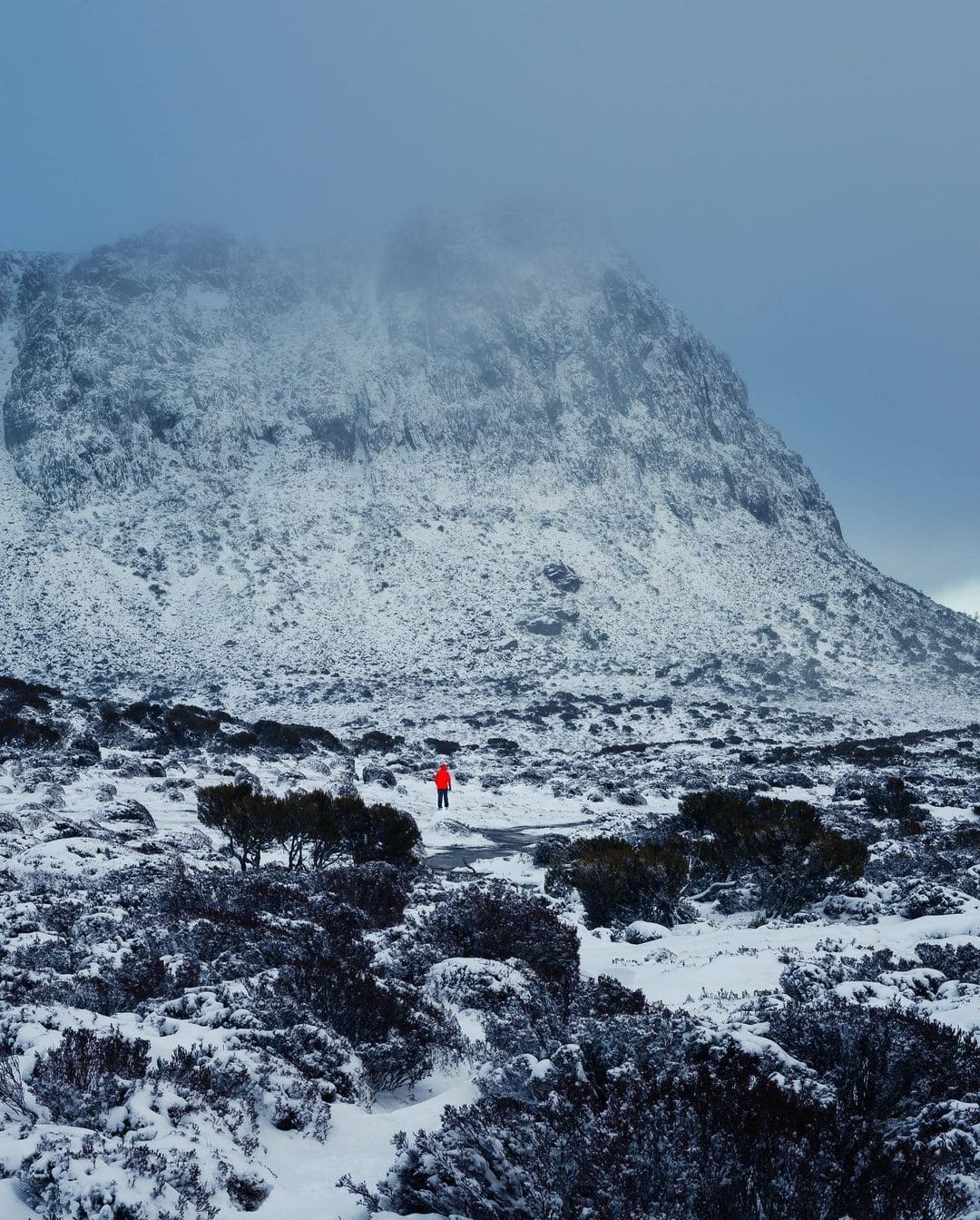
Winter may be Tasmania’s so-called off season, but the island has other ideas. This is when the state becomes its most atmospheric: snow-dusted peaks, fire-lit stays, cold-water oysters, truffle hunts, whisky tastings, glowing skies and festivals that make the dark feel like the whole point.
While some parts of Australia get caught out by the cold, Tasmania is built for it. Fires are lit, pubs are cosy, kitchens turn hearty, and the puffer jacket becomes less of a fashion choice than a local uniform. Outside, the air is crisp enough to wake you up; inside, there’s usually a glass of pinot, a roaring hearth or something buttered, braised or freshly shucked within reach.
So, before you write winter off as a reason to stay home, consider this your cue to head south. From Bicheno Beams and Dark Mofo to snowy national parks, wild waterfalls and romantic stays made for hibernation, here are 10 reasons Tasmania is one of Australia’s most rewarding winter escapes.
The cosy and romantic stays
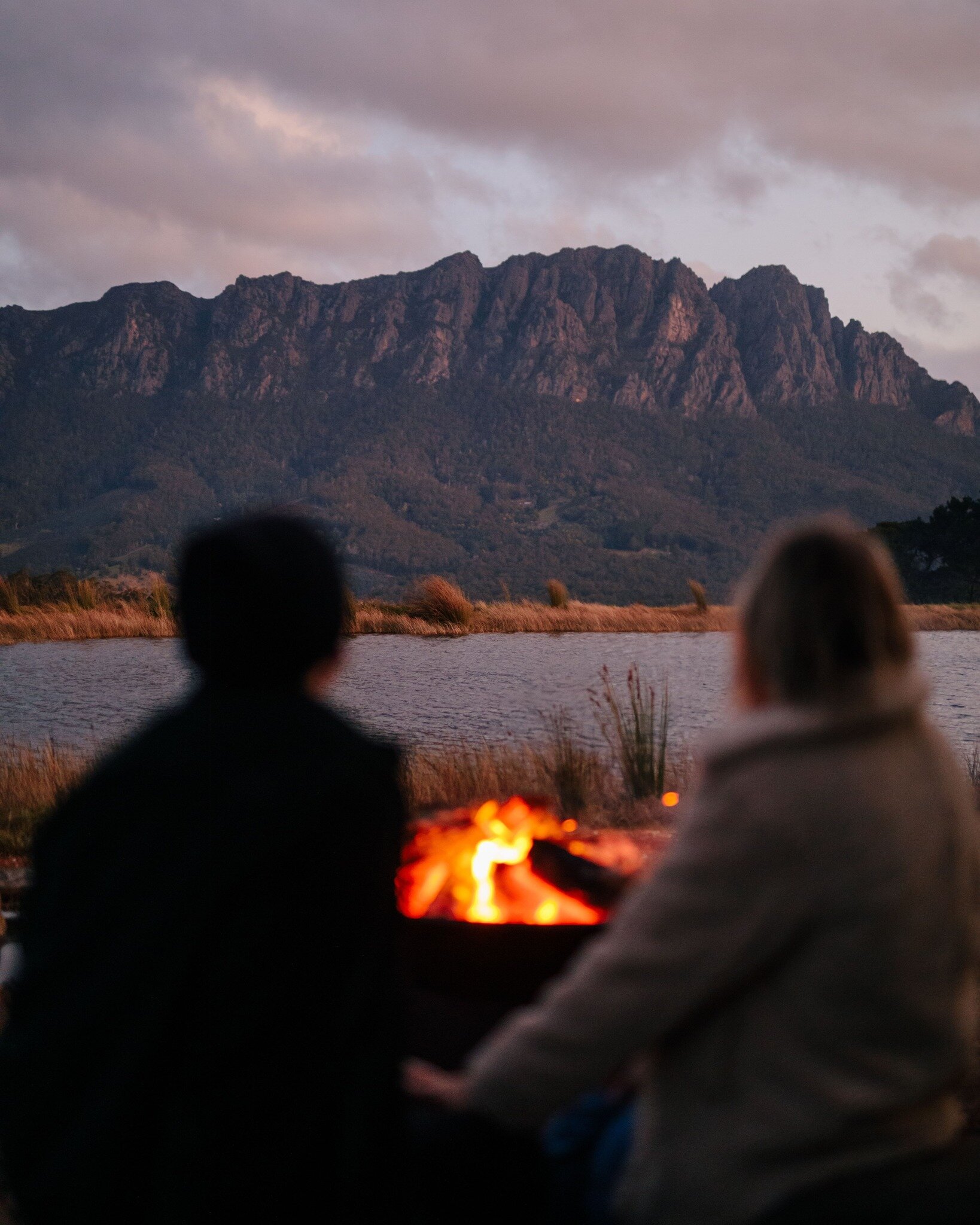
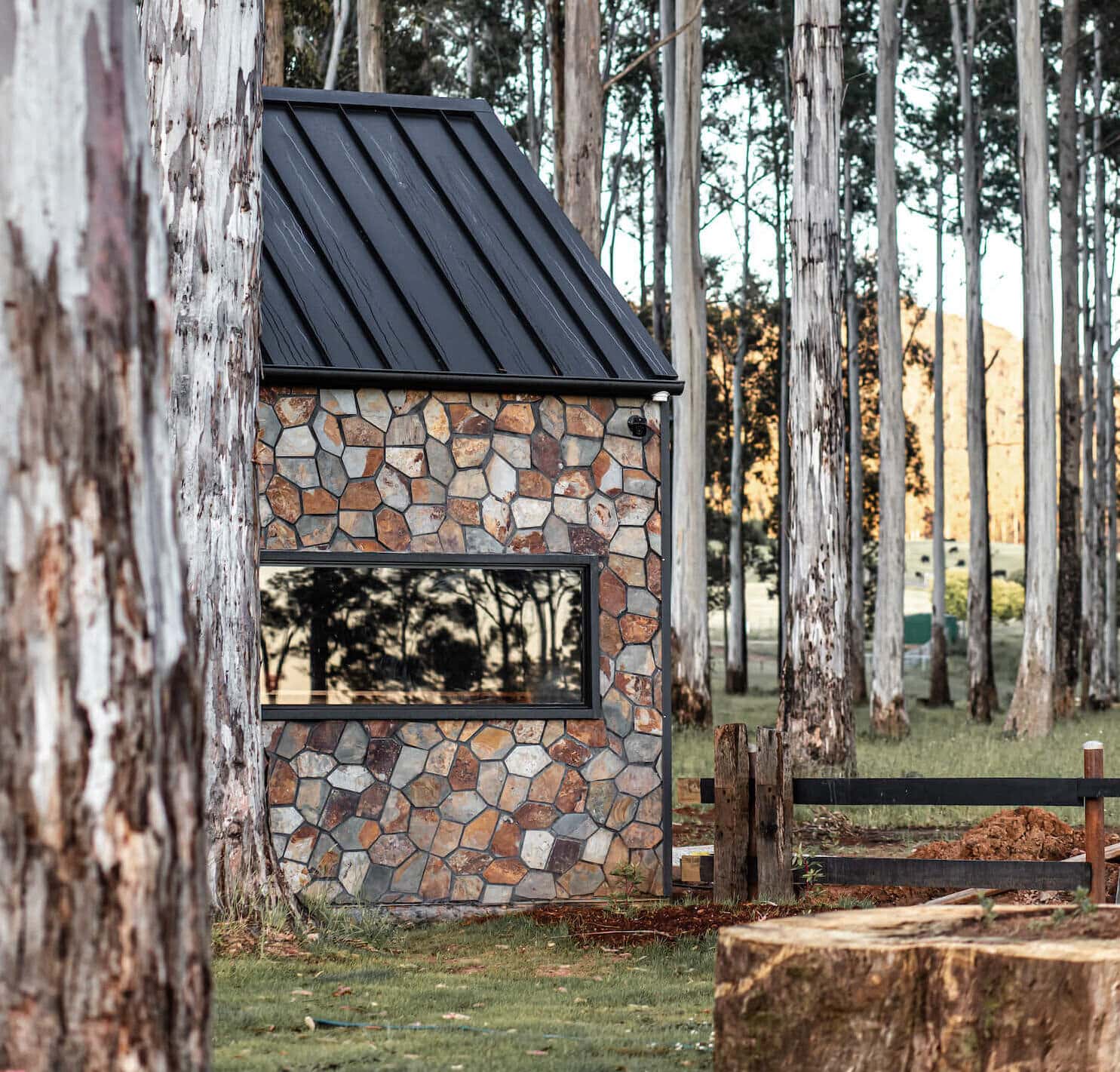
Tasmania in winter was made for rooms with weather at the windows and firelight on the walls. The island’s best stays seem to know this instinctively: shacks above a grey sea, cabins among wet eucalypts, retreats placed where the road thins and the sky grows large. At Whale Song Shack in Falmouth, Captain’s Rest in Strahan, The Burrows in Swansea and Eagles Nest Retreat in West Kentish, winter becomes less a season than a state of mind. Days are for waterfalls, cellar doors, cold-water oysters and roads shining after rain. Evenings belong to local pinot, woollen socks, good sheets and the slow pleasure of nowhere urgent to be.
With fewer travellers moving through the island and off-season value to be found, a simple stay can become the reason for the whole trip.
The out-of-this-world stargazing
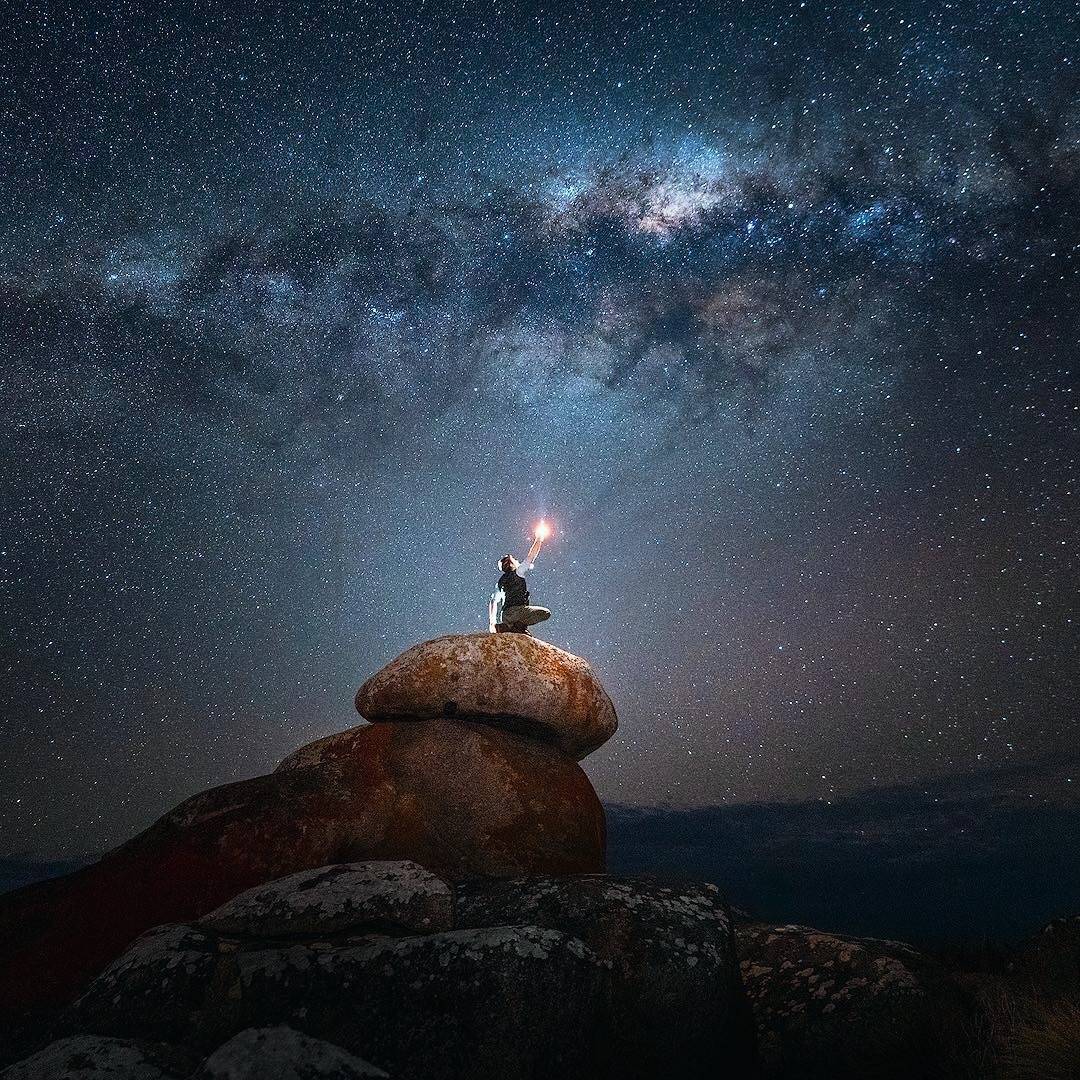
Tasmania wears the dark beautifully. In winter, when the nights stretch longer and the air turns clean and cold, the island becomes one of Australia’s finest places to look up. The Aurora Australis is never something to bank on, but Tourism Tasmania notes your best chance comes in the cooler months from May to September, when darker skies and low light pollution work in your favour. Try kunanyi/Mount Wellington, Bruny Island, South Arm, Cockle Creek, Freycinet or Stanley, then let patience do the rest. For something more guided, Starlit Tasmania runs small-group night-sky sessions near Sorell through winter, with telescope viewing, constellation stories, deep-sky moments, hot drinks and a photograph of the sky included.
It’s less box-ticking, more standing under the Milky Way while Tasmania reminds you how small, lucky and wide awake you are.

The oysters, truffles and salty winter rituals
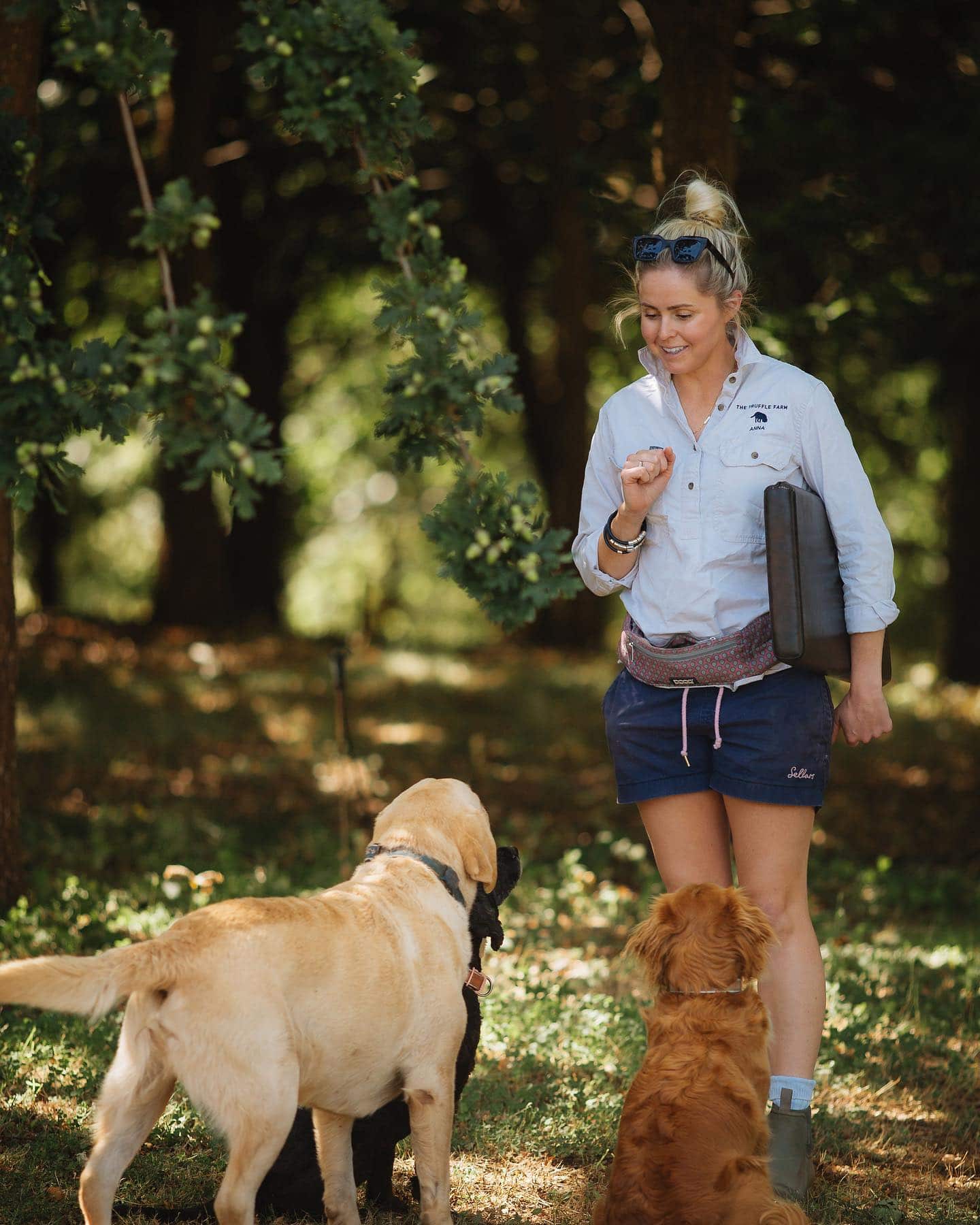
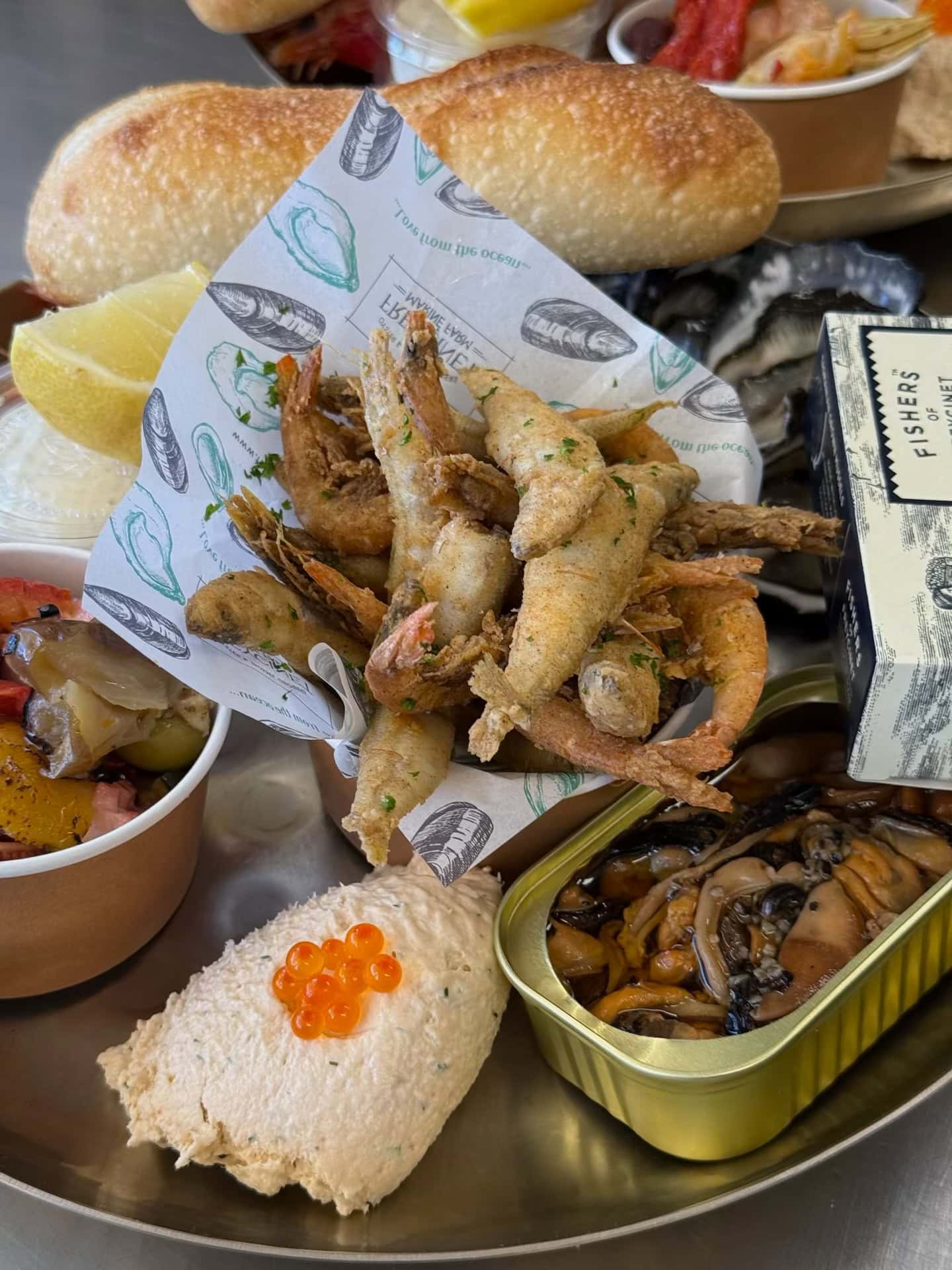
Tasmania’s winter table comes with salt on its cuffs: cold water, black soil, butter, smoke and weather. On the East Coast, Freycinet Marine Farm is the place for oysters, mussels and a winter scallop pie near the national park, while Oyster Bay Tours takes you into the water in waders for shucking lessons, natural oysters, steamed mussels and local riesling. Inland, The Truffle Farm near Deloraine sends dogs through the soil in search of black truffles, with firepit tastings to follow, while Truffledore near Devonport turns the hunt into a two-night stay with farm tours, dog training and dinner by the fireplace. For a saltier detour, visit Tasman Sea Salt to see pure flakes drawn from sea and wind, then carry that coastal mood into Hobart at Kelp Bar, where green laver, wakame and smoked sea salts make their way into the glass. Tasmania in winter tastes briny, earthy and gloriously alive.
The snow season
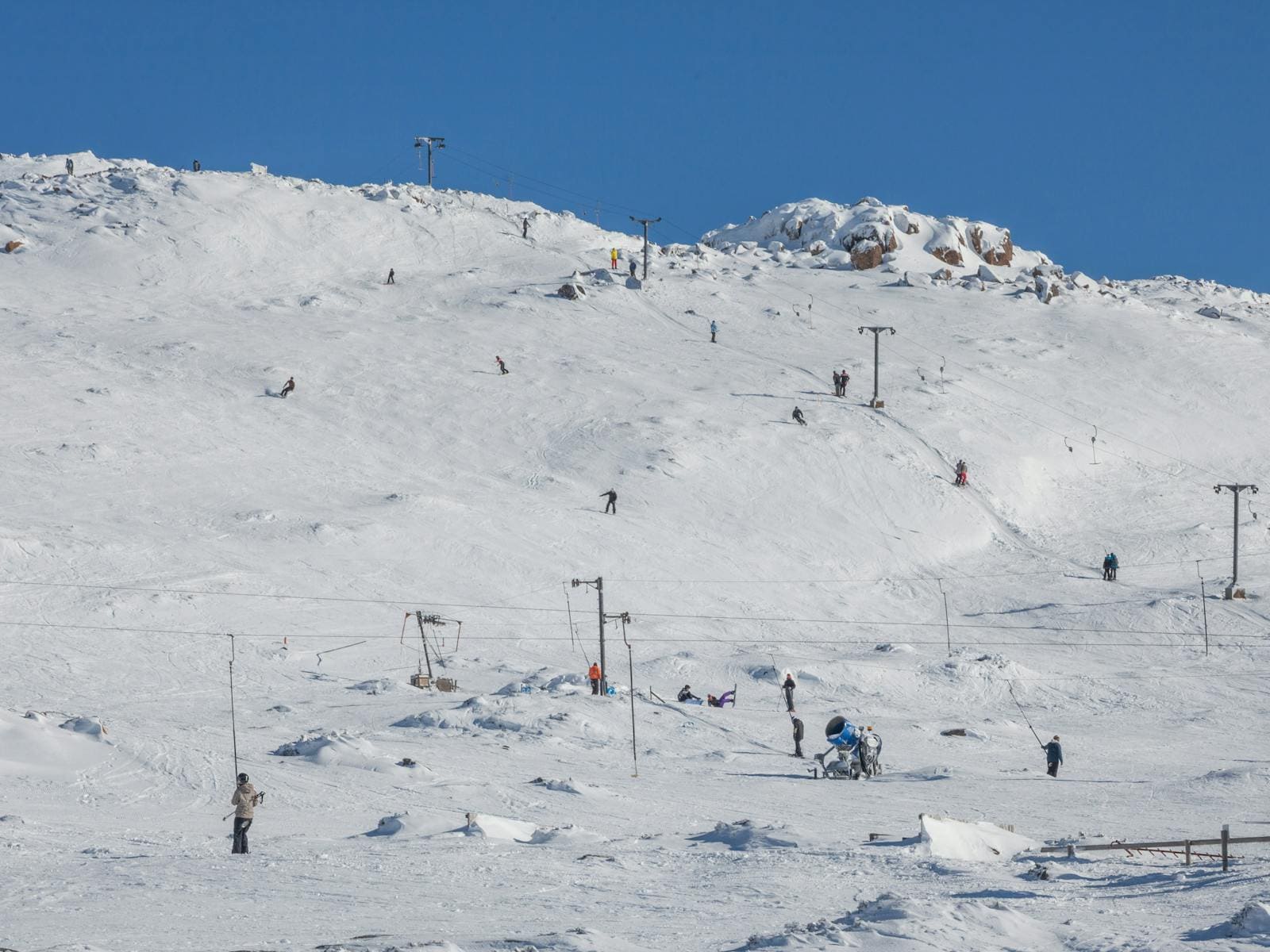
Tasmania does snow with a certain island oddness, less alpine resort machine and more sudden white roads, frosted button grass, woollen weather and mountains that seem to belong to another century. Ben Lomond is the headline act in the north, reached by the famously hair-raising Jacob’s Ladder, with skiing, snowboarding, tobogganing and snow play when the season is on. In the south, Mount Mawson brings a more old-school alpine spirit to Mount Field National Park, while Cradle Mountain, Dove Lake and kunanyi/Mount Wellington can turn white almost overnight when the conditions align.
Pack chains where required, check road closures before you set out and treat the forecast as part of the plot. Tasmania’s snow is not something to command; it arrives on its own terms, which is exactly why it feels so memorable when you catch it.
The winter festivals worth building a trip around
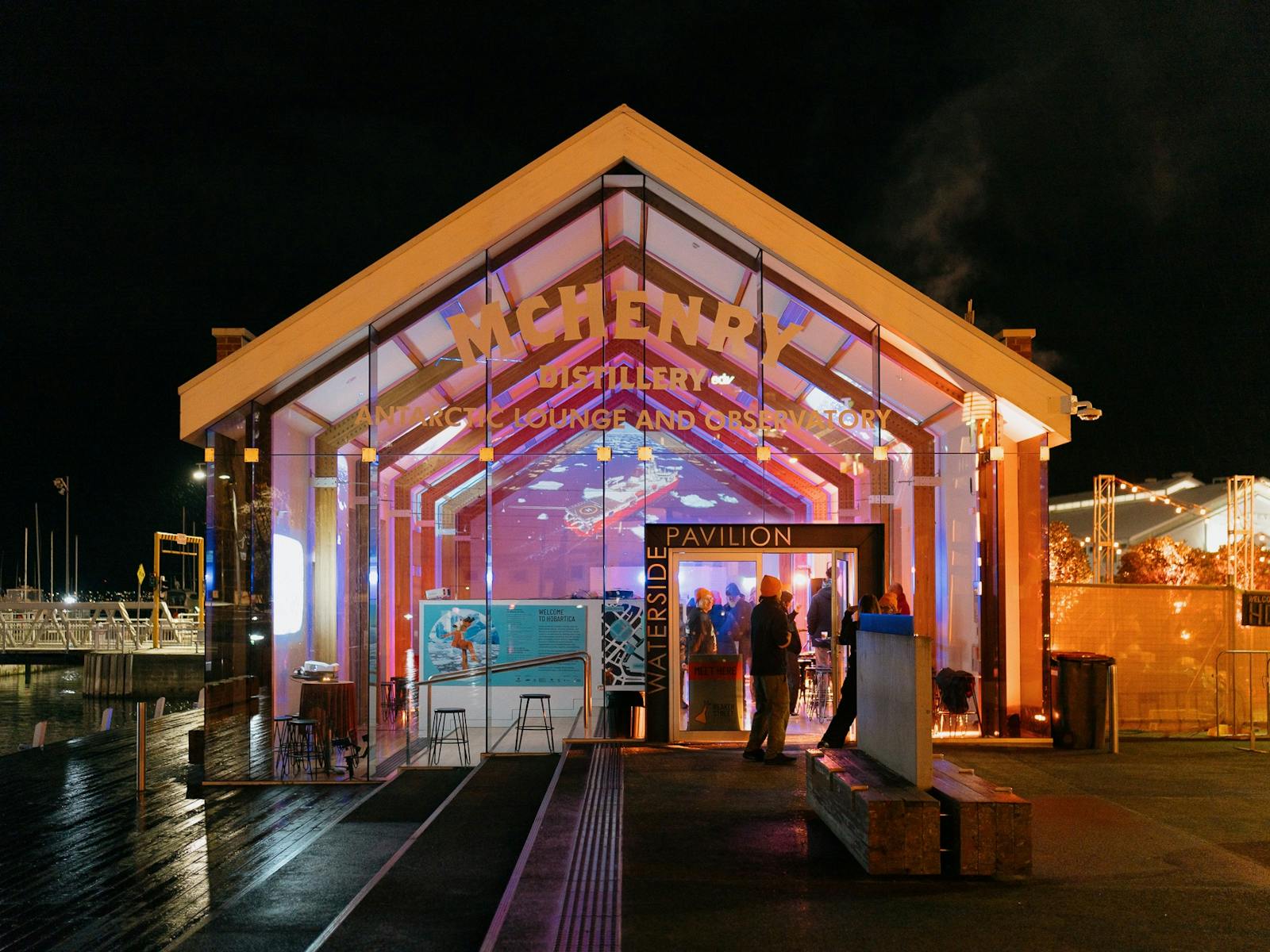
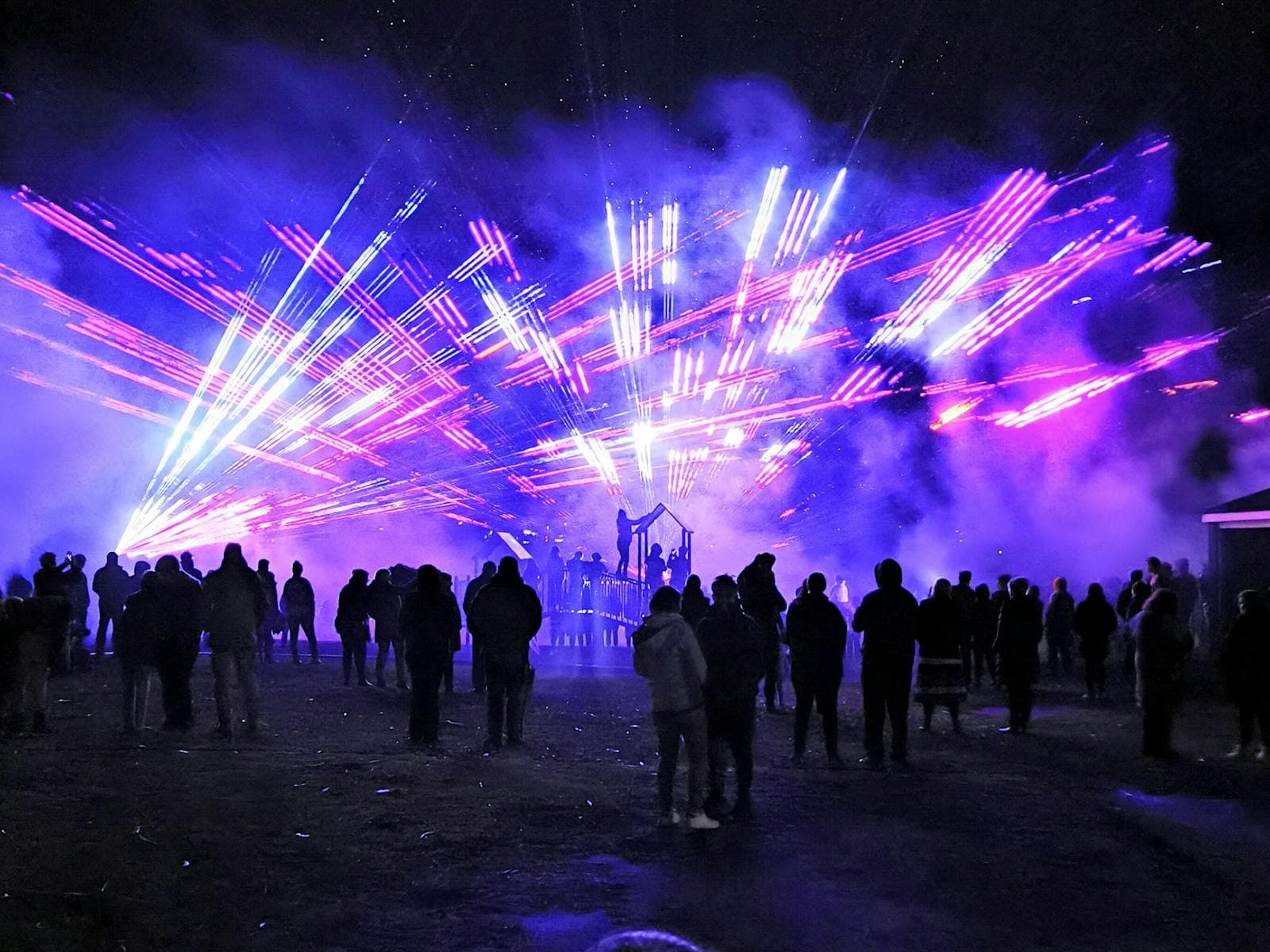
Tasmania doesn’t endure winter so much as turn it into an art form. Dark Mofo returns to Hobart from 11th to 22nd June, pulling the city into its red-lit orbit with Winter Feast, Night Mass, Ogoh-Ogoh, the Nude Solstice Swim and a program of music, ritual and large-scale art made for the longest nights of the year.
By July, the island keeps its foot on the cold-weather accelerator: Festival of Voices fills Hobart with ten days of song from 3rd to 12th July, Bicheno Beams lights the East Coast every night from 27th June to 25th July, and Lightwave brings art, music and firelight to Nubeena on the Turrakana/Tasman Peninsula from 17th to 19th July.
Then August rolls in with Devonport Jazz in the north-west, Beaker Street’s science-meets-culture takeover across Hobart, Tasmanian Whisky Week from 1st to 9th August, and Chocolate Winterfest in Latrobe on 9th August. This is not filler between seasons; it’s Tasmania making the dark the main event.

The whisky tastings made for winter
Tasmania’s whisky scene has gone from island curiosity to serious global obsession, and winter is when it makes the most sense. Time your trip for Tasmanian Whisky Week, running from 1st to 9th August 2026, when more than 40 distillers gather across the state for tastings, masterclasses, distillery tours and maker-led events.
In Hobart, start at LARK’s cellar door or The Still for guided tastings that trace the modern revival of Tasmanian single malt, then head to Sullivans Cove in Cambridge for a distillery tour and rare pours in its newly renovated visitor space. Push north into the Derwent Valley for Derwent Distillery in Dromedary, a family-owned whisky, gin and liqueur maker set on the banks of the River Derwent, where small-batch spirits, foraged botanicals and cask tastings make the detour feel far more rewarding than its 25-minute drive from Hobart suggests. Further afield, Waubs Harbour in Bicheno brings the sea into the glass with ocean-cooled maturation and winter tastings above the shoreline, while Hellyers Road in the north-west lets you taste direct from the cask and tour the working distillery.
This is the island in a dram: peat, rain, salt, oak, patience and a very good reason not to rush back to the mainland.
The wild waterfalls
Tasmania’s waterfalls know how to make winter look expensive. Rain fattens the rivers, snowmelt sharpens the flow, and the island’s rainforests turn mossy, dark and theatrical. Russell Falls is the classic for good reason, pouring through Mount Field National Park on an easy, storybook walk to one of Tasmania’s most photographed cascades. St Columba Falls, in the north-east, brings the drama at more than 90 metres high, reached via a short rainforest track thick with tree ferns. Liffey Falls folds four cascades into a cool-temperate rainforest walk, while Nelson Falls makes a brilliant west-coast road-trip stop, with a 20-minute return trail from the Lyell Highway.
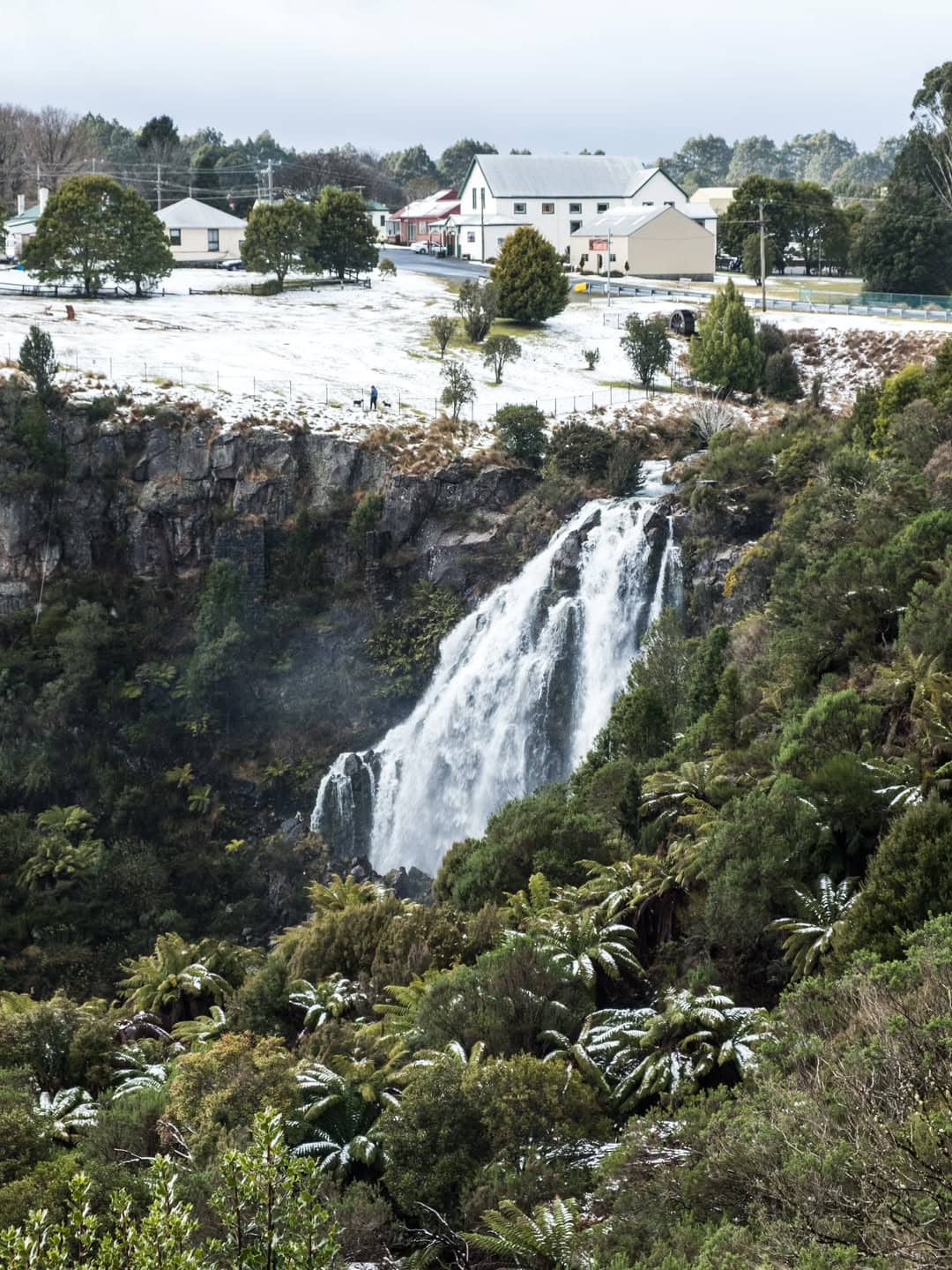
For the big-ticket wild west moment, Montezuma Falls follows an old tramway through rainforest to a 104-metre drop and suspension-bridge views. Then there’s Waratah Falls, the winter curveball: a waterfall spilling through the middle of a highland town that, with a dusting of snow, becomes one of the state’s most memorable cold-weather detours.
The pubs with fireplaces
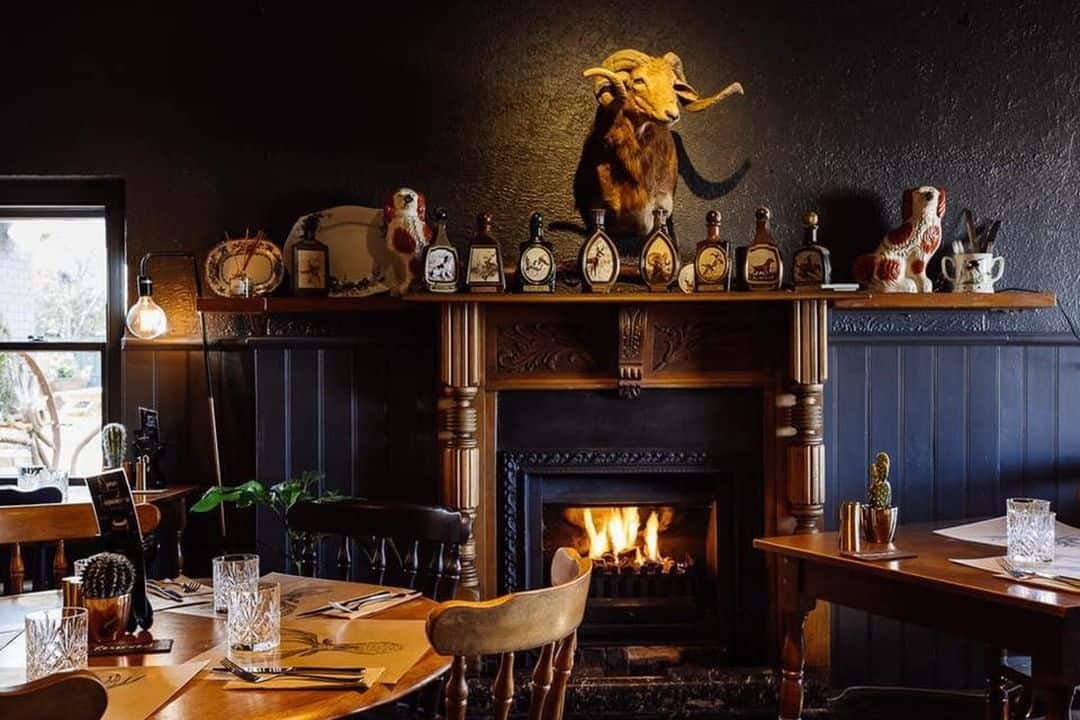
Tasmania understands the pub as winter infrastructure. After a day of waterfalls, ferry spray, snow-dusted roads or coastal walks that leave your cheeks stinging, the right room matters: old timber, local beer, something dark in a glass and a fire doing its ancient work. In Hobart, try New Sydney Hotel for Irish-pub spirit, live music and a fire on the coldest days, or Shipwrights Arms in Battery Point, where the fireplace in Hold was built from an old ship’s boiler.
Beyond the capital, The Lost Captain in Huonville has several fireplaces and an outdoor hearth, The Clarendon Arms in Evandale brings heritage-pub charm and local produce, while Great Lake Hotel in Miena sits near Liawenee, one of Australia’s coldest places, with three fireplaces and a firepit for highland thawing.
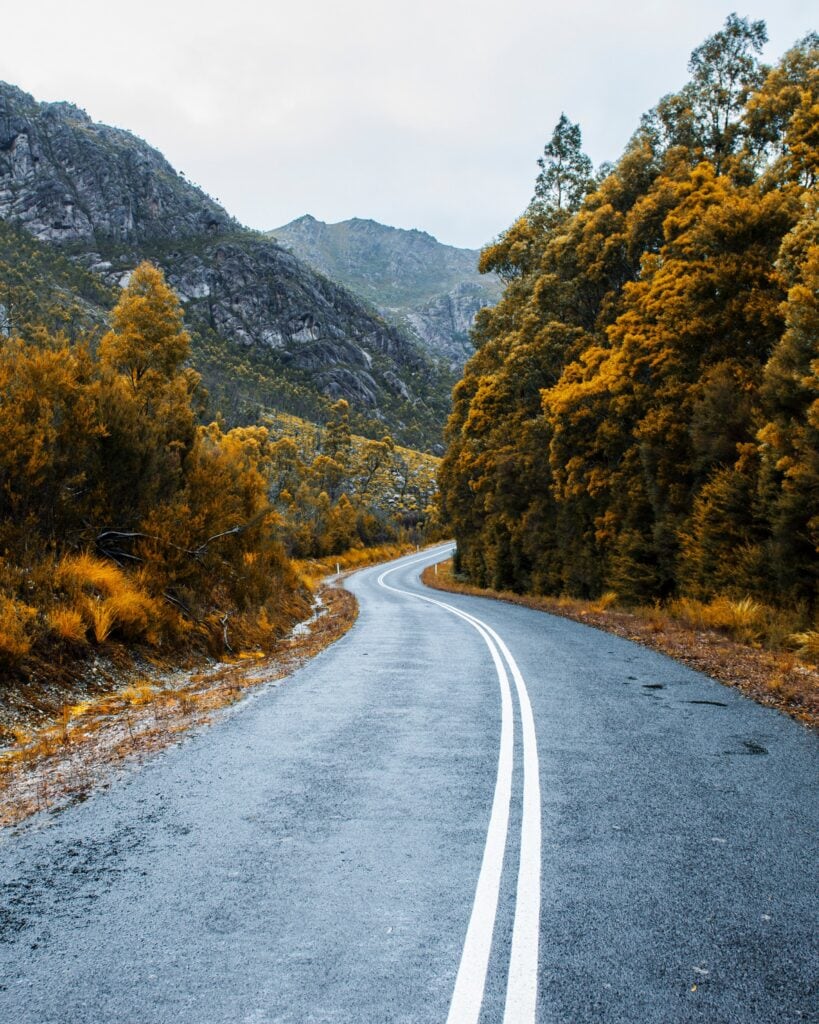
The winter roads made for detours
Winter is the season for taking Tasmania slowly, when the main road becomes only the beginning and the best parts of the day are often found between pinned stops. In the west, the Western Wilds route moves through the Derwent Valley into orchards, farmland, rainforest, old streetscapes, lakes and mountain roads, with Tourism Tasmania’s Derwent Valley itinerary covering 415 kilometres across four days. On the east coast, the Great Eastern Drive trades summer traffic for oyster leases, cellar doors, fishing towns, empty beaches and national parks sitting in sharper winter light.
Closer to Hobart, the Huon Valley, Coal River Valley and highland roads around Great Lake all reward a slower map: a bakery here, a cellar door there, a lookout you almost drove past. Check road conditions, pack for the weather and leave room for the island to interrupt your plans.
The makers who make winter worth the trip
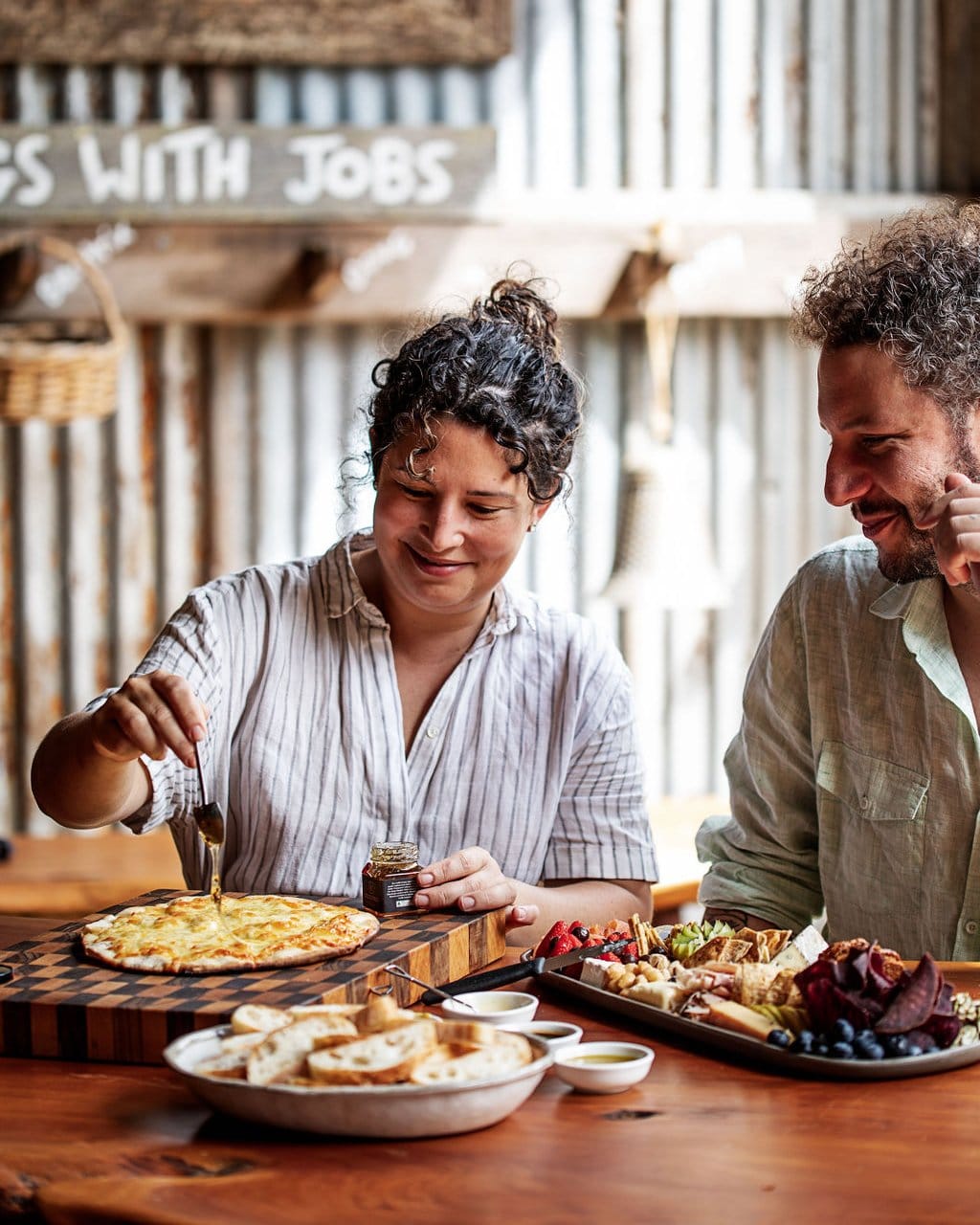
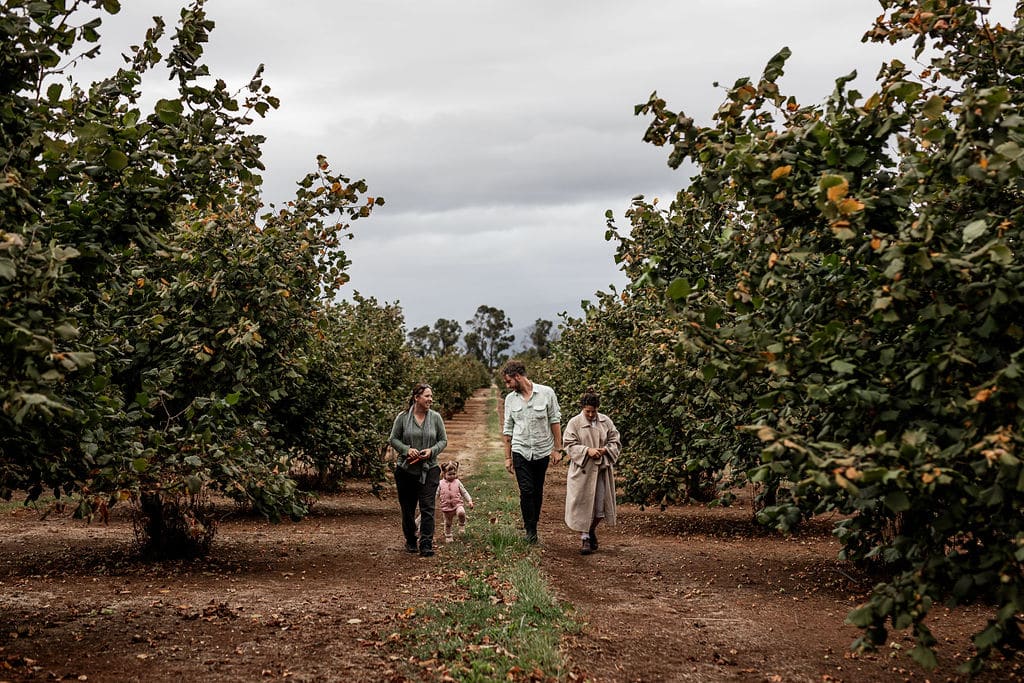
Tasmania’s Off Season works because the island is human-scaled. From May to August, winter travel helps support local operators through the traditionally slower months, with Tourism Tasmania highlighting cold-weather experiences, seasonal menus, hands-on workshops and creative collaborations between businesses. Start at Farm Gate Market in Hobart, where the rule is simple: if you can’t eat it, drink it, grow it or meet the producer, it does not belong there.
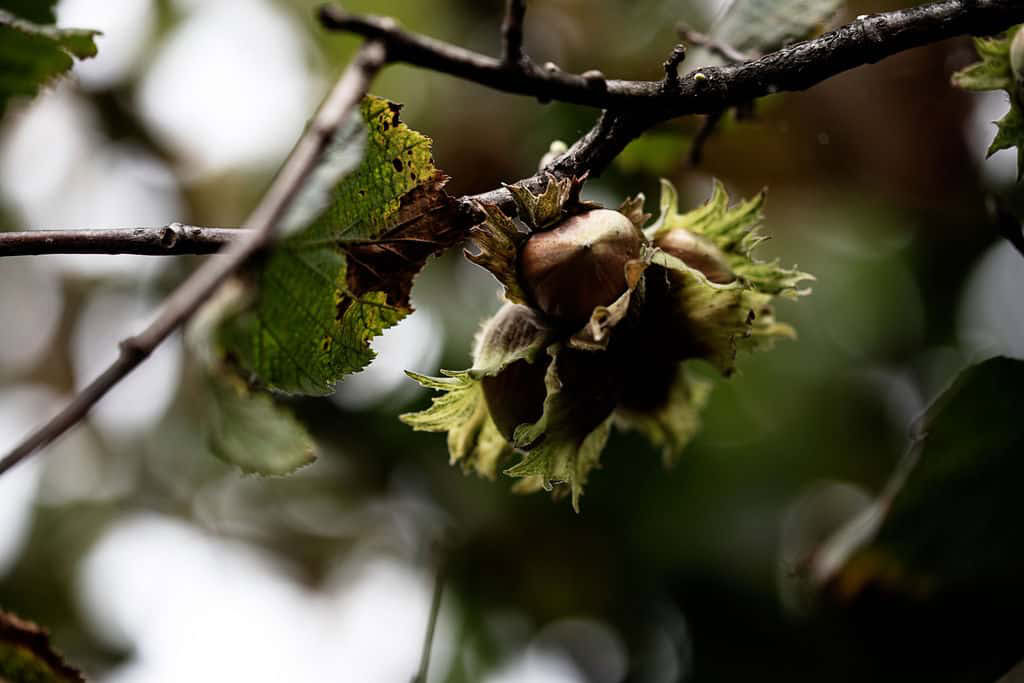
Then follow the thread north-west along the Tasting Trail, which links almost 50 artisanal stops across producers working in hazelnuts, gelato, chocolate, olives, wine, whisky and more. This is the Tasmania that stays with you after the view has passed: the distiller pouring from the cask, the oyster farmer with cold hands, the baker up before dawn, the grower who knows exactly what the frost did last night.
Winter in Tasmania is not a season to sit out. It is the reason to go. From snow-dusted national parks and wild waterfalls to Dark Mofo, Bicheno Beams, truffle hunts, whisky tastings, cold-water seafood and stays made for firelit nights, the island turns the off-season into one of Australia’s most rewarding escapes. Pack the puffer, follow the weather and let Tasmania show you how good winter can be when you stop trying to outrun it.