Subscribe


 Subscribe
How to Buy Vintage Furniture, According to a Professional Buyer
If you've been eyeing vintage furniture but don't know where to begin, this is your sign.

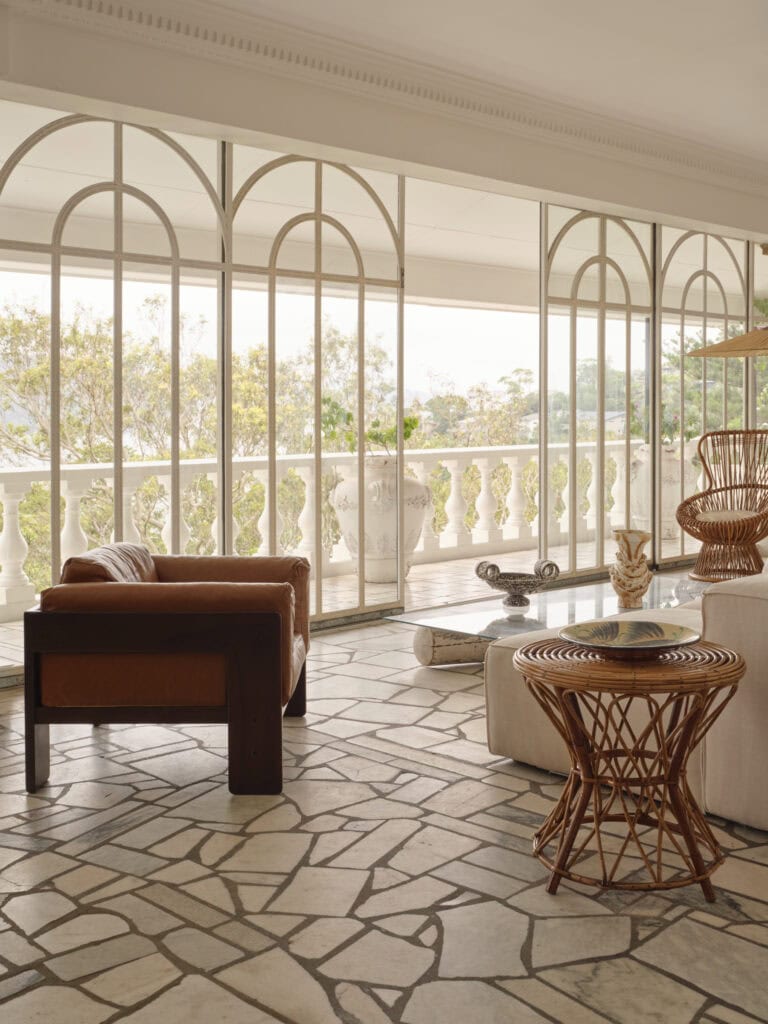
These days, people want feeling, not just function, from their homes; warm, lived-in and layered spaces shaped by pieces collected over time rather than bought in one go.
Vintage furniture sits at the centre of that shift, but knowing how to buy it well makes all the difference.
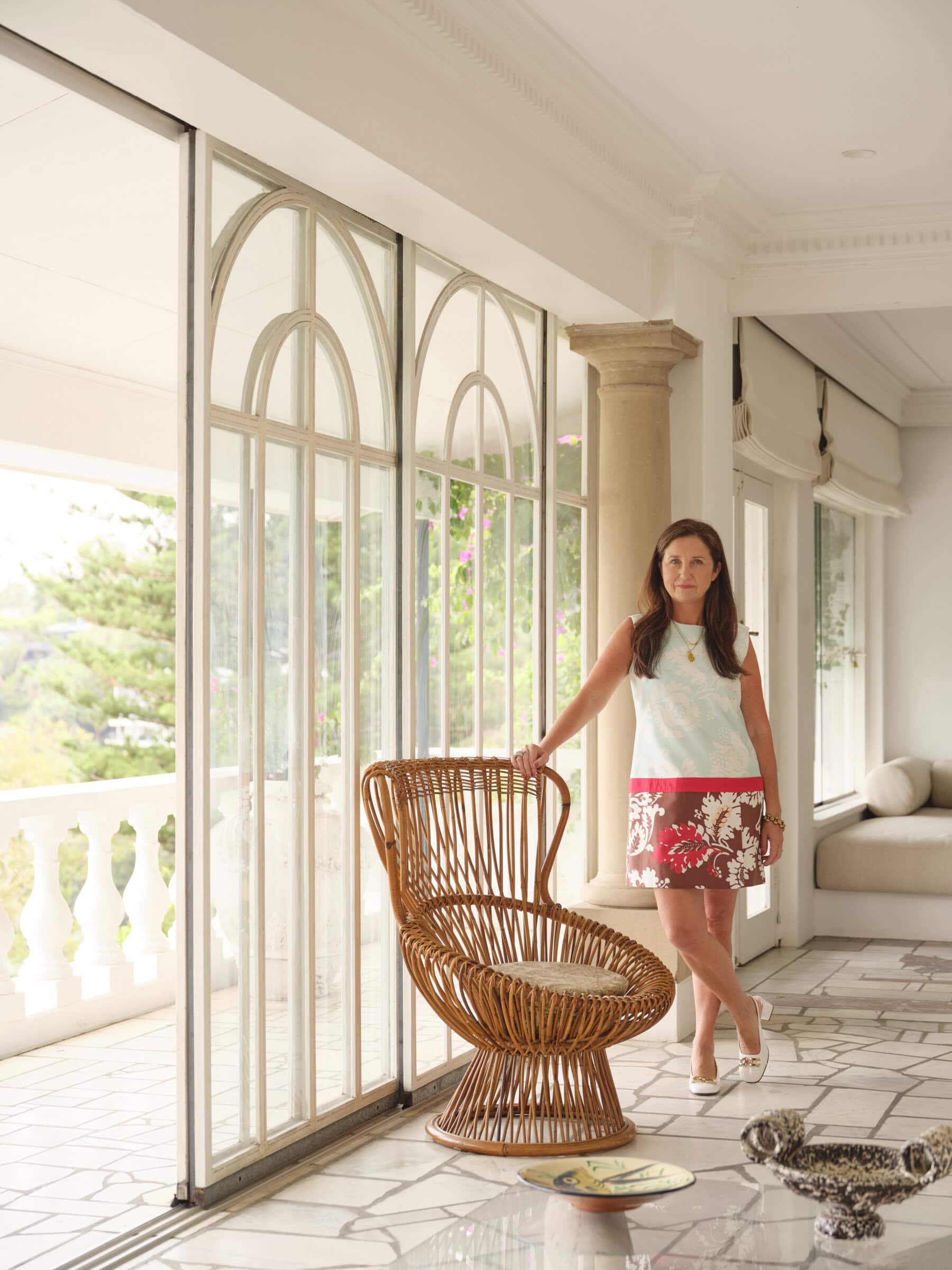
Few understand that better than Emma Lunn, founder of Secondi. Since launching the vintage furniture platform in 2021, Emma’s built a reputation for sourcing hard-to-find French and Italian pieces, travelling to Europe multiple times a year and, in 2024, relocating to France to deepen her network of dealers and makers.
With a background as a fashion buyer at David Jones and a family history in antiques (her great-grandmother was among the first female auctioneers in New South Wales) her eye is both instinctive and deeply informed.
For Emma, the starting point is simple: let go of the idea of perfection.
“Vintage will always show signs of time, and this can be a barrier for a lot of people who want their interiors to look perfect,” she says. “The appeal of vintage is that it has aged in a way that contemporary furniture never will.”
Start Small
If you’re new to vintage, there’s no need to commit to large furniture pieces straight away.
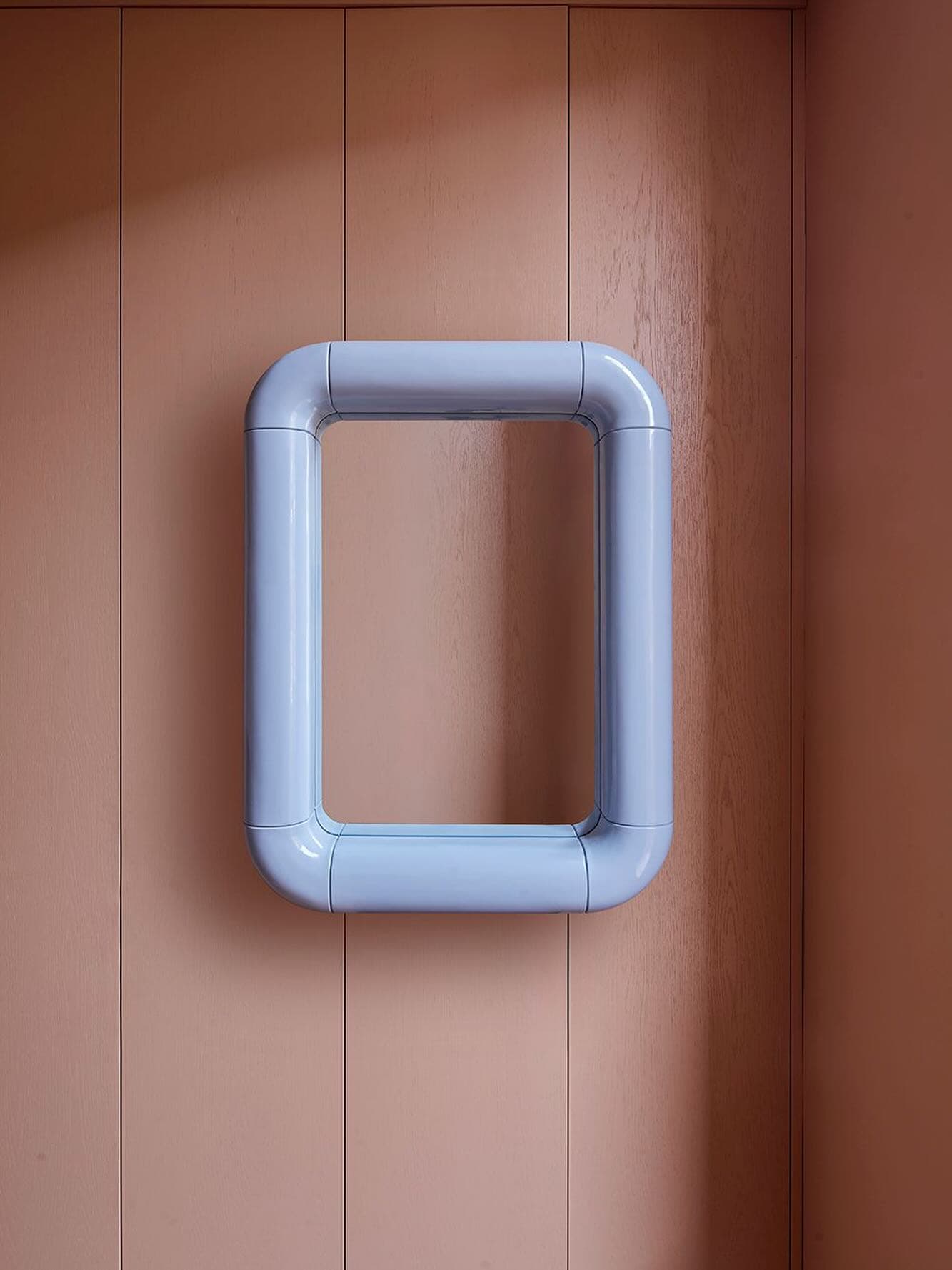
“I think lighting or a beautiful mirror is the perfect entry point to incorporate vintage into your home,” says Emma.
They’re easy to move, relatively low investment, and instantly add character without overwhelming a space. Lighting in particular is in demand right now, acting as both function and focal point.
Know What You’re Buying
When it comes to vintage, a little knowledge goes a long way.
“You can check to see if there are original labels and maker’s marks still present,” Emma says, noting that these are often found on chairs, sofas and cabinetry. While not always intact, they can help verify authenticity.
With replicas increasingly common, it pays to do your homework. “Try to educate yourself about what you are buying,” she advises. “Connect with the dealer… If they are genuinely selling authentic items they should be happy to share information about provenance.”
And if you’re unsure, ask.
Choose Materials That Improve With Age
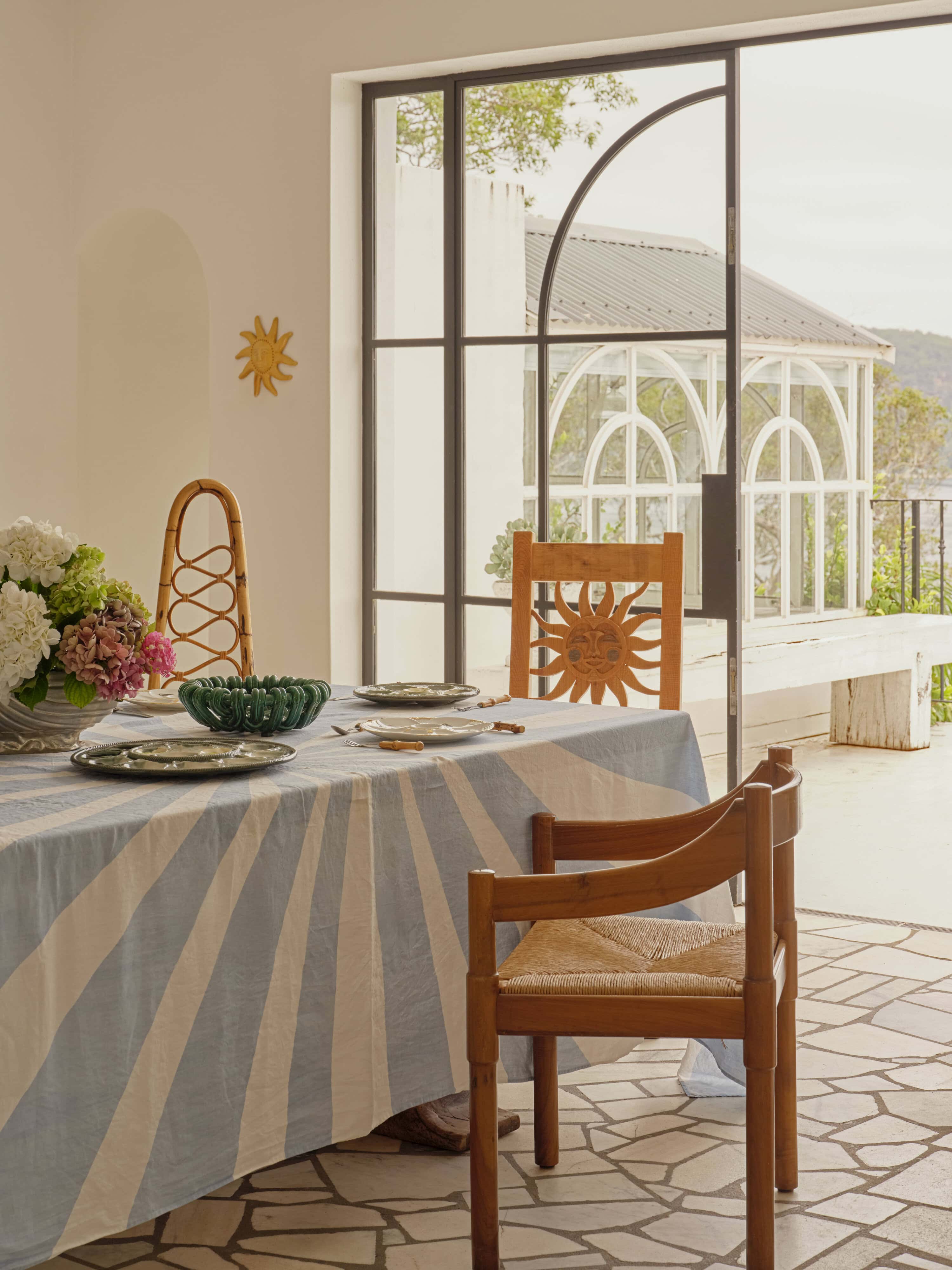
Not all materials are created equal when it comes to longevity. The best vintage pieces are often made from natural materials that develop character over time.
“Many natural materials patina beautifully”, notes Emma, “they wear in rather than wear out.”
“Brass naturally deepens with time, creating a warm look; natural marble is celebrated for its inherent imperfections, its richness and veining; while travertine develops warmer tones over time.”
“Solid timbers such as oak, walnut and pine gain depth of tone over time; aged leather develops a rich sheen and softness that tells a story; while linen relaxes and drapes beautifully. I’m obsessed with a 1950s Paolo Buffa sofa upholstered in a floral tapestry – it looks just as good as when it was made.”
Mix Eras With Confidence
“I’ve seen people stick to one era,” says Emma, “a room becomes more like a movie set.”
Instead, the focus now is on contrast. A mix of old and new creates a more natural, lived-in feel.
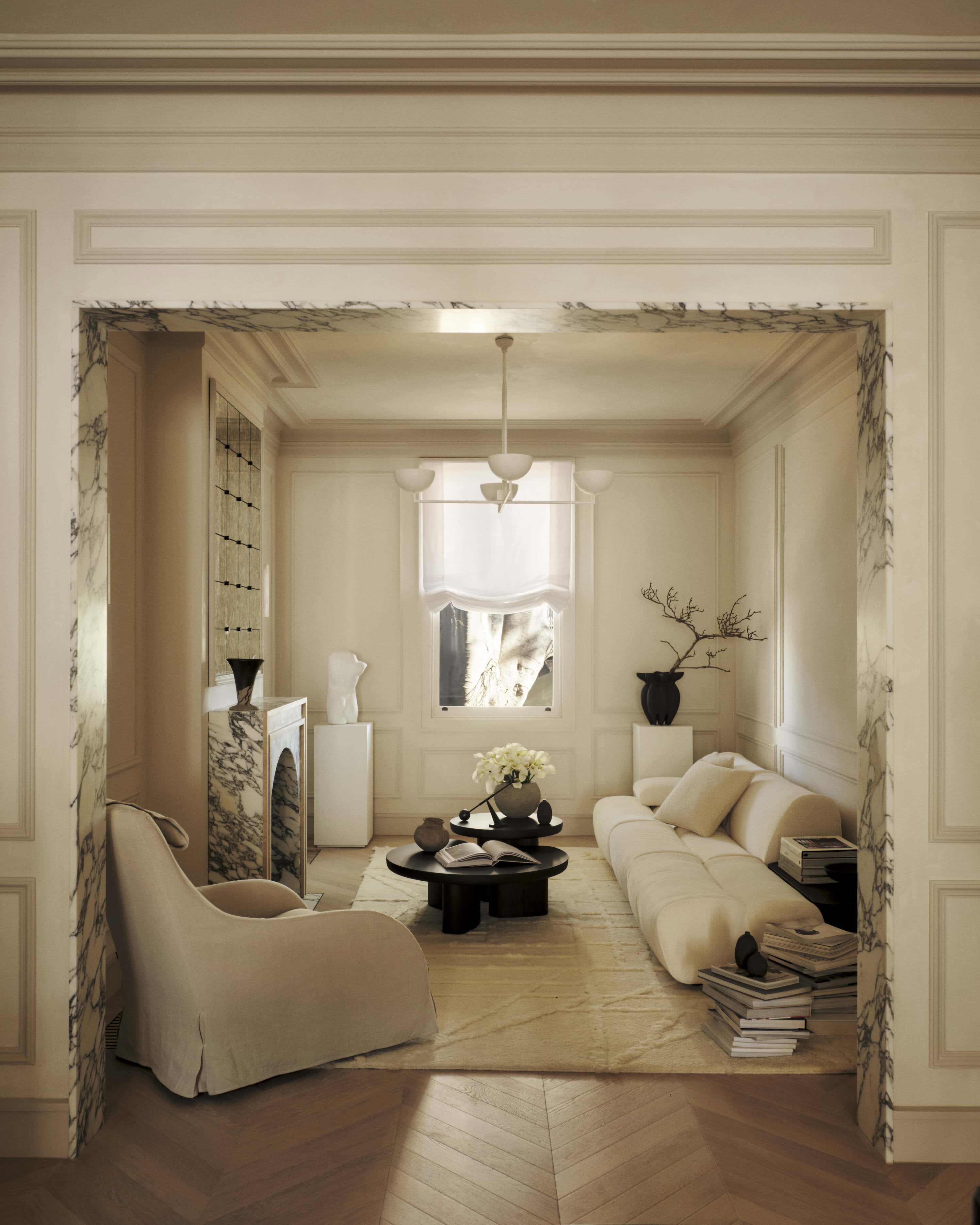
“People are becoming more confident in mixing eras so they may have a French art deco sideboard alongside an Italian 1970s lamp or sofa.”
The balance between those eras is what keeps a space from feeling too staged or stark.
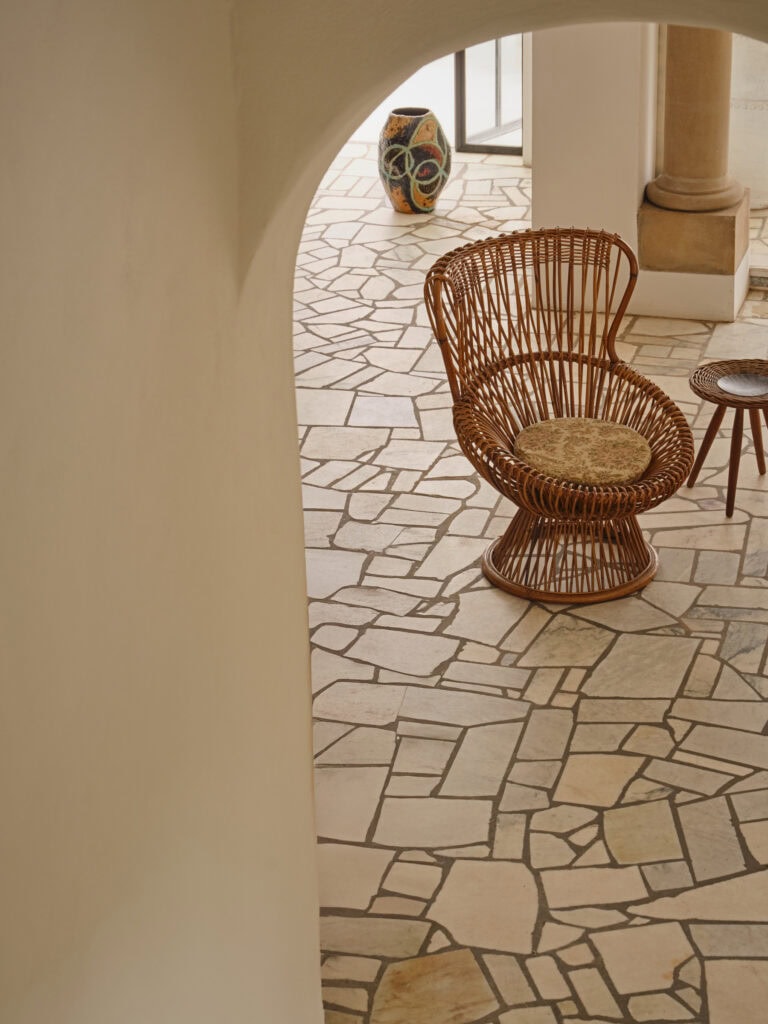
Layer, Then Edit
“Start with a neutral base such as sofa or dining table, with a focus on quality, and then add in functional storage – baskets or trays are great for this,” Emma says. From there, build in texture through rugs, cushions and throws, and add lighting for both form and function.
“Then it’s up to grouping and curating thoughtfully, Emma adds. “Rather than filling spaces, leave negative space for the eye to rest. Introducing a mix of new and old helps avoid looking like you live in a showroom.”
Buy With Instinct
Trends might draw you to vintage, but instinct should guide what you bring home.
“I recommend picking pieces that you’re naturally drawn to – that connect emotionally, and have memory and meaning for you personally,” says Emma.
Because ultimately, the shift towards vintage isn’t just about aesthetics, it’s about creating a home that feels uniquely your own.
Loved this vintage furniture buying guide? Top off your interiors with one of these contemporary rugs and then seek out more inspiration from these stunning home tours.