Subscribe


 Subscribe
In Bloom: Where To Find Wildflowers in Western Australia
Spring brings longer days and sunshine, but it's the state's stunning display of flowers that blooms brightest. Discover where to find Western Australia's wildflowers.

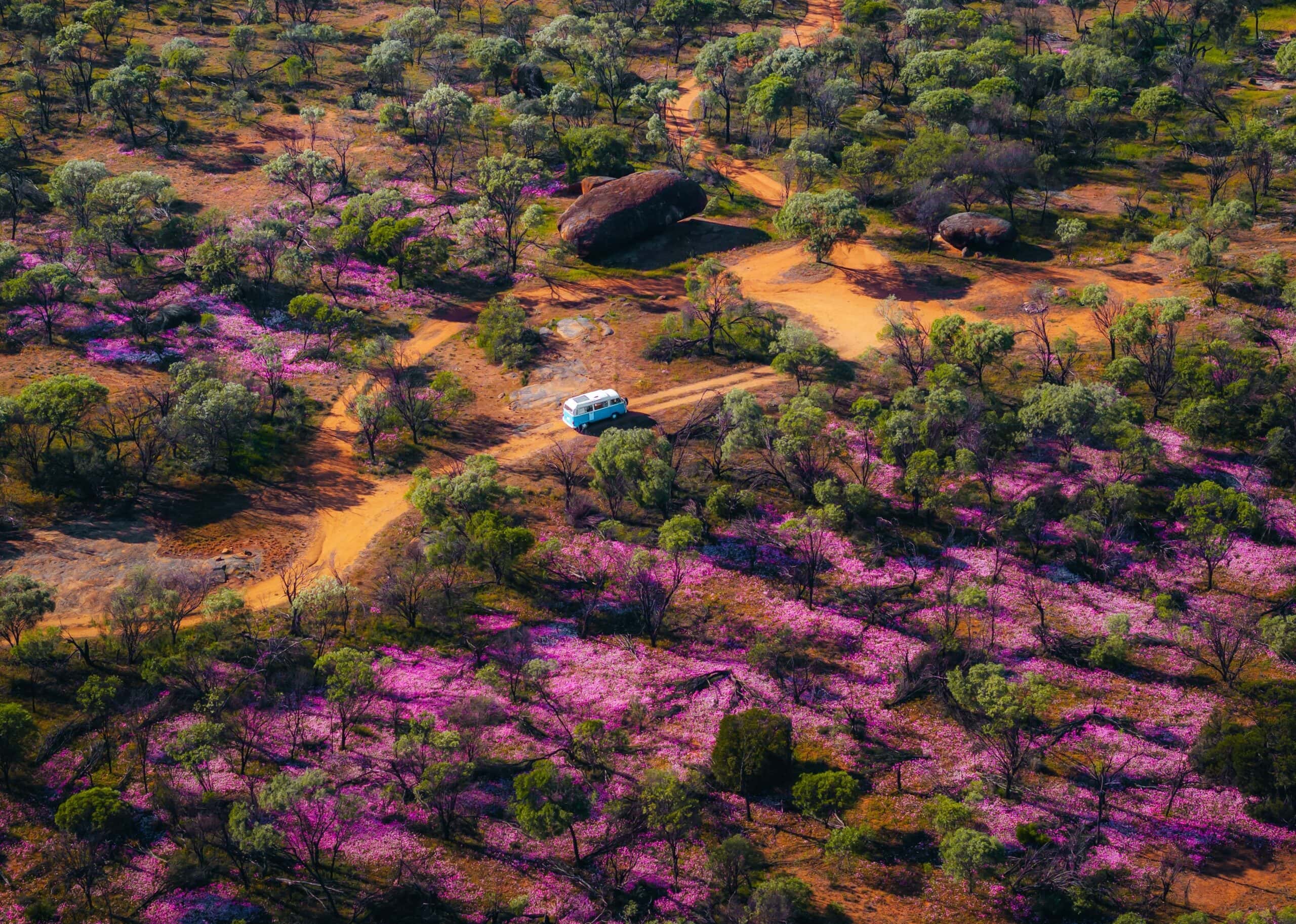
Each spring, Western Australia transforms into a wildflower wonderland, with native orchids flowering in Kings Park, wreath flowers carpeting the Wheatbelt’s Wildflower Way and colourful blooms appearing along the coastal trails of Margaret River’s Cape to Cape Track. Home to more than 12,000 wildflower species, including many found nowhere else on earth, WA offers endless ways to experience the season, whether you’re planning a quick Perth escape or a multi-day road trip.
In this Guide
Wildflowers in Perth & Surrounds
Kings Park
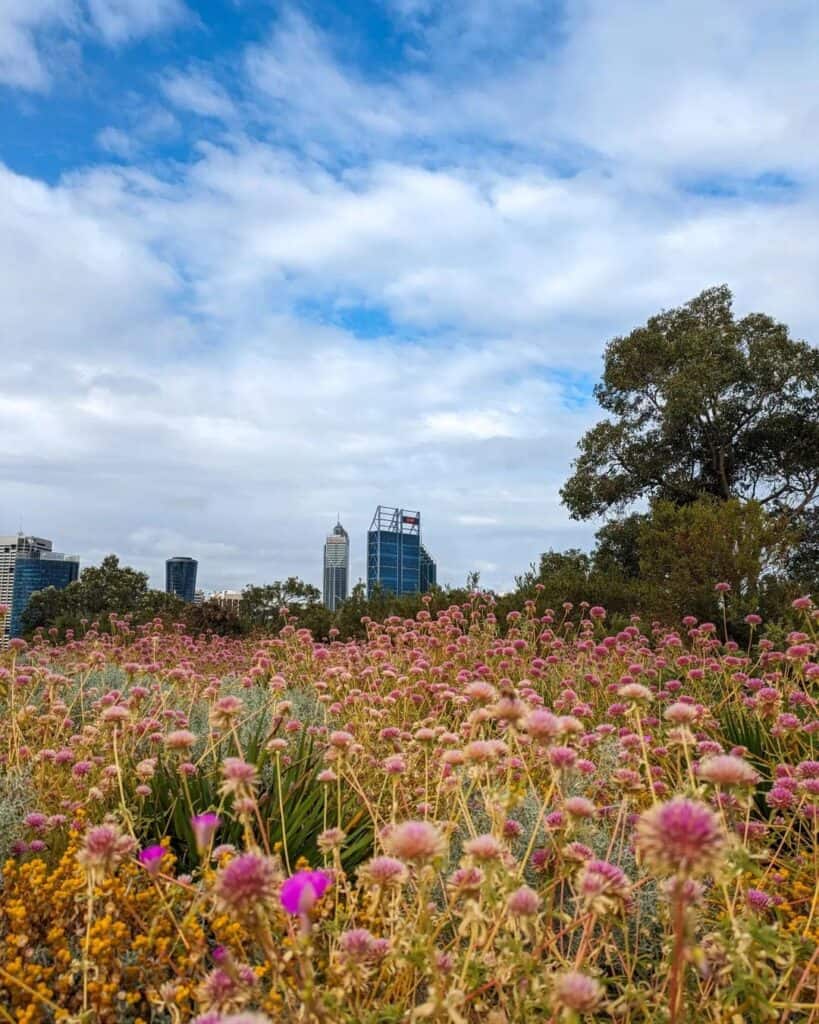
You don’t need to travel far to experience WA’s famous wildflower season. Sitting right on the edge of the city, Kings Park is one of the easiest places to see native blooms, with the Western Australian Botanic Garden showcasing more than 3,000 species of the state’s unique flora.
Come spring, the park bursts into colour, with native orchids, banksias, kangaroo paws and flowering shrubs appearing throughout the gardens and surrounding bushland. September is also when the annual Everlasting Kings Park Festival takes over the park, with guided walks, workshops and events celebrating WA’s extraordinary biodiversity.
Best time to visit: September
Don’t miss: Western Australian Botanic Garden, Lotterywest Federation Walkway, guided walks and the Everlasting Kings Park Festival.
Worth extending the trip for: A picnic overlooking the city, lunch in nearby Subiaco or a riverside stroll around Matilda Bay.
Perth Hills
For a wildflower escape that feels worlds away from the city, head east into the Perth Hills. Throughout spring, jarrah forests, bush trails and granite landscapes come alive with colourful native blooms, making the region one of Perth’s easiest nature getaways.
Kalamunda is a great place to begin, with access to both Kalamunda National Park and Mundy Regional Park. The Whistlepipe Gully trail is a local favourite during wildflower season, with native orchids, wattles and flowering shrubs appearing along the walk.
Further north, Mundaring offers a different landscape, with Beelu National Park’s dense jarrah forests providing a beautiful backdrop for spotting grass trees, bull banksias and other native species. For something a little quieter, Gidgegannup’s Wildflower Trail showcases seasonal displays of blue leschenaultia and bright yellow wattles.
Best time to visit: August to October
Don’t miss: Whistlepipe Gully, Mundy Regional Park, Beelu National Park and Wandoo Heights Wildflower Trail.
Worth extending the trip for: Boutique wineries, cider houses, scenic drives and a long lunch overlooking the hills.
Wildflower Day Trips from Perth
York
One of WA’s most charming country towns, York makes for an easy spring escape from Perth. The drive itself is part of the experience, with rolling farmland, flowering roadsides and pockets of native bushland setting the scene before you arrive.
Beyond the wildflowers, York’s heritage streets, galleries, cafes and country hospitality make it an easy place to spend an unhurried day exploring.
Best time to visit: August to October
Don’t miss: Spring displays around the Avon Valley, York’s heritage precinct and local walking trails.
Worth extending the trip for: Antique shopping, country bakeries and an overnight stay in a heritage cottage.
Toodyay
Less than two hours from Perth, Toodyay combines wildflower spotting with a dose of country charm. Surrounded by bushland and rolling hills, the town is a lush spot for a spring day trip, with seasonal blooms appearing along walking trails and reserves.
It’s a great option if you want a slower-paced escape, pairing nature with local produce, heritage buildings and riverside scenery.
Best time to visit: August to October
Don’t miss: Avon River trails, Toodyay’s heritage buildings and nearby bushland reserves.
Worth extending the trip for: Local wineries, country pubs and a relaxed weekend in the Avon Valley.
Rottnest Island
Rottnest may be famous for its beaches and quokkas, but spring reveals another side of the island. The island is home to hundreds of native plant species, with wildflowers appearing along coastal heathlands, walking trails and limestone landscapes.
It’s a unique wildflower experience, combining colourful native flora with some of WA’s most spectacular coastal scenery.
Best time to visit: September to November
Don’t miss: Wadjemup Bidi walking trails, West End and Parker Point.
Worth extending the trip for: Snorkelling, cycling, swimming in hidden bays and sunset drinks by the ocean.

Wildflower Weekend Escapes
Lesueur National Park & Jurien Bay
For a weekend that combines wildflowers with a coastal escape, head north to Lesueur National Park and Jurien Bay. One of WA’s most botanically significant areas, Lesueur is home to hundreds of native plant species, including many found nowhere else.
Spend the day exploring the park’s scenic drives and walking trails, then swap wildflower spotting for turquoise water, beaches and fresh seafood on the coast.
Best time to visit: August to September
Don’t miss: Lesueur Scenic Drive, Mount Lesueur Lookout and seasonal wildflower trails.
Worth extending the trip for: Jurien Bay’s beaches, nearby Nambung National Park and The Pinnacles, fishing, snorkelling and a laidback coastal getaway
Margaret River & the Cape to Cape Region
While Margaret River is already famous for its wineries, beaches and celebrated food scene, spring reveals another reason to visit. The region’s coastal tracks and bushland come alive with native blooms, creating some of WA’s most picturesque hiking experiences.
The Cape to Cape Track is a highlight during wildflower season, with orchids, banksias, kangaroo paws and flowering shrubs appearing along the route between Yallingup and Augusta. Inland, forest trails and national parks offer even more opportunities to experience the region’s biodiversity.
Best time to visit: September to November
Don’t miss: Cape to Cape Track, Cape Naturaliste Lighthouse, Boranup Forest and spring walking trails.
Worth extending the trip for: World-class wineries, long lunches, farm-to-table dining, boutique accommodation and some of WA’s best beaches.
Nannup & the Southern Forests
For a slower-paced spring escape, head deeper into the South West’s forest country. Surrounded by towering jarrah and marri forests, Nannup and the Southern Forests offer a quieter way to experience wildflower season.
The region is known for its diverse native flora, with orchids, flowering shrubs and seasonal blooms appearing along bush trails and forest walks. Time your visit with the Nannup Flower & Garden Festival in August for a celebration of all things botanical.
Best time to visit: September to November
Don’t miss: Nannup Flower & Garden Festival, Kondil Park’s wildflower walks, Northcliffe Forest Park and Southern Forests walking trails.
Worth extending the trip for: Cosy cabins, farm gates, local wineries, forest walks and charming country towns.
Wildflower Road Trips in Western Australia
Wildflower Way
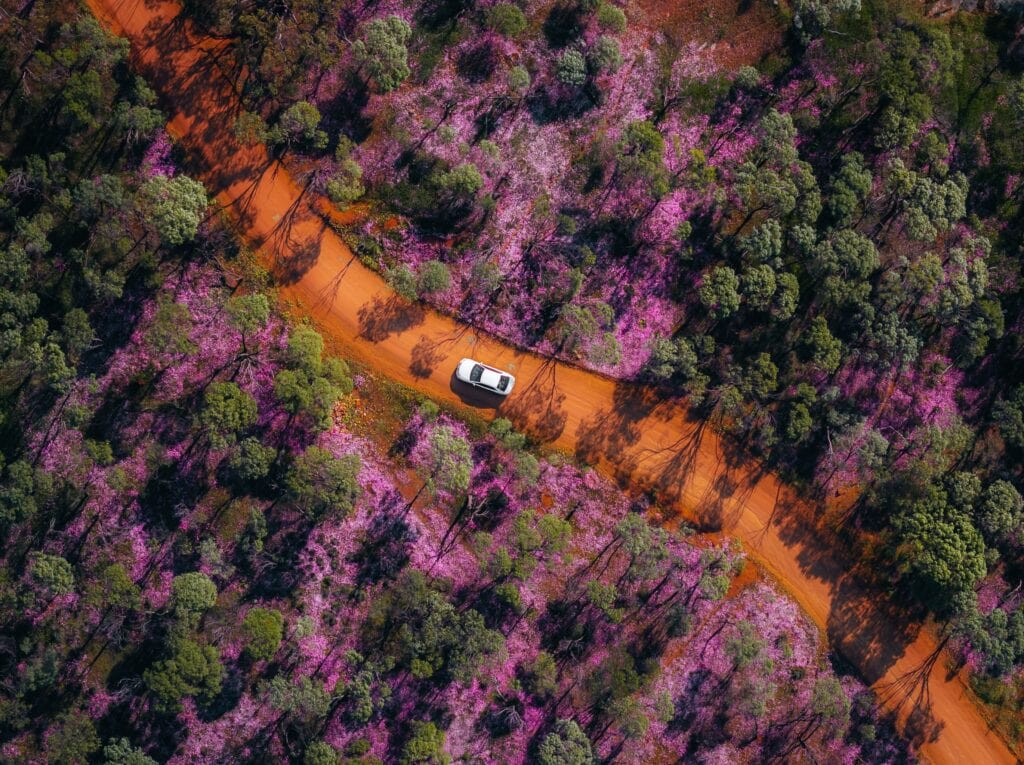
One of WA’s most iconic wildflower journeys, Wildflower Way stretches from Dalwallinu to Geraldton through some of the state’s most magical floral country.
By August, the landscape begins to transform, with everlastings, wattles, orchids and the famous wreath flower appearing across roadsides, reserves and national parks. Coalseam Conservation Park is a standout, with rolling hills often covered in colourful blooms, while reserves around Perenjori and Mullewa reveal some of the region’s boldest seasonal displays.
Best time to visit: August to early September
Don’t miss: Coalseam Conservation Park, Wubin Wildflower Walk, Perenjori and Mullewa.
Worth extending the trip for: Geraldton’s beaches, fresh seafood, country towns and dramatic Mid West landscapes.
Granite Loop Wildflower Trail
Combining some of WA’s most recognisable landscapes with sun-drenched spring blooms, the Granite Loop Wildflower Trail takes you through the heart of the Wheatbelt.
Ancient granite formations, wide-open landscapes and seasonal wildflowers create a road trip that feels quintessentially Western Australian. Along the way, discover colourful reserves, historic towns and natural landmarks including Wave Rock and Kokerbin Rock.
Best time to visit: August to September
Don’t miss: Wave Rock, Kokerbin Rock, Wongan Hills, Mukinbudin and the region’s granite landscapes.
Worth extending the trip for: Country pubs, heritage towns, scenic lookouts and unforgettable Wheatbelt sunsets.
Esperance Wildflower Trail
Few places combine wildflowers and scenery quite like the Esperance Wildflower Trail. Here, native blooms appear against a backdrop of turquoise water, white-sand beaches and rugged national parks.
The region’s Fitzgerald River National Park is one of Australia’s most significant botanical areas, while Cape Le Grand National Park offers the rare combination of wildflowers beside some of the country’s most beautiful beaches.
Best time to visit: September to November
Don’t miss: Fitzgerald River National Park, East Mount Barren, Cape Le Grand National Park, Frenchman Peak and the Esperance Wildflower Festival.
Worth extending the trip for: Lucky Bay, coastal hikes, fresh seafood and some of Australia’s clearest water.
Frequently Asked Questions About Wildflowers in WA

Wildflower season in Western Australia generally runs from August through November, though timing varies by region. The Mid West and Wheatbelt, including Wildflower Way and the Granite Loop, peak earliest from August to early September. The South West, including Margaret River and Esperance, peaks later, from September through November. Perth and the surrounding hills typically see the best displays through September and into October. Because rainfall and temperature shift the bloom each year, it’s worth checking regional wildflower reports closer to your travel dates rather than relying on a fixed calendar.
Kings Park is the easiest option, with more than 3,000 native species on display within the Western Australian Botanic Garden, right on the edge of the city. For a bushier experience without leaving the metro area, the Perth Hills offer trails like Whistlepipe Gully in Kalamunda and Beelu National Park in Mundaring, both around 30 to 40 minutes from the CBD. Both options suit a half-day trip and don’t require an overnight stay.
Yes. York, Toodyay and Rottnest Island are all realistic day trips, each under two hours from Perth by car or ferry. York and Toodyay combine wildflower displays along the Avon Valley with heritage towns, cafes and country charm, while Rottnest pairs coastal heathland wildflowers with its usual beach and cycling appeal. All three work well as a single-day outing without needing accommodation.
Wildflower Way, running from Dalwallinu to Geraldton, is considered one of the state’s most significant wildflower routes, known for its everlastings, wattles and the wreath flower. The Granite Loop through the Wheatbelt combines wildflowers with landmarks like Wave Rock, while the Esperance Wildflower Trail pairs blooms with the turquoise coastline of Cape Le Grand and Fitzgerald River National Park. Each route suits a slightly different traveller, from botanical purists to those wanting scenery alongside the flowers.
Around 60% of Western Australia’s native flora is found nowhere else in the world, making the state’s wildflower season particularly significant for botanists and casual visitors alike. Species like the wreath flower, blue leschenaultia and various banksias and orchids are endemic or near-endemic to WA. This is part of why regions like Lesueur National Park, home to hundreds of native species, carry particular botanical significance beyond their visual appeal.
Now that you know where to find wildflowers in Western Australia, it’s time to take a trip! Plan your perfect itinerary with our guides to Esperance and Margaret River to make it a trip to remember.