Subscribe


 Subscribe
Chasing the Southern Lights: The Best Spots to See the Aurora Australis in Australia
From Tasmania's pristine skies to the southern coasts of mainland Australia, these are the best locations and viewing times to experience this natural wonder in all its glory.


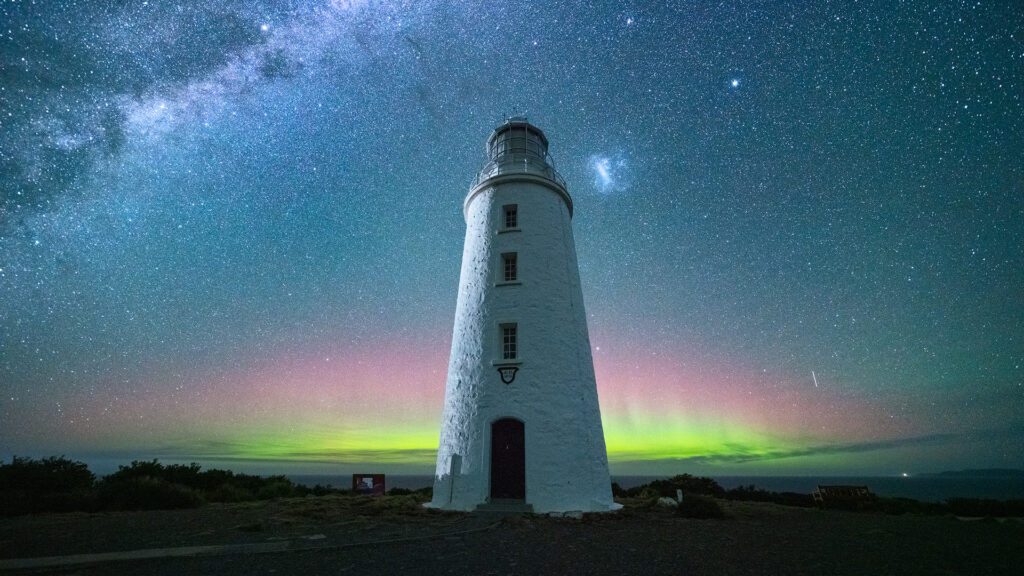
Catching a stunning natural light show in the sky is on many travellers’ bucket lists, and Australia’s own Aurora Australis means you can tick it off without leaving the country. No chilly Scandinavian igloo or far-flung northern trek required, just the southern hemisphere’s own display of vivid greens, purples, and pinks, best caught during the cooler months when the nights stretch longest.
Ready to chase them? From Tasmania‘s pristine skies to the southern coasts of mainland Australia, these are the best locations and viewing times to experience this natural wonder in all its glory.
In This Guide
- Latest Aurora Alert
- Where to See the Aurora Australis in Australia: Tasmania
- Where to See the Aurora Australis in Australia: Victoria
- Where to See the Aurora Australis in Australia: New South Wales
- Where to See the Aurora Australis in Australia: South Australia
- Tips to See the Aurora Australis in Australia
Latest Aurora Alert
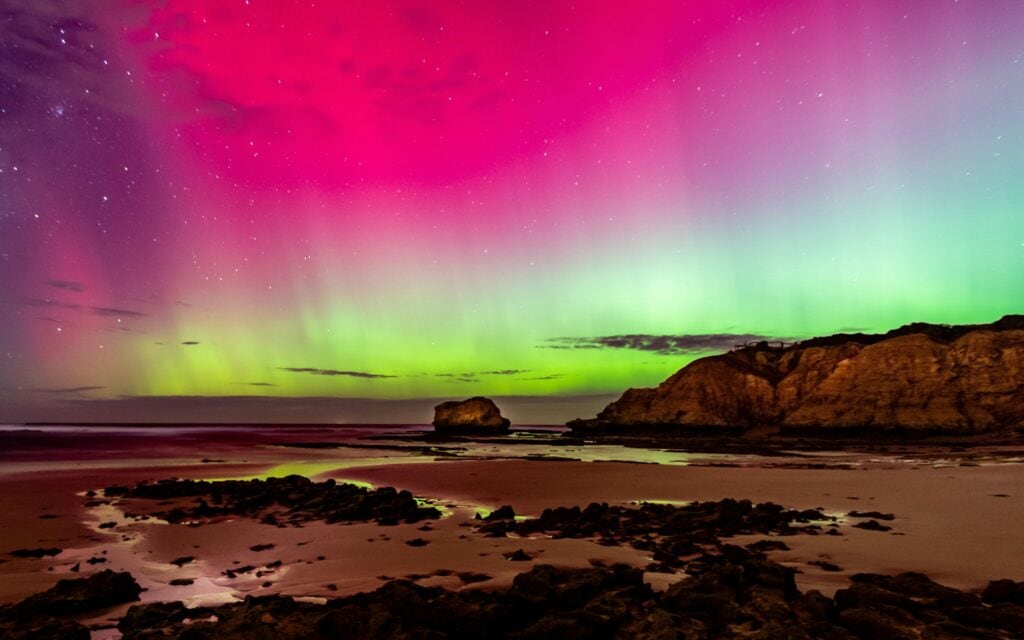
If chasing the Aurora Australis has been sitting on your bucket list, July 3 might be the moment. A powerful solar flare erupted from the Sun on June 30, and NOAA’s Space Weather Prediction Center is now tracking the resulting storm as it barrels toward Earth. In Sitchu terms: the Sun just threw a cosmic party, and the Southern Lights could crash way farther north than usual.
Forecasters are calling for a G1–G2 geomagnetic storm through July 3 and 4, with the best window sitting somewhere between 7pm and 1am AEST on July 3. Tasmania and Victoria remain the safest bets for a sighting, with South Australia, southern New South Wales, the ACT and southern Western Australia in play if the storm pushes to the top of the G2 range.
Your best shot at a sighting: find a dark, clear spot with an open view to the south, well away from city glow. Solar storms are notoriously fickle though, and this one’s timing could shift by several hours either way, so it’s worth checking the Australian Space Weather Forecasting Centre for local confirmation closer to sunset. If the skies play along, it could offer one of those fleeting, magical glows worth pausing your plans for.
Where to See the Aurora Australis in Australia
Where to See the Southern Lights in Australia: Tasmania
Tasmania is undoubtedly the best place in Australia to witness the Aurora Australis, thanks to its southern latitude which places it directly under the auroral oval (also known as the region most commonly associated with aurora sightings).
The state’s isolation and unpolluted skies create the perfect backdrop for the celestial light show. Ideal spots include South Arm, Bruny Island, and the Tasman Peninsula, which offer clear, unobstructed views of the night sky and provide the best chance of seeing the Southern Lights with minimal light pollution.
For an extra-special experience, head to the southern tip of the island or to remote beaches and keep an eye on the sky. With a little bit of luck and the right conditions, you could be treated to a glowing light show that will leave you speechless.
Loving This Guide to Seeing the Southern Lights? You’ll Also Like…
The Strawberry Moon Is Putting on Its Best Show Tonight

Where to See the Southern Lights in Australia: Victoria
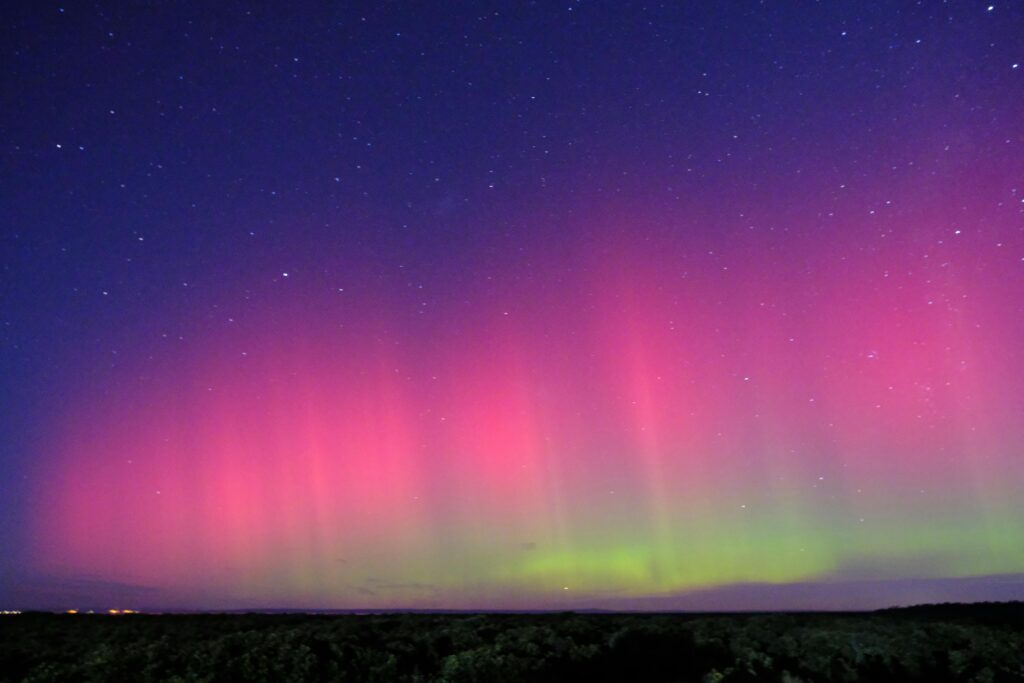
While Tassie steals the spotlight, southern Victoria also offers up some chances to catch the Aurora Australis. Coastal areas like the Mornington Peninsula have had reports of sightings during heightened solar activity, although the lights are often more subtle compared to Tasmania’s vibrant displays.
On clear nights, when geomagnetic storms are at their peak, you might catch a faint glow or greenish band on the horizon. While sightings here can be rare, they’re worth the trip for anyone already exploring the area.
Where to See the Southern Lights in Australia: New South Wales
While not typically a prime spot for aurora sightings, New South Wales can still be treated to this stunning show (in fact, it most recently happened this month).
During some geomagnetic storms, the lights have been visible as far north as Port Stephens, and while its rare for the state to bear witness to the lights, it’s always a treat for dedicated skywatchers.
If you find yourself in the area during heightened solar activity, keep your fingers crossed for a lucky glimpse of this magical phenomenon.
Where to See the Southern Lights in Australia: South Australia
South Australia may not be the first place that comes to mind for Aurora Australis sightings, the southernmost regions of the state, far from city lights, provide excellent opportunities to catch the spectacular display.
Locations like Cape Jervis on the Fleurieu Peninsula and Kangaroo Island offer some of the clearest, most unobstructed views of the aurora. Other spots, such as Waitpinga Beach and the Coorong National Park, provide wide-open skies and minimal light pollution, making them ideal for aurora chasers. While sightings here are less frequent than in other locations, those willing to venture south during heightened solar activity may be rewarded with a rare glimpse of this celestial wonder.
Tips to See the Aurora Australis in Australia
The Best Time to See the Southern Lights in Australia
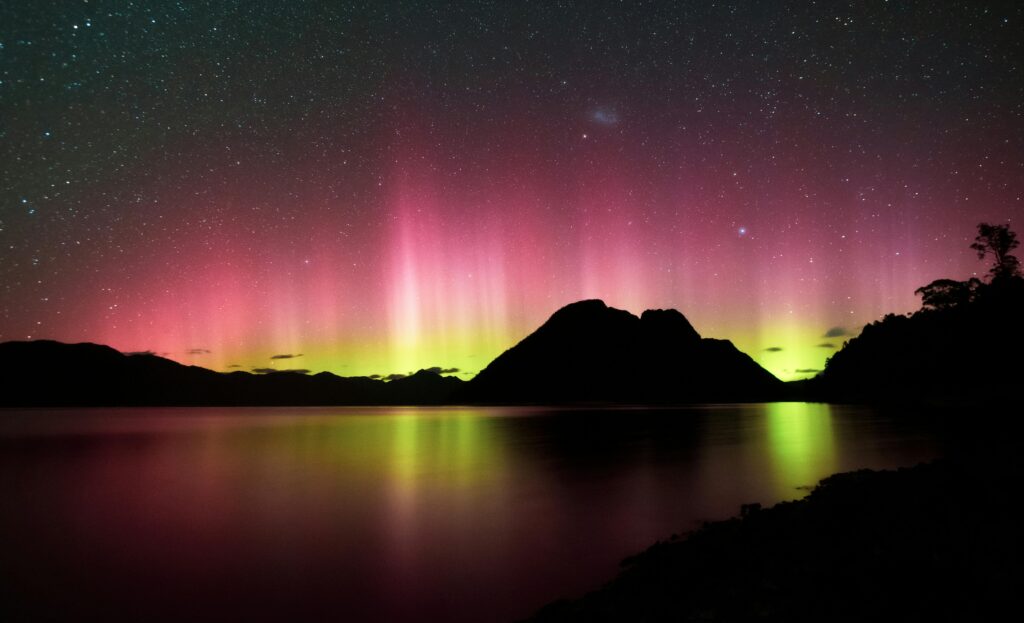
The best time to catch the Southern Lights? During Australia’s winter months, from March to September when solar activity cranks up, sparking the geomagnetic storms that make the auroras come to life. June and July are the most likely months to spot the show, with the longest nights, the clearest skies, and the most active aurora action.
But, fair warning: the Southern Lights don’t just show up on demand and they do require a bit of a waiting game. Bundle up in your best winter coat, keep your eyes on the sky and let the stars (literally) align.
How to Know When the Southern Lights Are Happening
To increase your odds of witnessing the Aurora Australis, keeping track of “space weather” is essential. One of the best ways to do this is by monitoring Space Weather Alerts. The Bureau of Meteorology’s Australian Space Weather Forecasting Centre offers real-time updates and alerts on solar activity and geomagnetic storms. If an aurora is in the forecast, you’ll know exactly when to head out to maximise your chances of seeing the lights.
Another useful tool is the Auroral Oval Prediction Tool available on the Bureau’s Aurora page. This tool uses geomagnetic activity data to predict potential aurora sightings in the coming days and weeks, so you can plan ahead and increase your chances of witnessing the phenomenon.
Lastly, joining social media communities is a great way to stay in the loop. Groups like Aurora Australis Tasmania are full of skywatchers sharing real-time sightings, tips, and advice.
Seeing the Aurora Australis is pure magic — where science meets nature in the most dazzling way. And if you’re lucky enough to catch the show? You’ll understand why it’s worth every second of waiting.
FAQs

The Aurora Australis is most visible during Australia’s cooler months, from March to September, when solar activity increases and geomagnetic storms become more frequent. June and July offer the best odds thanks to the longest nights and clearest skies. Sightings still depend on active solar conditions on any given night, so checking a space weather forecast beforehand is essential. Even in peak season, the lights are not guaranteed to appear, and timing can shift by several hours depending on how a solar storm develops.
Tasmania is Australia’s most reliable location, sitting directly under the auroral oval thanks to its southern latitude. South Arm, Bruny Island and the Tasman Peninsula are the standout spots, offering unobstructed views and minimal light pollution. The island’s isolation from major cities makes it easier to find genuinely dark skies, which significantly improves visibility. For the best chance of a sighting, head to the state’s southern tip or a remote beach with a clear, uninterrupted view to the south.
Yes, though sightings are less frequent and typically more subtle than in Tasmania. Victoria’s Mornington Peninsula has recorded aurora activity during stronger geomagnetic storms, usually appearing as a faint glow or greenish band on the horizon. New South Wales occasionally sees the lights as far north as Port Stephens during heightened solar activity, while South Australia’s southernmost coastal areas also offer a chance during larger storms. Mainland sightings require stronger solar activity than Tasmania does, so they are rarer and less predictable.
The Bureau of Meteorology’s Australian Space Weather Forecasting Centre provides real-time alerts on solar activity and geomagnetic storms, making it the most reliable way to track upcoming aurora potential. The Auroral Oval Prediction Tool on the Bureau’s Aurora page uses geomagnetic data to forecast likely sightings days or weeks ahead. Social media communities such as Aurora Australis Tasmania are also useful, with skywatchers sharing real-time sightings and conditions as storms develop, helping you decide when it is worth heading out.
Find a dark, clear location with an open, unobstructed view to the south, well away from city lights and light pollution. Conditions need to align between clear skies and active geomagnetic conditions, so checking a space weather forecast before heading out improves your chances significantly. Solar storms are unpredictable and timing can shift by several hours, so patience is part of the process. The darker and more isolated the location, the better your chances of picking up even a faint glow on the horizon.
Loved this guide to seeing the Southern Lights in Australia and want more? Slow down and unwind with our picks of the best yoga retreats in Australia, or add in a night at one of the country’s coolest motels during your next road trip.